Artwork
The Feast of Saint John
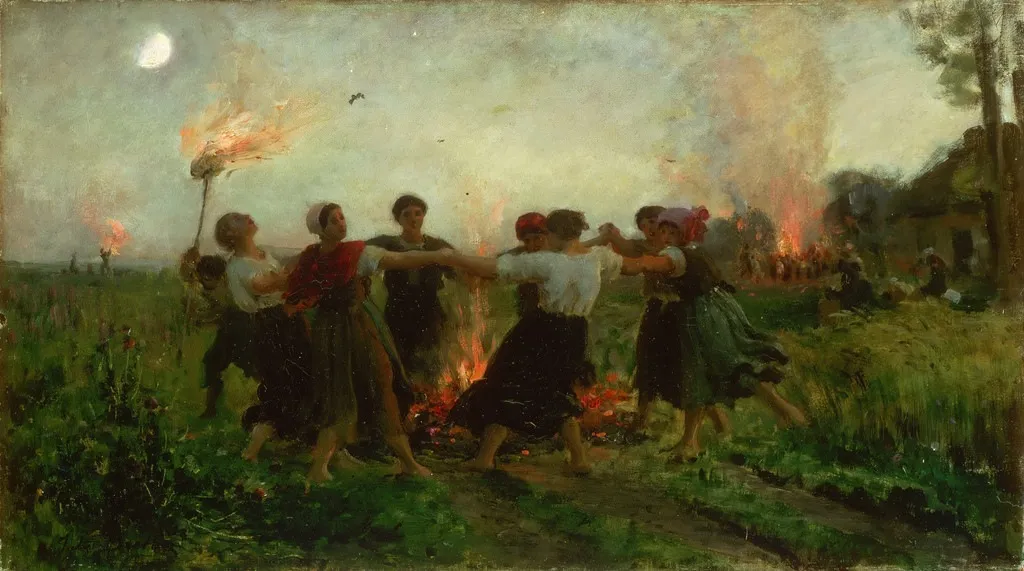
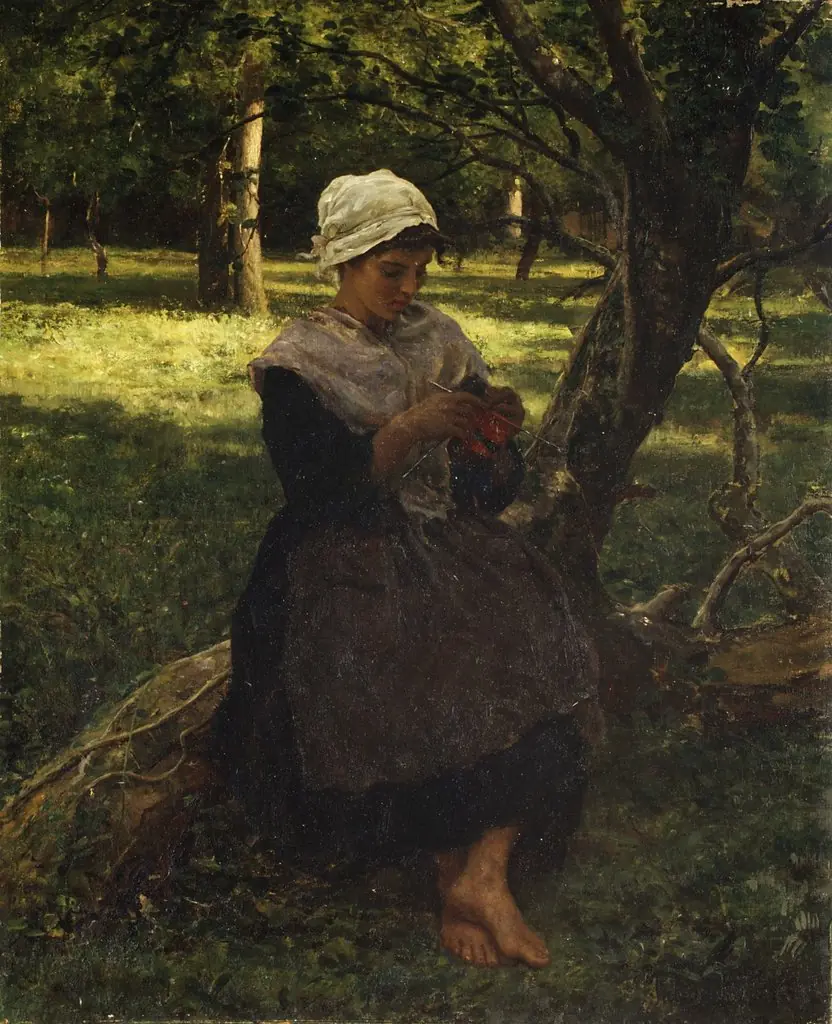
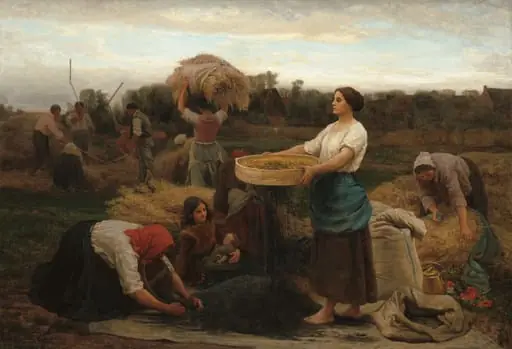
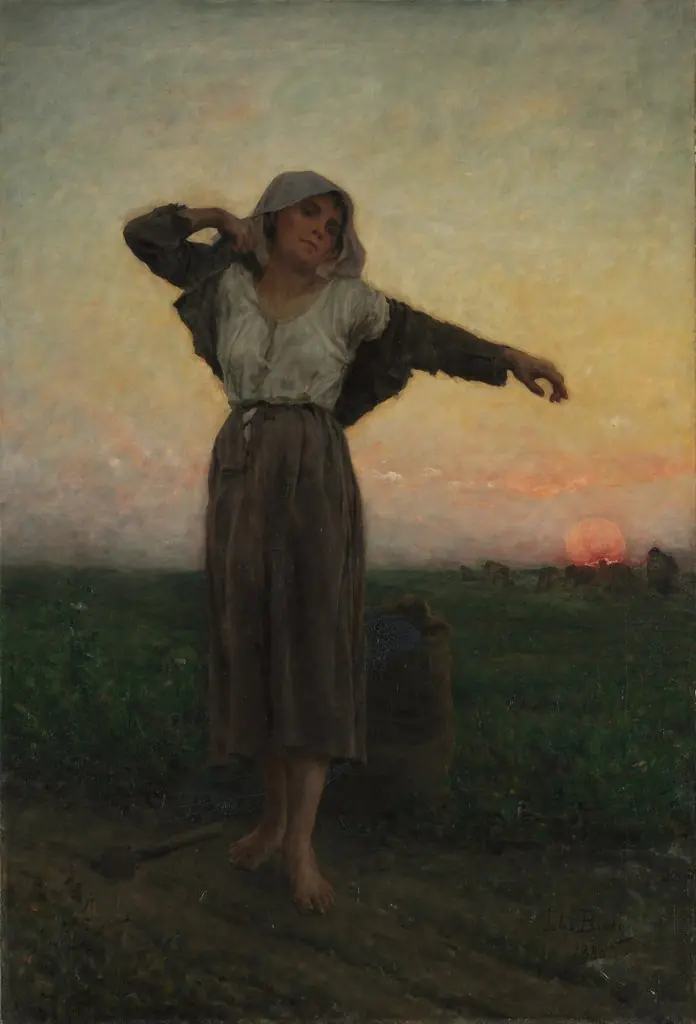
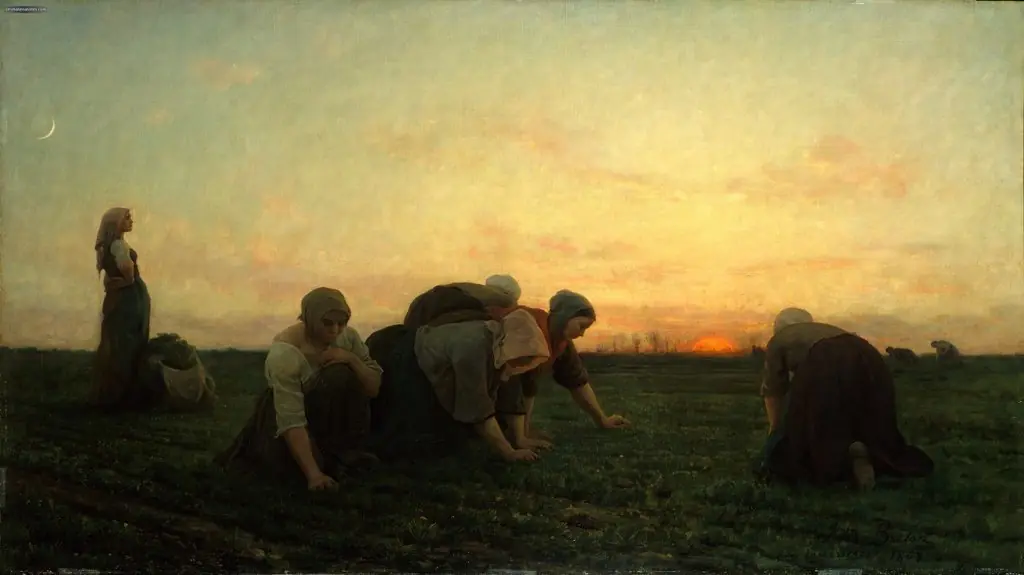
The Feast of Saint John is an oil painting by Jules Breton. It dates from 1875 and is held in the collection of the Philadelphia Museum of Art.
About this work
Overview
Jules Breton painted *The Feast of Saint John* in 1875 using oil on canvas, aligning with the 19th-century French tradition of genre painting.
Jules Breton painted *The Feast of Saint John* in 1875 using oil on canvas, aligning with the 19th-century French tradition of genre painting. The work captures a rural celebration in the French countryside, emphasizing communal ritual over dramatic narrative. Its composition centers on a circle of figures gathered around a fire, set beneath a soft, overcast sky. The painting resides in the Philadelphia Museum of Art’s collection, where it represents Breton’s sustained interest in peasant life as a subject worthy of artistic attention.
Subject & Meaning
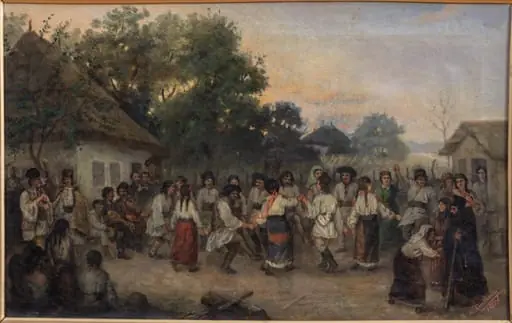
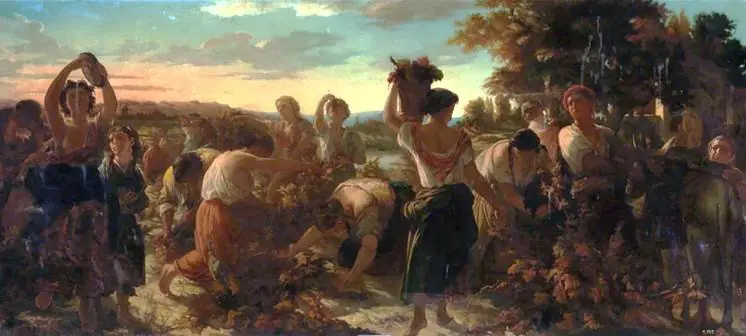
The scene depicts a local observance of Saint John’s feast day, a midsummer tradition involving bonfires and communal dancing. Figures in regional attire move in a loose circle, their gestures suggesting rhythm and shared joy rather than choreographed performance. Breton avoids theatricality, instead presenting the event as an organic expression of village life. The fire serves as both literal and symbolic center, uniting participants and illuminating the quiet dignity of collective ritual.
Technique & Style
Breton employed broad, deliberate brushwork to convey motion and warmth, avoiding fine detail in favor of atmospheric effect. Warm tones—ochres, deep reds, and amber—dominate the palette, contrasting subtly with the cool grays of the sky and distant trees. The figures are rendered with solidity, their forms grounded in observed reality, yet softened by loose strokes that enhance the sense of movement. Light emerges not from a single source but diffuses through the haze, unifying the scene in a gentle glow.
History & Provenance
Completed in 1875, the painting was likely exhibited in Parisian salons before entering private collections. It was acquired by the Philadelphia Museum of Art in the early 20th century, part of a broader interest in European academic and realist painting. Its provenance reflects the transatlantic appreciation for French rural genre scenes during a period when American collectors sought works that idealized agrarian life as a counterpoint to industrialization.
Context
Breton worked during a time when industrialization reshaped French society, and his paintings offered a nostalgic vision of enduring rural customs. *The Feast of Saint John* aligns with a broader cultural movement that romanticized peasant traditions, even as they were fading. Unlike social realists who highlighted hardship, Breton focused on harmony and continuity, presenting village life as timeless and self-sustaining, in step with prevailing academic tastes of the era.
Legacy
Though less prominent today than his contemporaries, Breton’s work contributed to the persistence of genre painting in late 19th-century France. *The Feast of Saint John* remains a representative example of how rural rituals were visually codified for urban audiences. Its presence in a major American museum underscores its role in shaping international perceptions of French peasant culture, even as modernist movements began to challenge such idealized representations.
Artist & collection
Artist
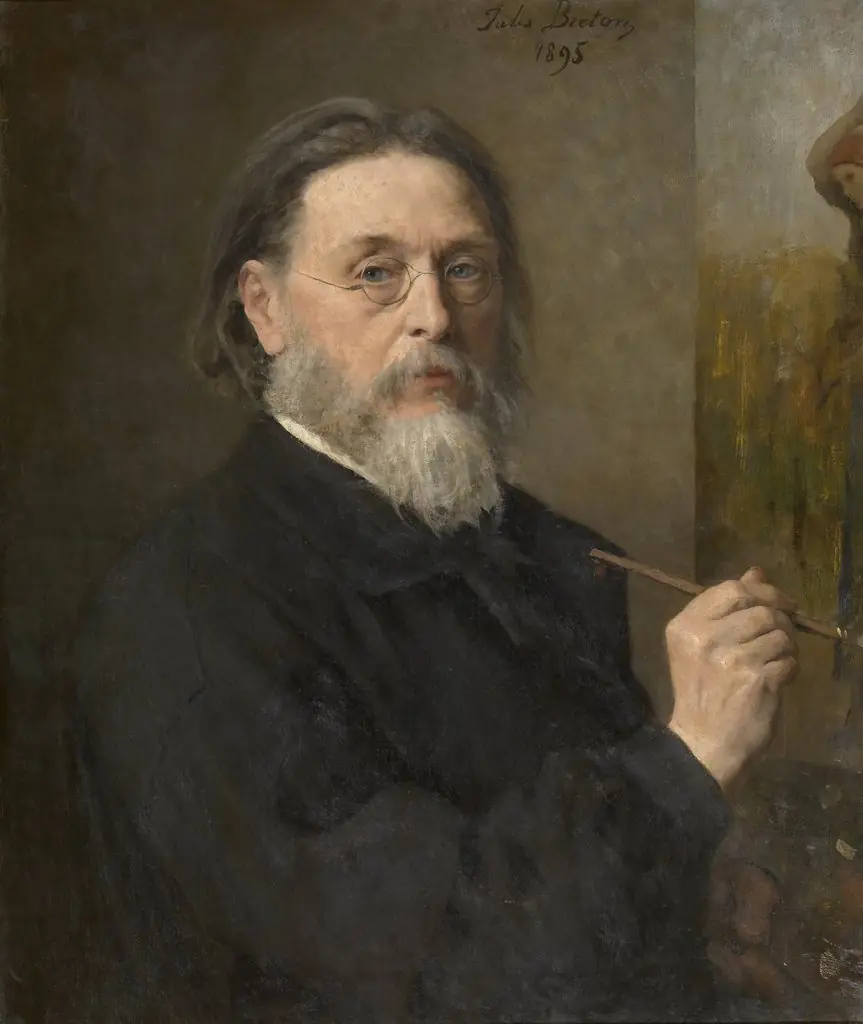
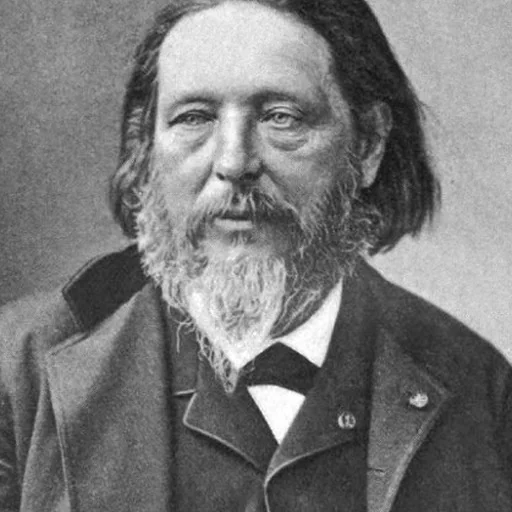
Jules Adolphe Aimé Louis Breton (French pronunciation: ; 1 May 1827 – 5 July 1906) was a 19th-century French naturalist painter.