Artwork
La vendimia
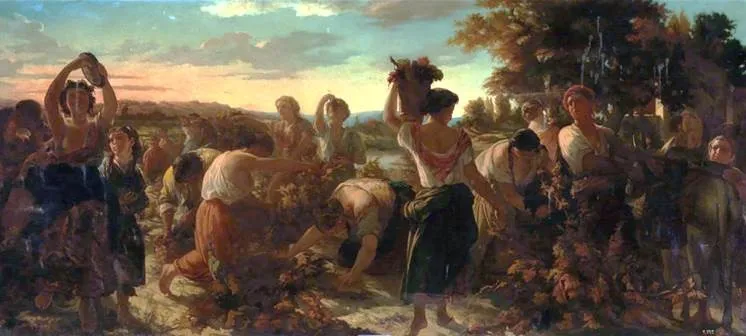
La vendimia is an oil painting by the Realist artist José Martí y Monsó. It dates from 1866 and is held in the collection of the Museo del Prado.
About this work
Overview
Created in 1866, *La vendimia* is an oil painting that exemplifies the Realist approach to everyday life. The work is part of the collection of the Museo del Prado, where it is displayed among other 19th‑century Spanish pieces.
Subject & Meaning
The canvas captures a moment of grape harvesting, presenting laborers amid the vines as they collect the season’s fruit. By focusing on this agricultural activity, the painting reflects the Realist interest in portraying ordinary work and the rhythms of rural Spain.
Technique & Style
Executed in oil on canvas, the artist employs a clear, unembellished palette and precise brushwork to render the textures of foliage, earth, and clothing. The composition avoids idealisation, favouring a straightforward representation that aligns with the Realist emphasis on observation over sentiment.
History & Provenance
The painting was produced by José Martí y Monsó, a Valencian-born painter who later settled in Valladolid.
The painting was produced by José Martí y Monsó, a Valencian-born painter who later settled in Valladolid. In addition to his artistic practice, Martí y Monsó served as a professor, researcher, and museum official, dedicating much of his career to the study of Castilian art and the Holy Week traditions of Valladolid. *La vendimia* entered the Prado’s holdings as part of its 19th‑century Spanish acquisitions.
Context
During the mid‑1800s, Spanish Realism sought to document the social and economic realities of the nation, moving away from romanticised historic scenes. Martí y Monsó’s focus on a grape‑harvest scene situates the work within this broader movement, highlighting the importance of agrarian life in Spain’s cultural narrative.
Artist & collection
Artist
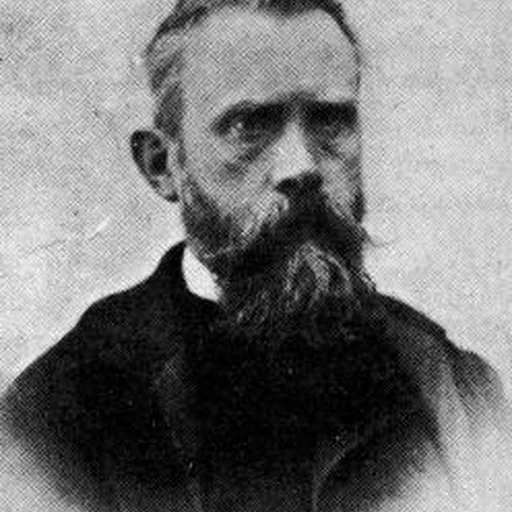
José Martí y Monsó (4 January 1840, Valencia - 14 December 1912, Valladolid) was a Spanish painter, art professor, researcher and museum official. He was considered an expert on Castilian art and the history of Holy Week in Valladolid.

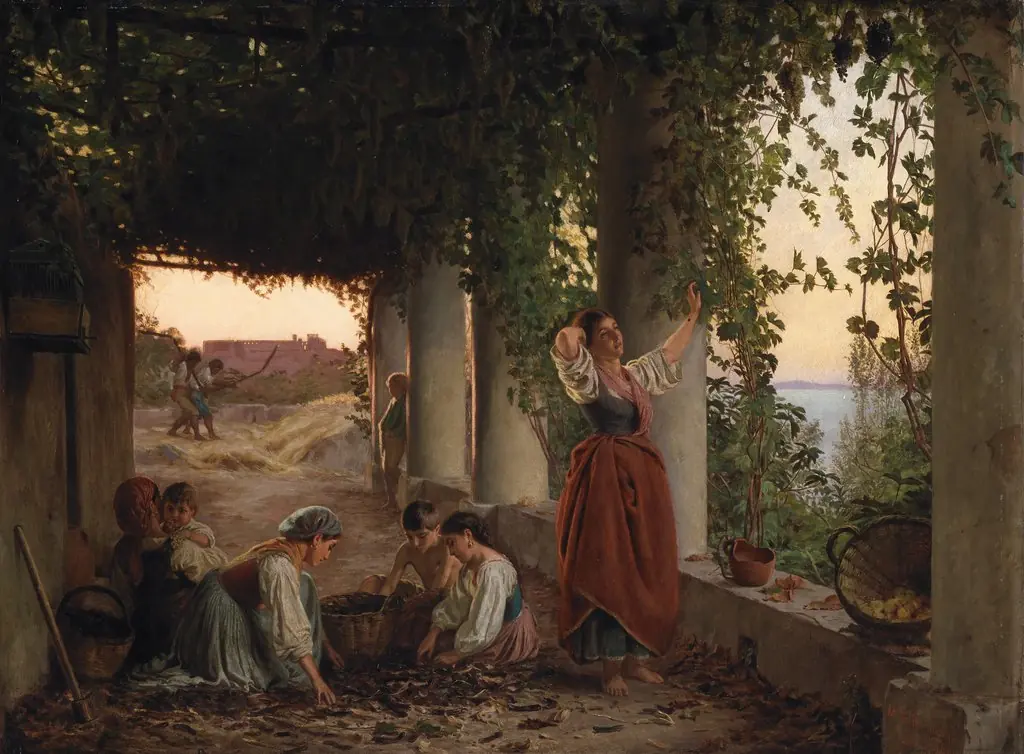 A Vine Pergola at Capri
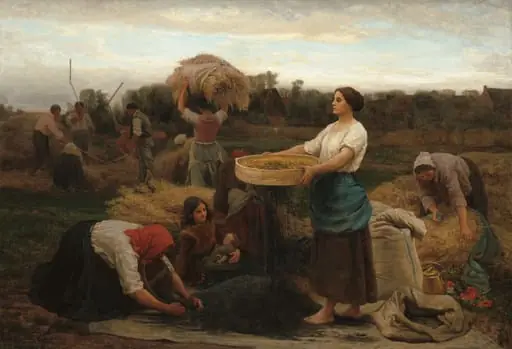 The Colza (Harvesting Rapeseed)
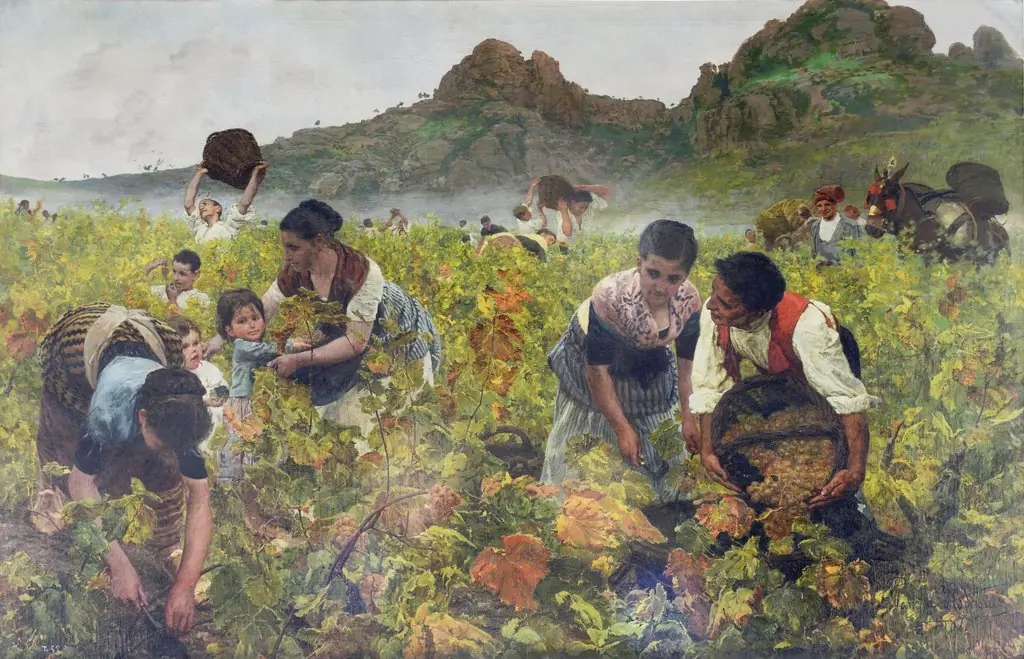 La vendimia
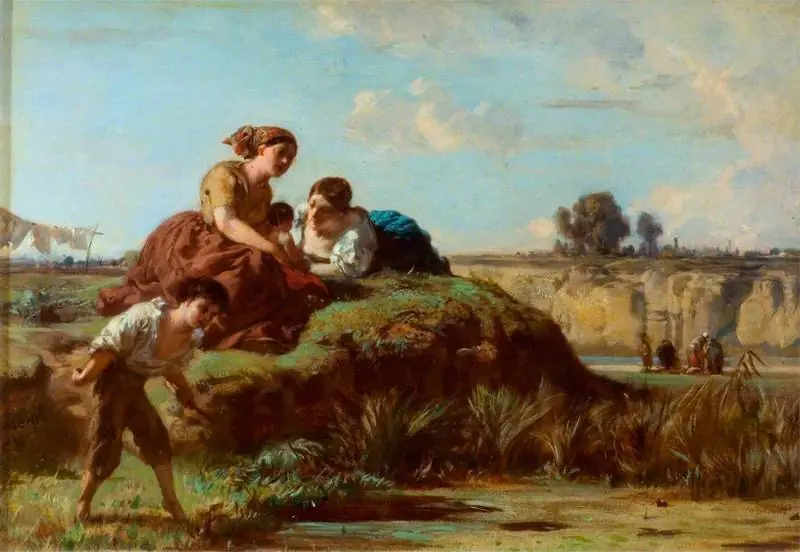 Catching Frogs
 The Favourite Shepherd
 Buckwheat Harvest, Summer
 The Youth of future Pope Sixtus V
 The Grape Harvest
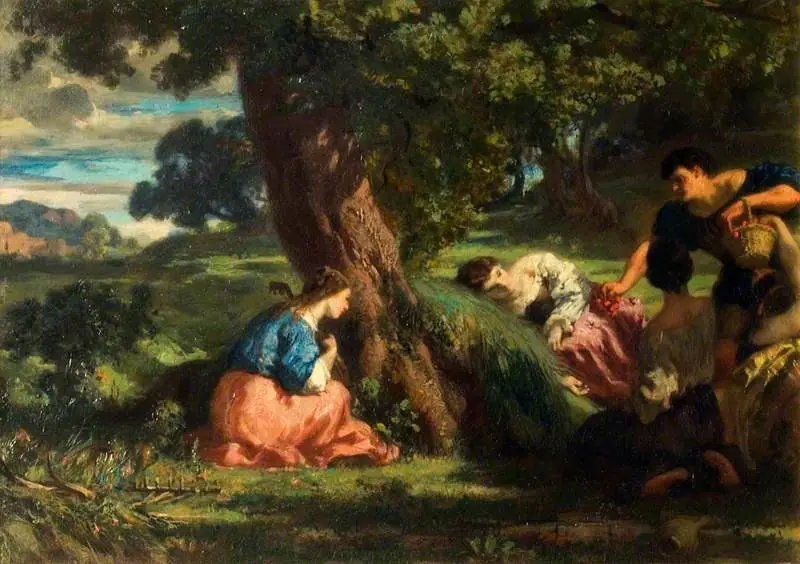 Cherries: A Group of Young Women in a Landscape, One of Them Holding a Basket of Cherries
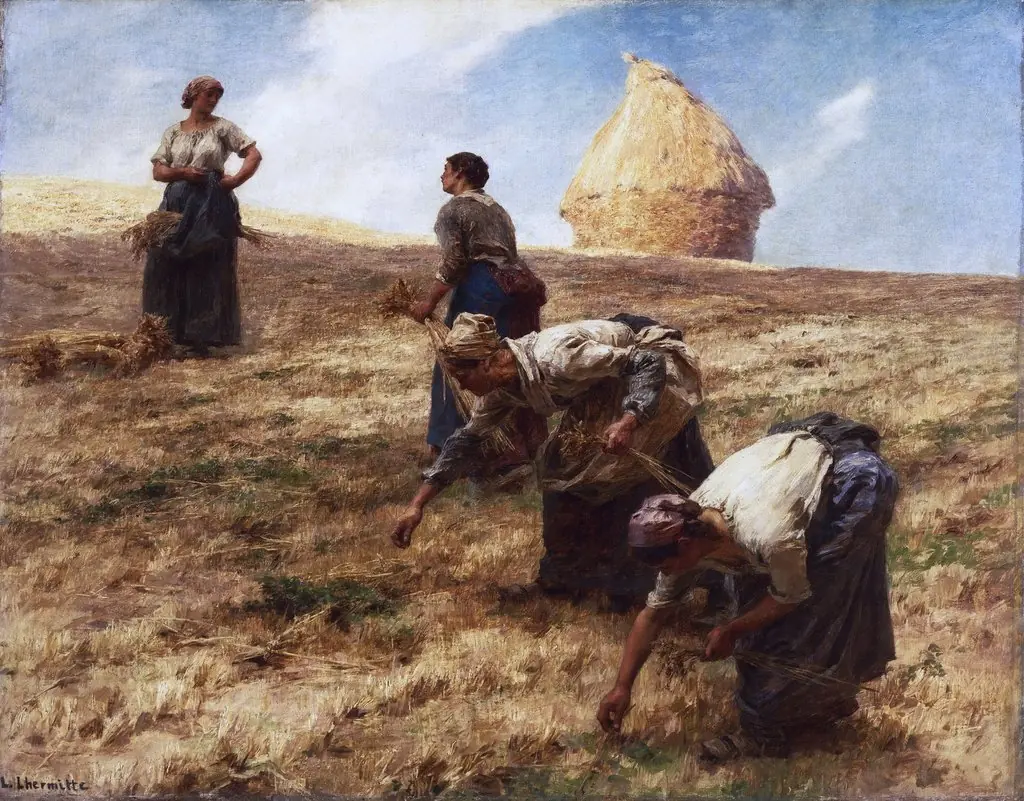 The Gleaners
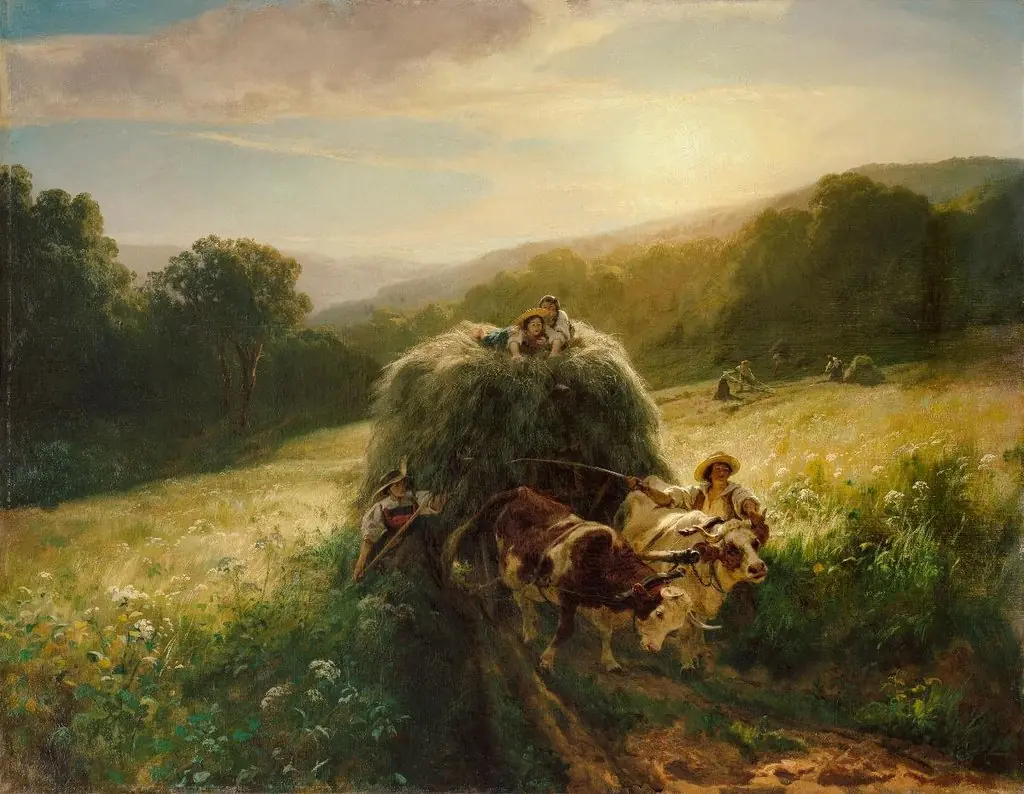 Heuwagen
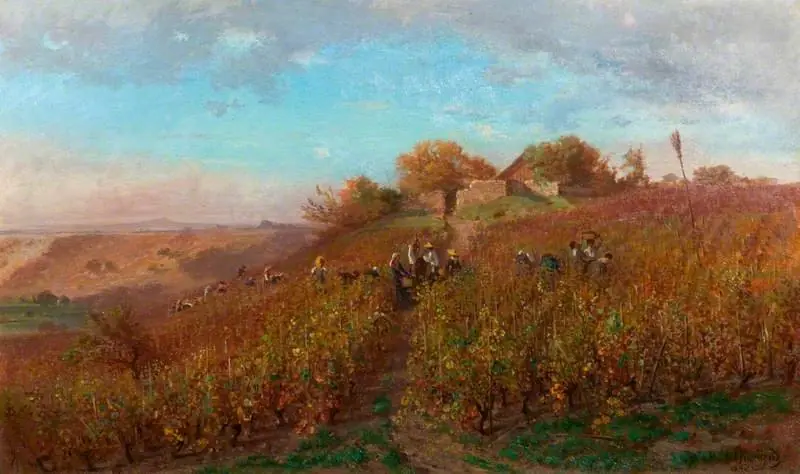 Vintage on the Slopes of the Arve near Geneva