Artwork
The Windmill
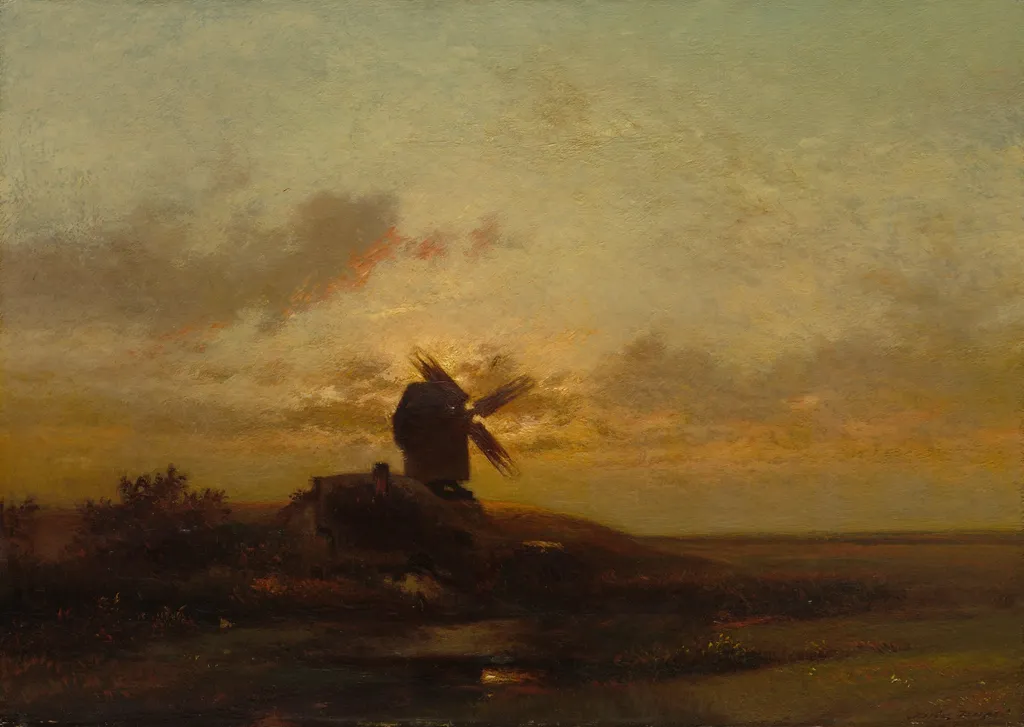
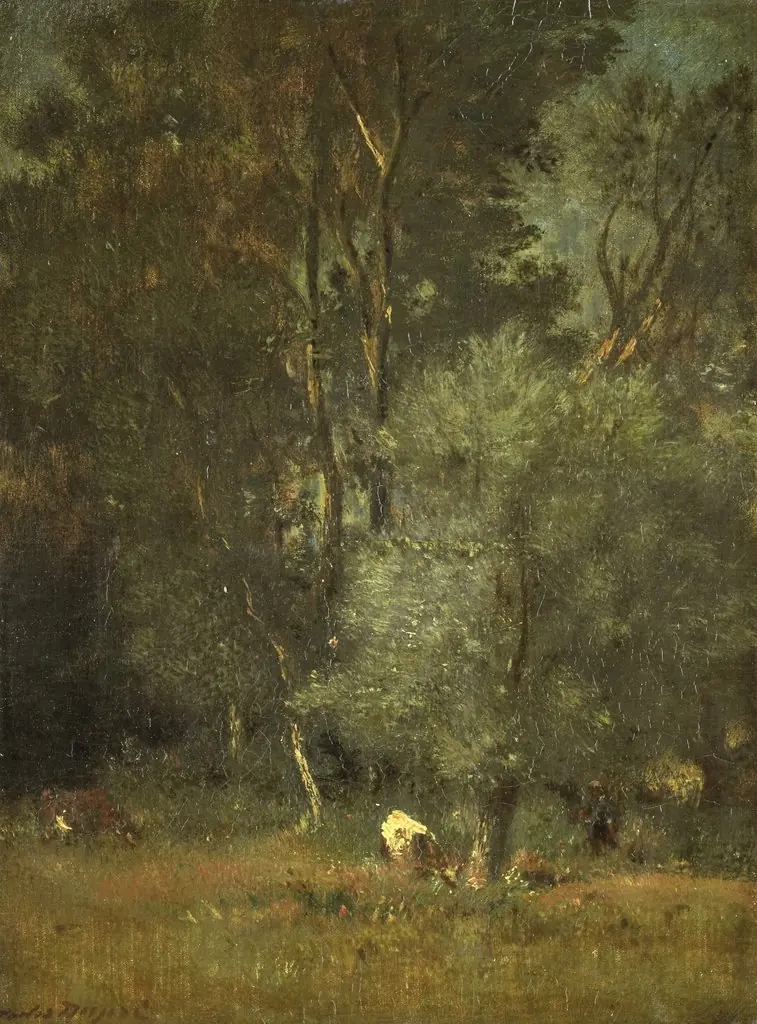
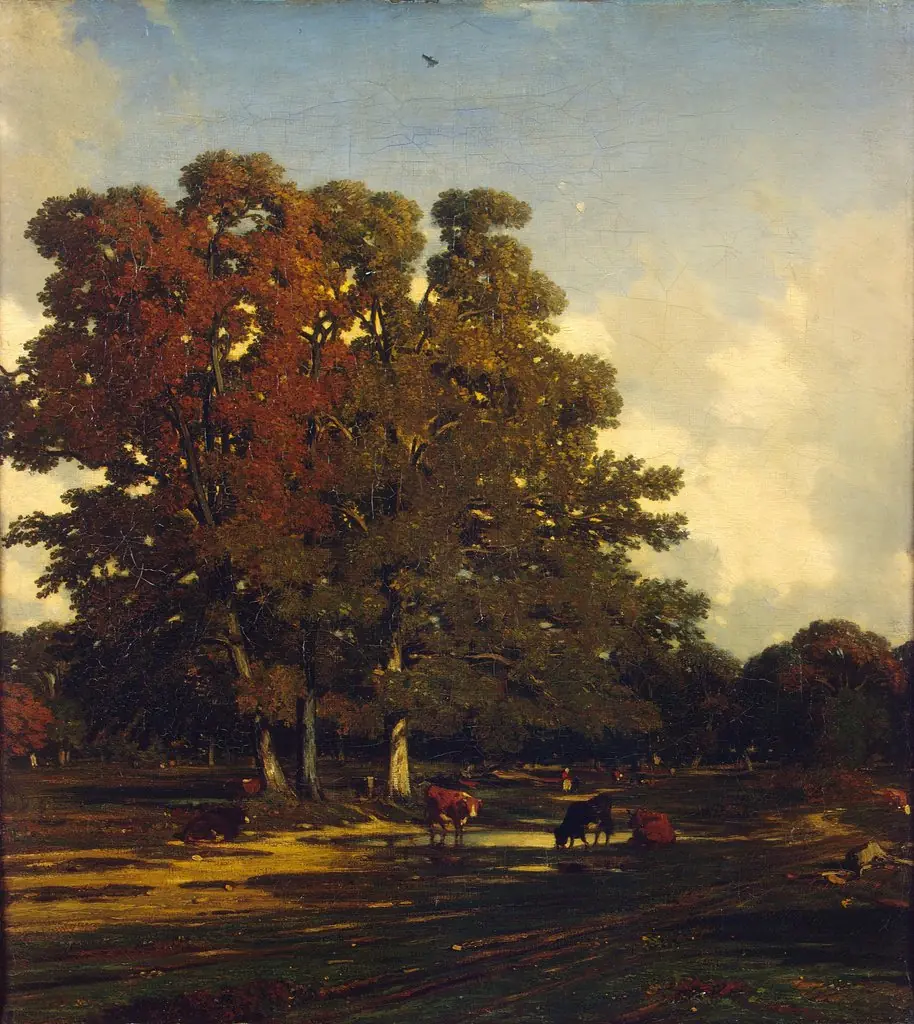
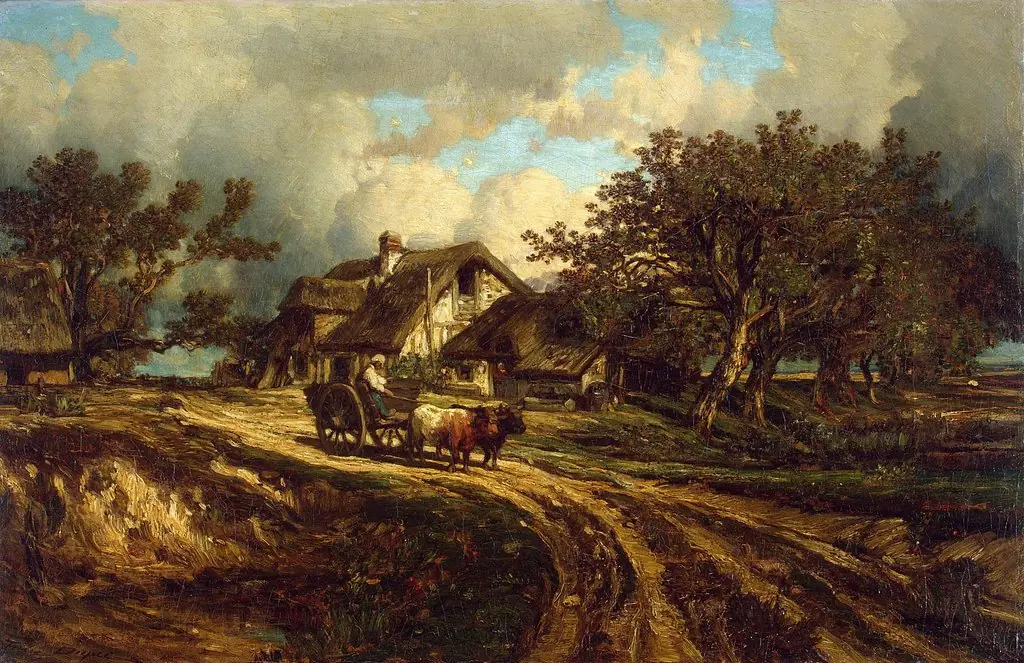
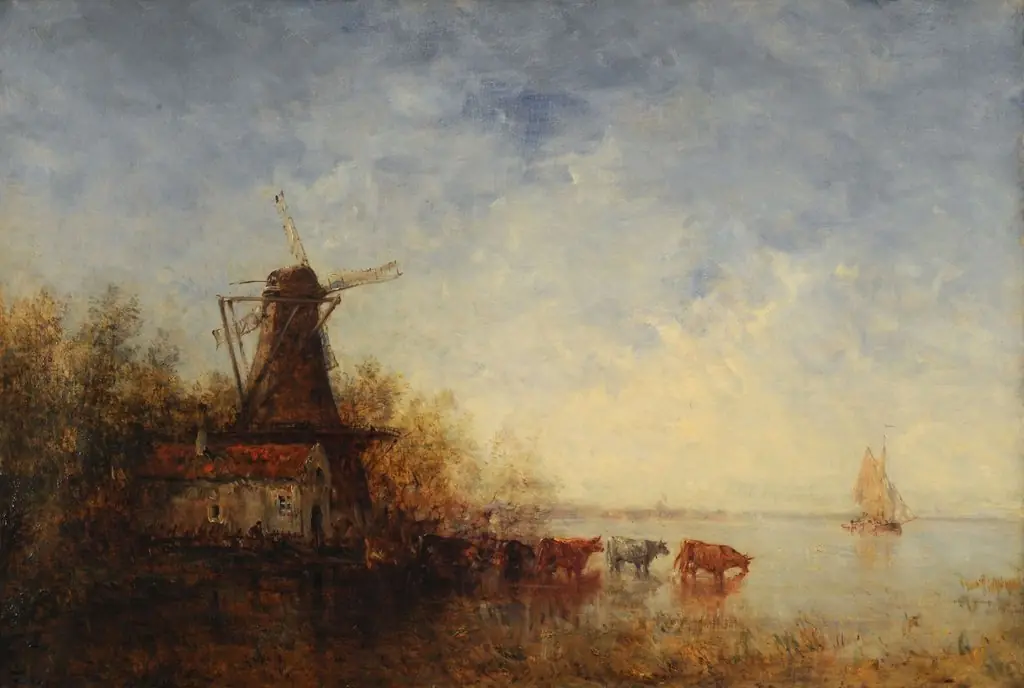
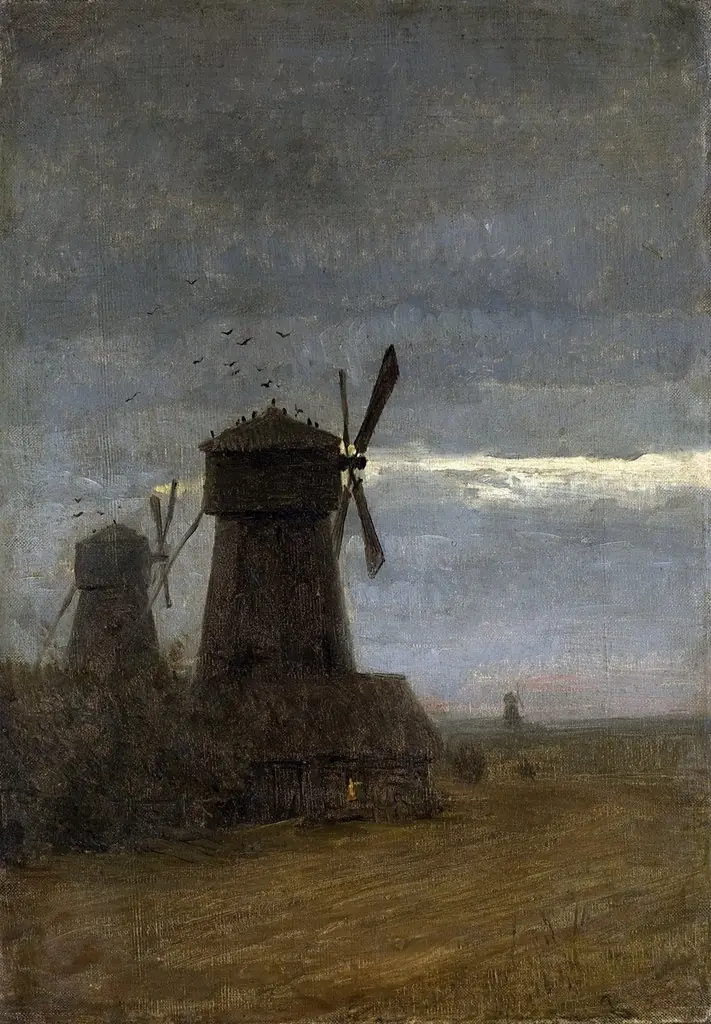
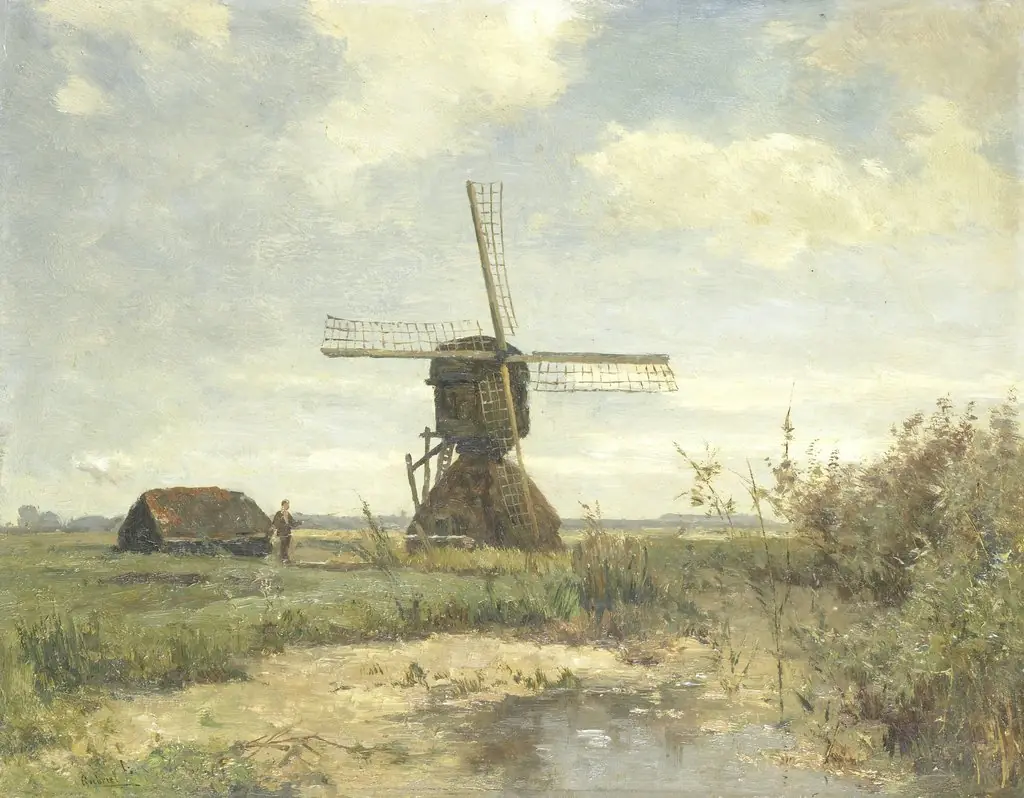
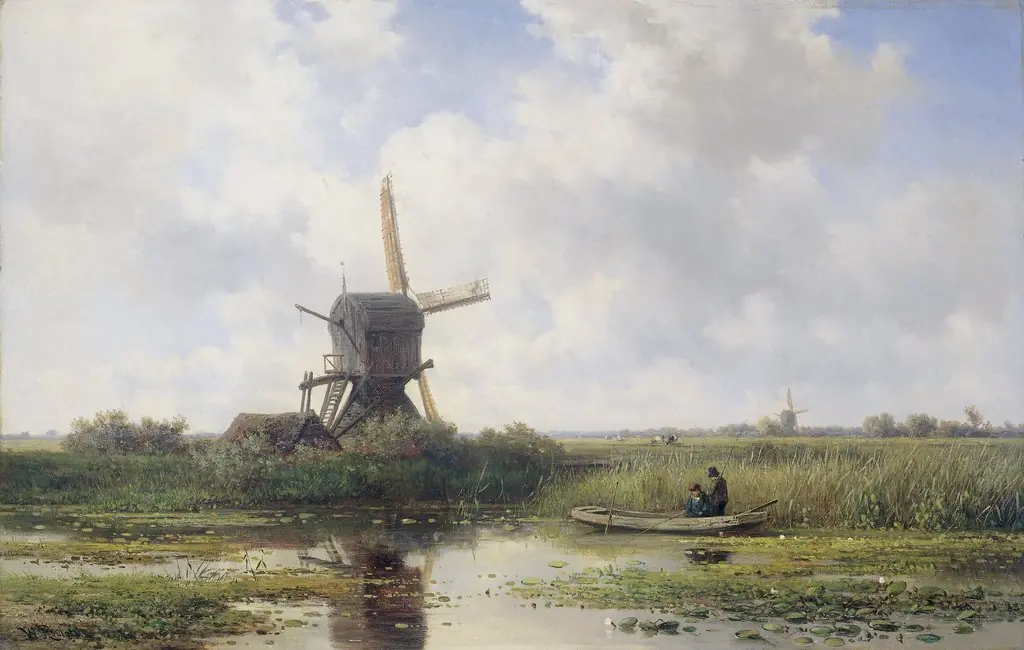
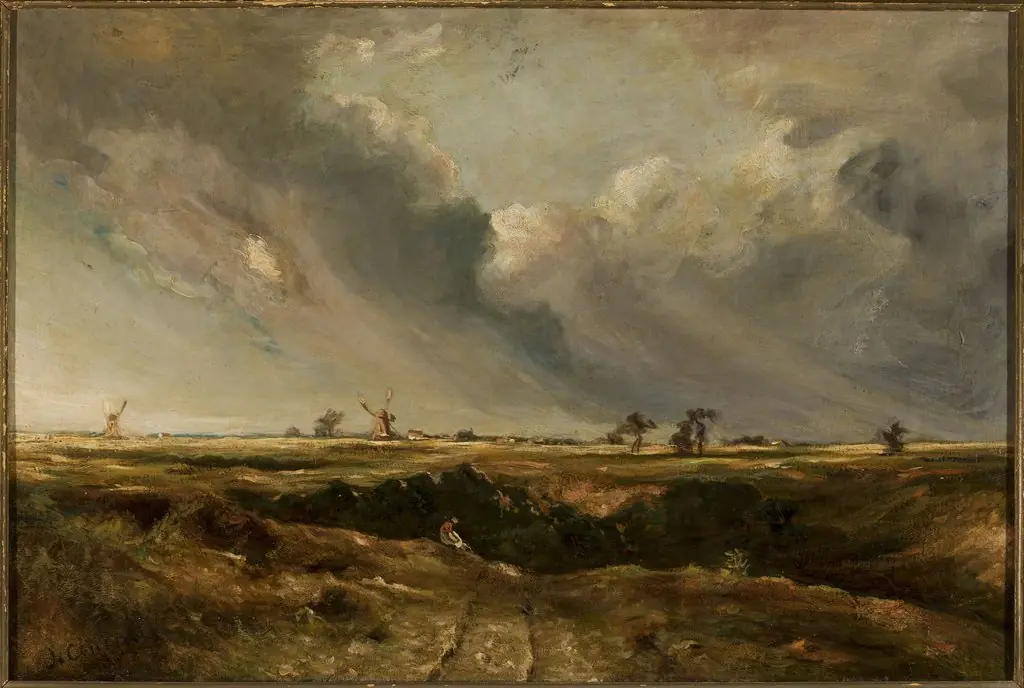
The Windmill is an unspecified painting by the Barbizon school artist Jules Dupré. It dates from 1854 and is held in the collection of the Cleveland Museum of Art.
About this work
Overview
The painting reflects a broader 19th-century shift toward realism in French art, prioritizing authentic rural scenes over historical or mythological subjects.
Painted around 1854 by Jules Dupré, *The Windmill* is a landscape work rooted in the Barbizon school’s commitment to observing nature directly. Rather than idealizing the countryside, Dupré captured its quiet, everyday presence with sensitivity to changing light and weather. The painting reflects a broader 19th-century shift toward realism in French art, prioritizing authentic rural scenes over historical or mythological subjects.
Subject & Meaning
The painting centers on a solitary windmill standing amid trees and an overcast sky, its form softened by atmospheric haze. No human figures are present, emphasizing nature’s quiet autonomy. The scene conveys a sense of stillness and endurance, suggesting the windmill as a humble fixture within the rhythms of the land rather than a symbol of human dominion.
Technique & Style
Dupré employed loose, textured brushwork to render the windmill’s wooden structure and the foliage around it, creating tactile surfaces without sharp definition. Skies are layered with subtle gradations of gray and white, suggesting shifting cloud cover. The effect is one of immediacy and naturalism, achieved through direct observation rather than studio composition, aligning with Barbizon principles of plein air study.
History & Provenance
Created during Dupré’s mature period, the painting entered The Cleveland Museum of Art’s collection through established channels of 19th-century European art acquisition. It has remained in the museum’s holdings since the early 20th century, serving as a representative example of French landscape painting from the Barbizon era within an American public collection.
Context
The Barbizon school emerged in the 1830s–1870s as artists retreated from Parisian academies to paint near the Forest of Fontainebleau. Rejecting neoclassical conventions, they sought truth in unembellished rural life. Dupré, alongside Théodore Rousseau and Jean-François Millet, helped define this movement’s emphasis on mood, light, and the dignity of ordinary landscapes.
Legacy
*The Windmill* exemplifies how Barbizon painters influenced later movements, including Impressionism, through their focus on transient effects and direct observation. Though less widely known than some contemporaries, Dupré’s work contributed to a lasting redefinition of landscape painting as an intimate, emotionally resonant record of the natural world.
Own this work as a print
Artist & collection
Artist
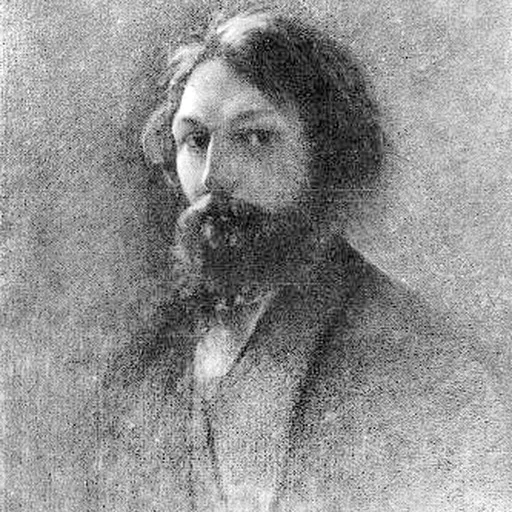
Jules Louis Dupré (French pronunciation: ; April 5, 1811 – October 6, 1889) was a French painter, one of the chief members of the Barbizon school of landscape painters.