Artwork
Laissez venir à moi les petits enfants
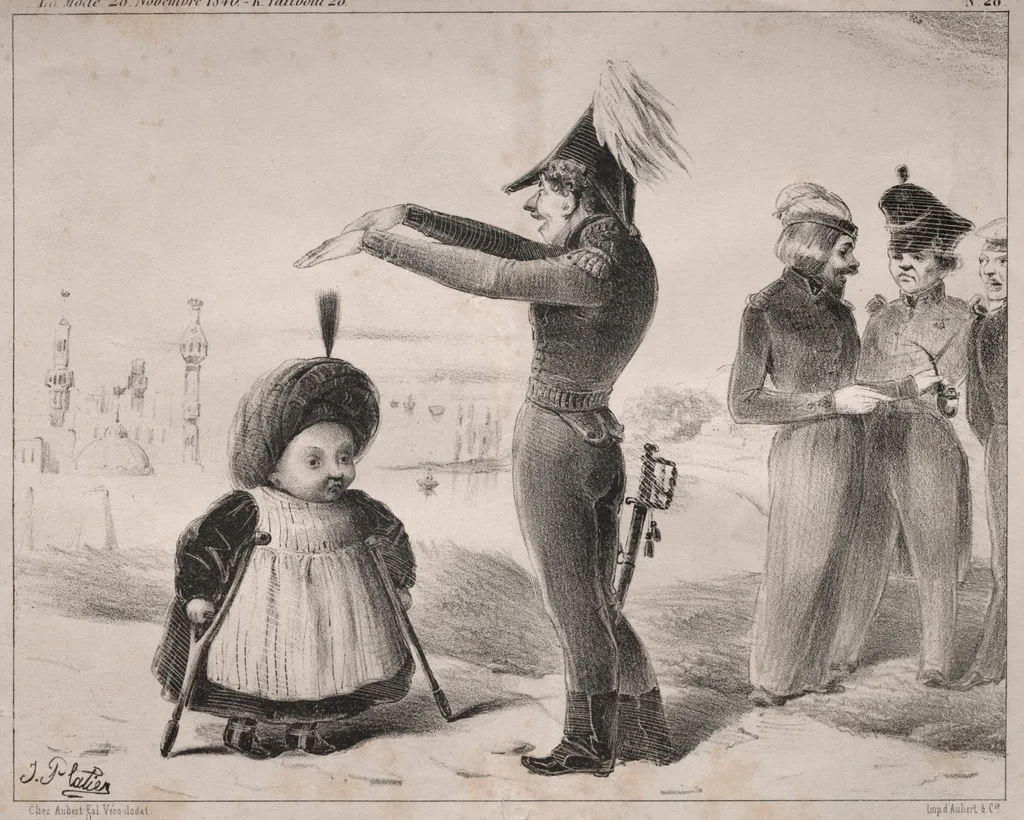
Laissez venir à moi les petits enfants is a print by the Romanticist artist Jules Platier. It dates from 1840 and is held in the collection of the Cleveland Museum of Art.
About this work
Overview
Created in 1840 by Jules Platier, this ink sketch depicts a moment of quiet interaction between an adult and a child. Executed with rapid, loose lines, the work carries the immediacy of a preparatory study. It resides in the collection of The Cleveland Museum of Art, where it is valued for its spontaneous draftsmanship and atmospheric suggestion rather than polished finish.
Subject & Meaning
The scene illustrates a man in a tall feathered hat extending his hand toward a seated child, while two formally dressed onlookers observe from behind. The title, referencing a biblical phrase, suggests a theme of welcome or protection. Yet the rigid postures and staged composition undermine emotional warmth, hinting instead at social ritual or performative benevolence.
Technique & Style
Platier employed swift, sketchy ink strokes to define figures and environment, leaving much of the background indistinct. The lack of detail in the street and buildings emphasizes the central figures while lending the image a sense of motion and transience. The contrast between the child’s simple attire and the adults’ elaborate clothing is rendered with minimal but effective line work.
History & Provenance
The work was produced in 1840 and entered the collection of The Cleveland Museum of Art at an unspecified later date. No detailed record of its early ownership or exhibition history is publicly documented. Its survival as a standalone sketch suggests it may have been part of a larger series or personal study, preserved for its expressive quality rather than as a finished piece.
Context
Emerging during the Romantic era, the sketch reflects a period when artists increasingly turned to everyday moments infused with emotional or moral weight. Though not overtly dramatic, the scene aligns with Romantic interests in human connection and social observation, even as its formal tone reveals lingering influences from academic traditions of composition.
Legacy
Platier’s sketch endures as an example of 19th-century draftsmanship that prioritizes gesture and mood over finish. It offers insight into how artists captured fleeting social interactions with economy of line. While not widely reproduced, it remains a quiet testament to the value placed on observational sketches within artistic practice of the time.
Artist & collection

 Why are they taking away my money...
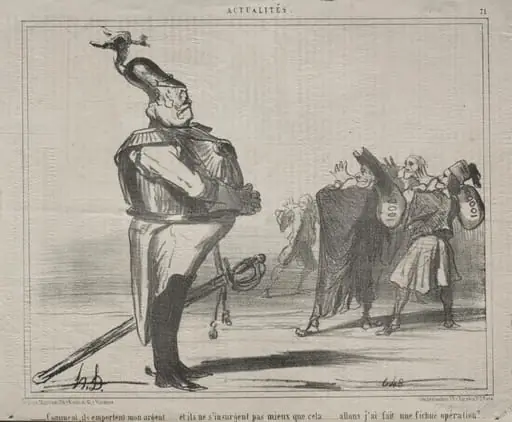
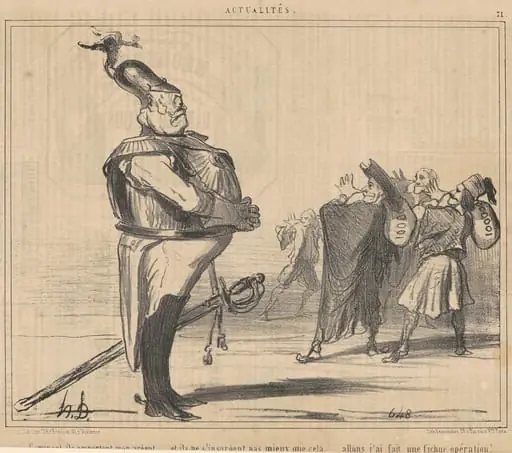 Comment, ils emportent mon argent ...
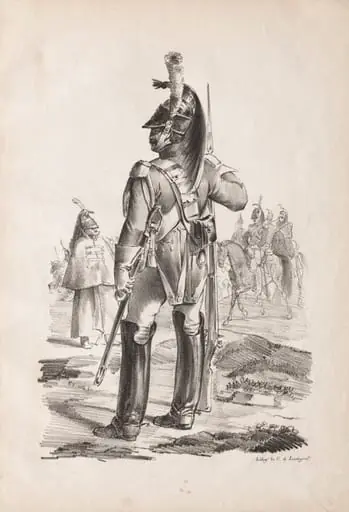 Military Costumes: Grenadier of the Royal Guard
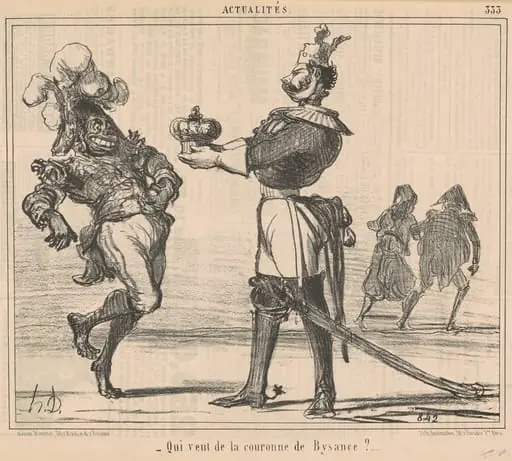 Qui veut de la couronne de Bysance?
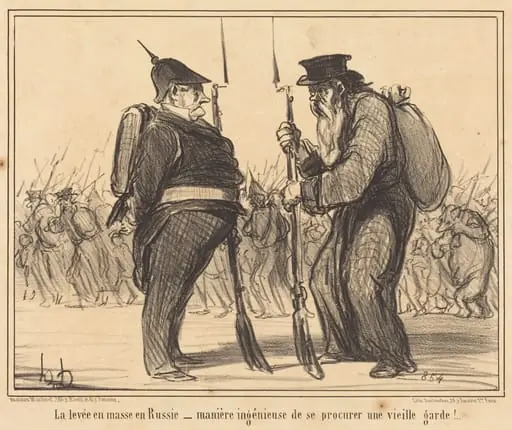 La Levée en masse en Russie...
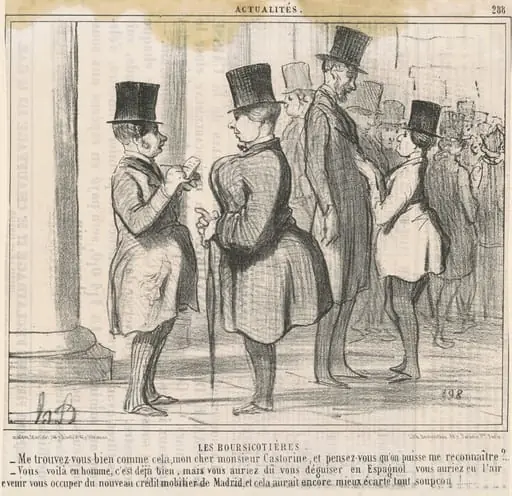 Les boursicotières. Me trouvez-vous bien ...
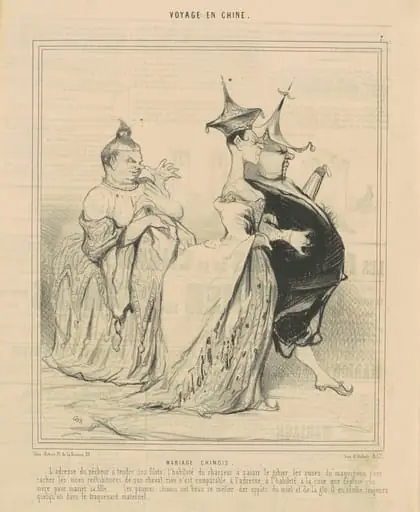 Mariage chinois
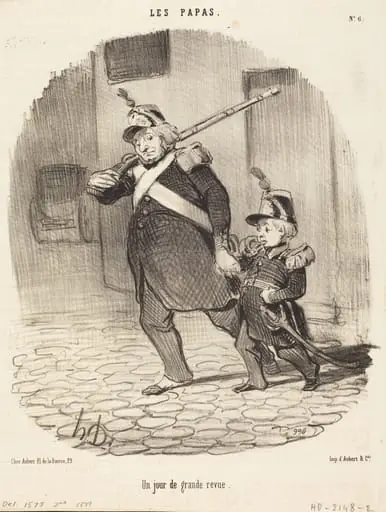 Un Jour de grande revue
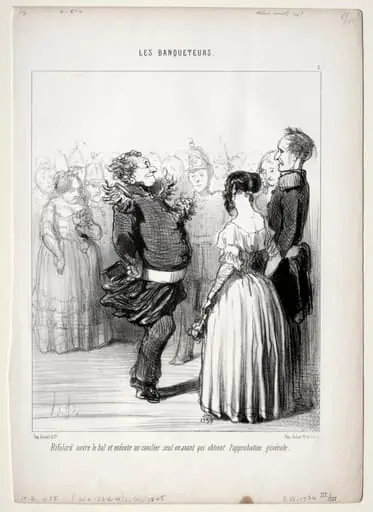 Rifolard opens the ball...
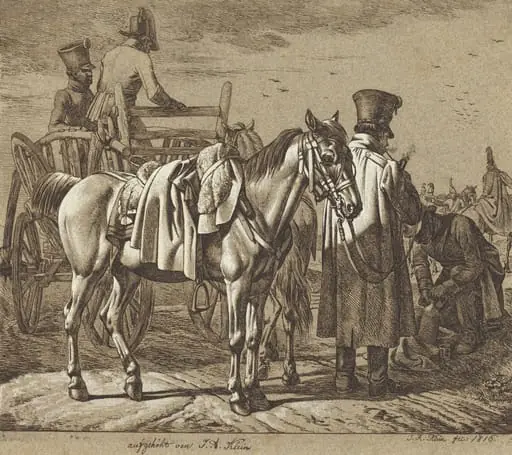 Horse with Soldiers Smoking Pipe/Military Scene
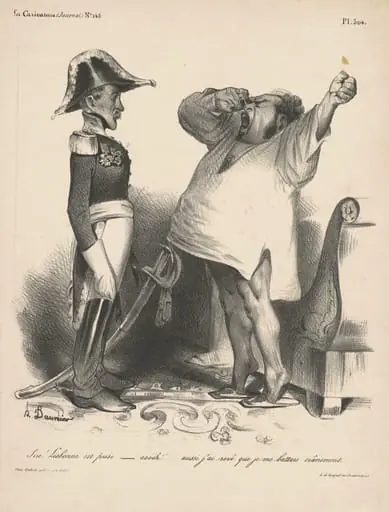 Sire! Lisbonne est prise... (Sire! Lisbon has been captured...)
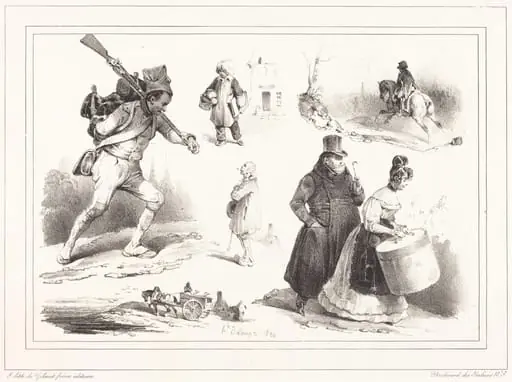 Social Vignettes