Artwork
Untitled
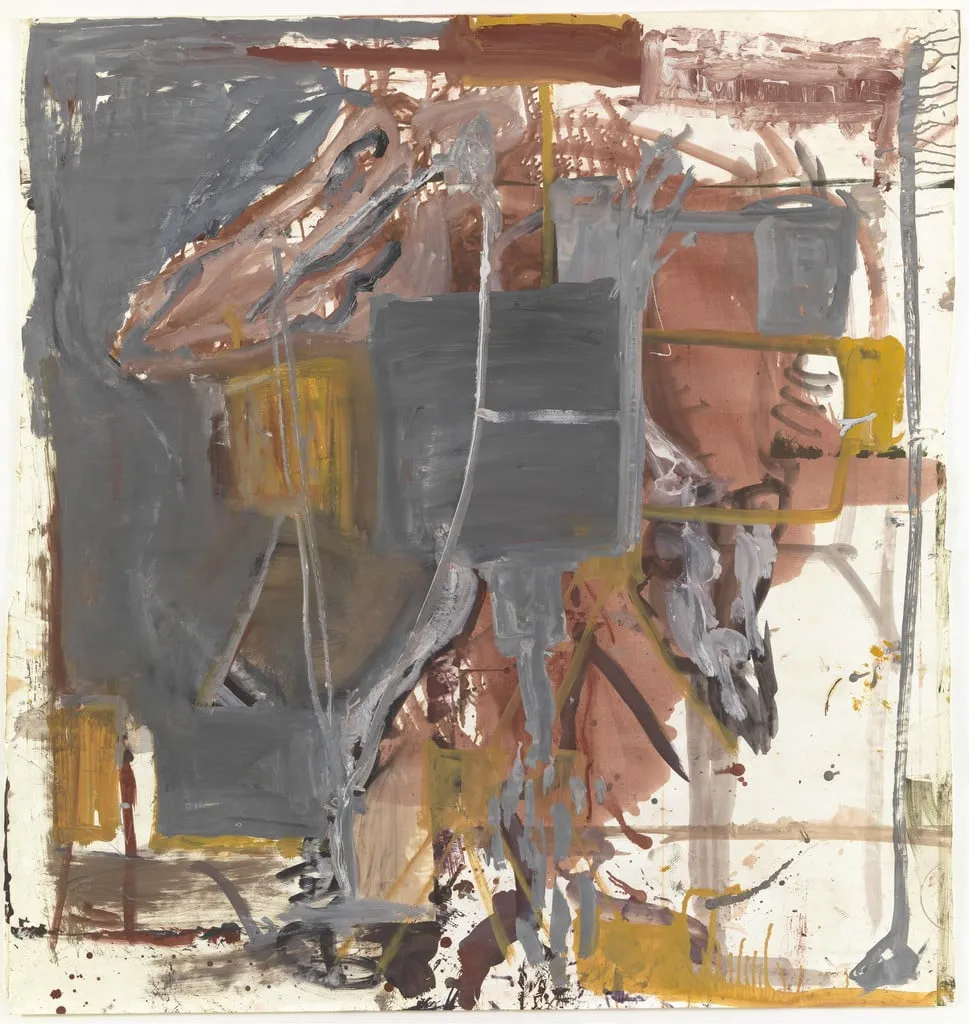
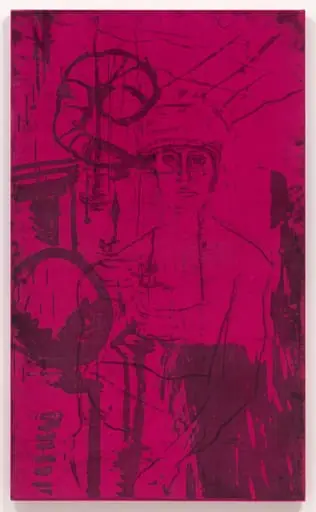
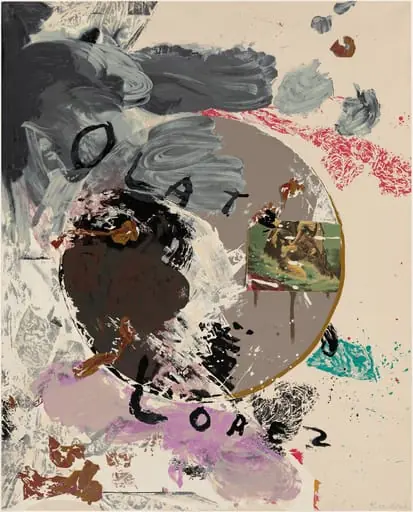
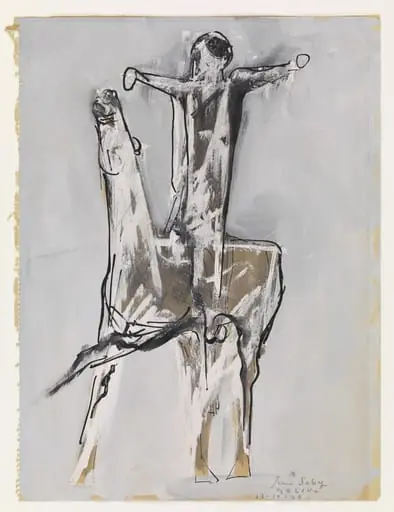
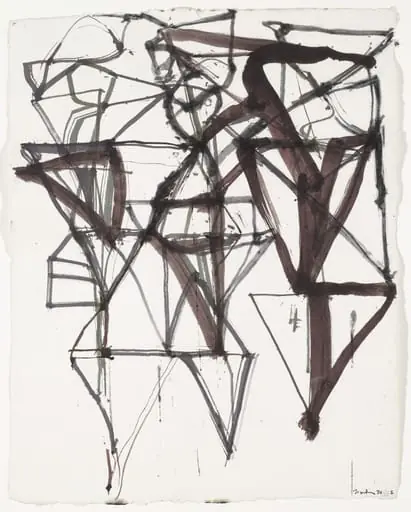
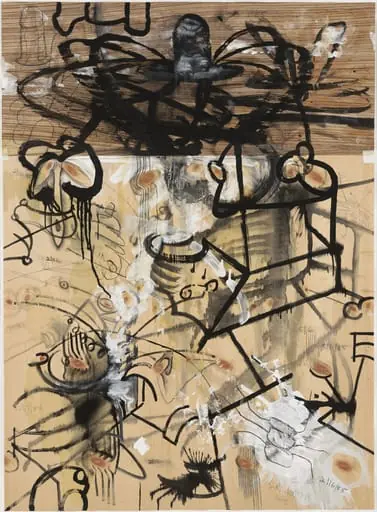
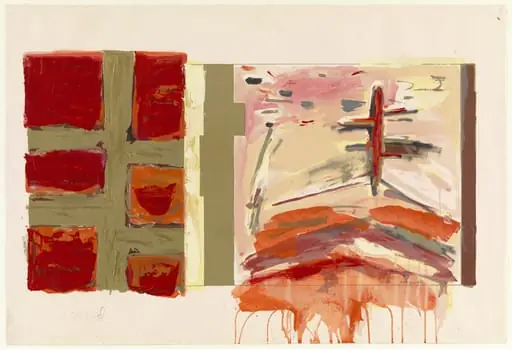
Untitled is a paint drawing by Julian Schnabel. It dates from 1982 and is held in the collection of the Museum of Modern Art.
About this work
Overview
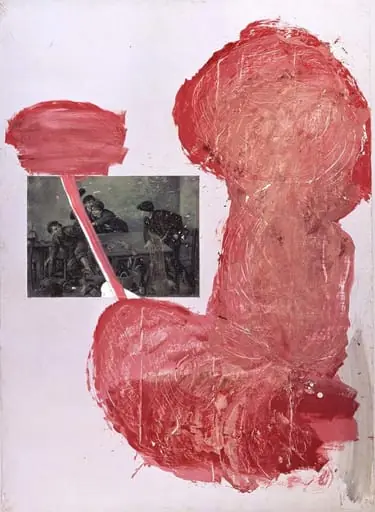
Created in 1982, this untitled work by Julian Schnabel consists of synthetic polymer paint applied to paper. Measuring as a drawing rather than a traditional canvas, the piece is part of the Museum of Modern Art’s collection. It reflects the artist’s experimental approach during a period when he was gaining international attention for his large‑scale, mixed‑media constructions.
Subject & Meaning
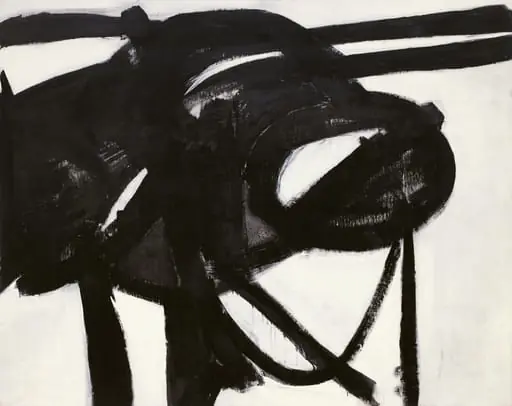
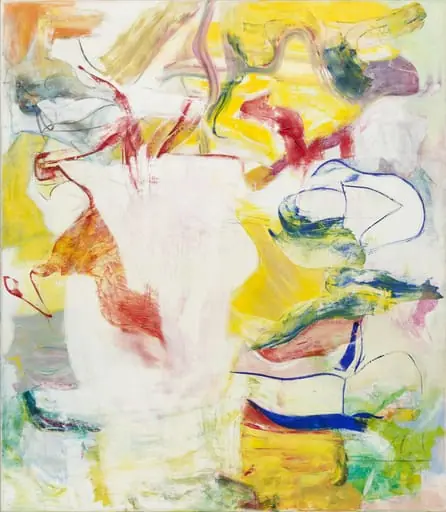
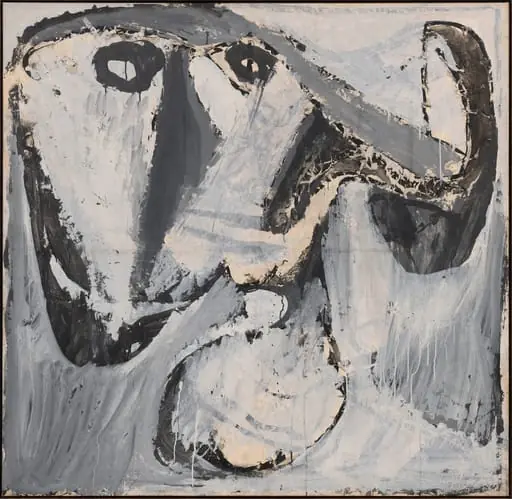
The surface is dominated by dense, uneven brushstrokes in muted gray, brown and yellow tones. Within the thick layers, vague silhouettes suggest objects such as a box, a chair, or a partially obscured face, yet they remain ambiguous, inviting viewers to contemplate form without a definitive narrative.
Technique & Style
Schnabel employs a heavy impasto technique, building up the polymer paint in palpable ridges that protrude from the paper. The underlying white of the support peeks through the most concentrated areas, intensifying the contrast between the bright substrate and the saturated pigments. The overall effect is a deliberately chaotic, tactile surface.
History & Provenance
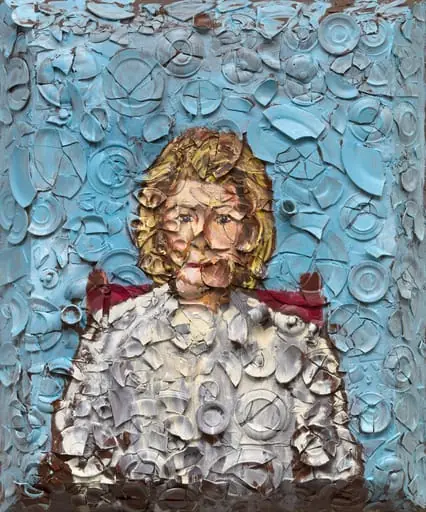
Born in 1951, Schnabel emerged in the early 1980s as a prominent figure in contemporary art, known for his “plate paintings” that incorporated broken ceramics. This 1982 drawing was acquired by the Museum of Modern Art, where it remains in the permanent collection, documenting a pivotal moment in his artistic development.
Context
During the early 1980s, the art world was shifting toward larger, material‑laden works that challenged conventional painting. Schnabel’s use of synthetic polymer paint on paper aligns with this trend, extending his interest in texture and physicality beyond the ceramic‑laden canvases that had brought him early fame.
Artist & collection

Artist
Julian Schnabel (born October 26, 1951) is an American painter and filmmaker. In the 1980s, he received international attention for his "plate paintings"—with broken ceramic plates set onto large-scale paintings. Since…