Artwork
Los celos
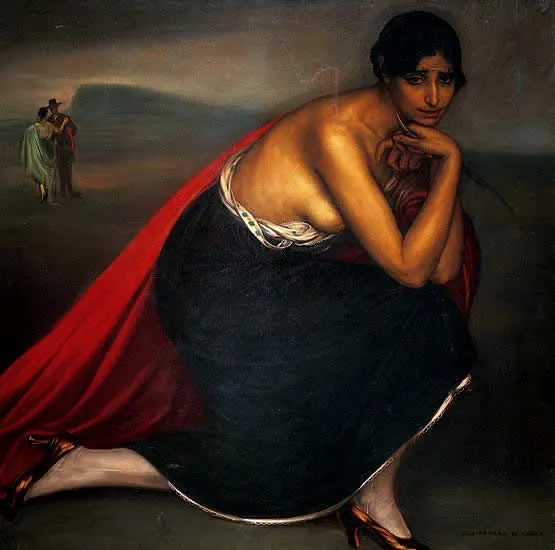
Los celos is an oil painting by the Symbolist artist Julio Romero de Torres. It dates from 1917 and is held in the collection of the National Museum of Fine Arts, Argentina.
About this work
Overview
Julio Romero de Torres painted *Los celos* in 1917 using tempera on panel, marking a shift toward introspective, symbolic imagery in his later work.
Julio Romero de Torres painted *Los celos* in 1917 using tempera on panel, marking a shift toward introspective, symbolic imagery in his later work. The piece reflects his deep engagement with Andalusian cultural motifs and the emotional undercurrents of rural Spanish life. Though rooted in regional traditions, the painting transcends local narrative through its psychological intensity and restrained aesthetic.
Subject & Meaning
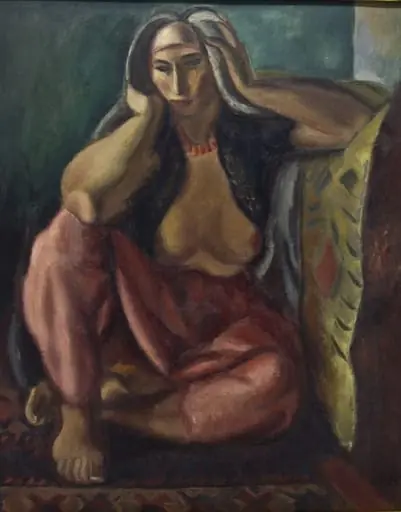
The central figure is a woman seated on the ground, head resting on her hand, her posture conveying isolation and inward turmoil. Her black skirt and crimson shawl contrast sharply against muted surroundings, emphasizing emotional weight over narrative detail. The indistinct figures in the background suggest presence without clarity, reinforcing themes of jealousy and solitude. The title, meaning 'Jealousy,' anchors the work in a private, psychological drama rather than public spectacle.
Technique & Style
Romero de Torres employed tempera for its matte finish and precise control, enhancing the painting’s somber tone. His palette limits itself to deep blacks, cool blues, and ashen greens, creating a restrained, almost monochromatic atmosphere. Lines are deliberate and contours softened, avoiding dramatic chiaroscuro in favor of subtle gradations. The composition isolates the figure, directing attention to her posture and expression rather than environmental context.
History & Provenance
Completed in 1917, *Los celos* entered the collection of the National Museum of Fine Arts in Buenos Aires, where it remains today. Its acquisition reflects early 20th-century interest in Spanish modernist works beyond Europe, particularly those blending folk symbolism with psychological depth. The painting was not widely exhibited during the artist’s lifetime, contributing to its quiet, understated reception in art historical discourse.
Context
Romero de Torres worked amid Spain’s cultural reevaluation following the 1898 loss of its empire, a moment that spurred artists to revisit regional identity. His focus on Andalusian women, often portrayed with melancholy or mystery, aligned with Symbolist interests in inner states over external realism. While influenced by modernism, he avoided abstraction, instead refining traditional iconography to evoke emotional ambiguity.
Legacy
Though less known internationally than his contemporaries, Romero de Torres’s work, including *Los celos*, contributed to a distinct Spanish Symbolist tradition that prioritized emotional nuance over spectacle. The painting exemplifies his ability to fuse folk elements with psychological depth, influencing later generations interested in regional identity and interiority. Its preservation in Buenos Aires underscores its resonance beyond Spain’s borders.
Artist & collection
Artist
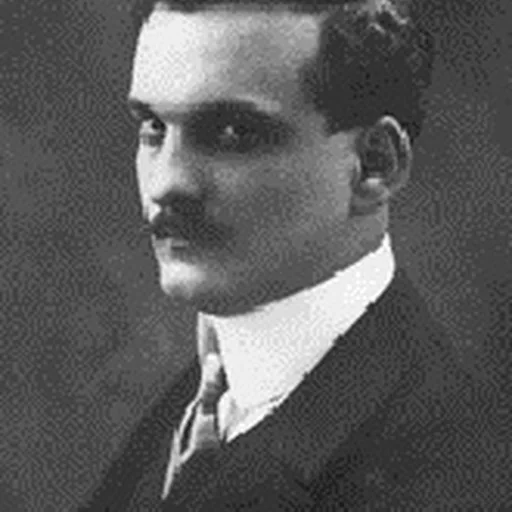
Julio Romero de Torres (9 November 1874 – 10 May 1930) was a Spanish painter. His brothers, Rafael and Enrique, also became painters. He created deeply Spanish art, and came to be influenced by modernism and the…

Museum
National Museum of Fine Arts, Argentina
Continue through works from the same source collection.