Artwork
Girl in the Garden of a Villa
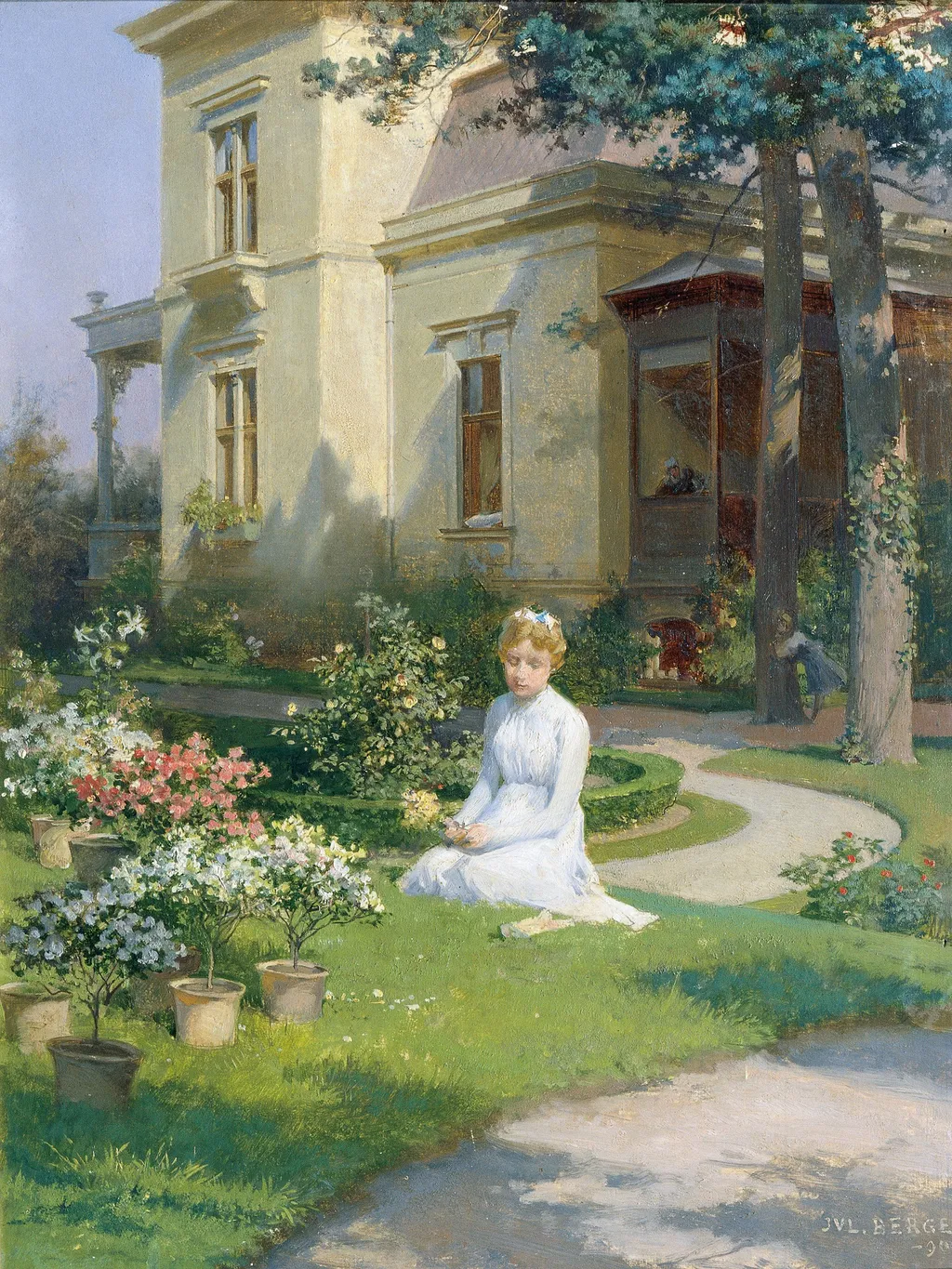
Girl in the Garden of a Villa is an unspecified painting by the Impressionist artist Julius Victor Berger. It dates from 1900 and is held in the collection of the Kunsthistorisches Museum.
About this work
Overview
Though not a radical departure from academic tradition, the painting captures a quiet moment with sensitivity to environment and mood.
Julius Victor Berger, an Austrian artist known for intimate genre scenes, painted *Girl in the Garden of a Villa* in 1900. The work is part of the Kunsthistorisches Museum’s collection and reflects the influence of Impressionism in its attention to natural light and outdoor atmosphere. Though not a radical departure from academic tradition, the painting captures a quiet moment with sensitivity to environment and mood.
Subject & Meaning
A young girl in a simple white dress sits quietly on the grass, hands folded, eyes lowered. She is surrounded by dense foliage and blooming flowers, suggesting a private, secluded space. The absence of narrative action and her introspective posture invite contemplation rather than storytelling. The scene evokes stillness and solitude, emphasizing inner calm over external drama.
Technique & Style
Berger employs loose, textured brushwork to render foliage and light, with soft transitions between colors that suggest dappled sunlight. The palette favors warm pastels—pale pinks, greens, and creams—enhancing the garden’s tranquility. While the background architecture is rendered with slight definition, the foreground dissolves into atmospheric haze, aligning with Impressionist concerns for fleeting light and sensory impression.
History & Provenance
The painting was completed in 1900 and entered the collection of the Kunsthistorisches Museum in Vienna, where it remains today. It was likely acquired during a period when Austrian institutions were expanding their holdings of contemporary domestic scenes. No significant exhibition history or private ownership records are widely documented prior to its museum acquisition.
Context
In early 20th-century Austria, genre painting remained popular among middle-class audiences seeking relatable, serene imagery. Berger’s work reflects this trend, blending academic training with Impressionist techniques to appeal to contemporary tastes. While Parisian Impressionism influenced his approach, his subject matter stays rooted in Central European domestic ideals of quiet leisure and natural harmony.
Legacy
Berger’s painting contributes to a broader Austrian tradition of gentle, lyrical genre scenes that prioritize mood over innovation. Though not widely studied today, it exemplifies how Impressionist methods were adapted outside France to suit local sensibilities. The work endures as a quiet record of early modern life, valued for its understated emotional tone and refined observation of everyday beauty.
Own this work as a print
Artist & collection
Artist
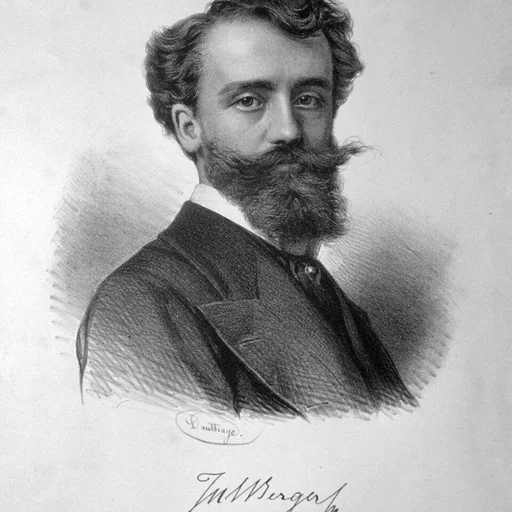
Julius Victor Berger (20 July 1850, Neutitschein, Moravia — 17 November 1902, Vienna) was an Austrian painter who is known primarily for his genre paintings and portraits.

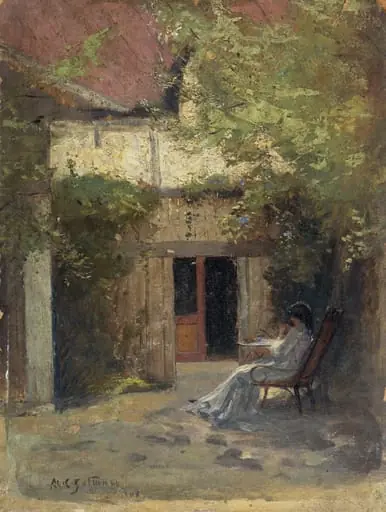 Peisaj (cu figurină)
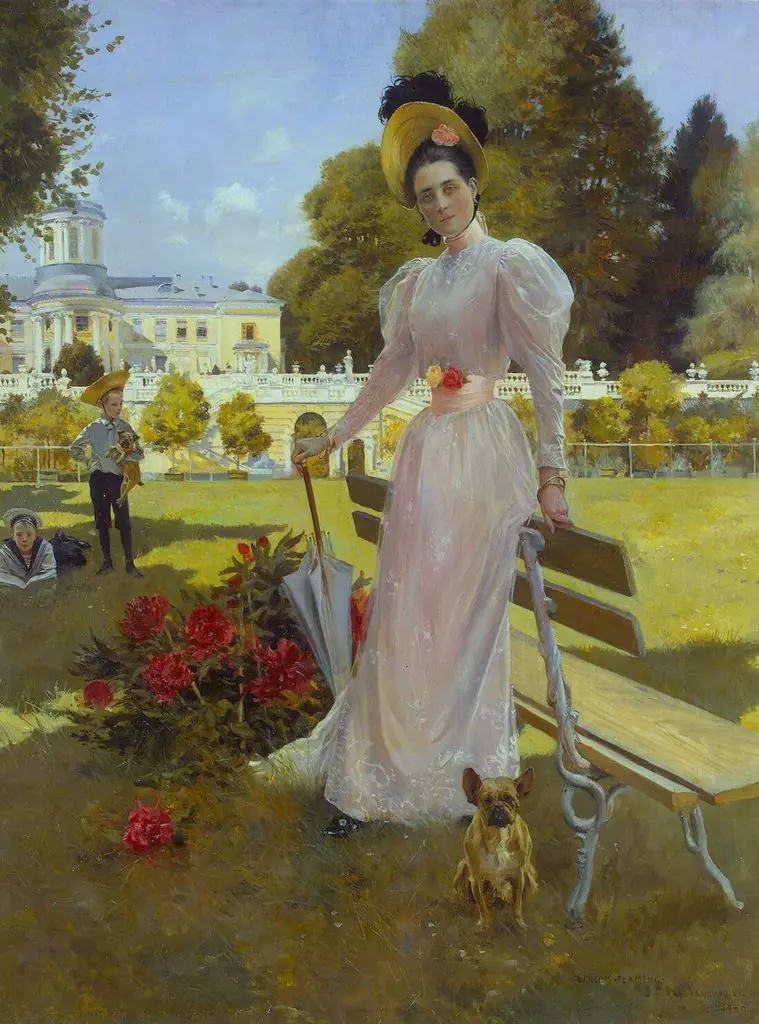 Portrait of Princess Zinaida Yusupova with Two Sons at Arkhangelskoe
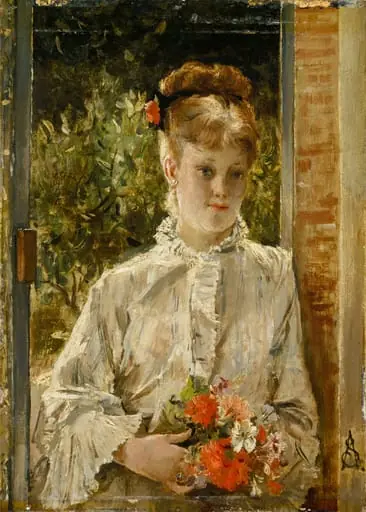 Young Woman in White Holding a Bouquet
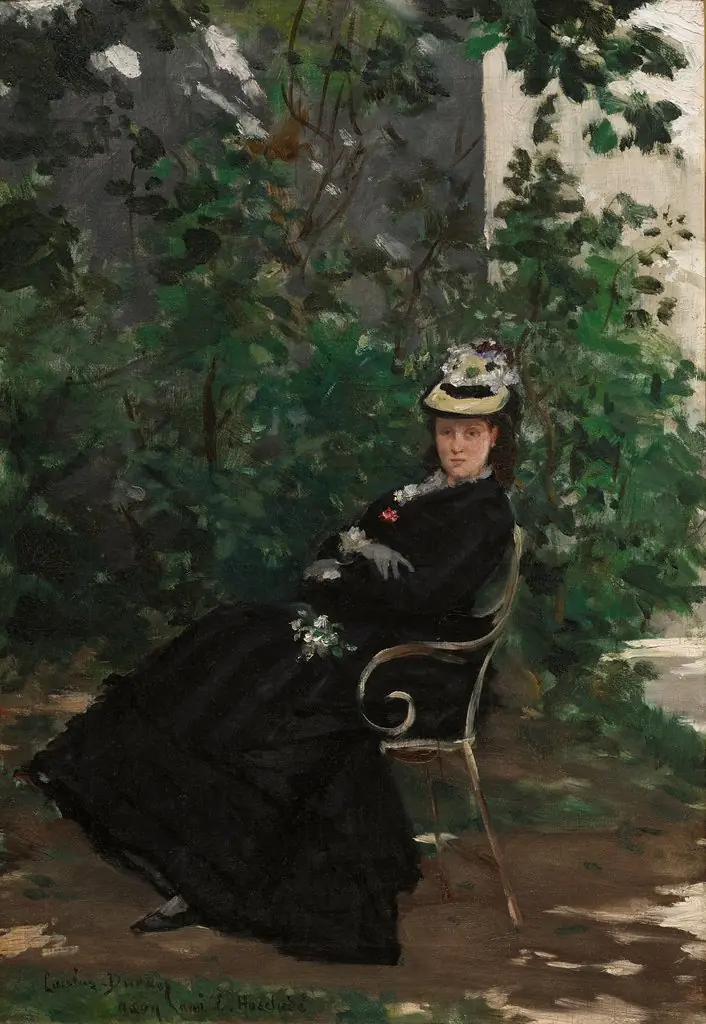 Portrait of Madame Alice Hoschede
 Paisaje con figuras junto a un lago
 A Garden Nook at Bellevue
 In the Woods
 În grădină
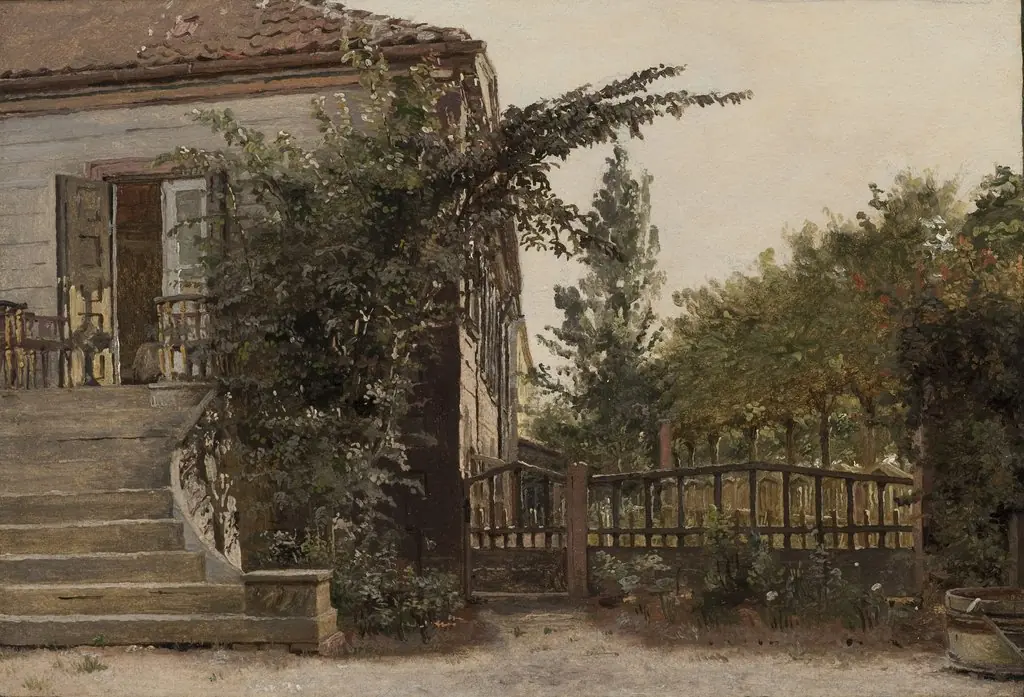 The Garden Steps Leading to the Artist's Studio on Blegdammen
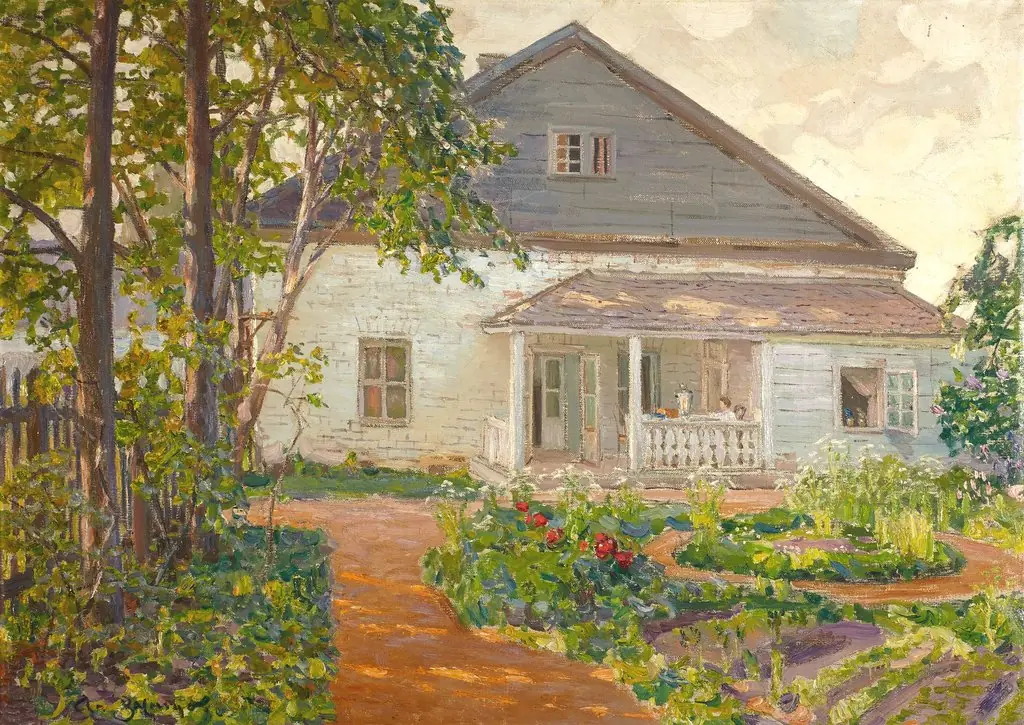 Summerhouse
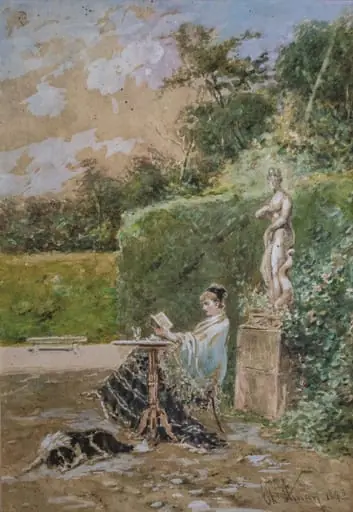 Femeie în grădină
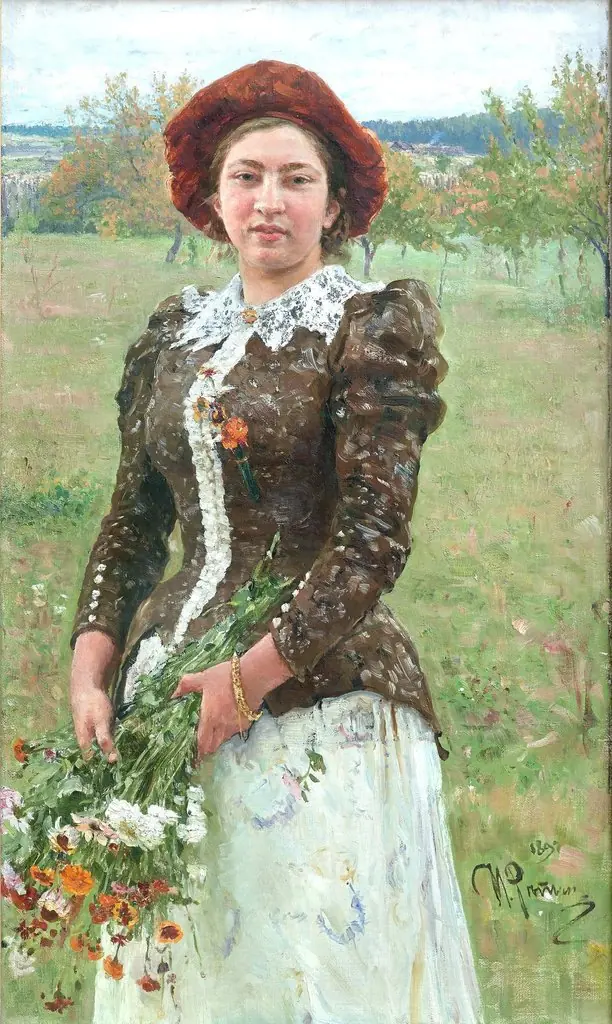 Autumn Bunch