Artwork
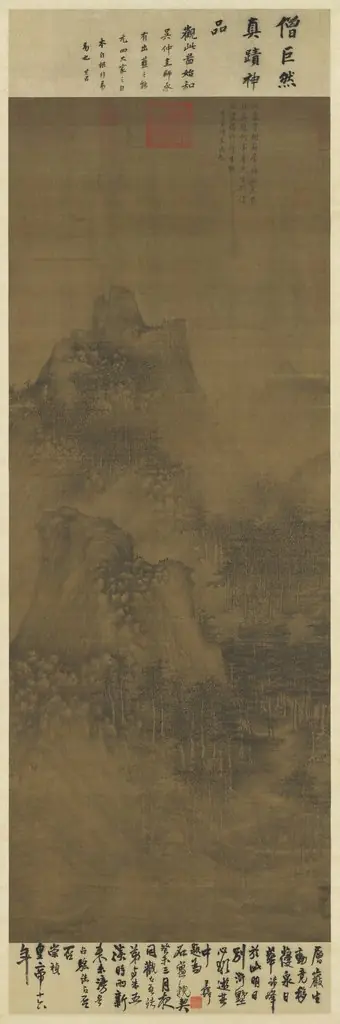
五代南唐巨然蕭翼賺蘭亭圖 軸
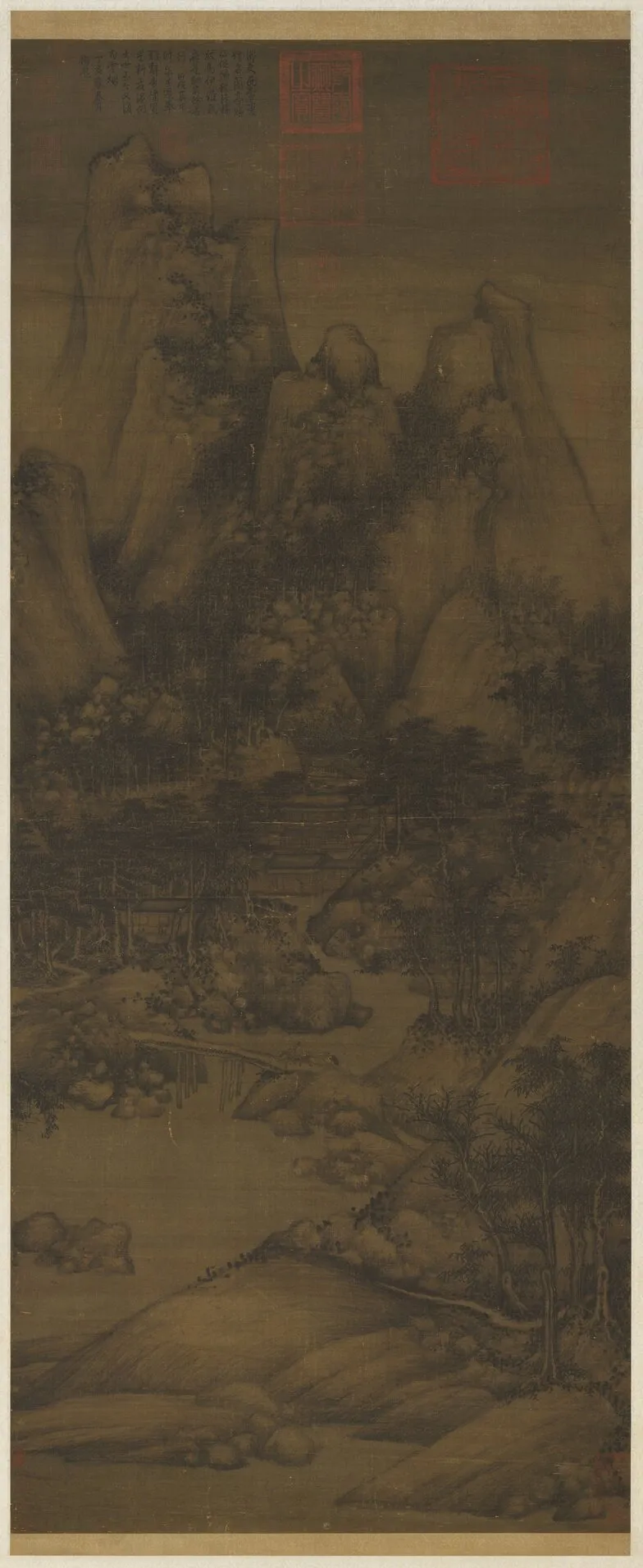
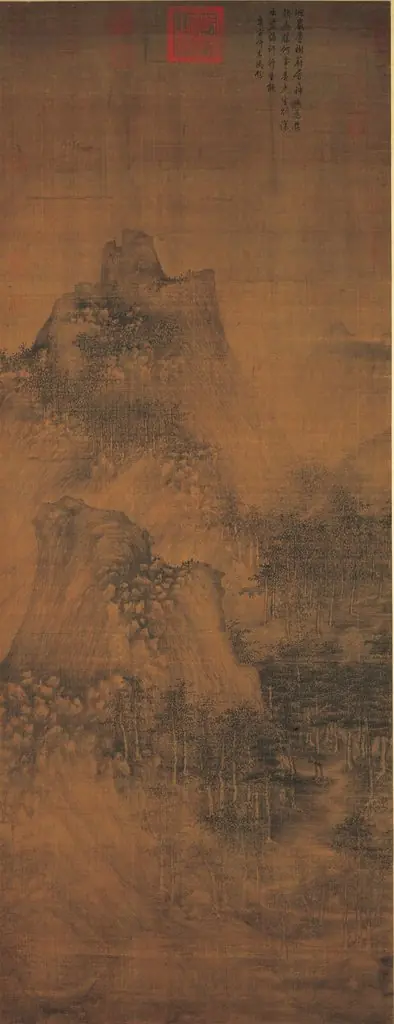
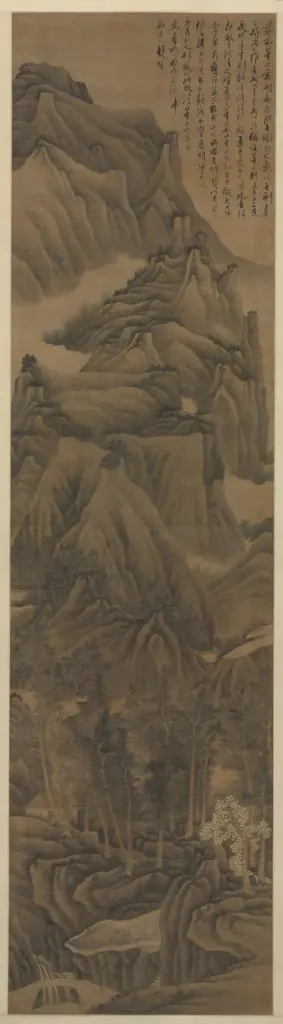
五代南唐巨然蕭翼賺蘭亭圖 軸 is an unspecified painting by Juran. It is held in the collection of the National Palace Museum. The hand‑scroll, executed on silk, presents a quiet mountainous landscape rendered in muted greys and browns.
About this work
Overview
The hand‑scroll, executed on silk, presents a quiet mountainous landscape rendered in muted greys and browns. A scattering of trees and shrubbery occupies the lower register, while the distant peaks recede into atmospheric layers. The composition invites quiet contemplation, guiding the viewer’s gaze from foreground foliage to the mist‑shrouded heights beyond.
Subject & Meaning
The work depicts an idealized natural setting rather than a specific locale, embodying the Chinese tradition of portraying nature as a conduit for scholarly reflection. The tranquil scene, with its balanced arrangement of rock, tree, and sky, suggests a harmonious relationship between humanity and the environment, encouraging meditative engagement.
Technique & Style
Executed with brushwork that modulates tone through subtle gradations, the painting employs chiaroscuro to suggest volume and depth. Layers of ink wash create a sense of atmospheric perspective, while the delicate rendering of foliage adds texture. The overall style aligns with the Southern Tang court’s preference for understated elegance and refined brush control.
History & Provenance
Attributed to the Southern Tang period (937–975 CE), the scroll bears the names of two artists associated with the era, indicating a collaborative or successive hand. It has survived on silk, a medium favored for courtly paintings, and entered the museum collection through a 20th‑century acquisition from a private collector.
Context
During the Five Dynasties and Ten Kingdoms period, landscape painting evolved toward greater abstraction and poetic expression. This piece exemplifies that shift, influencing later Song dynasty masters who further developed the ink‑landscape tradition. Its preservation offers insight into the aesthetic values of Southern Tang aristocracy.
Artist & collection
Artist
This artist painted ink-and-silk landscapes that feel like quiet walks into another time.

 Autumn Mountains
![Summer Mountains (after Dong Yuan [active about ad 937-975]), by Huang Gongwang](https://artifactworldgallery.com/img/huang-gongwang--summer-mountains-after-dong-yuan-active-about-ad-937-975--a5e22b9ec870e011-w320.webp) Summer Mountains (after Dong Yuan [active about ad 937-975])
Summer Mountains (after Dong Yuan [active about ad 937-975])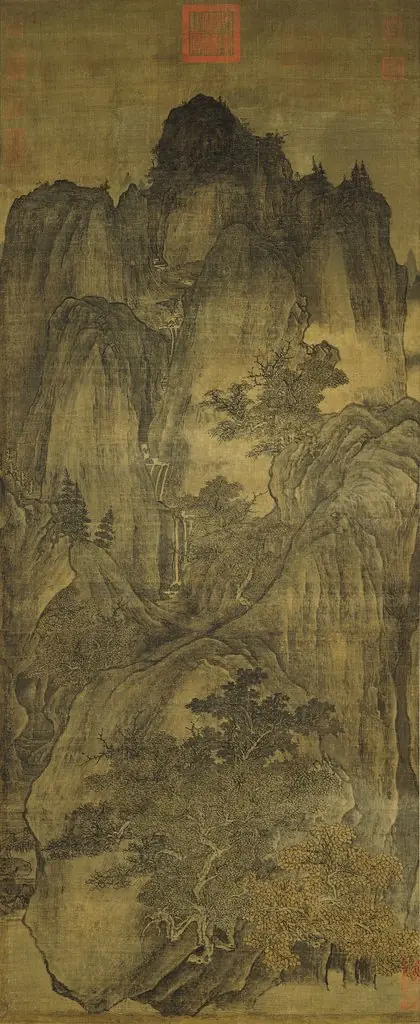 Evening Colors over Autumn Mountains
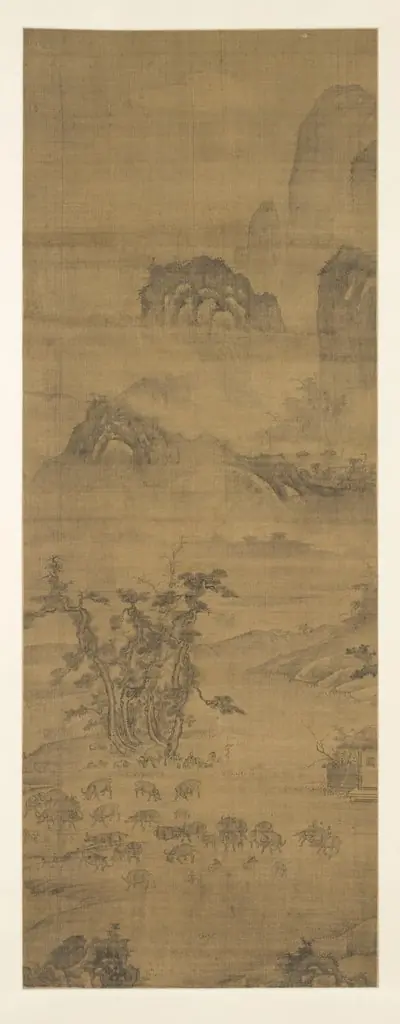 Water Buffaloes in a Mountain Valley
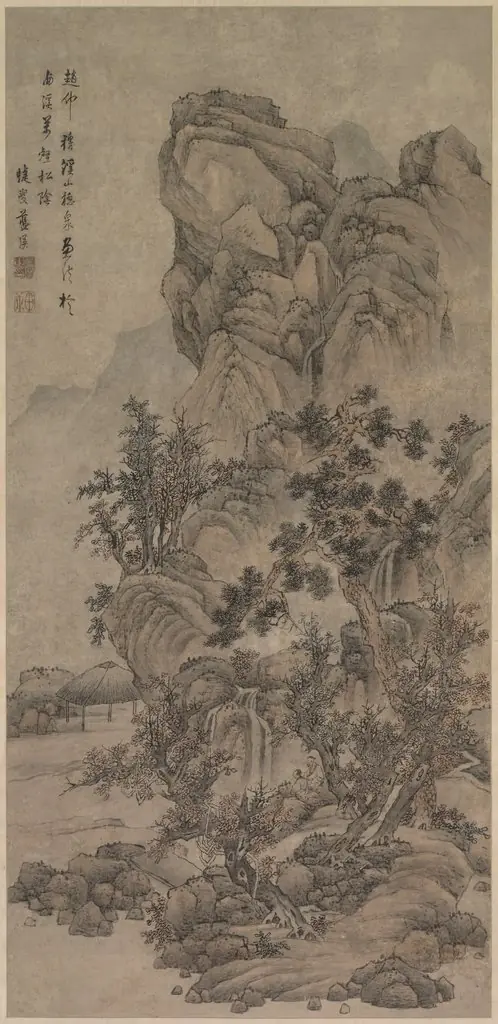 Landscape with Figures
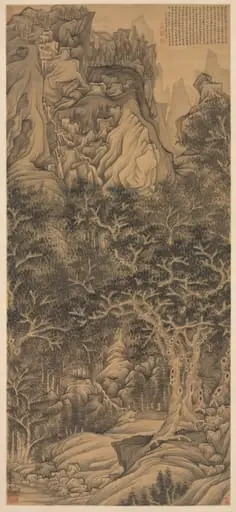 The Mountain of Five Cataracts
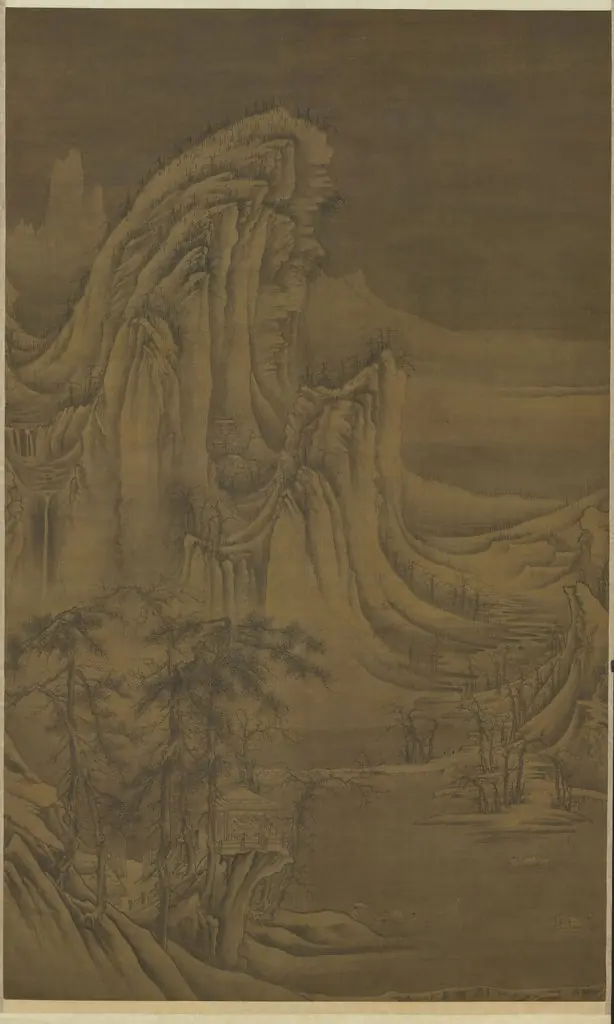 宋許道寧畫雪景 軸
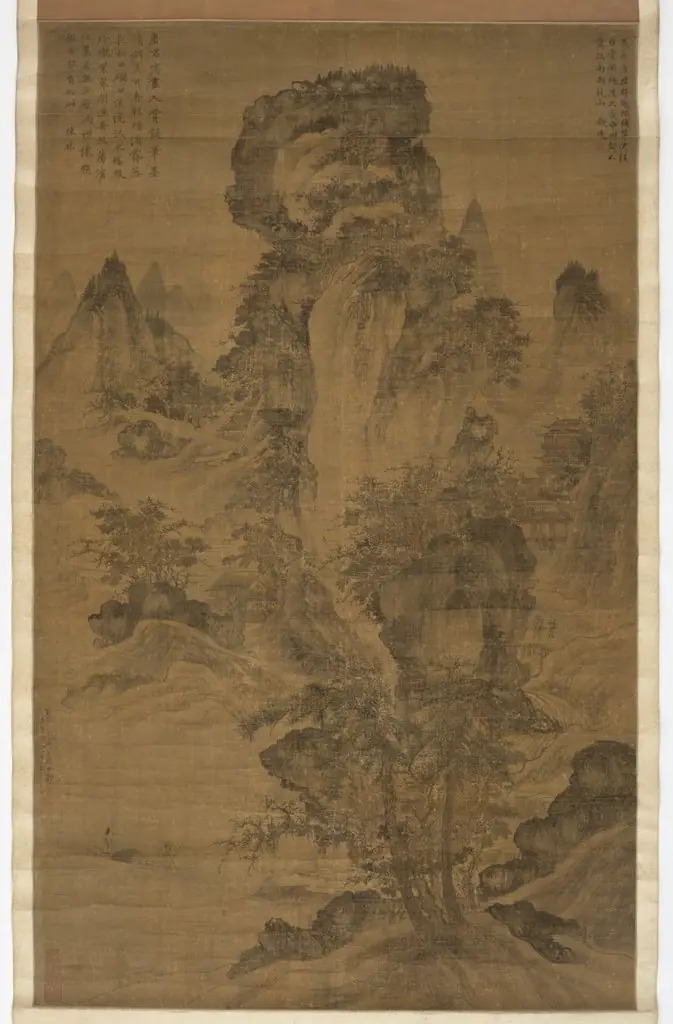 Fishing on an Autumn River
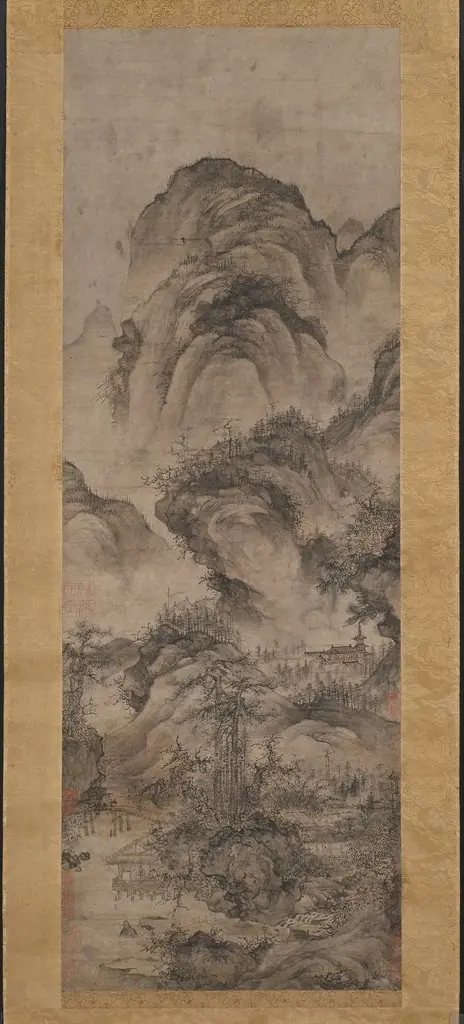 Water Pavilion by Twin Pines
 Mountain Village Embraced by the Summer
 Landscape in the Style of Dong Yuan and Juran