Artwork
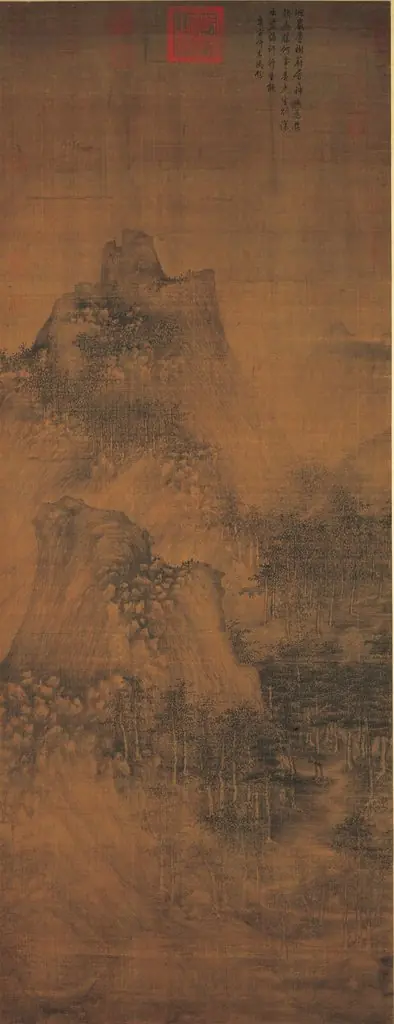
五代南唐巨然層巖叢樹圖 軸
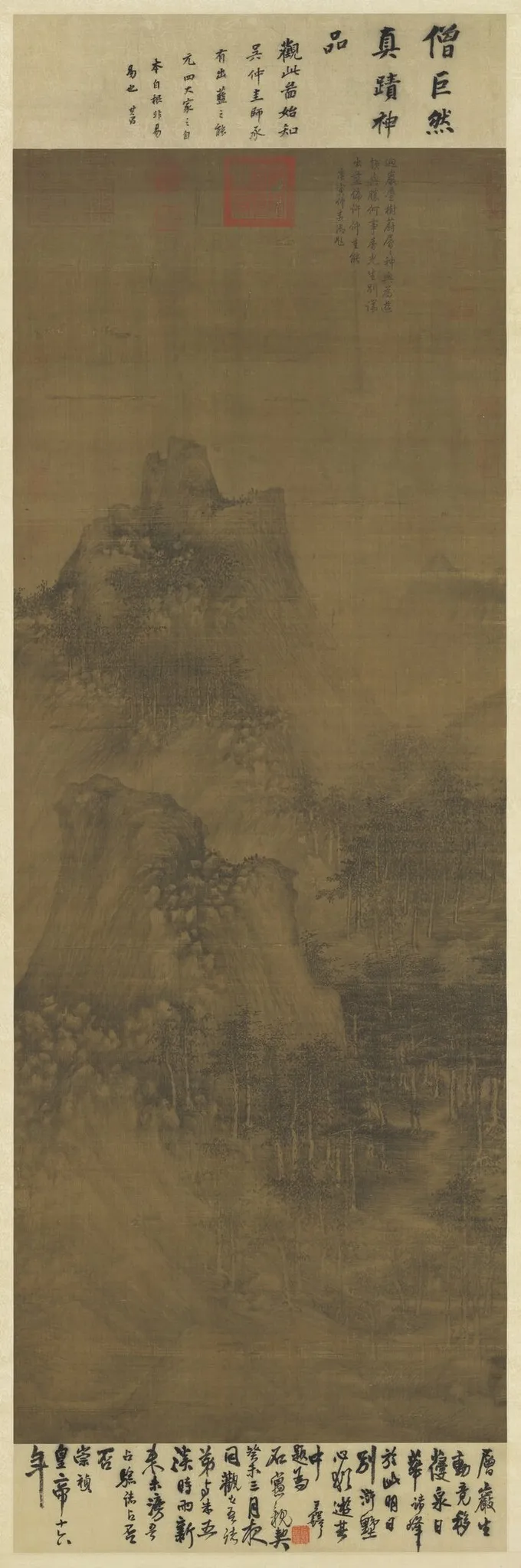
五代南唐巨然層巖叢樹圖 軸 is an unspecified painting by Juran. It is held in the collection of the National Palace Museum. The work is a hand‑scroll painting executed on silk, titled in Chinese as a depiction of layered rocks and clustered trees.
About this work
Overview
The work is a hand‑scroll painting executed on silk, titled in Chinese as a depiction of layered rocks and clustered trees. It is attributed to the painter Ju Ran, who was active during the Southern Tang kingdom of the Five Dynasties period (10th century). The piece exemplifies the literati tradition of landscape painting that flourished in southern China at that time.
Subject & Meaning
The composition presents a mountainous scene where craggy outcrops rise amid dense foliage, suggesting a secluded, idealized retreat. Such natural motifs were often used to convey scholarly detachment from worldly affairs, inviting contemplation of the harmony between humanity and the natural world.
Technique & Style
Rendered on silk with ink and subtle washes, the painting employs delicate brushwork to suggest texture in rock faces and the suggestion of leaves. The use of layered planes creates depth, while the restrained palette reflects the monochrome aesthetic favored by Southern Tang artists.
History & Provenance
The scroll originates from the Southern Tang court, a cultural hub that patronised painters like Ju Ran. It later entered private collections before being acquired by a museum, where it remains a representative example of early Chinese landscape on silk.
Context
During the Five Dynasties era, southern kingdoms cultivated a distinct artistic identity, emphasizing poetic expression over realistic detail. Ju Ran’s work aligns with this trend, illustrating the shift toward atmospheric rendering that would influence later Song dynasty landscape painting.
Artist & collection
Artist
This artist painted ink-and-silk landscapes that feel like quiet walks into another time.

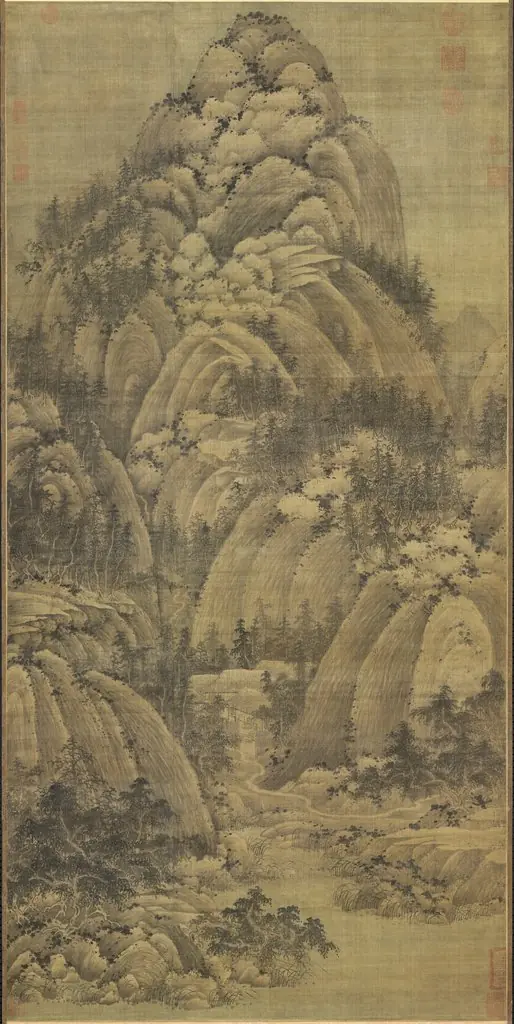
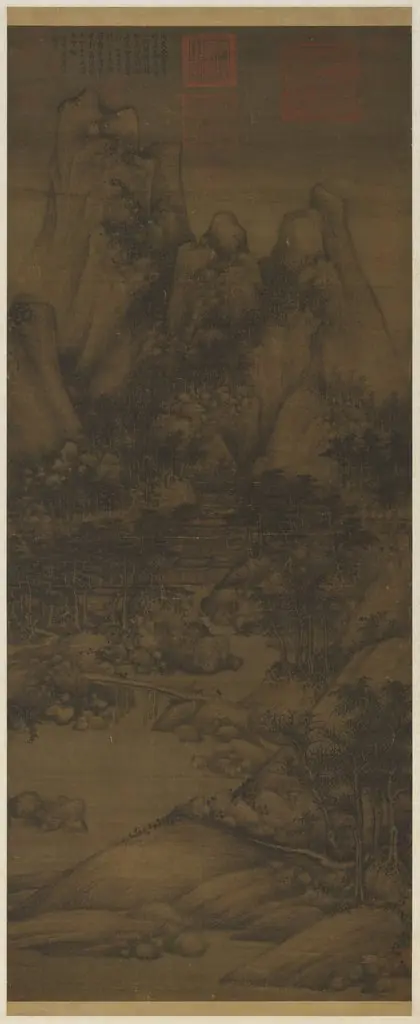
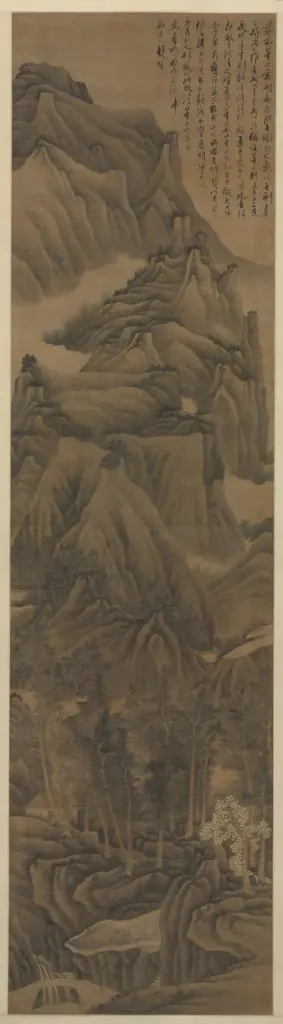 Landscape in the Style of Dong Yuan and Juran
![Summer Mountains (after Dong Yuan [active c. 937–75]), by Huang Gongwang](https://artifactworldgallery.com/img/huang-gongwang--summer-mountains-after-dong-yuan-active-c-937-75--8aeb132308294f1a-w320.webp) Summer Mountains (after Dong Yuan [active c. 937–75])
Summer Mountains (after Dong Yuan [active c. 937–75])![Summer Mountains (after Dong Yuan [active about ad 937-975]), by Huang Gongwang](https://artifactworldgallery.com/img/huang-gongwang--summer-mountains-after-dong-yuan-active-about-ad-937-975--a5e22b9ec870e011-w320.webp) Summer Mountains (after Dong Yuan [active about ad 937-975])
Summer Mountains (after Dong Yuan [active about ad 937-975])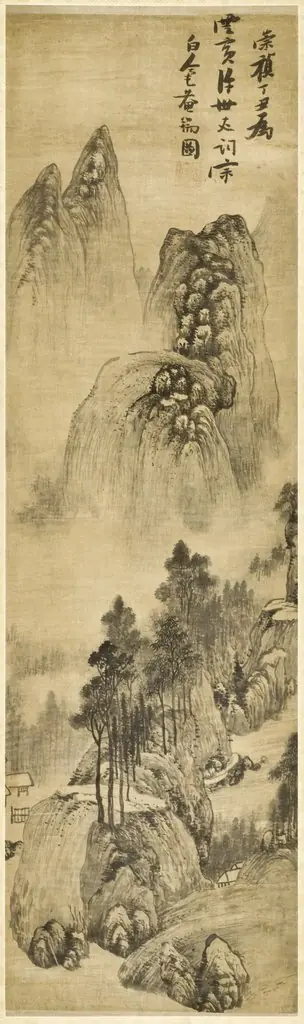 Landscape
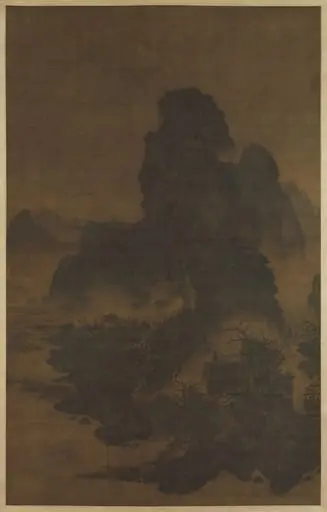 北宋 佚名 倣范寬山水圖 軸|Landscape in the style of Fan Kuan
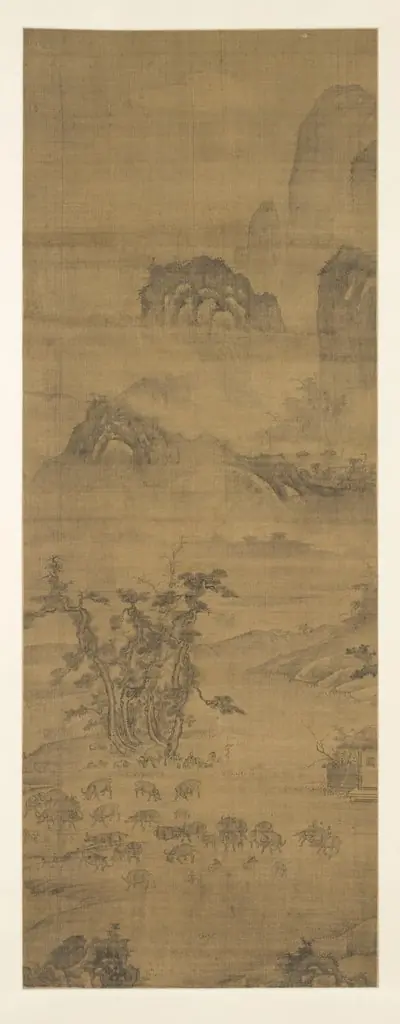 Water Buffaloes in a Mountain Valley
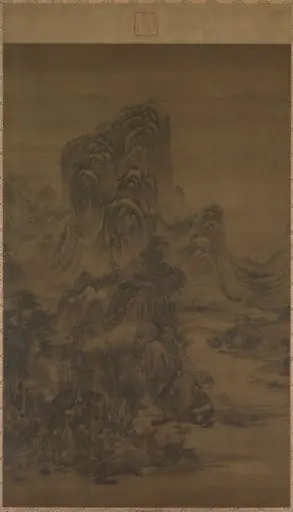 Landscape in the Style of Juran
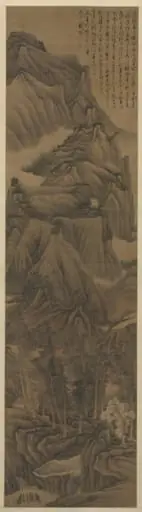 Landscape in the Style of Dong Yuan and Juran
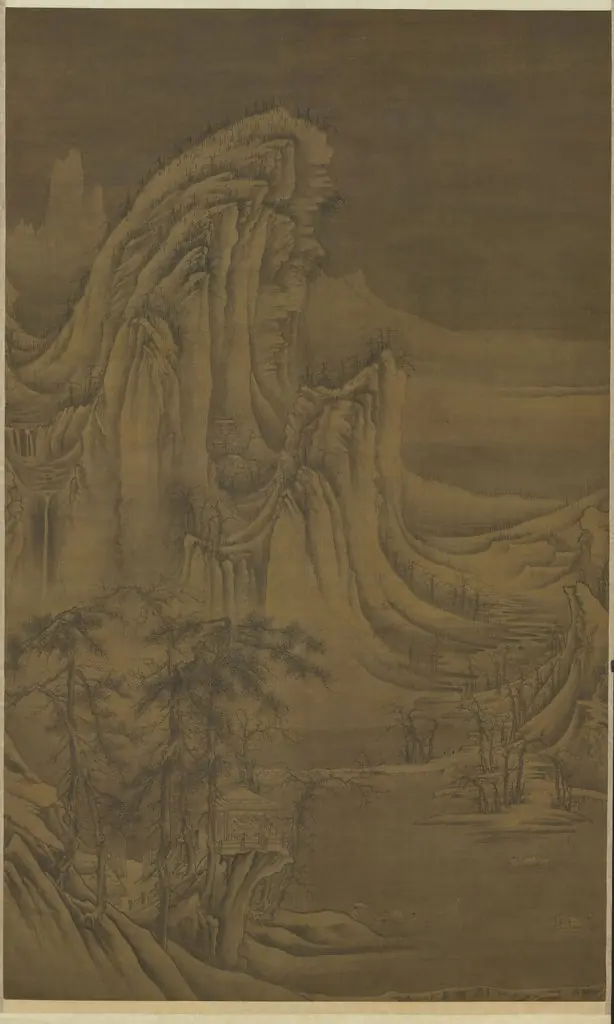 宋許道寧畫雪景 軸
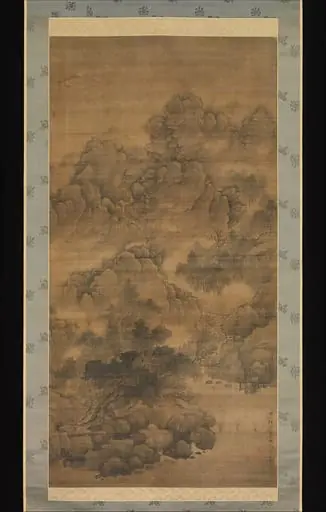 清 法若真 雲山圖軸|Cloudy Mountains