Artwork
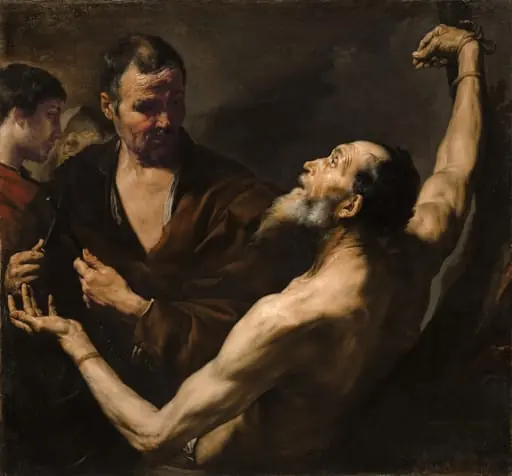
Martyrdom of Saint Bartholomew
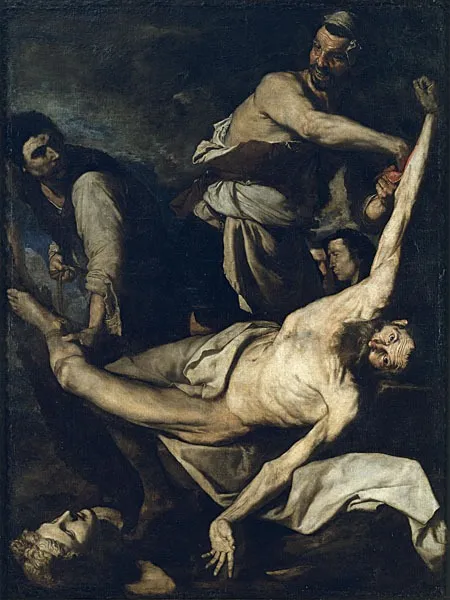
Martyrdom of Saint Bartholomew is an oil painting by the Early Baroque Italian artist Jusepe de Ribera. It dates from 1644 and is held in the collection of the Museu Nacional d'Art de Catalunya.
About this work
Overview
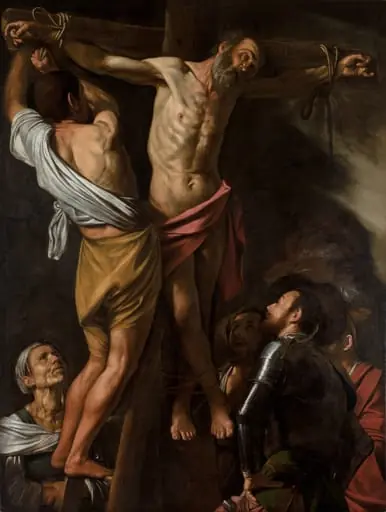
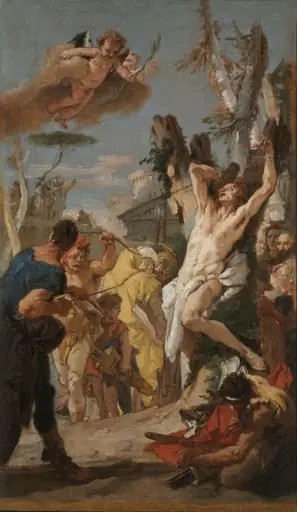
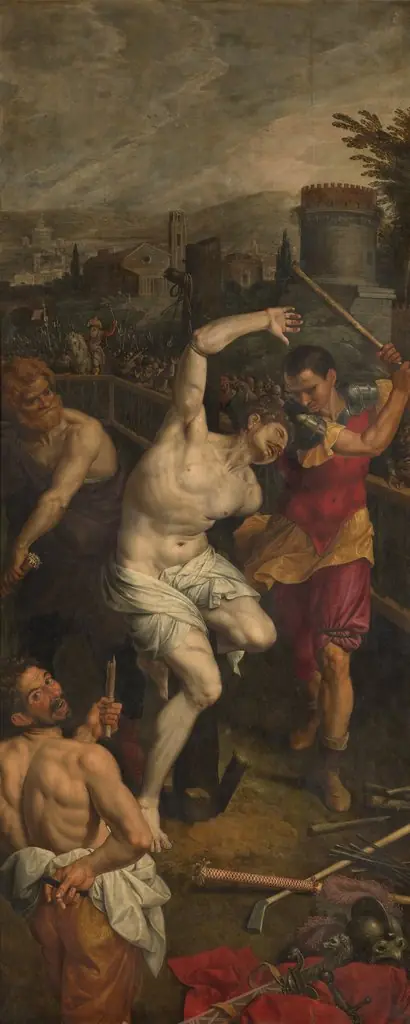
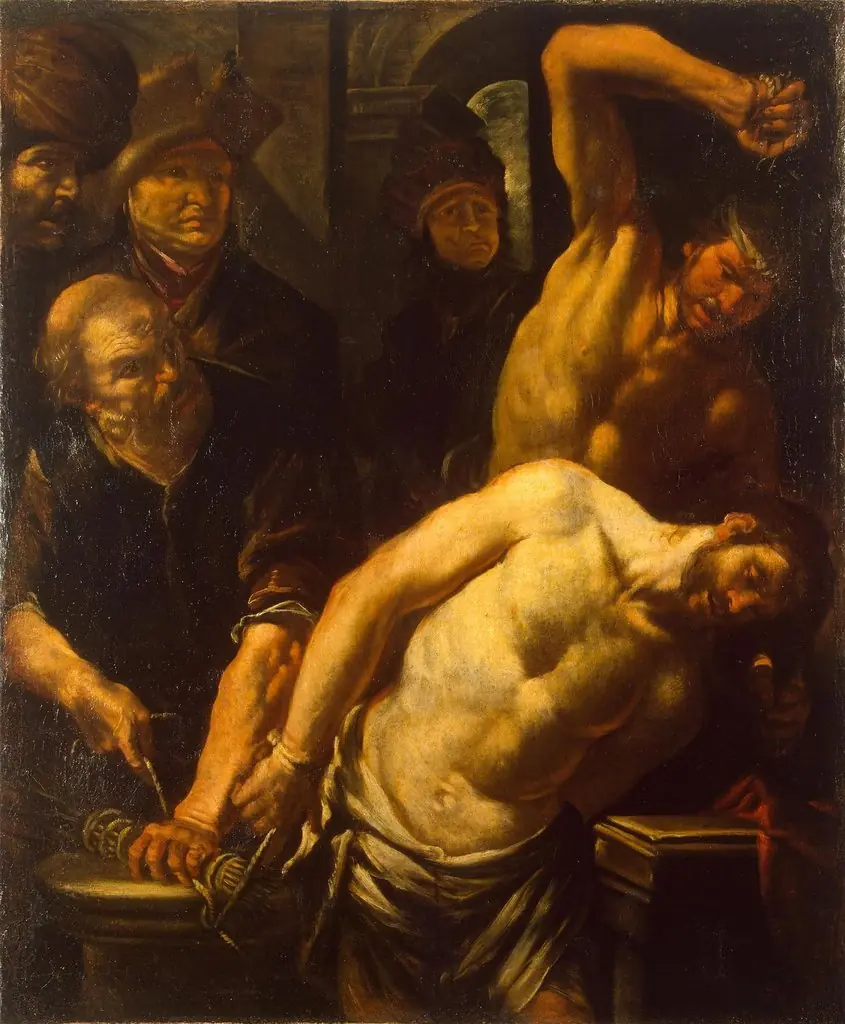
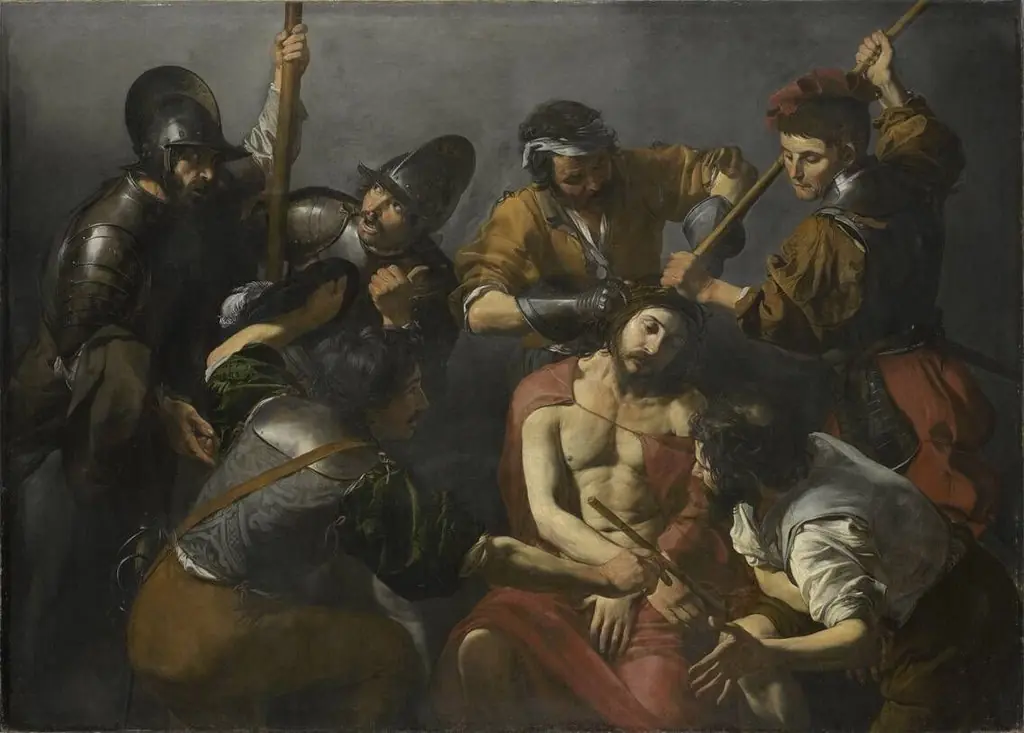
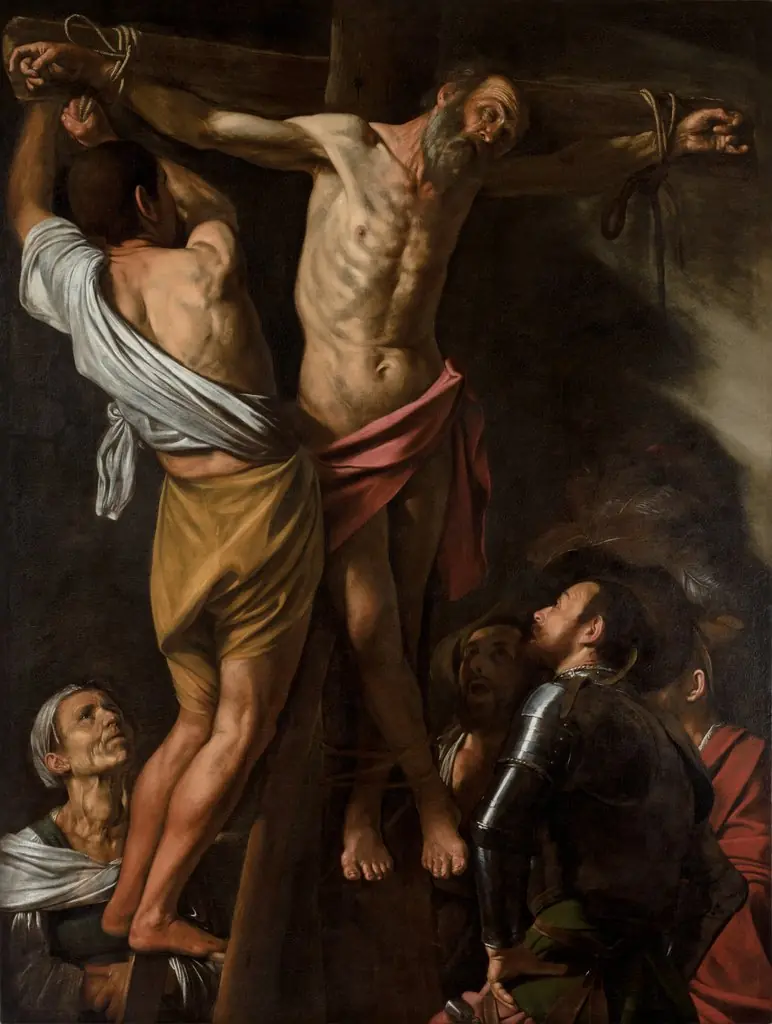
Jusepe de Ribera’s 1644 oil painting *Martyrdom of Saint Bartholomew* presents a graphic depiction of the apostle’s execution. Executed in Naples, the work belongs to the early Italian Baroque and is now part of the collection of the Museu Nacional d’Art de Catalunya.
Subject & Meaning
The composition centers on the wounded Saint Bartholomew, whose flesh is partially stripped away, his expression contorted in agony. A figure behind him brandishes a knife, while a second onlooker turns away, emphasizing the brutal reality of the martyr’s suffering and the theological theme of sacrifice.
Technique & Style
Ribera employs a stark chiaroscuro, contrasting deep shadows with illuminated flesh to give the scene a three‑dimensional, tactile quality. The skin is rendered with a coarse, almost gritty texture, while the surrounding objects—a broken column and a discarded helmet—are modeled in the same dramatic light, heightening the visceral impact.
History & Provenance
A leading figure of Spanish Baroque painting, Ribera worked primarily in Naples and is often mentioned alongside contemporaries such as Velázquez and Zurbarán. After remaining in private hands for centuries, the painting entered the Museu Nacional d’Art de Catalunya, where it is displayed as part of the museum’s Baroque holdings.
Artist & collection
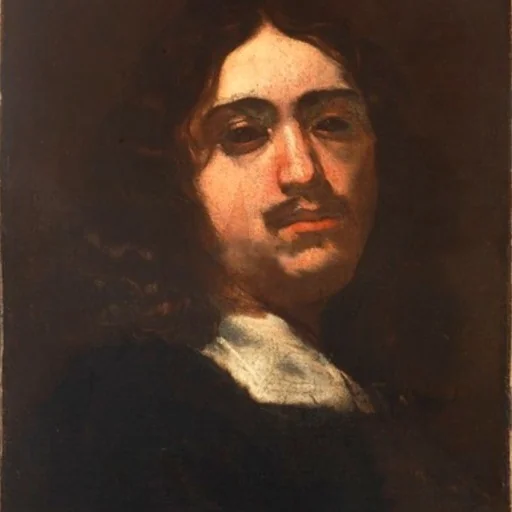
Artist
Jusepe de Ribera (Valencian: ; baptised 17 February 1591 – 3 November 1652) was a Spanish painter and printmaker.