Artwork
Saint Paul the Hermit
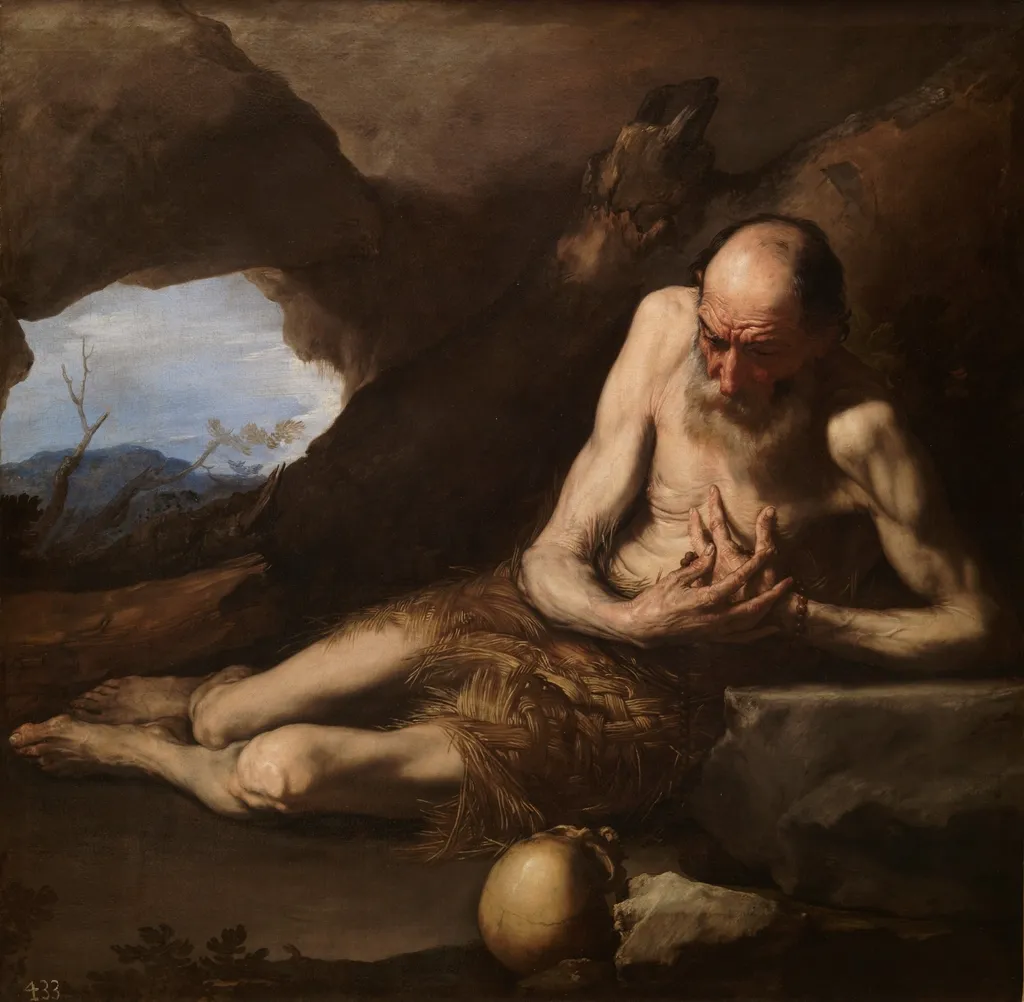
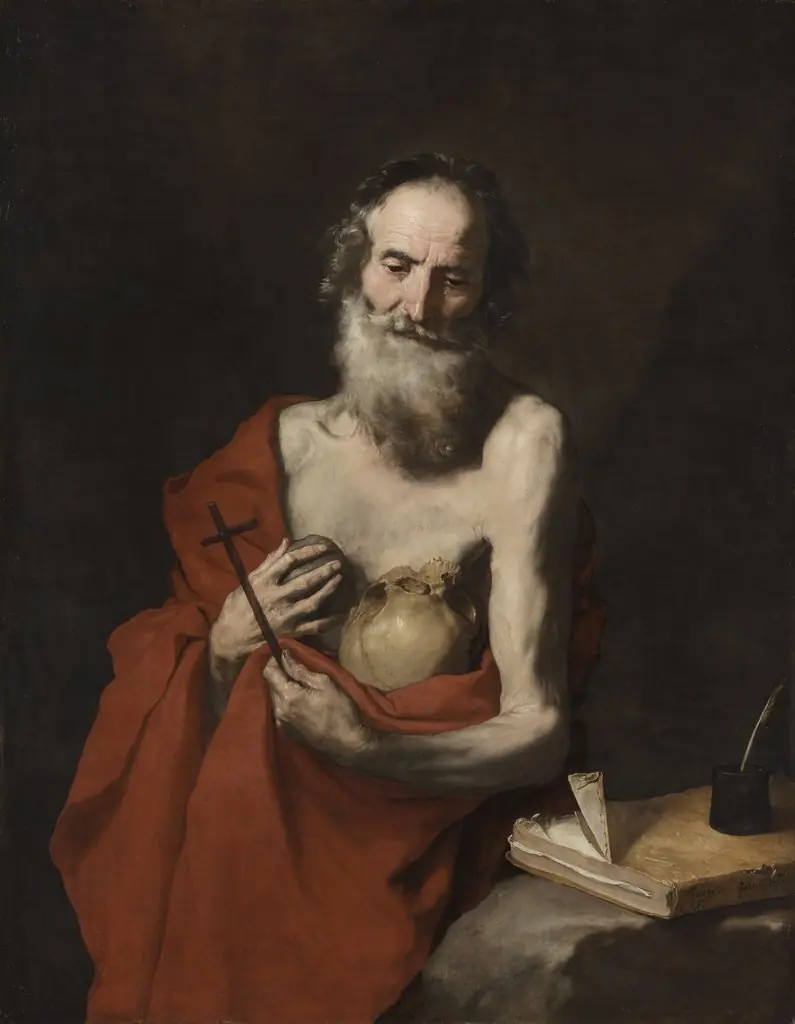
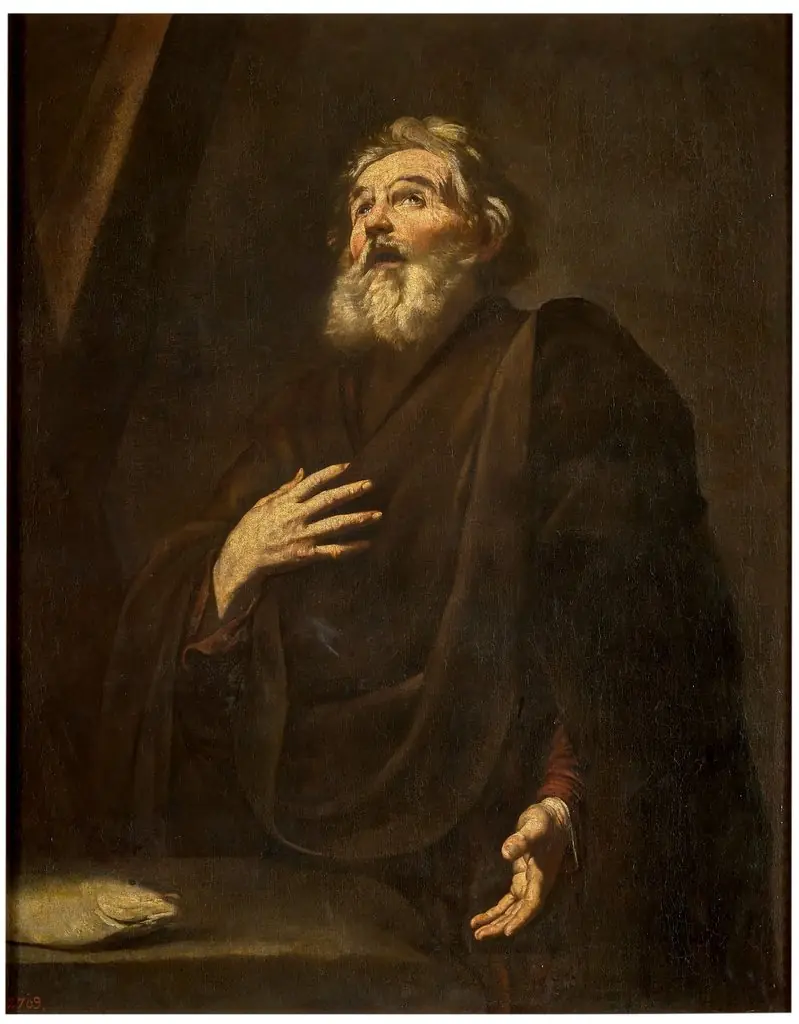
Saint Paul the Hermit is an oil painting by the Early Baroque Italian artist Jusepe de Ribera. It dates from 1640 and is held in the collection of the Museo del Prado.
About this work
Overview
Jusepe de Ribera’s oil painting *Saint Paul the Hermit*, executed in 1640, portrays the early Christian ascetic Paul of Thebes in a solitary cave setting. The work is part of the Prado Museum’s collection in Madrid and exemplifies the artist’s mature Baroque style, marked by stark contrasts of light and darkness.
Subject & Meaning
The composition centers on the hermit, seated on a rocky floor, his head inclined and eyes closed in contemplation. He clutches a rosary and rests a skull at his feet, symbols of penitence and the transience of life, underscoring the saint’s devotion to renunciation and prayer.
Technique & Style
Ribera employs pronounced chiaroscuro, allowing a narrow beam of light to illuminate the saint’s gaunt, wrinkled form against the enveloping gloom of the cavern. The texture of the straw‑like loincloth and the subtle modeling of flesh enhance the tactile realism characteristic of the early Italian Baroque.
History & Provenance
Created while Ribera was active in Naples, the painting entered the Spanish royal collection and later was transferred to the Museo del Prado, where it remains on display. Its provenance reflects the artist’s reputation across the Iberian Peninsula during the 17th century.
Context
Ribera’s depiction aligns with contemporary Counter‑Reformation interests in models of austere holiness. By presenting Saint Paul of Thebes in a stark, meditative pose, the work reinforces the era’s emphasis on personal piety and the virtues of solitary devotion.
Own this work as a print
Artist & collection
Artist
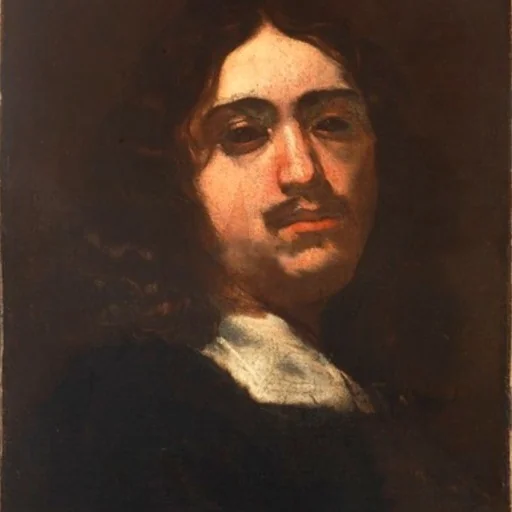
Jusepe de Ribera (Valencian: ; baptised 17 February 1591 – 3 November 1652) was a Spanish painter and printmaker.