Artwork
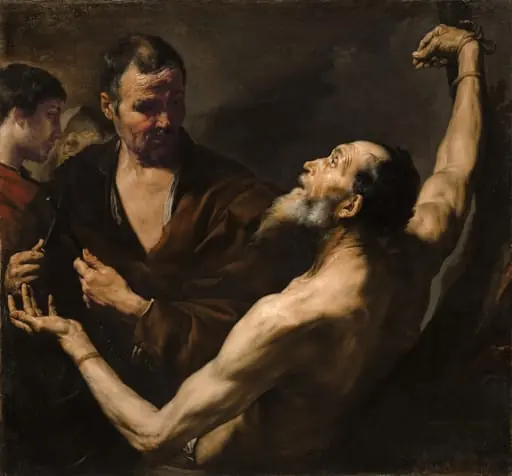
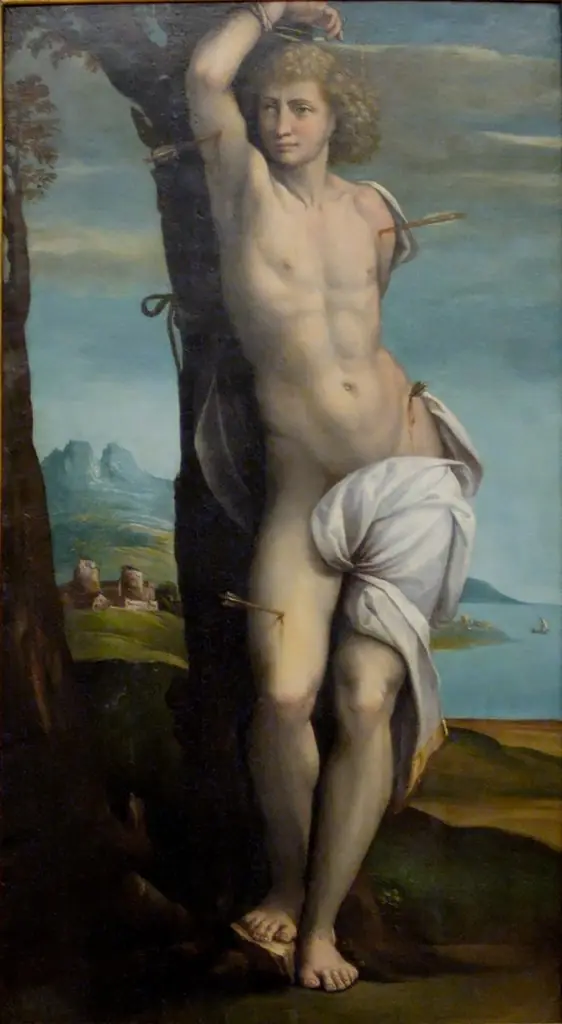
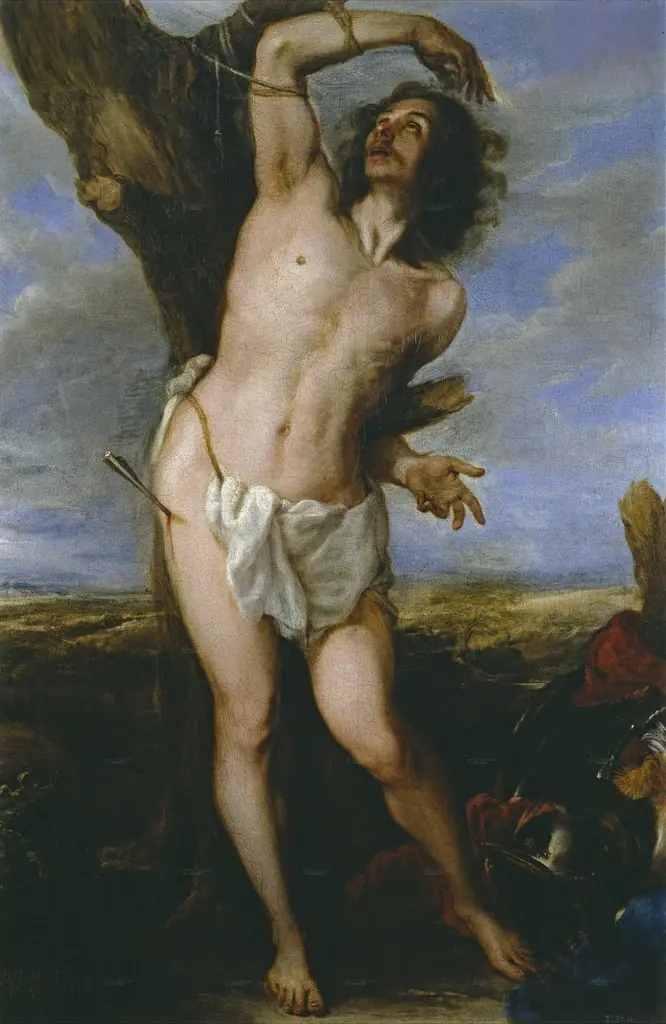
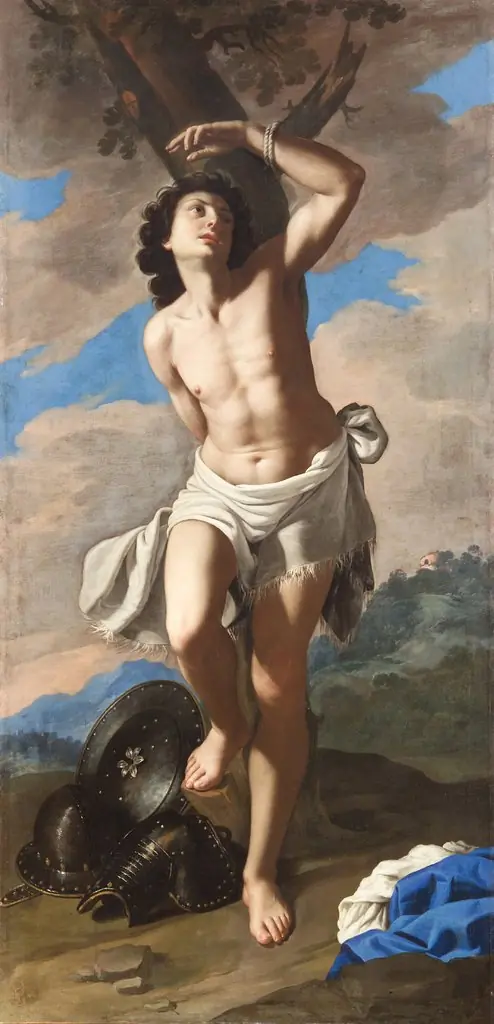
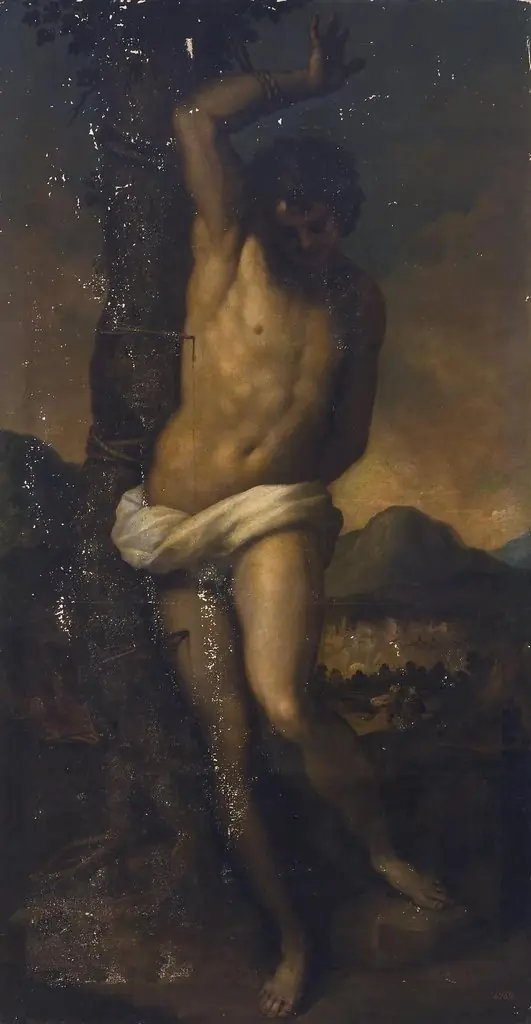
The Martyrdom of Saint Sebastian
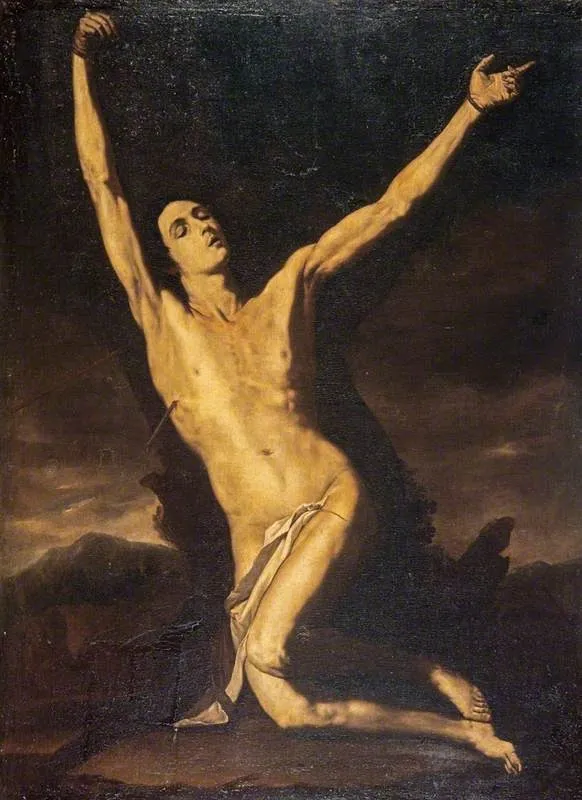
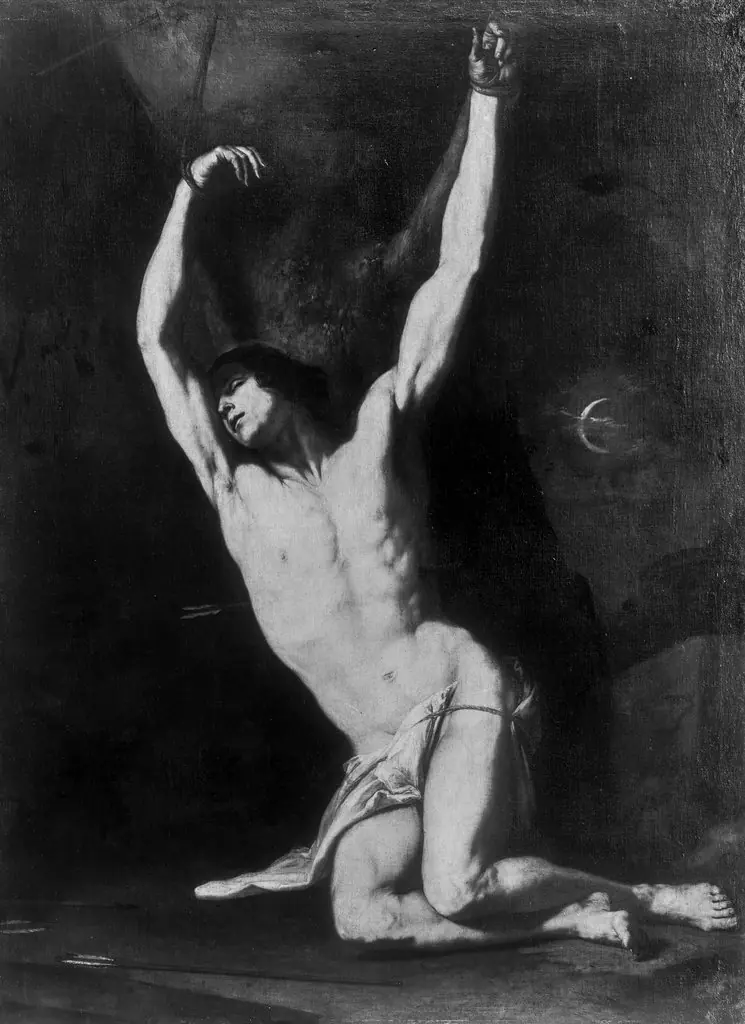
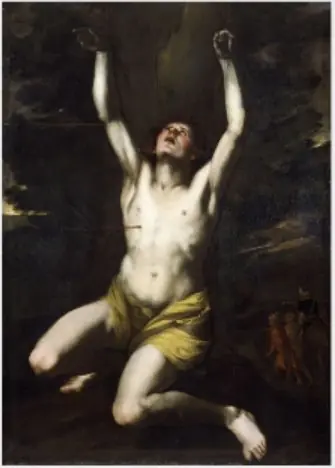
The Martyrdom of Saint Sebastian is an oil painting by the Early Baroque Italian artist Jusepe de Ribera. It is held in the collection of the National Galleries Scotland.
About this work
Overview
Ribera, a Spanish artist who spent most of his career in Naples, was known for his unflinching depiction of physical suffering and spiritual intensity.
Painted in 1700 by Jusepe de Ribera, this oil-on-canvas work portrays the final moments of Saint Sebastian’s persecution. Ribera, a Spanish artist who spent most of his career in Naples, was known for his unflinching depiction of physical suffering and spiritual intensity. The painting belongs to the broader Baroque tradition in southern Italy, where religious themes were rendered with visceral immediacy. It is now part of the Scottish National Gallery’s permanent collection.
Subject & Meaning
The scene captures Saint Sebastian, a Christian martyr traditionally bound to a tree and shot with arrows. Here, he kneels in a moment of suspended agony, his body twisted in a posture that blends torment with transcendence. His expression suggests not only physical pain but also inner surrender, aligning with Counter-Reformation ideals that emphasized the saint’s endurance as a testament to faith. The absence of arrows shifts focus to the emotional and spiritual weight of his sacrifice.
Technique & Style
Ribera employs strong chiaroscuro to model the figure’s musculature and convey depth, with light falling sharply across the torso and limbs while the surrounding space recedes into near-black shadow. The brushwork is precise yet unpolished, emphasizing texture in skin and rope. The composition isolates the saint against a barren, distant landscape, heightening the sense of isolation. This restrained background directs attention entirely to the body’s emotional and physical presence.
History & Provenance
Created late in Ribera’s life, the painting reflects his mature style, refined through decades of working in Naples under Spanish rule. It entered the Scottish National Gallery’s collection in the 19th century, likely acquired through private dealers or collectors who valued Caravaggisti works. Its attribution has remained consistent, with no evidence of significant alteration or reworking after its completion.
Context
In early 18th-century Naples, religious imagery served both devotional and didactic purposes, especially under the influence of the Catholic Church’s emphasis on martyrdom. Ribera’s approach aligned with local tastes for emotionally charged, anatomically detailed scenes, influenced by Caravaggio’s naturalism. While Spanish painters like Velázquez pursued courtly elegance, Ribera and his followers favored raw, earthbound realism rooted in the lived experience of suffering.
Legacy
This painting exemplifies Ribera’s enduring impact on southern Italian Baroque art, particularly in the portrayal of the human form under duress. Though less celebrated than his earlier works, it remains a key example of how Spanish-trained artists adapted Caravaggio’s innovations to local devotional needs. Its presence in a major British collection underscores its recognition beyond Italy, as part of a broader European engagement with Baroque religious drama.
Artist & collection
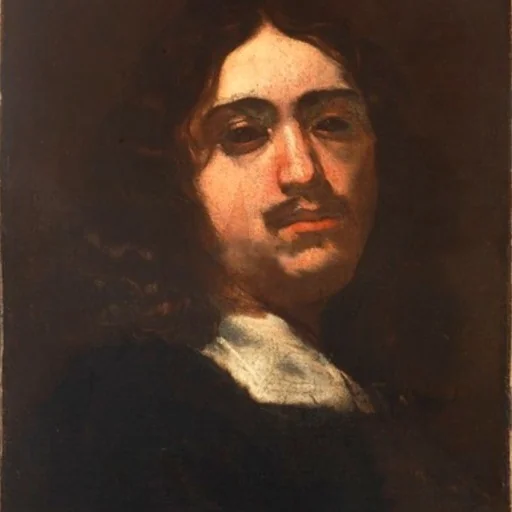
Artist
Jusepe de Ribera (Valencian: ; baptised 17 February 1591 – 3 November 1652) was a Spanish painter and printmaker.