Artwork
Vision of Saint Francis of Assisi
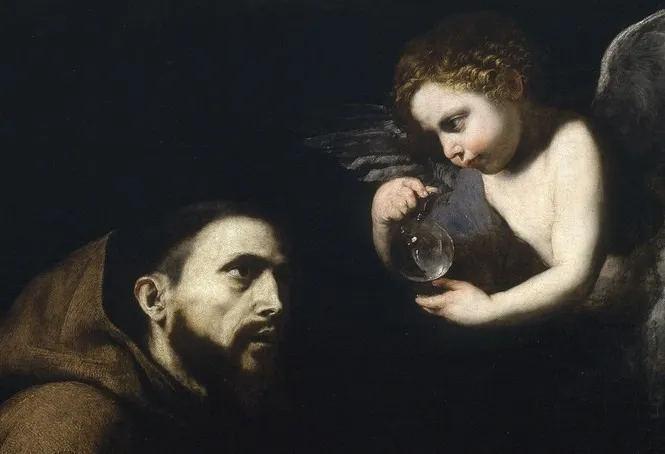
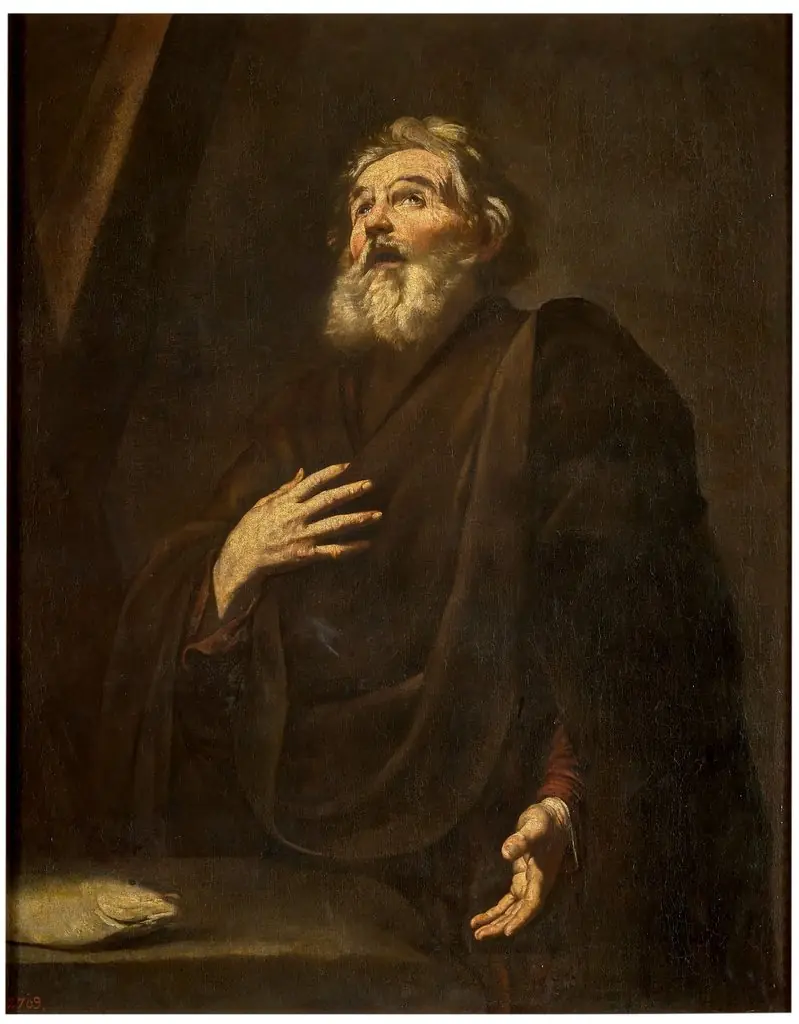
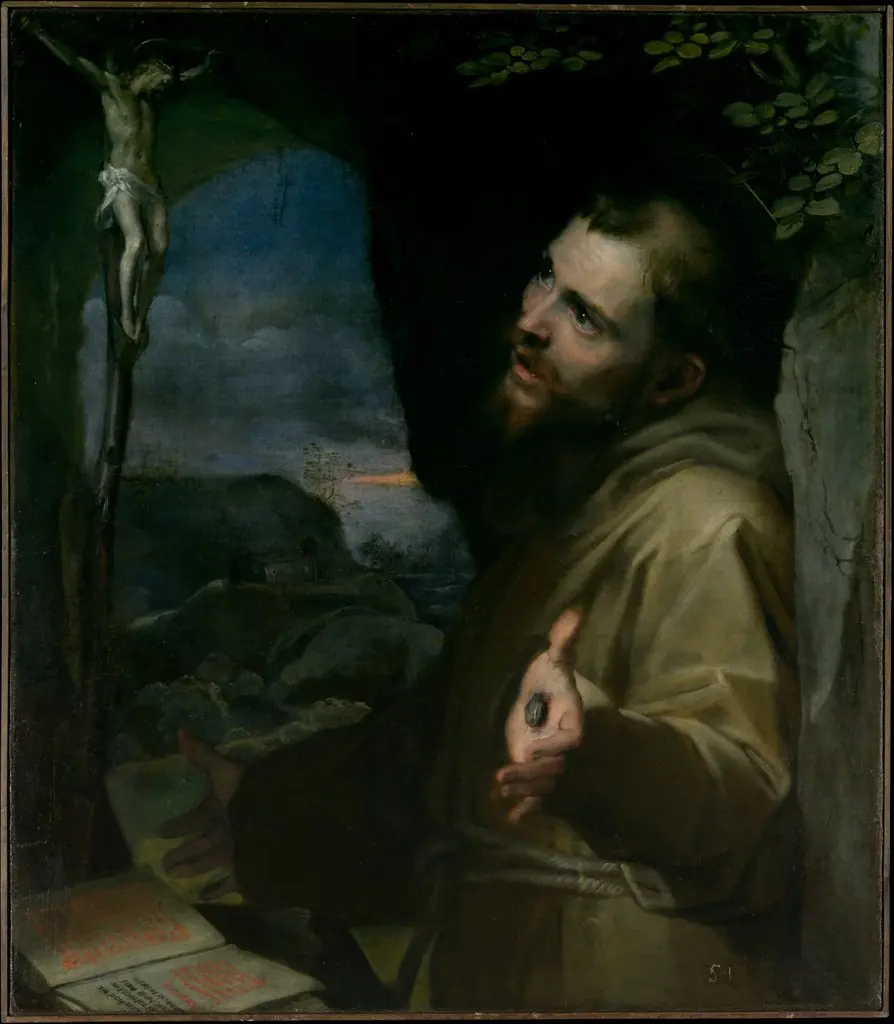
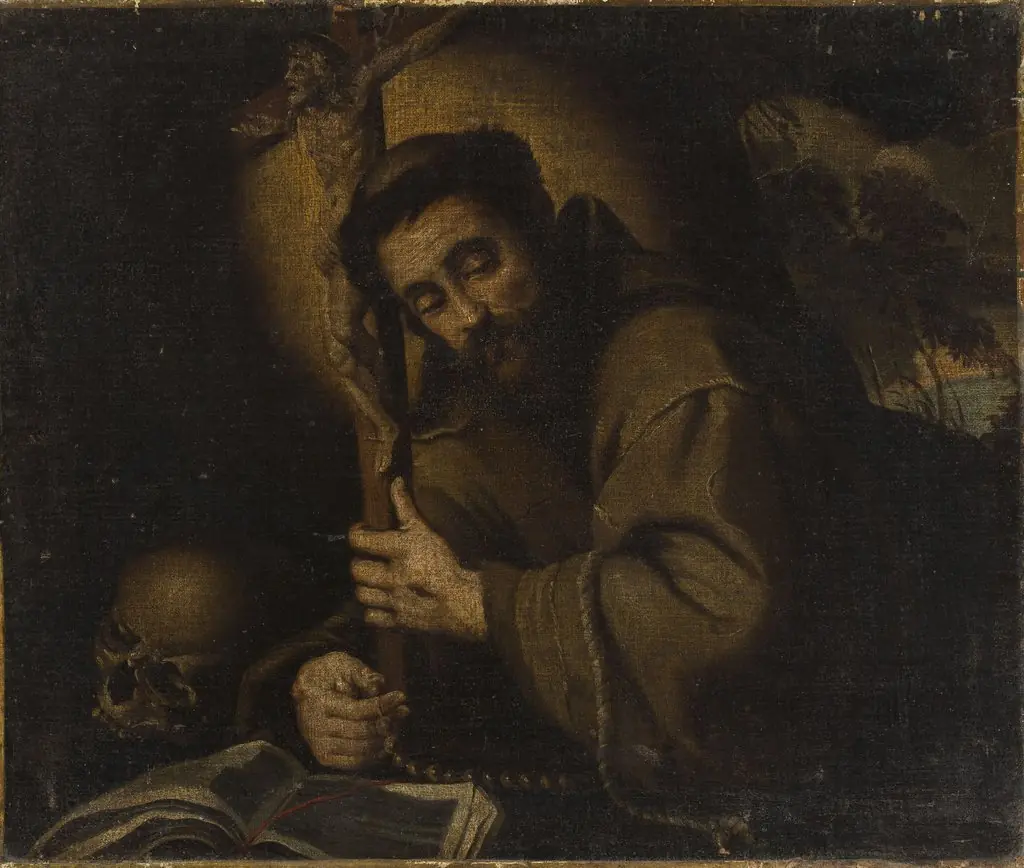
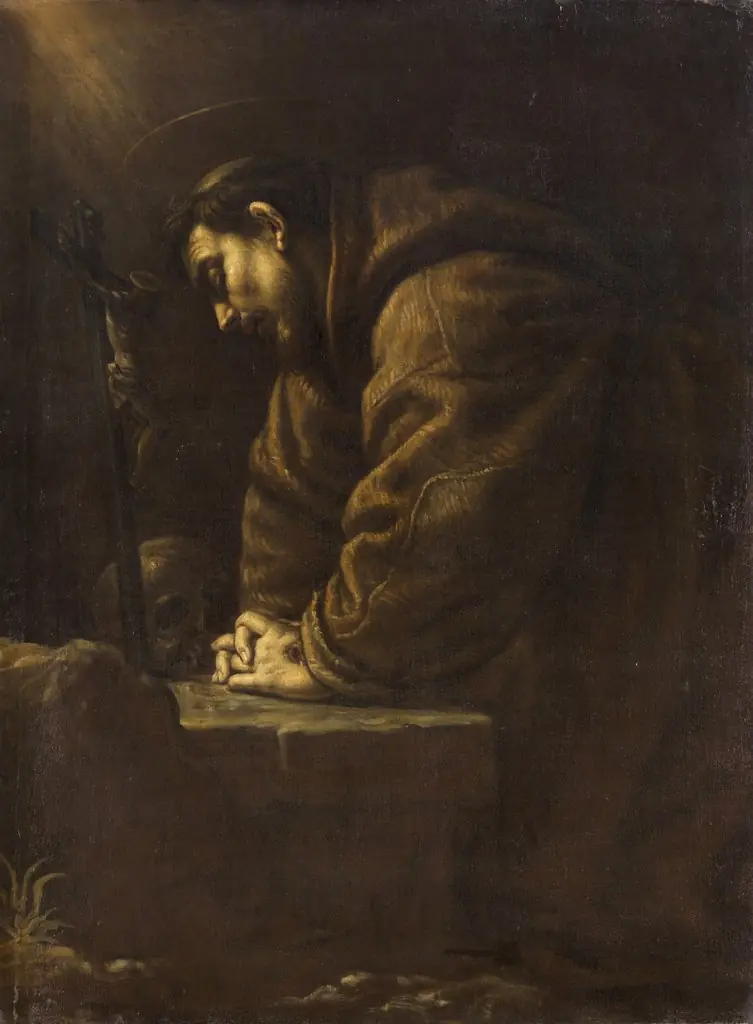
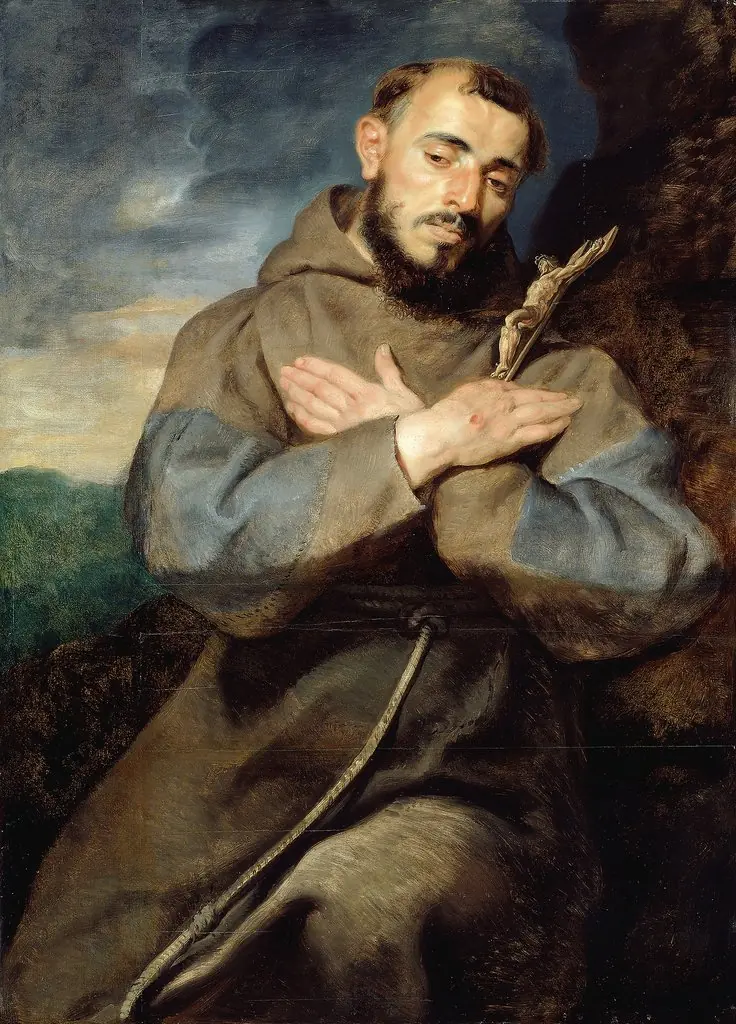
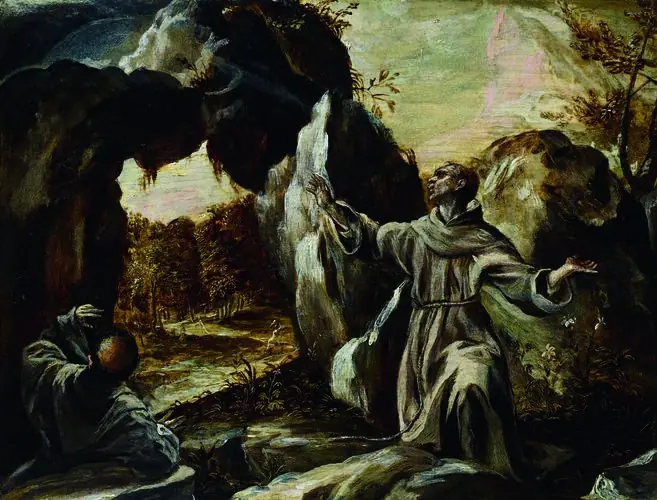
Vision of Saint Francis of Assisi is an oil painting by the Early Baroque Italian artist Jusepe de Ribera. It dates from 1636 and is held in the collection of the Museo del Prado.
About this work
Overview
Created during Ribera’s time in Naples, the painting reflects the influence of Italian Baroque naturalism and Spanish devotional intensity.
Painted in 1636 by Jusepe de Ribera, this oil on canvas work portrays a mystical encounter involving Saint Francis of Assisi. Created during Ribera’s time in Naples, the painting reflects the influence of Italian Baroque naturalism and Spanish devotional intensity. It is part of the permanent collection at the Museo del Prado in Madrid, where it remains a key example of early 17th-century religious painting in the Spanish tradition.
Subject & Meaning
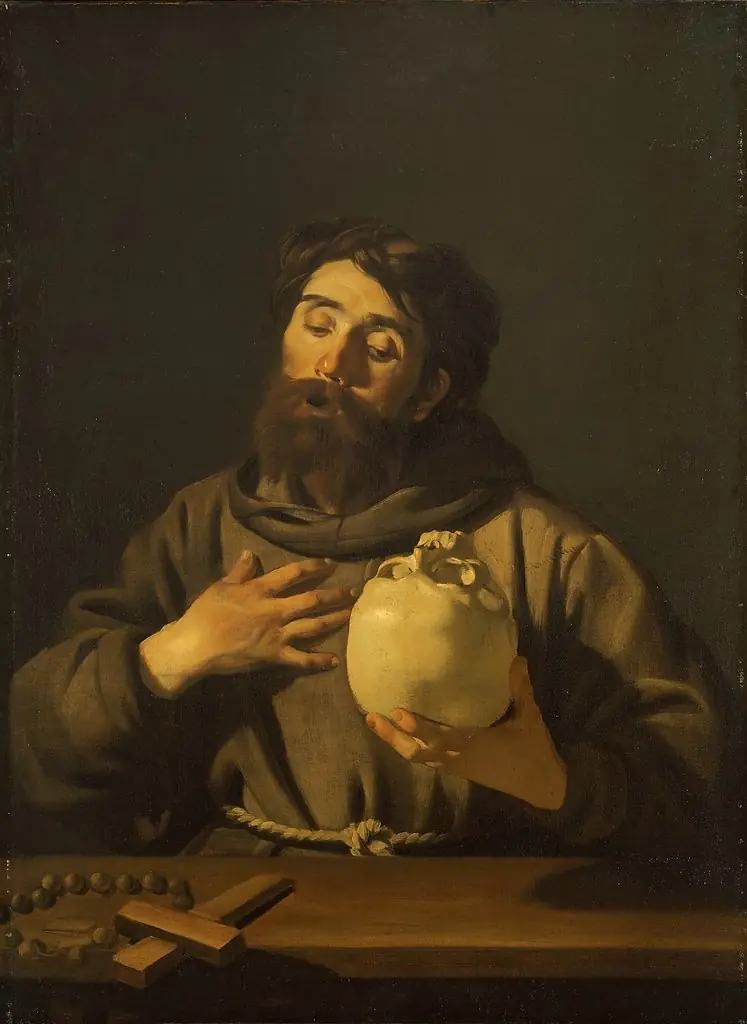
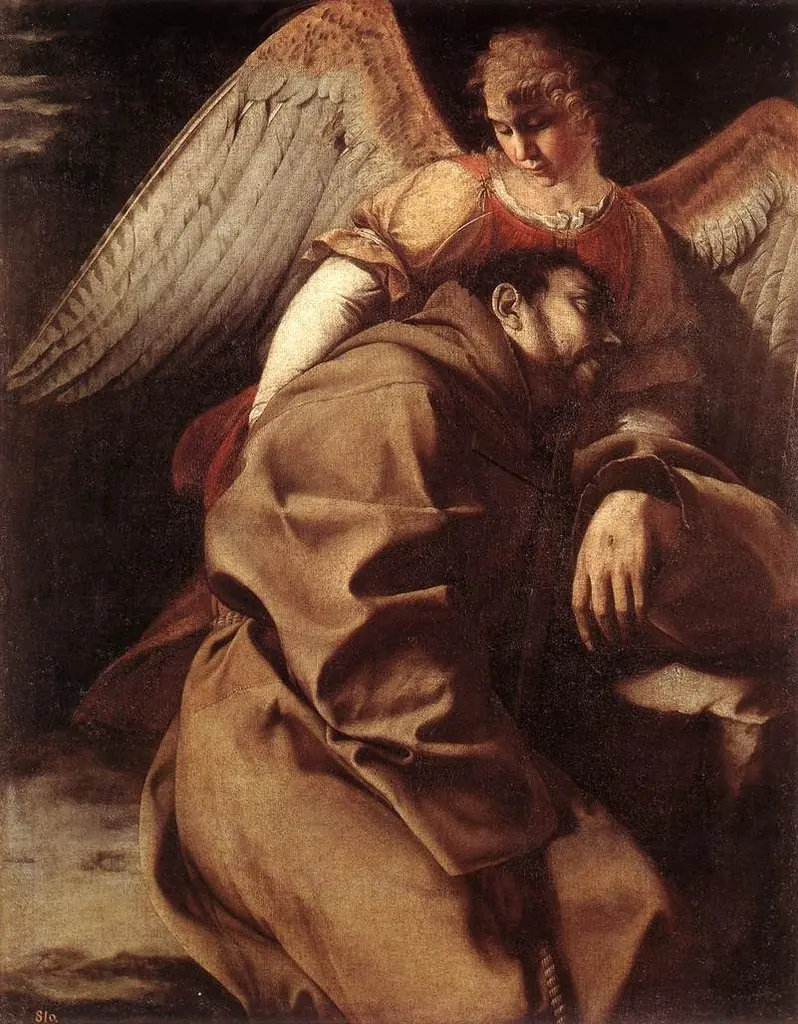
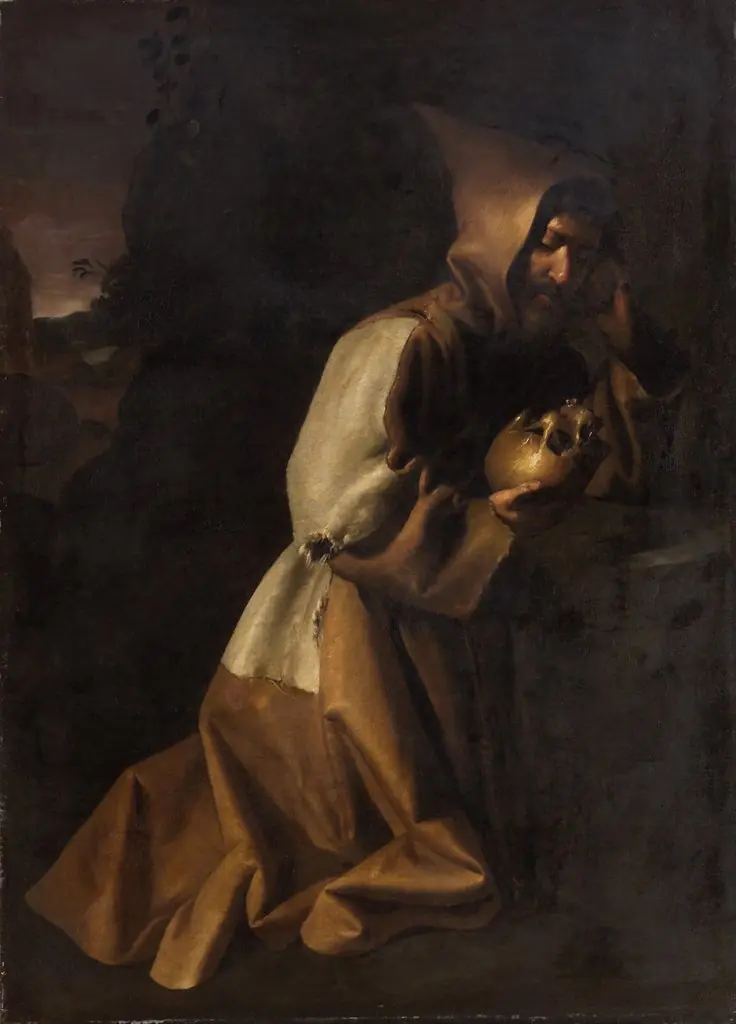
The painting captures Saint Francis in a moment of spiritual revelation. He is shown with a beard and hood, gazing toward a small, winged figure holding a glass orb—likely representing divine presence or the soul. The absence of traditional symbols like stigmata or angels suggests an inward, personal vision. The somber tone and focused composition emphasize introspection, aligning with Franciscan ideals of humility and contemplation.
Technique & Style
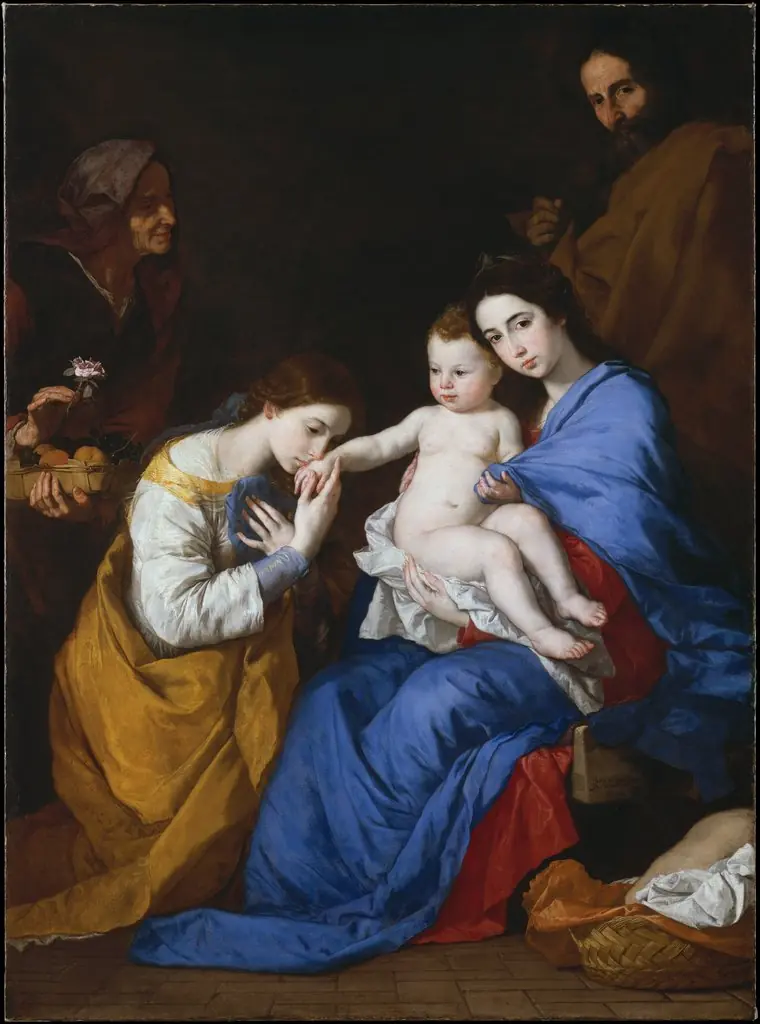
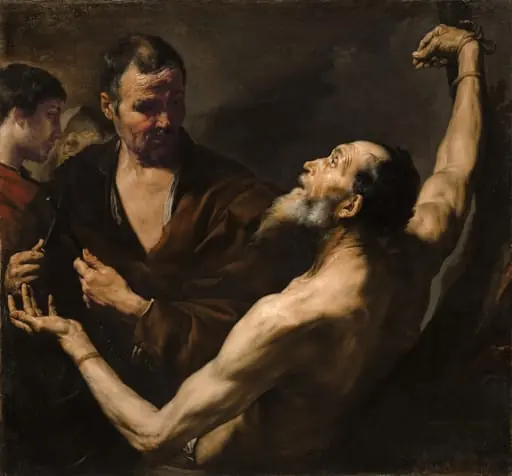
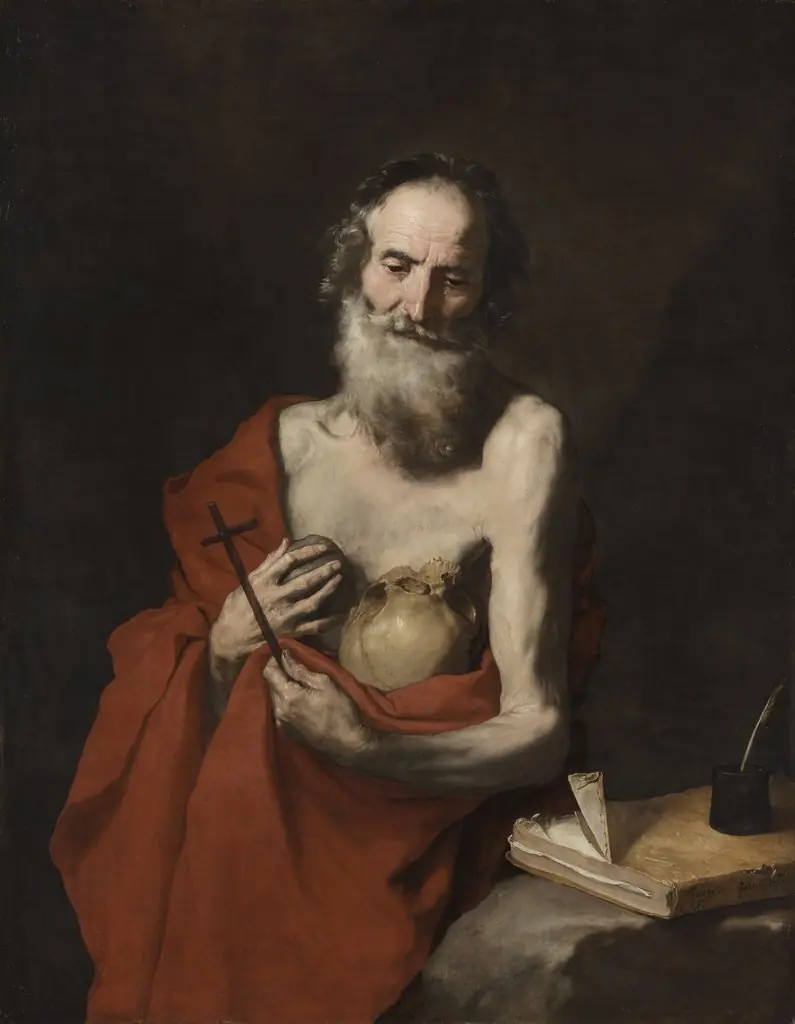
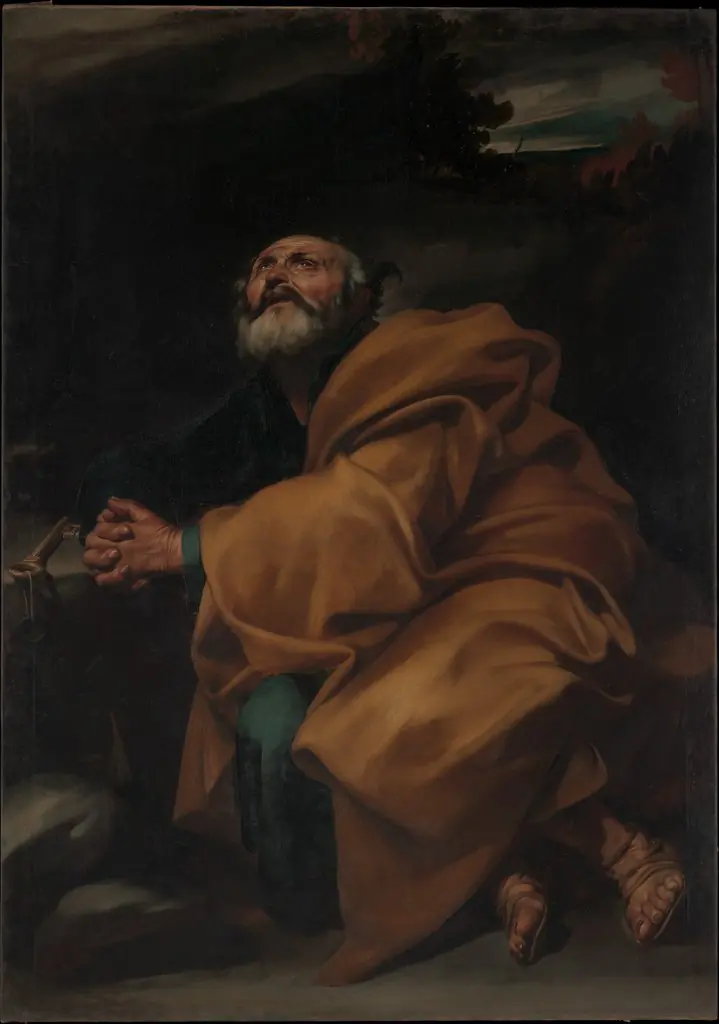
Ribera employs chiaroscuro to heighten emotional resonance, casting the figures in stark relief against a deep, shadowed background. The lighting isolates the saint’s face and the orb, guiding the viewer’s attention to their interaction. Brushwork is restrained yet precise, with textures rendered through subtle gradations rather than elaborate detail. The style reflects a fusion of Caravaggesque realism and the quiet intensity characteristic of Spanish religious art.
History & Provenance
Commissioned during Ribera’s mature period in Naples, the painting entered the Spanish royal collection before being transferred to the Museo del Prado in the 19th century. Its documented history is consistent with other devotional works from Ribera’s workshop, often produced for private chapels or religious institutions. No significant alterations or restorations are recorded, preserving its original tonal balance and composition.
Context
In the mid-1630s, Spanish artists were deeply engaged with Counter-Reformation themes, emphasizing personal piety and mystical experience. Ribera, though born in Spain, worked primarily in Naples, where he absorbed Italian naturalism. This painting reflects a broader trend among Iberian painters to depict saints not as idealized figures, but as tangible, emotionally vulnerable individuals confronting the divine.
Legacy
Ribera’s approach to religious subjects influenced later Spanish painters through his emphasis on psychological depth and physical presence. While less celebrated than contemporaries like Velázquez, his ability to convey spiritual gravity through restrained means secured his place in the Baroque canon. This work exemplifies how Spanish artists adapted Italian techniques to express uniquely devotional narratives grounded in human experience.
Artist & collection
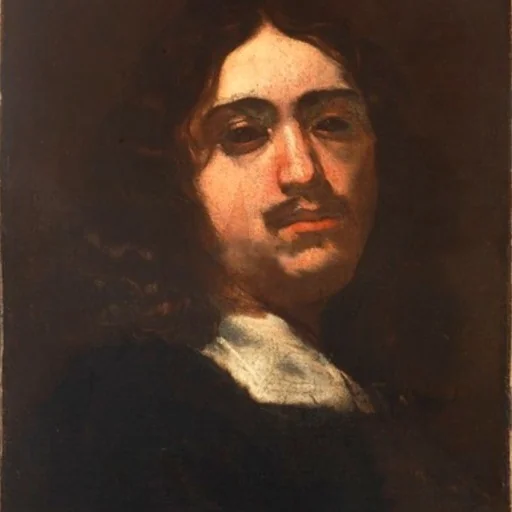
Artist
Jusepe de Ribera (Valencian: ; baptised 17 February 1591 – 3 November 1652) was a Spanish painter and printmaker.