Artwork
Geflügelrupfende Frau (?)
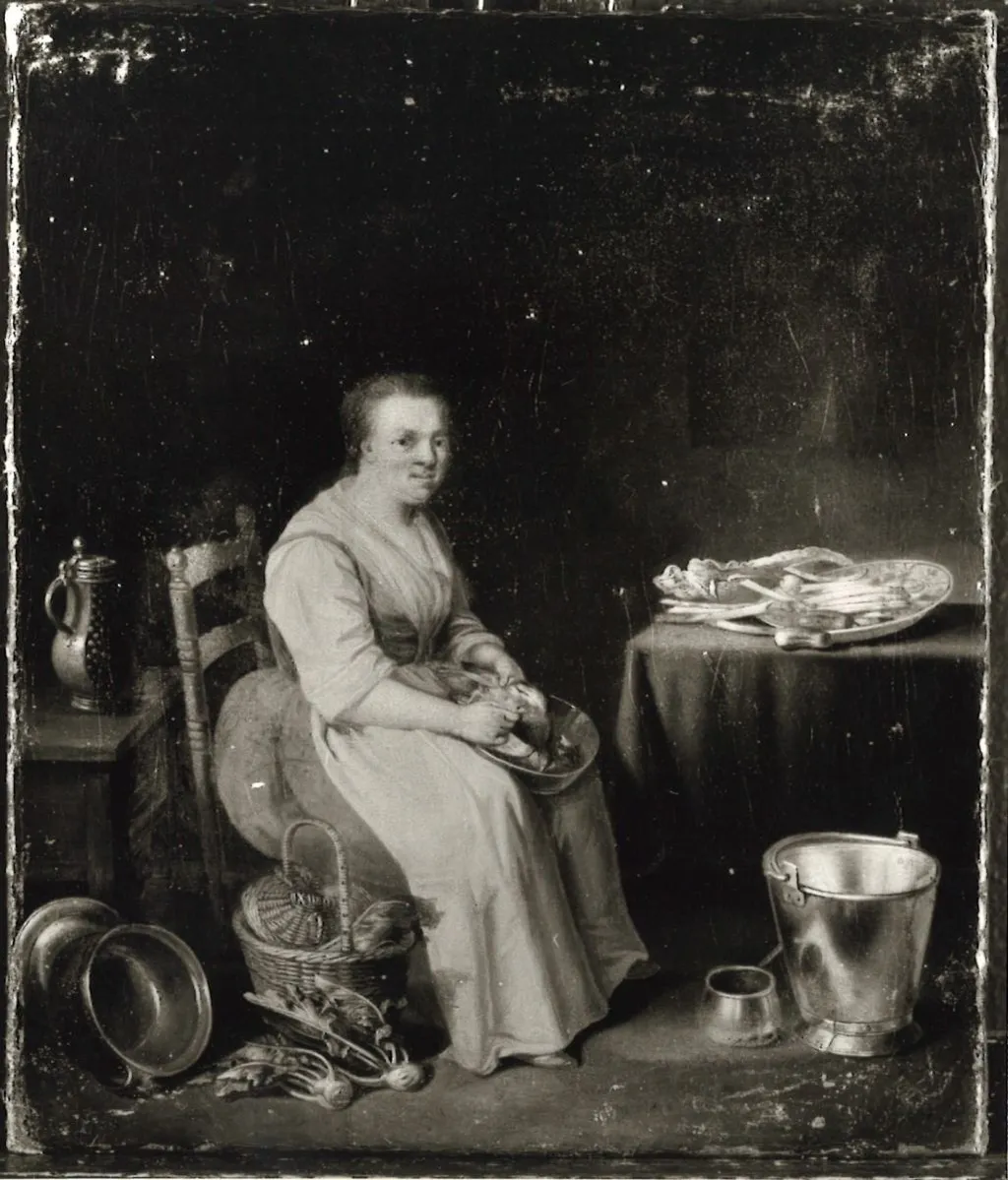
Geflügelrupfende Frau (?) is an unspecified painting by Justus Juncker. It dates from 1745 and is held in the collection of the Bavarian State Painting Collections.
About this work
Overview
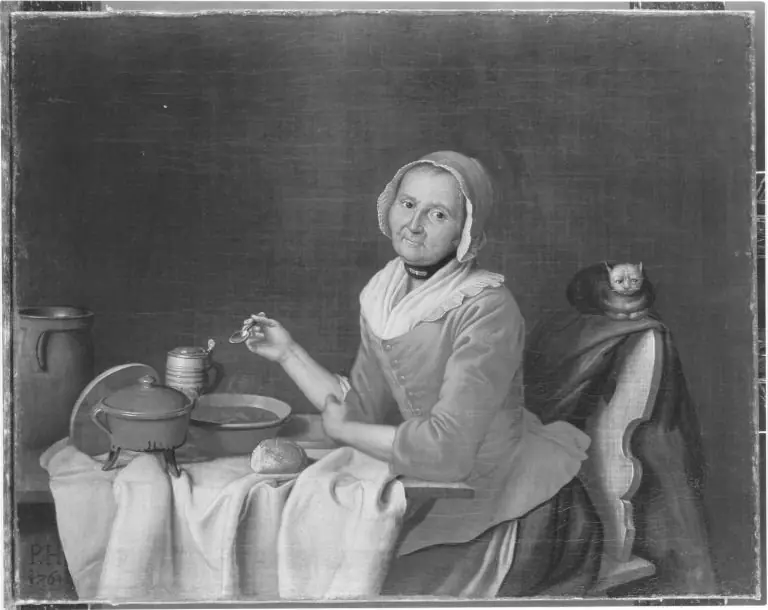
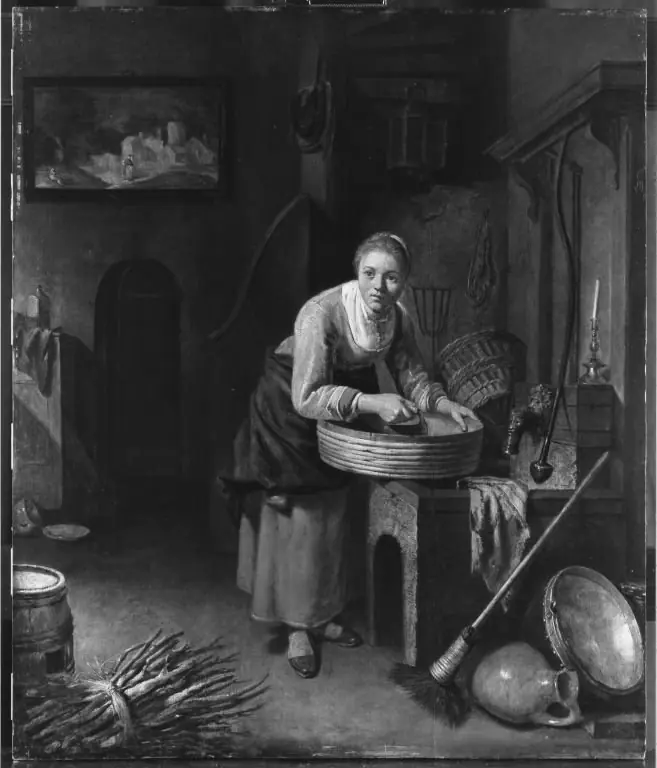
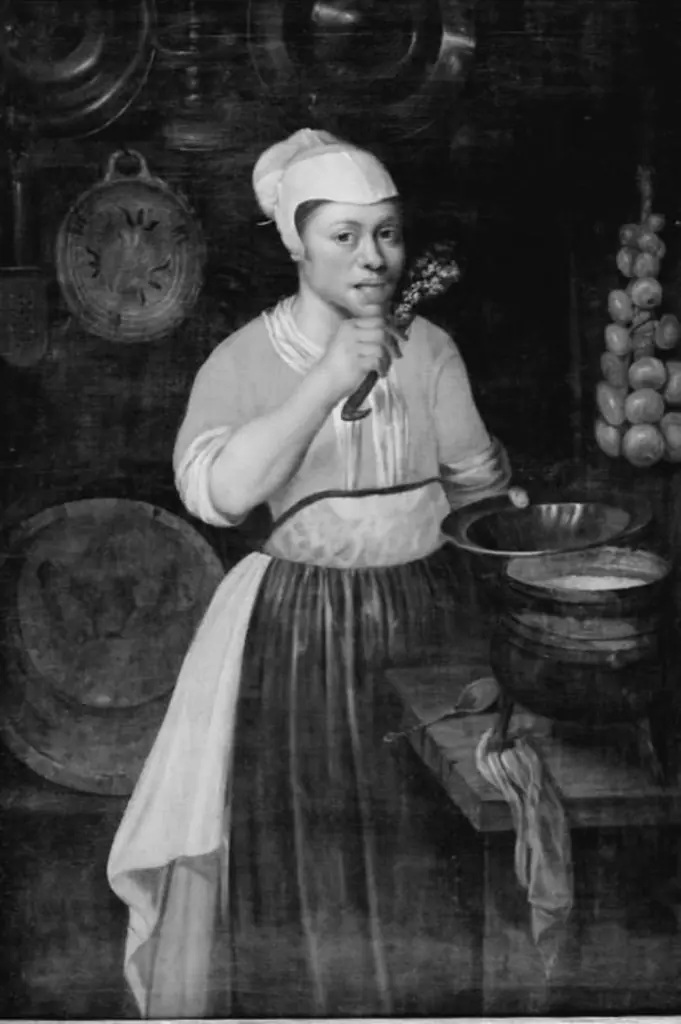
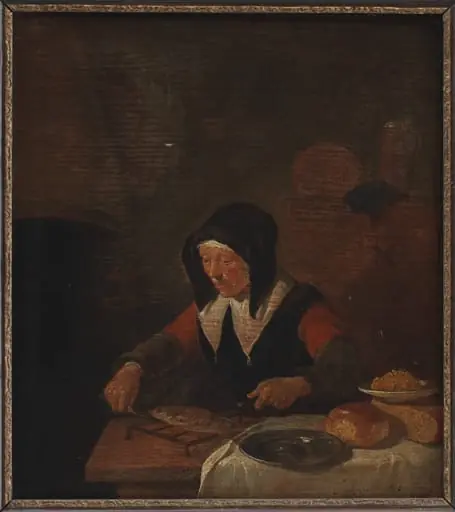
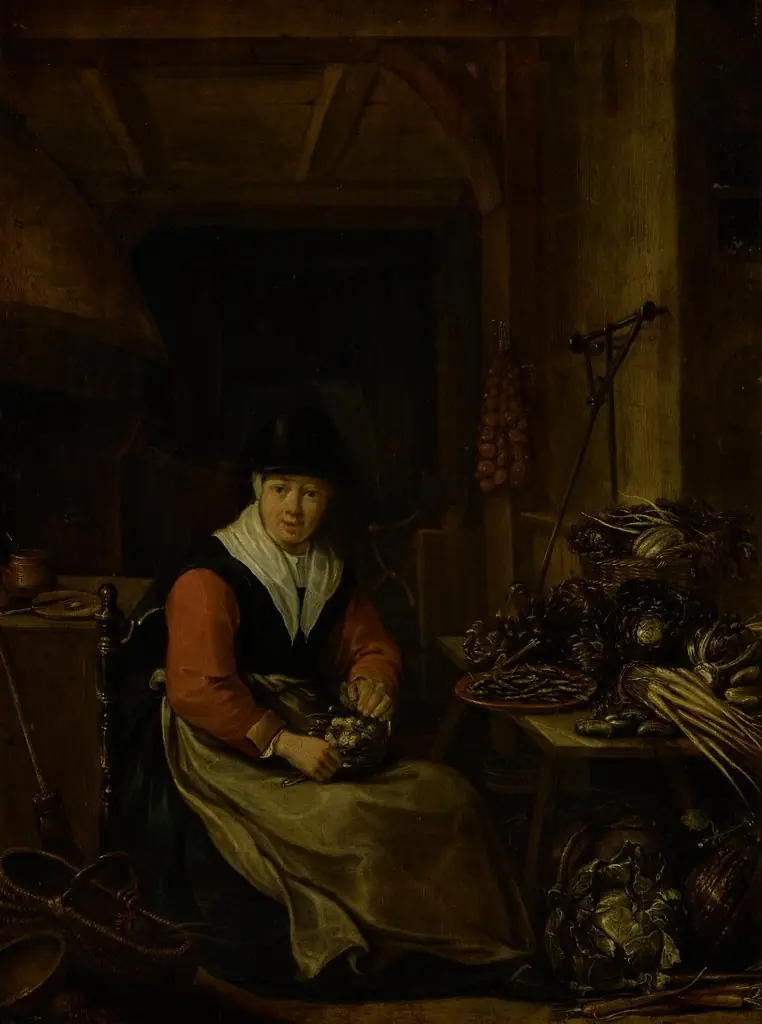
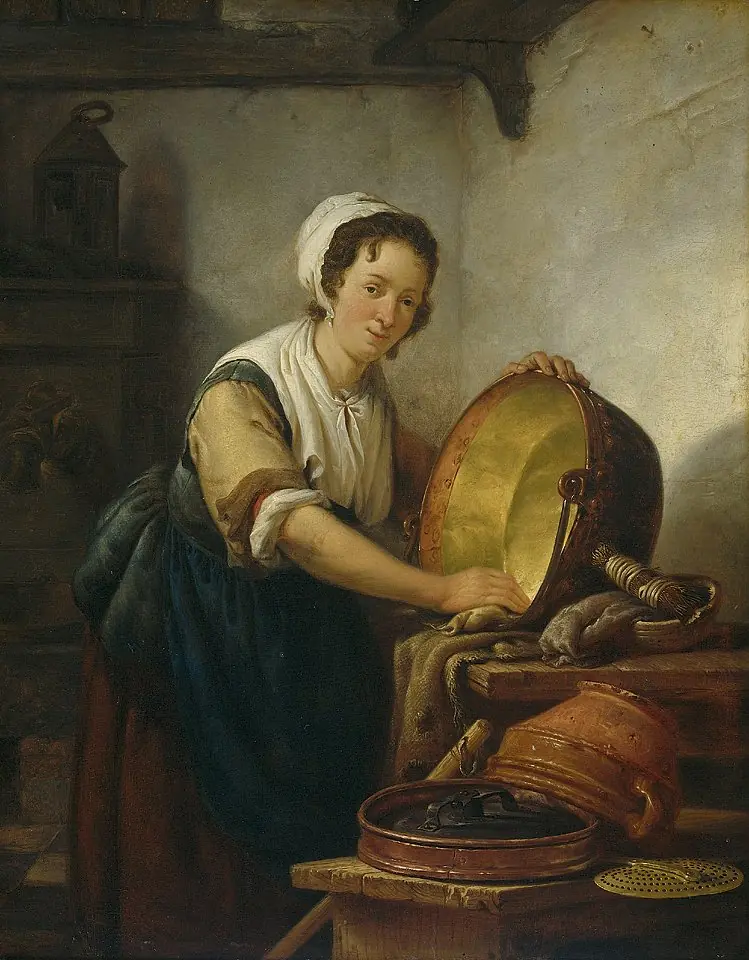
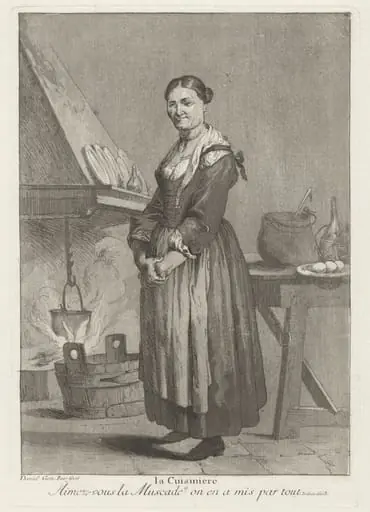
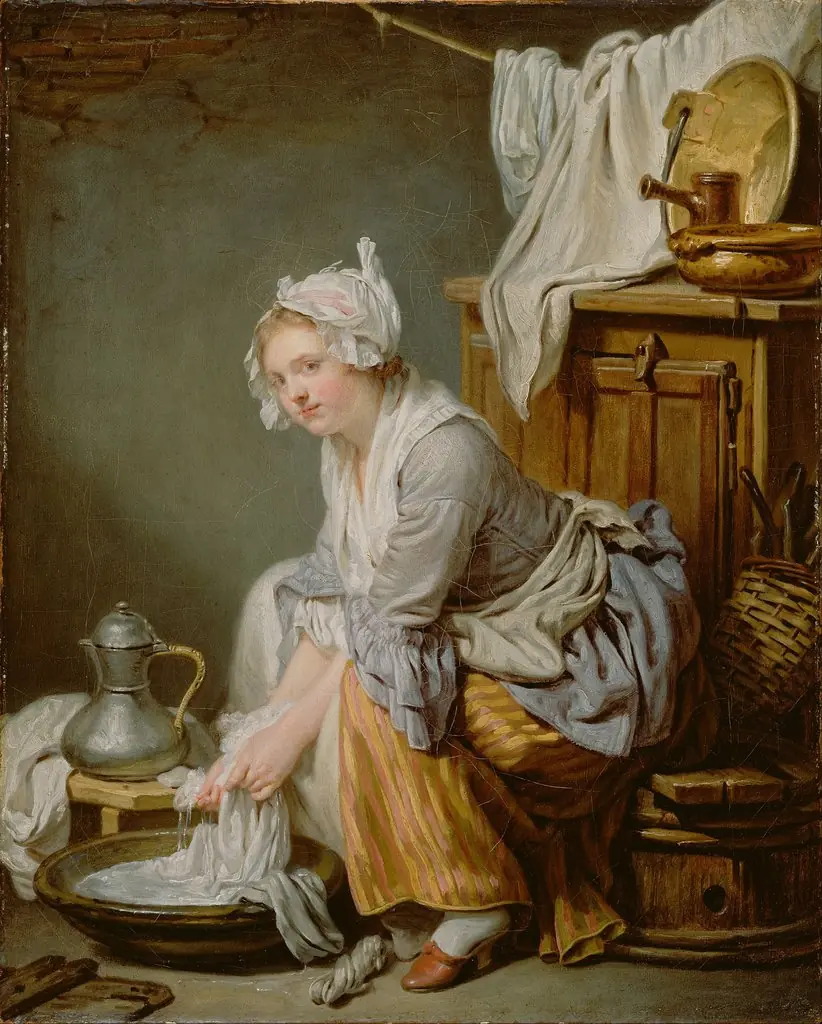
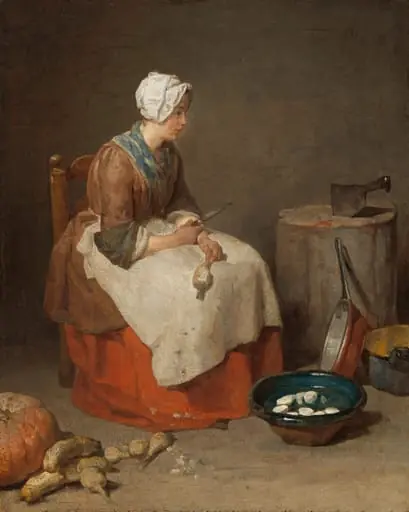
Though traditionally titled as depicting a woman plucking poultry, the figure is shown peeling vegetables, suggesting a possible misattribution in its name.
Painted around 1745 by the German artist Justus Juncker, this work presents a quiet moment of domestic labor. Though traditionally titled as depicting a woman plucking poultry, the figure is shown peeling vegetables, suggesting a possible misattribution in its name. Juncker, active in the mid-18th century, specialized in intimate genre scenes, and this painting reflects his interest in everyday rural or household tasks rendered with subtle realism.
Subject & Meaning
The painting portrays a woman absorbed in the routine task of food preparation, her calm focus underscoring the dignity of labor. Rather than dramatizing the scene, Juncker emphasizes its ordinariness, aligning with 18th-century genre traditions that valued quiet observation over narrative spectacle. The absence of idealization or moralizing suggests an intent to document, rather than comment on, the private rhythms of domestic life.
Technique & Style
Juncker employs chiaroscuro to model the figure and surrounding objects, lending volume to the woman’s dress, the table’s surface, and the scattered utensils. The dim interior is rendered with restrained tonal gradations, drawing attention to the woman’s hands and the texture of the vegetables. Brushwork is precise but unobtrusive, avoiding theatricality in favor of a muted, observational realism that prioritizes atmosphere over detail.
History & Provenance
The painting has been part of the Alte Pinakothek’s collection in Munich for over a century. Juncker’s ties to the Goethe family, including Johann Wolfgang von Goethe and his father, suggest possible patronage or local recognition, though no direct documentation links this work to them. Its survival and preservation reflect its status as a representative example of regional genre painting from the period.
Context
In mid-18th-century Germany, genre scenes depicting domestic labor gained traction among collectors interested in authentic portrayals of daily life. Juncker’s work aligns with broader trends in Northern European painting, where artists turned away from religious or mythological subjects toward the quiet dignity of common activities. This painting contributes to a visual record of pre-industrial household economies.
Legacy
Though Juncker is not widely known today, this painting remains a quiet testament to the genre’s enduring appeal. Its preservation in a major public collection ensures continued access for study and reflection on how ordinary tasks were visually valued in the 18th century. It stands as an example of how unassuming subjects could be rendered with sensitivity and technical care.
Artist & collection
Artist
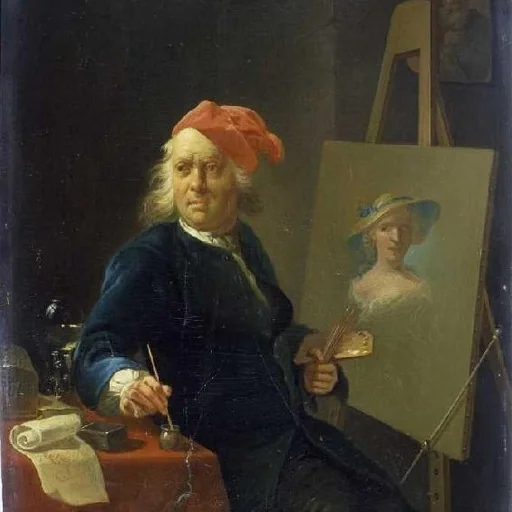
Justus Juncker (24 July 1703 – 14 June 1767) was a German genre and flower painter. He is also known for his association with Johann Wolfgang von Goethe and his father Johann Caspar Goethe.