Artwork
Portrait of Archduke Leopold Wilhelm of Austria
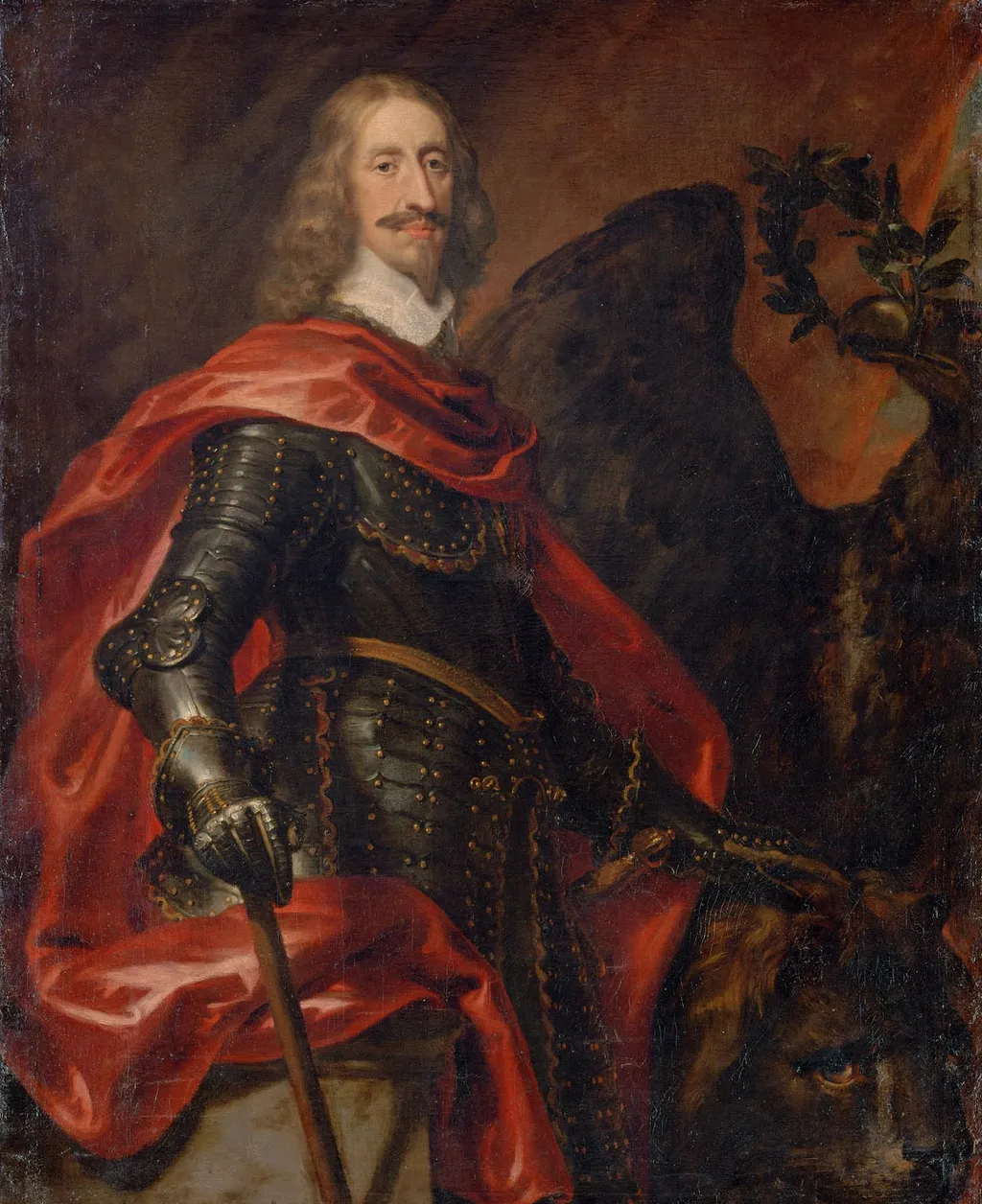
Portrait of Archduke Leopold Wilhelm of Austria is an oil painting by the Flemish Baroque painting artist Justus van Egmont. It dates from 1649 and is held in the collection of the Kunsthistorisches Museum.
About this work
Overview
Van Egmont, trained in Antwerp and influenced by leading Flemish masters, executed the work during his return to the Southern Netherlands after years in France.
Painted in 1649 by Justus van Egmont, this oil portrait captures Archduke Leopold Wilhelm of Austria, a Habsburg nobleman and patron of the arts. Van Egmont, trained in Antwerp and influenced by leading Flemish masters, executed the work during his return to the Southern Netherlands after years in France. The painting is part of the Kunsthistorisches Museum’s collection in Vienna, reflecting the archduke’s cultural significance and the artist’s role in courtly portraiture of the period.
Subject & Meaning
The archduke is depicted in military attire, his red cape and armored suit signaling both his noble rank and his role as a commander. The sword in his right hand and the steady gaze suggest authority and composure. The faint outline of vegetation behind him may allude to his interest in horticulture or his patronage of natural sciences. The composition avoids overt symbolism, instead emphasizing dignity through posture and material richness, consistent with Habsburg ideals of restrained power.
Technique & Style
Van Egmont employs the refined brushwork and tonal subtlety characteristic of Flemish Baroque portraiture. The armor’s gold studs and the fabric’s folds are rendered with precision, while the dark background isolates the figure, heightening its presence. Rich pigments—especially the deep crimson of the cape—contrast with the matte black of the armor, creating visual depth. The lighting is even and naturalistic, avoiding theatricality, aligning with the sober elegance favored in Habsburg court imagery.
History & Provenance
Commissioned during Leopold Wilhelm’s tenure as Governor of the Spanish Netherlands, the portrait likely served to reinforce his status within the Habsburg network. Van Egmont, who had previously served at the French court, returned to Flanders around this time, bringing with him stylistic influences from both regions. The painting entered the Habsburg collection and remained in Vienna, eventually becoming part of the Kunsthistorisches Museum’s founding holdings in the 19th century.
Context
In mid-17th century Europe, portraiture functioned as political communication. Leopold Wilhelm, a collector of art and a patron of artists, was part of a broader Habsburg effort to project cultural legitimacy. Van Egmont’s work reflects the fusion of Flemish realism and aristocratic convention, distinct from the grandeur of Rubens but aligned with the quieter authority of courtly representation. His role in founding the Académie de peinture et de sculpture in Paris underscores his influence beyond the Southern Netherlands.
Legacy
Though less celebrated than his contemporaries, van Egmont’s portrait of Leopold Wilhelm exemplifies the quiet sophistication of mid-Baroque court painting. It preserves a visual record of a nobleman deeply engaged with art and governance, and it remains a key example of how Flemish artists adapted international styles to serve regional dynastic interests. The work continues to inform scholarly understanding of Habsburg visual culture in the 17th century.
Artist & collection
Artist
Justus van Egmont or Joost van Egmont (1601 – 8 January 1674) was a painter and a tapestry designer during the 17th century.

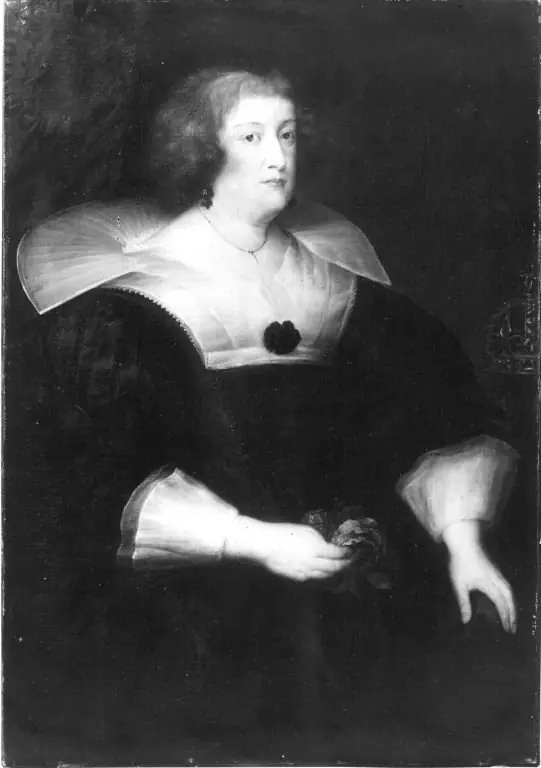
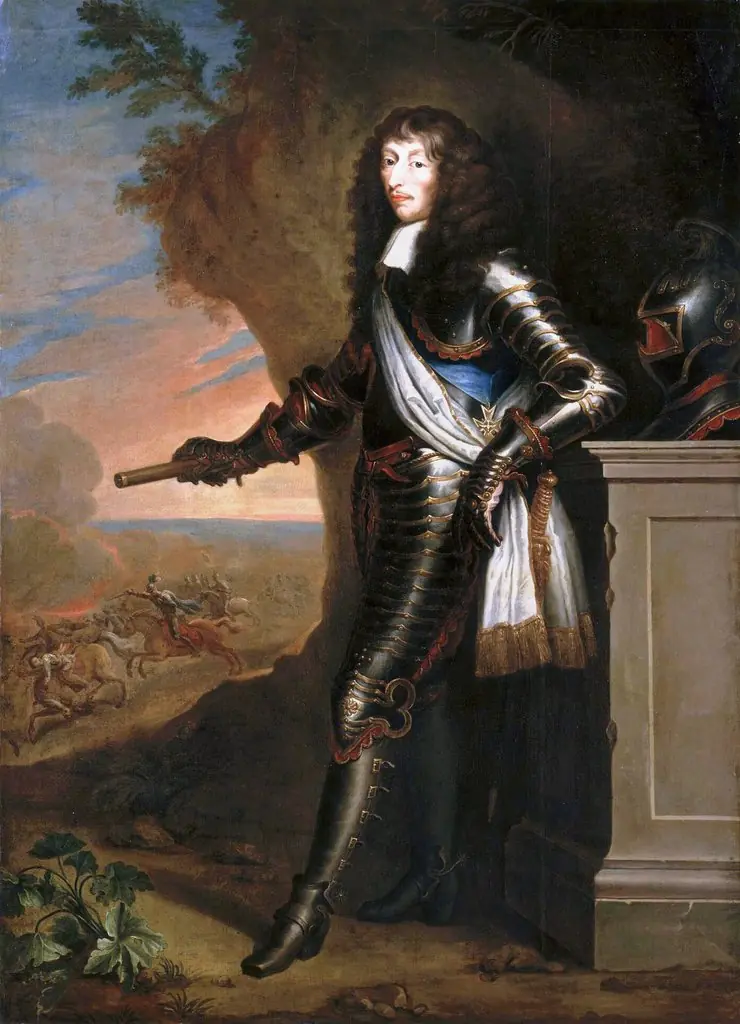
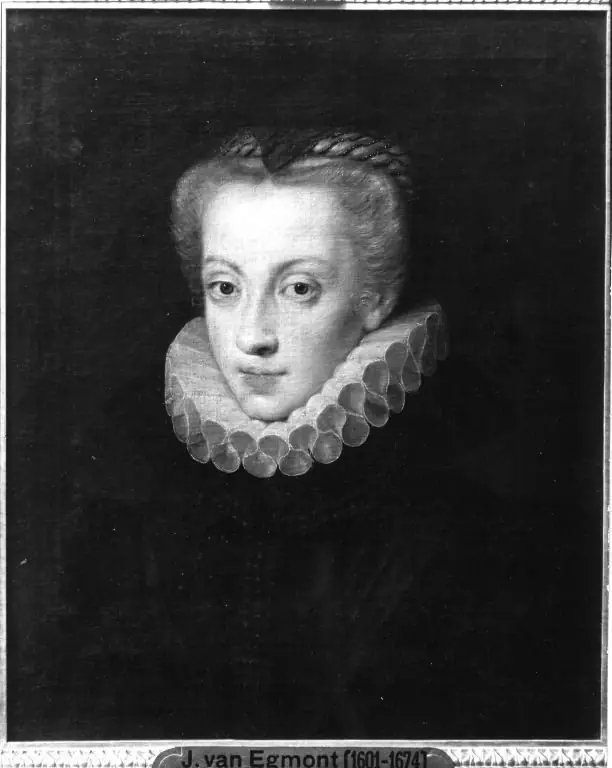
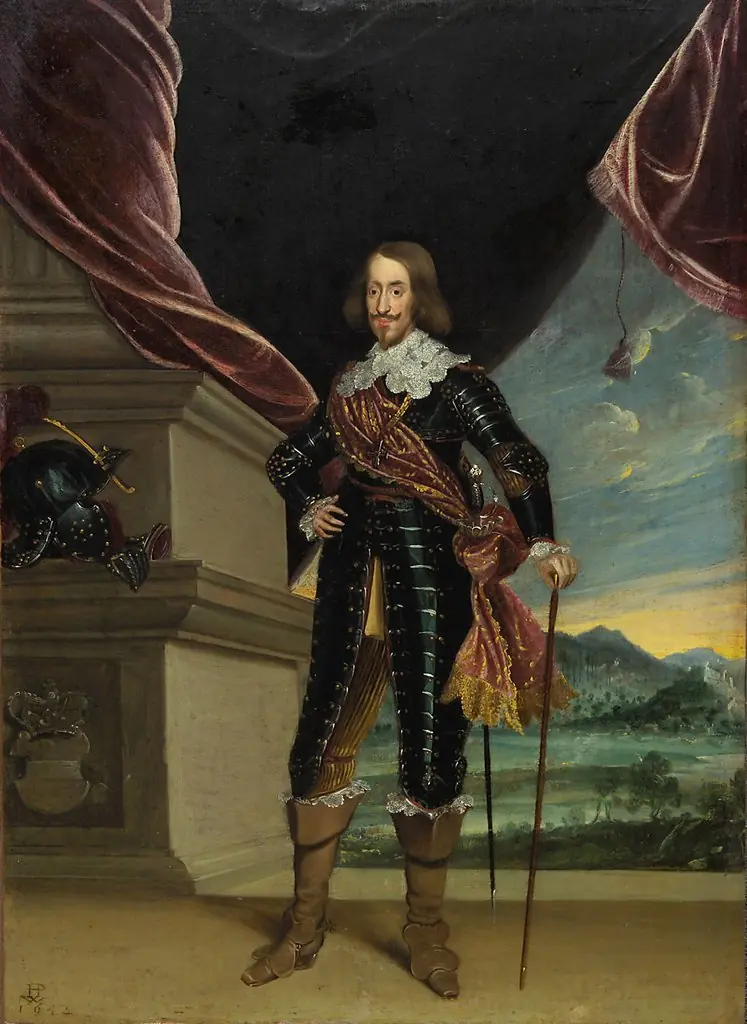 Archduke Leopold Wilhelm (1614-1662), governor of the Netherlands.
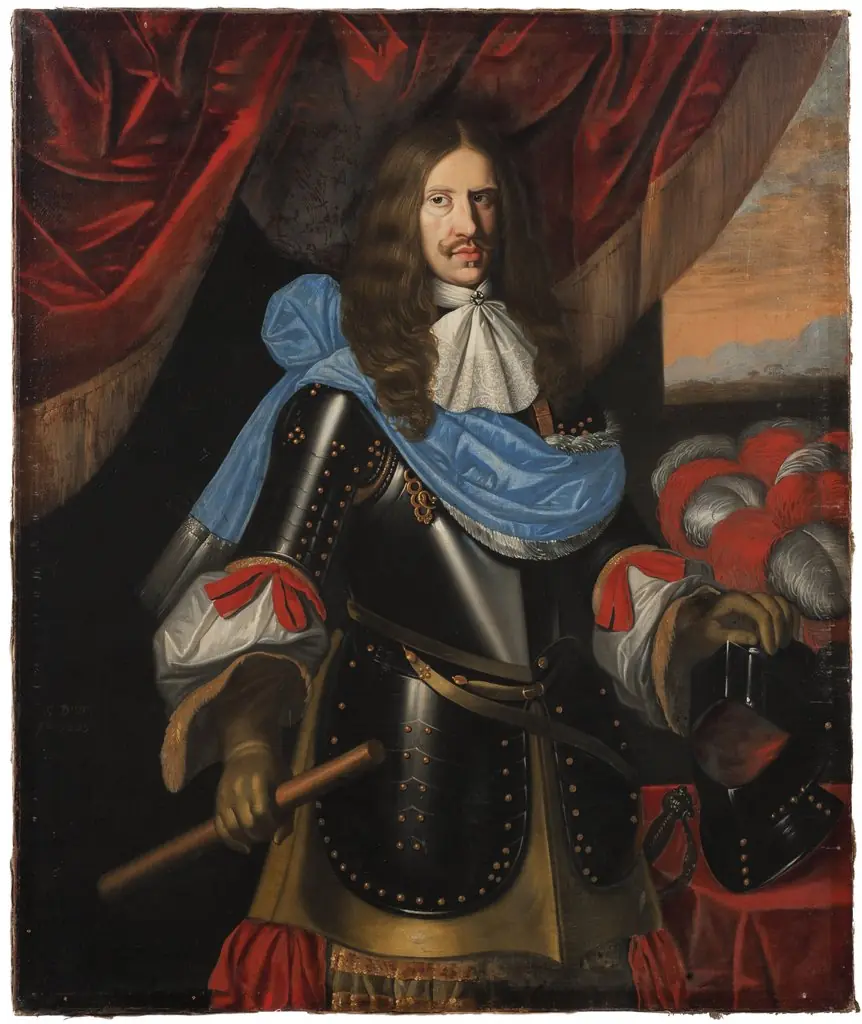 Ludvig VI, 1630-78, lantgreve av Hessen-Darmstadt
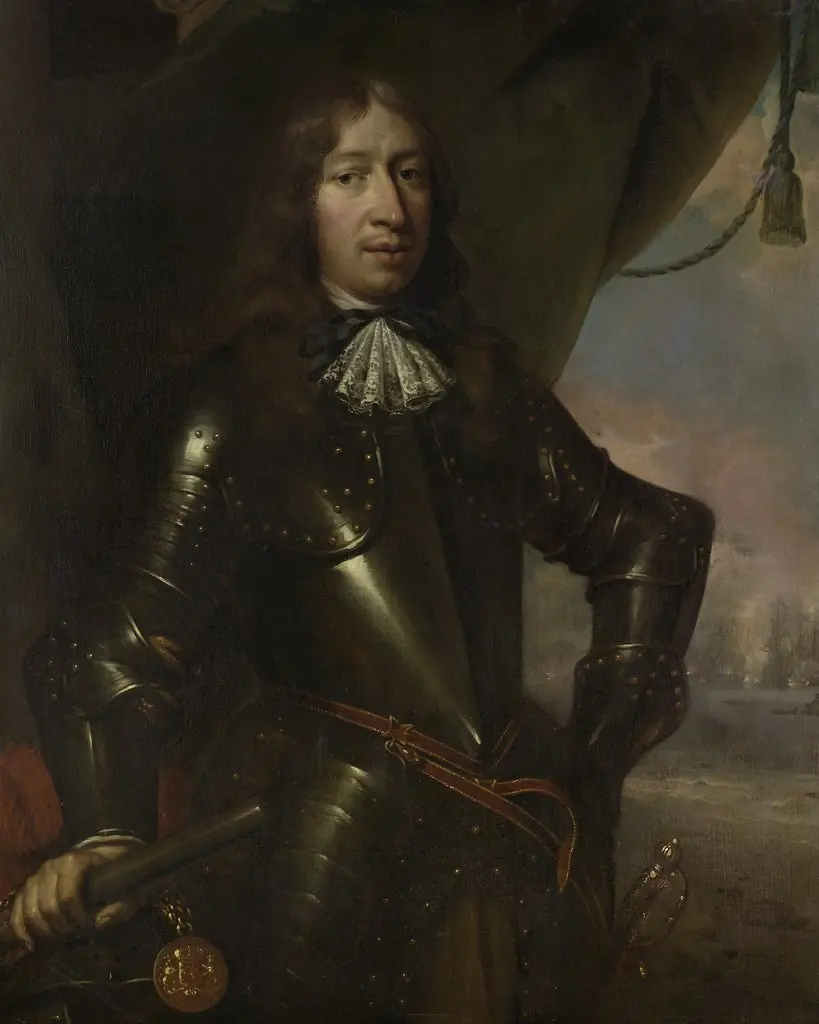 Portrait of Willem Joseph Baron van Ghent (1626-72), vice-admiral
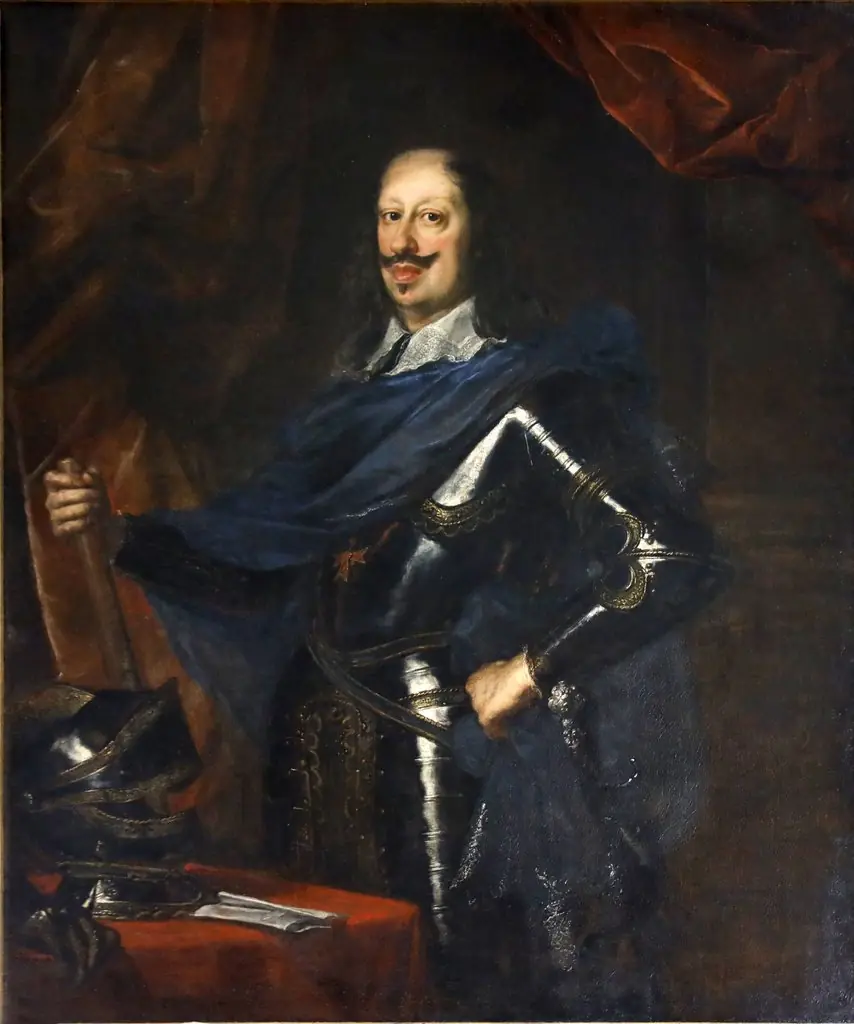 Portrait of Ferdinando II de'Medici
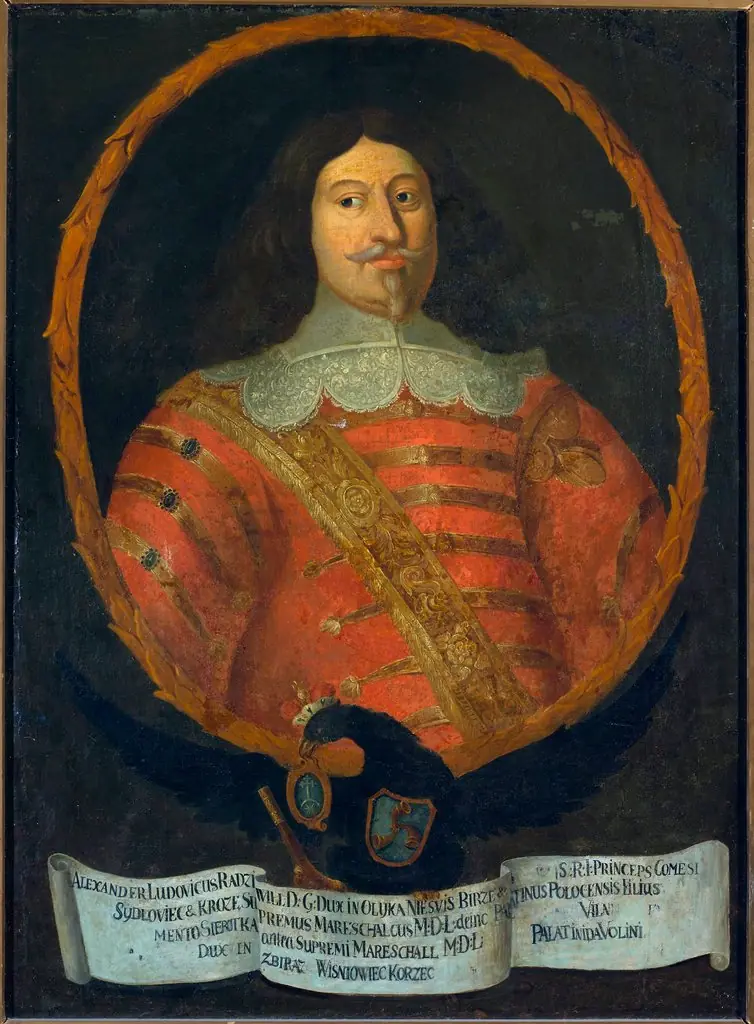 Portrait of Aleksander Ludwik Radziwiłł (1594–1654)
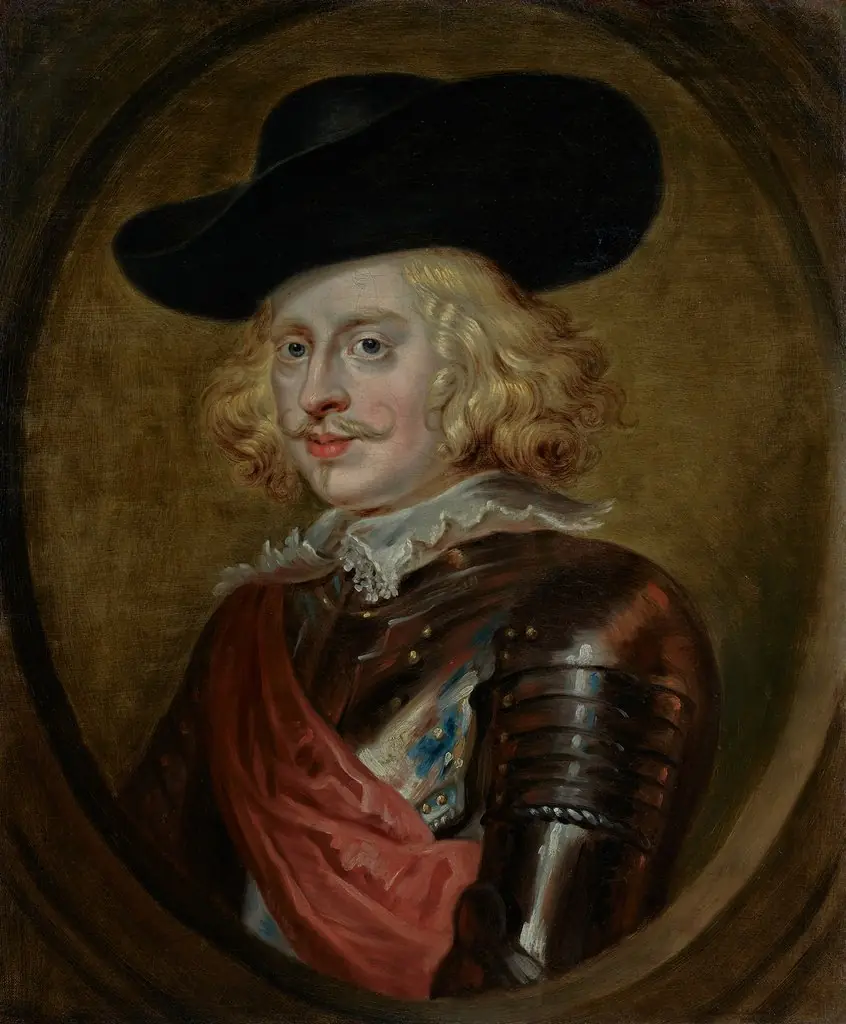 Archduke Ferdinand, Cardinal-Infante of Spain (1609-1641)
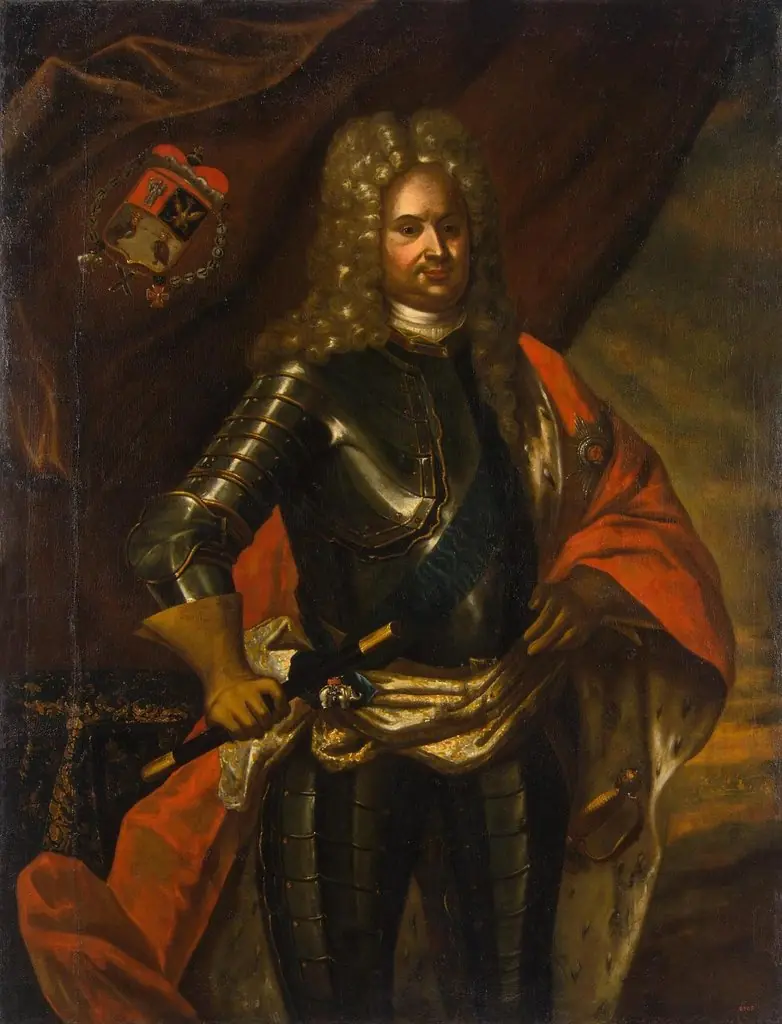 Portrait of General Prince Nikita Repnin
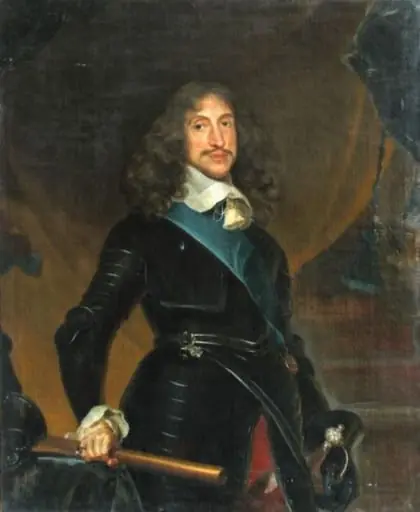 Un general englez ; pandant: Soția unui general englez