Artwork
Ludvig VI, 1630-78, lantgreve av Hessen-Darmstadt
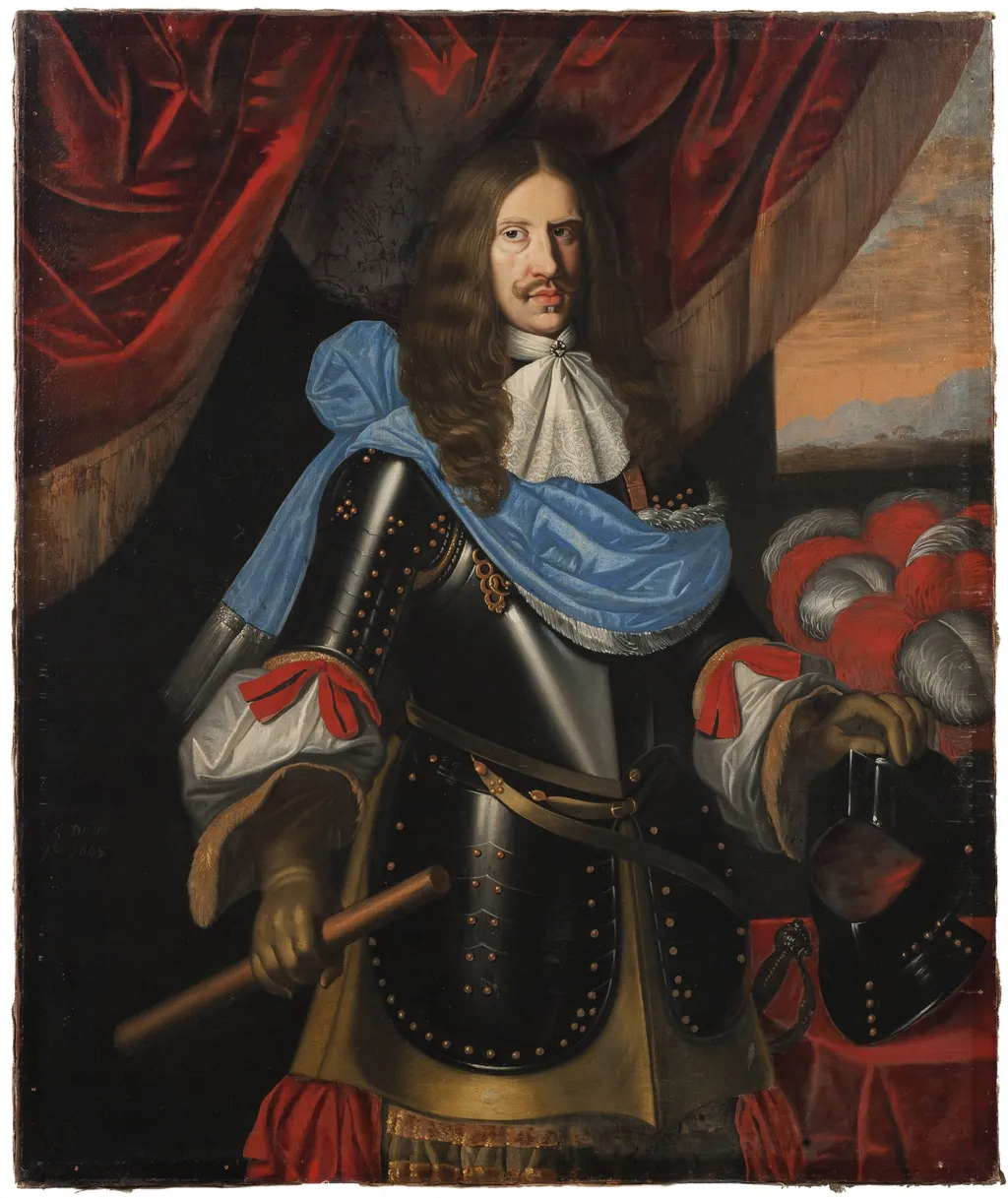
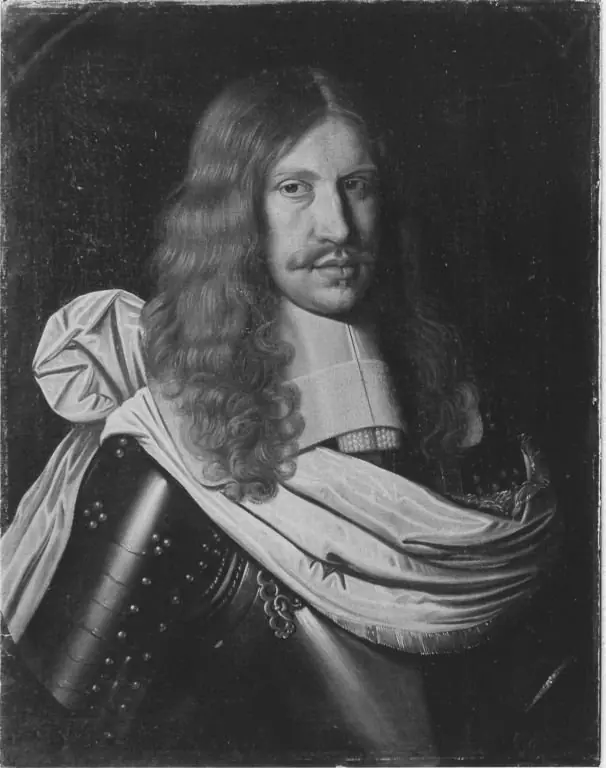
Ludvig VI, 1630-78, lantgreve av Hessen-Darmstadt is an oil painting by the Dutch Golden Age artist Salomon Duarte. It dates from 1665 and is held in the collection of the Nationalmuseum.
About this work
Overview
Salomon Duarte’s 1665 oil portrait presents Louis VI, Landgrave of Hesse‑Darmstadt, in a formal pose. The canvas, now part of the Nationalmuseum collection, captures the ruler at the height of his reign, emphasizing his status through elaborate dress and a composed, forward‑looking expression.
Subject & Meaning
The sitter, Louis VI (1630‑1678), is shown holding a sword, a conventional symbol of authority and martial responsibility. His solemn gaze and upright posture convey the dignified bearing expected of a German prince in the mid‑seventeenth century, reinforcing his role as a political and military leader.
Technique & Style
Executed in oil, the portrait combines a dark, atmospheric background with vivid details on the figure’s attire. Duarte renders the black and gold costume, white ruffled collar, and blue cape with precise brushwork, while the subtle play of light on the sword and fabric adds depth. The red curtains and distant mountainous window create a contrast that frames the subject.
History & Provenance
Painted in 1665, the work entered the Nationalmuseum’s holdings at an unspecified date, where it remains on display. Its attribution to Duarte is based on stylistic analysis and historical records linking the artist to court portraiture in the German states.
Context
During the 1660s, portraiture served both personal commemoration and political propaganda for German nobility. Duarte’s depiction aligns with contemporary conventions, using luxurious textiles, heraldic accessories, and a restrained background to foreground the sitter’s rank without overt allegory.
Legacy
While not widely reproduced, the portrait contributes to the visual record of Hesse‑Darmstadt’s ruling family and offers insight into mid‑Baroque court aesthetics. It continues to inform scholars of regional portrait practices and the visual language of 17th‑century German aristocracy.
Own this work as a print
Artist & collection
Artist
Dutch Golden Age portrait painters kept family likenesses sharp and flattering. In the 1600s they filled canvases with nobles wearing lace collars and sober silks. Salomon Duarte’s brush left us Ludvig VI of…

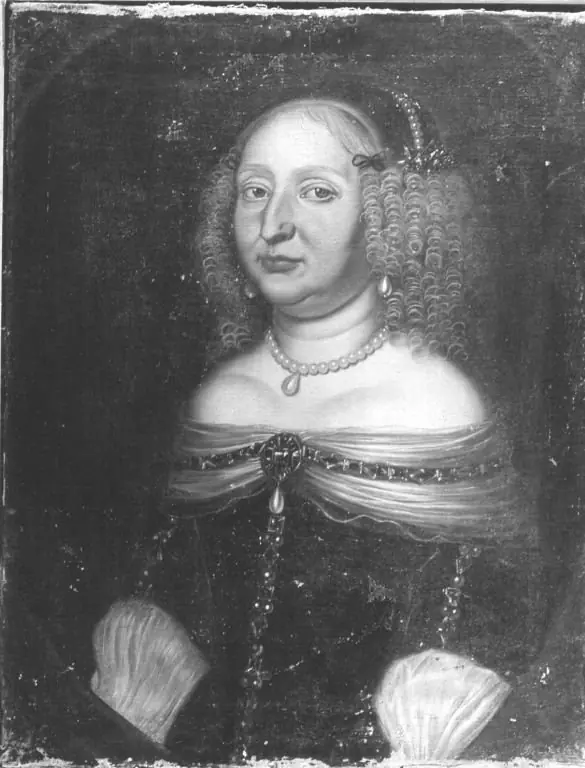 Bildnis der Sophie Eleonore von Sachsen, Landgräfin von Hessen-Darmstadt, Gemahlin des Landgrafen Georg II. (1609-1671) (?)
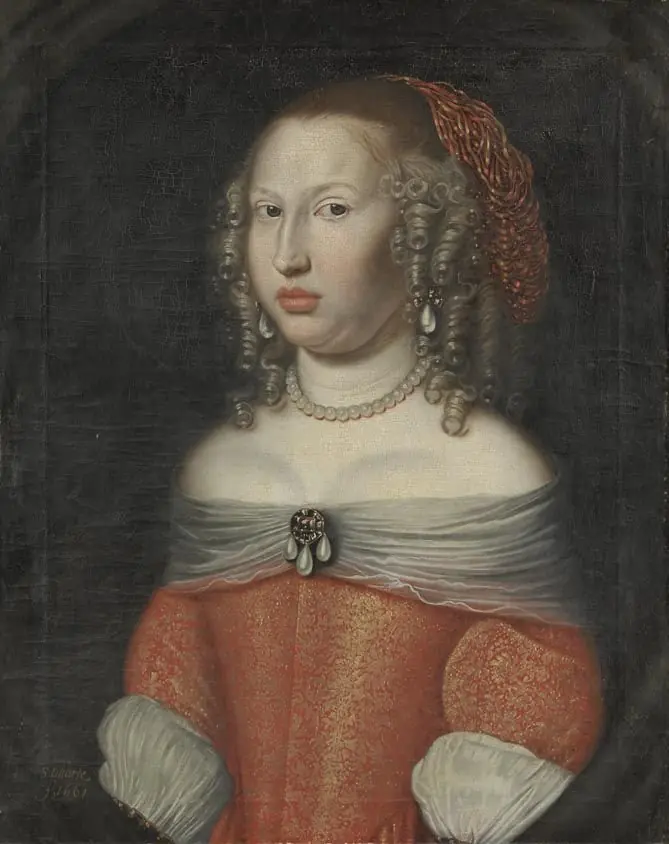 Henriqueta Doroteia de Hesse-Darmstadt
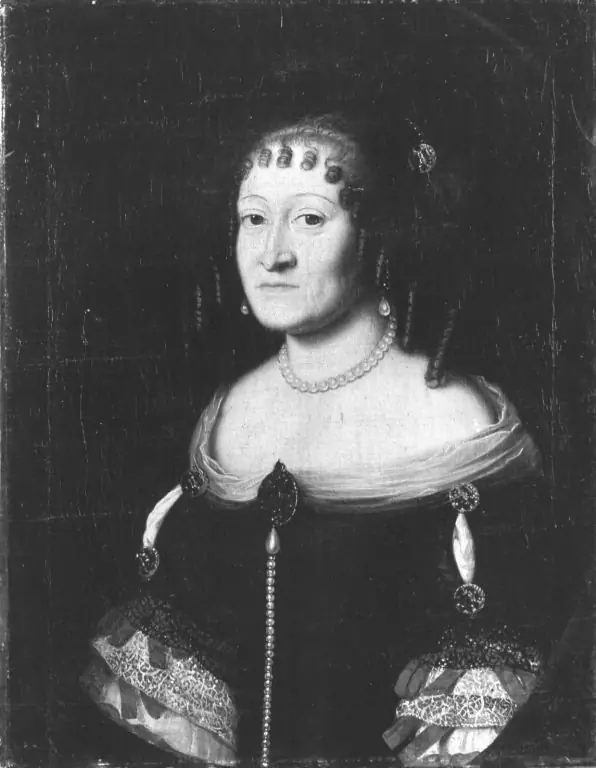 Portrait of Elisabeth Dorothea of Saxony-Gotha-Altenburg
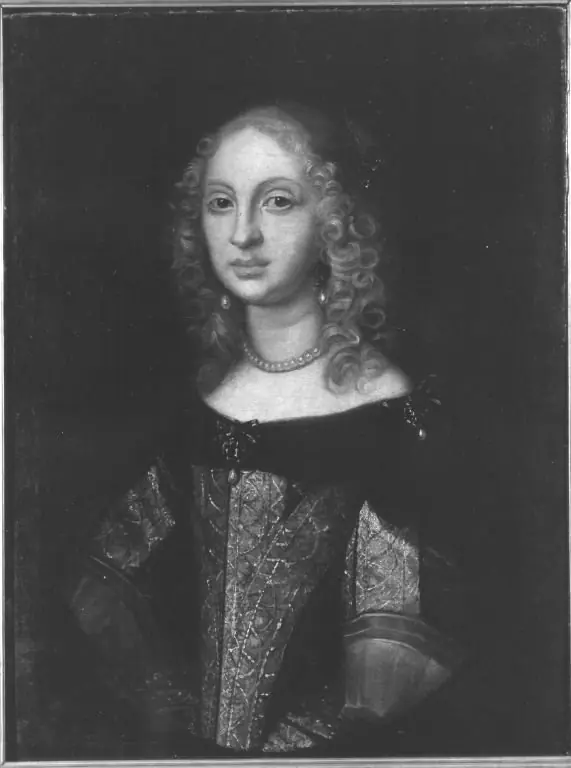 Portrait de Landgrave Elisabeth Amalie de Hesse,
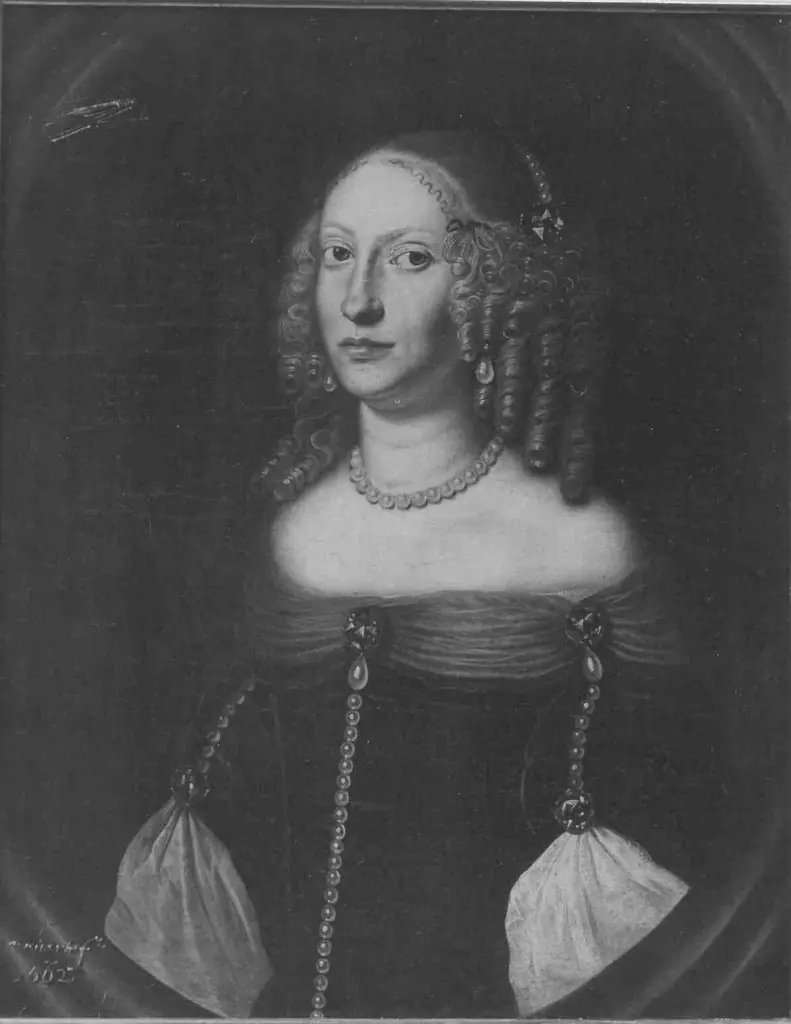 portrait of Sophia Eleonore von Hessen-Darmstadt
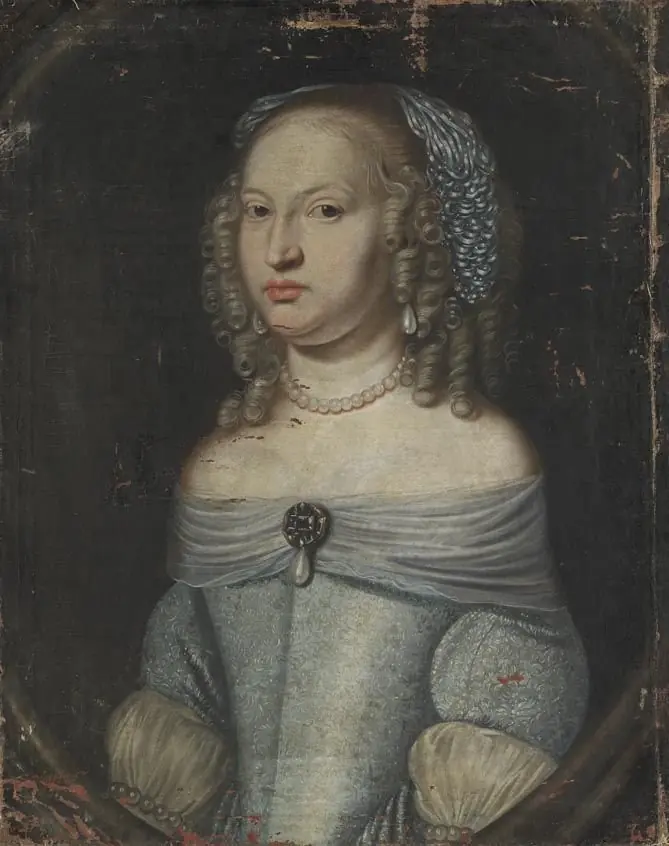 Countess Luise Christine von Hessen-Darmstadt
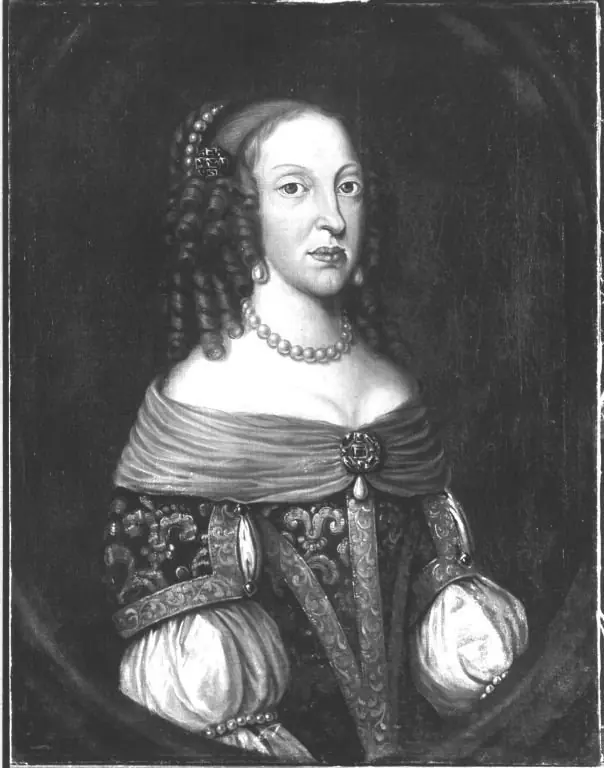 Portrait of Anna Sophie von Hessen-Darmstadt, Abbess of Quedlinburg (?)
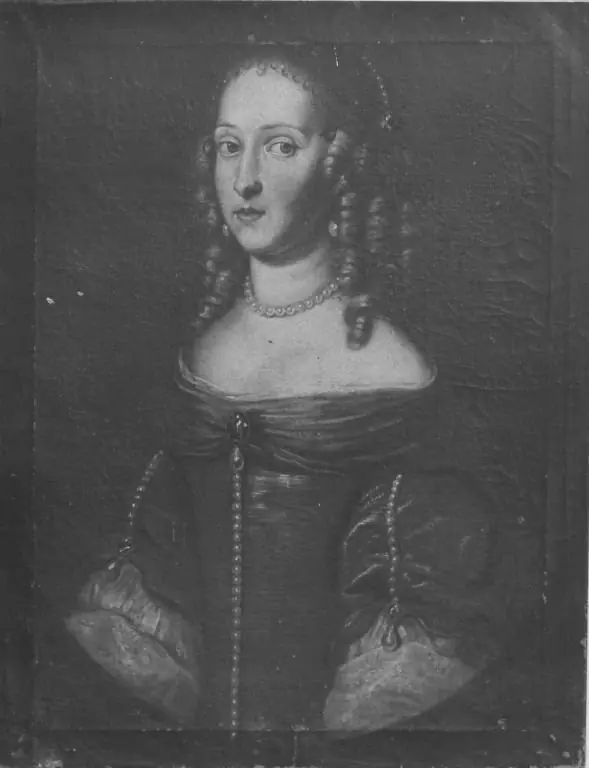 Bildnis der Landgräfin Marie Hedwig von Hessen-Darmstadt, Tochter des Landgrafen Georg II., Herzogin von Sachsen-Meiningen (1647-1680) (?) (?)
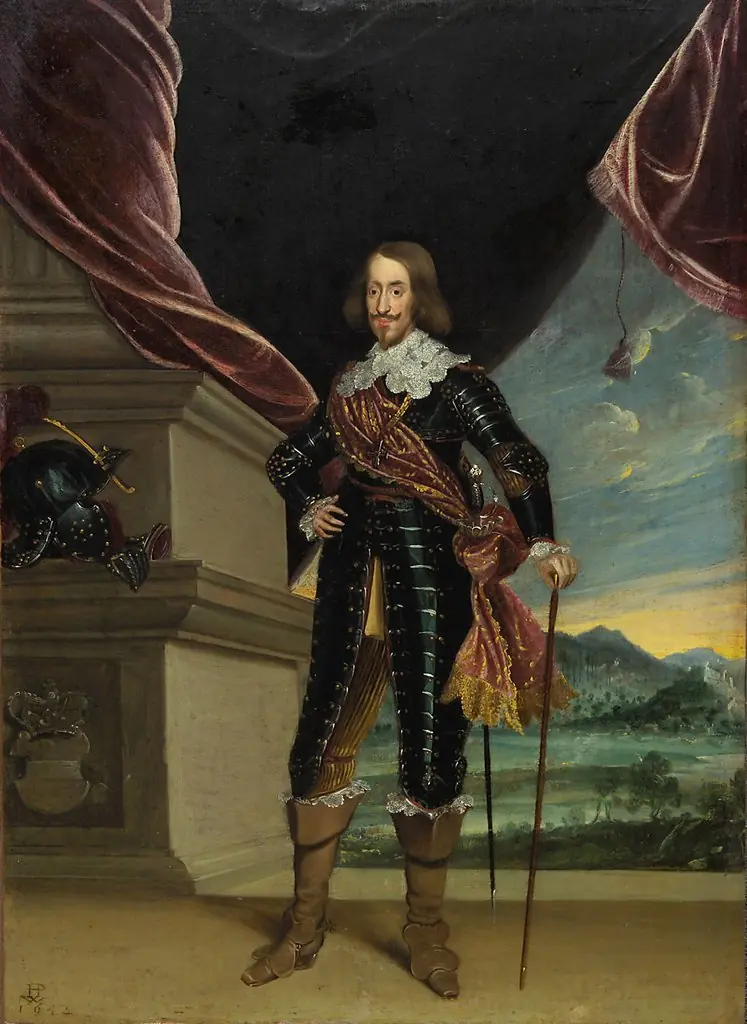 Archduke Leopold Wilhelm (1614-1662), governor of the Netherlands.
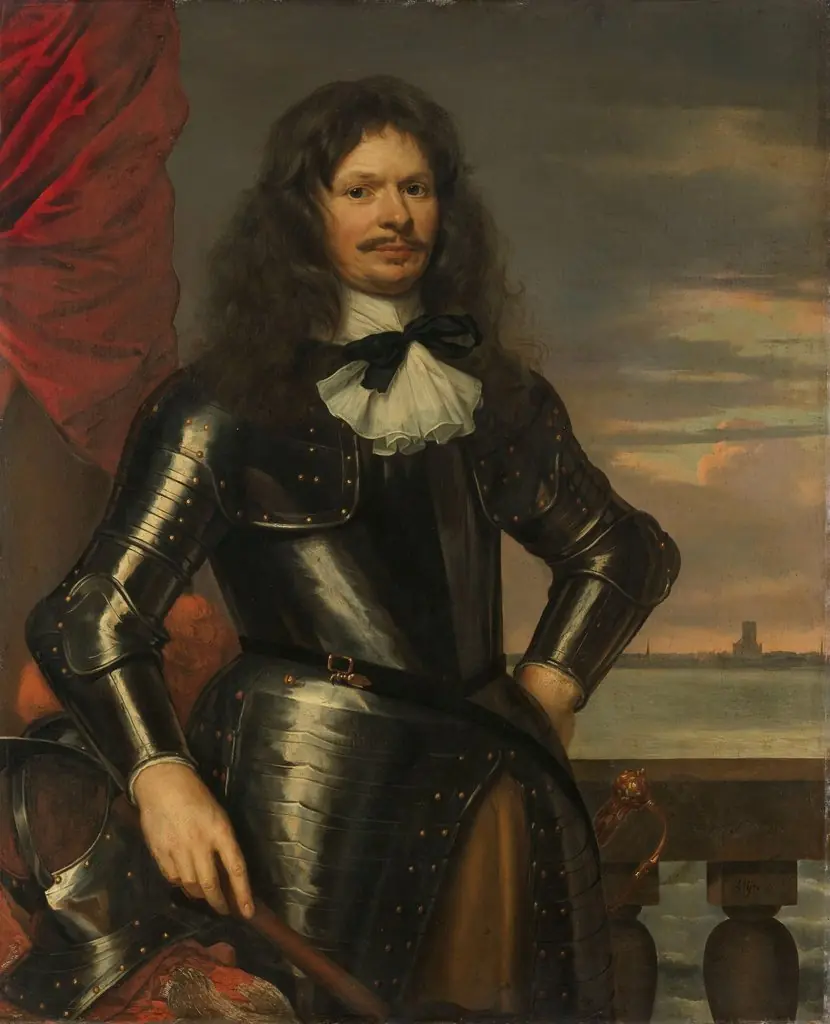 Portrait of Johan van Beaumont. Colonel in the Holland guards and commander of Den Briel
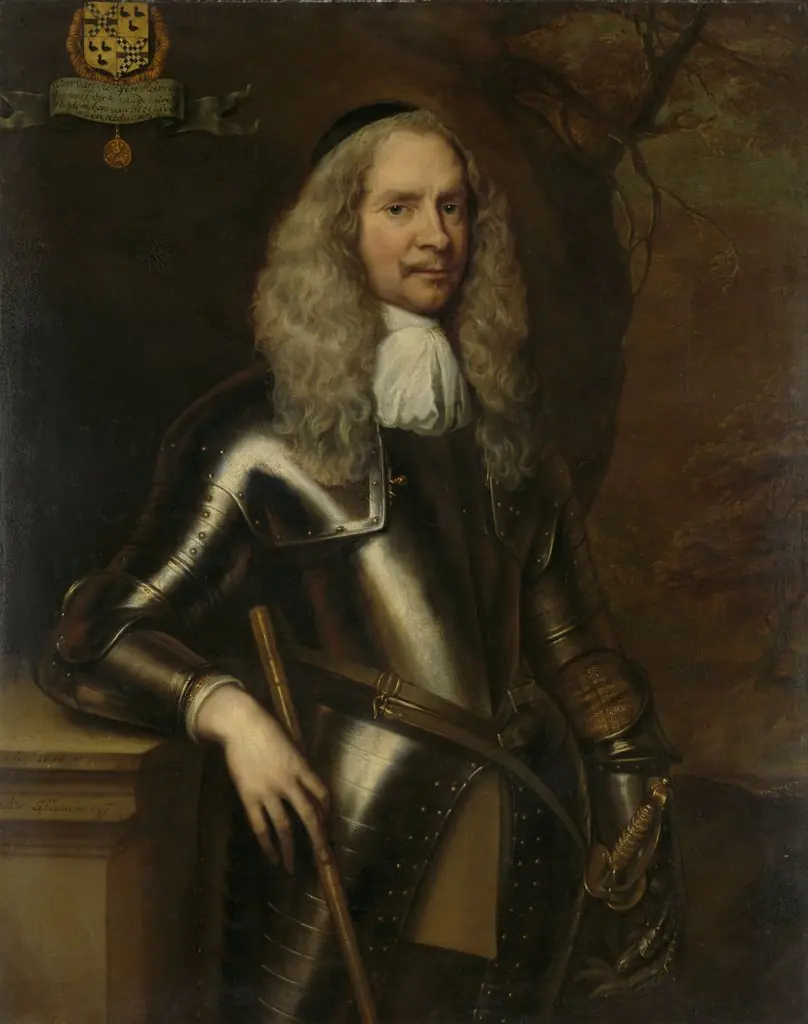 Cornelis van Aerssen (1600-62), lord of Sommelsdijk. Colonel of cavalry
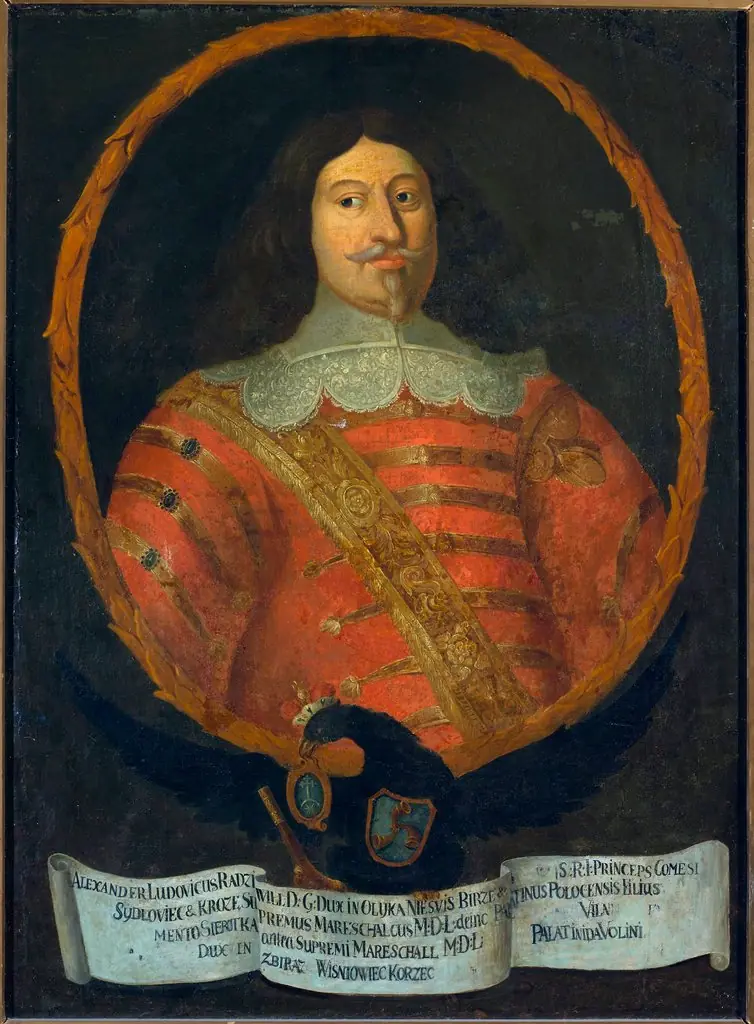 Portrait of Aleksander Ludwik Radziwiłł (1594–1654)
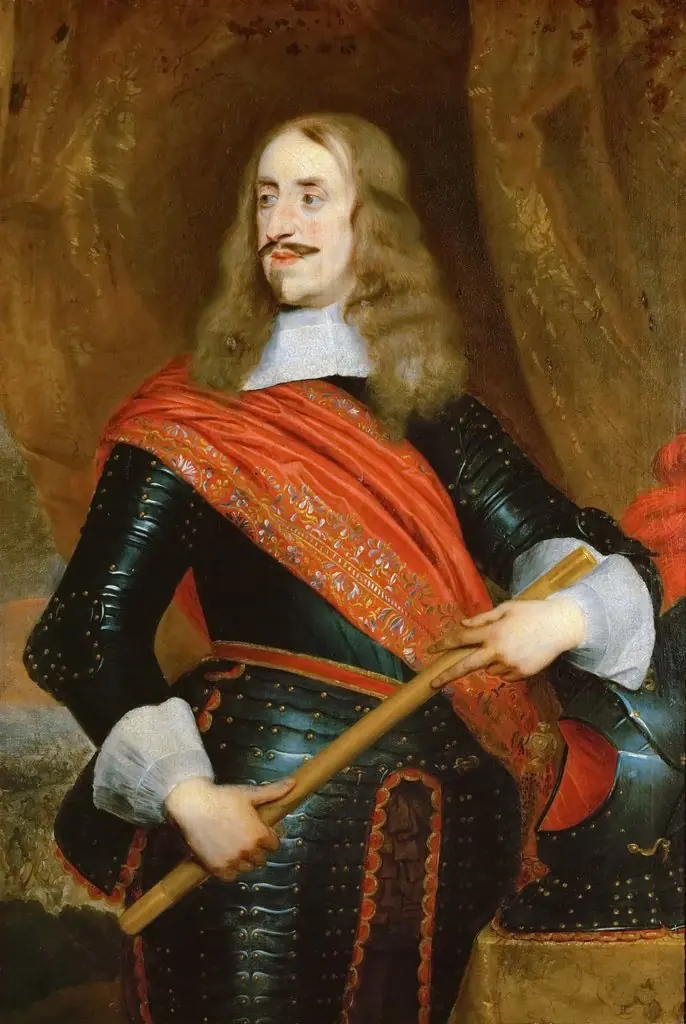 Portrait of Archduke Leopold Wilhelm (1614-1662)
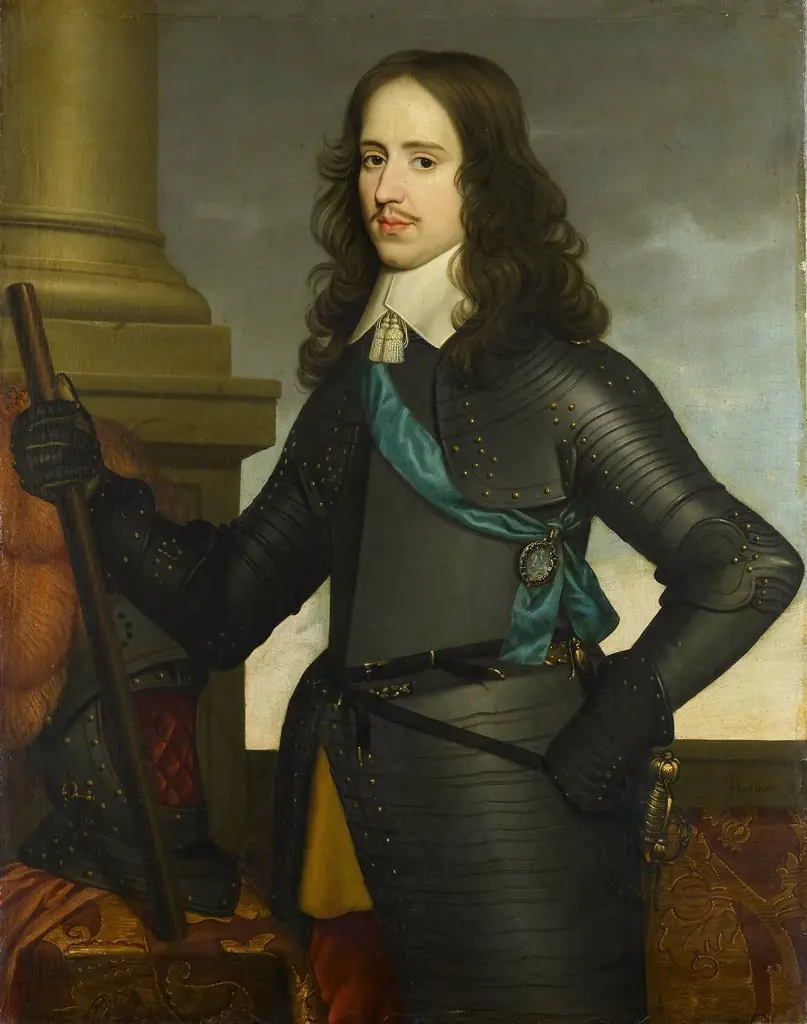 Portrait of Willem II (1626-50), Prince of Orange
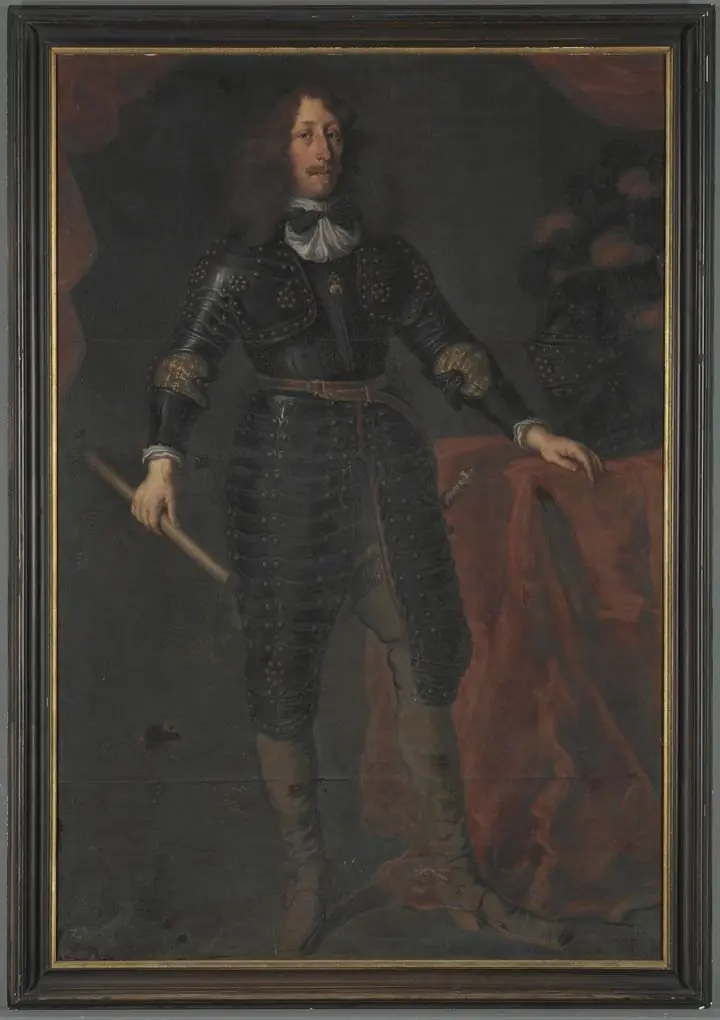 Portrait of duke Philipp Wilhelm, Elector Palatine (1615-1690)
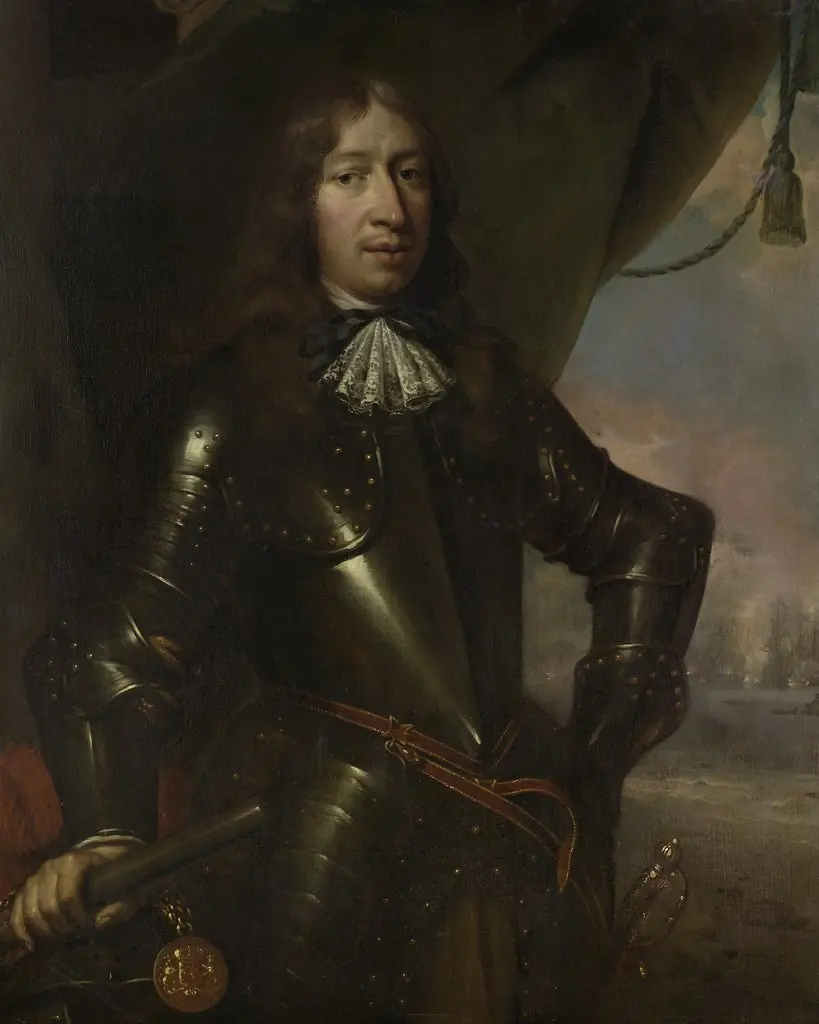 Portrait of Willem Joseph Baron van Ghent (1626-72), vice-admiral
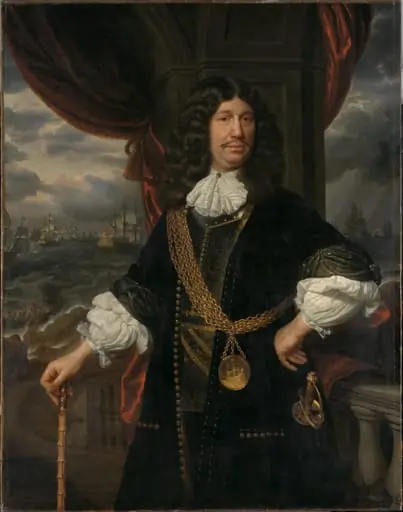 Portrait of Mattheus van den Broucke (1620-1685). Councillor of the Indies
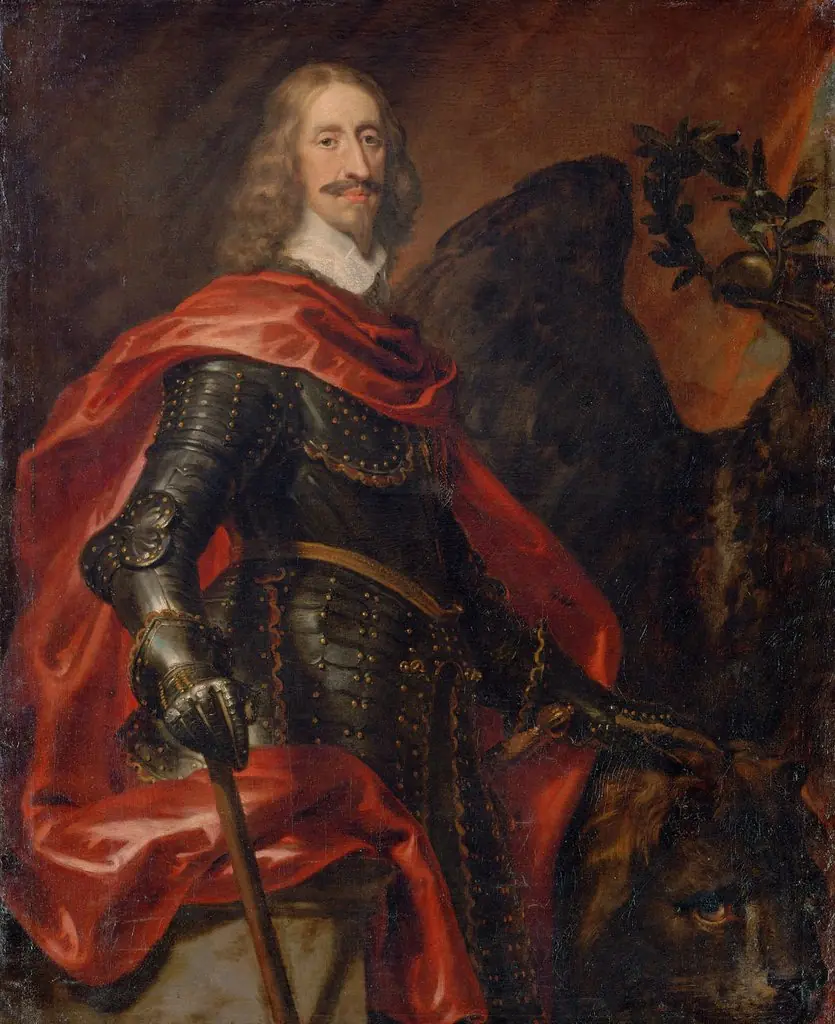 Portrait of Archduke Leopold Wilhelm of Austria
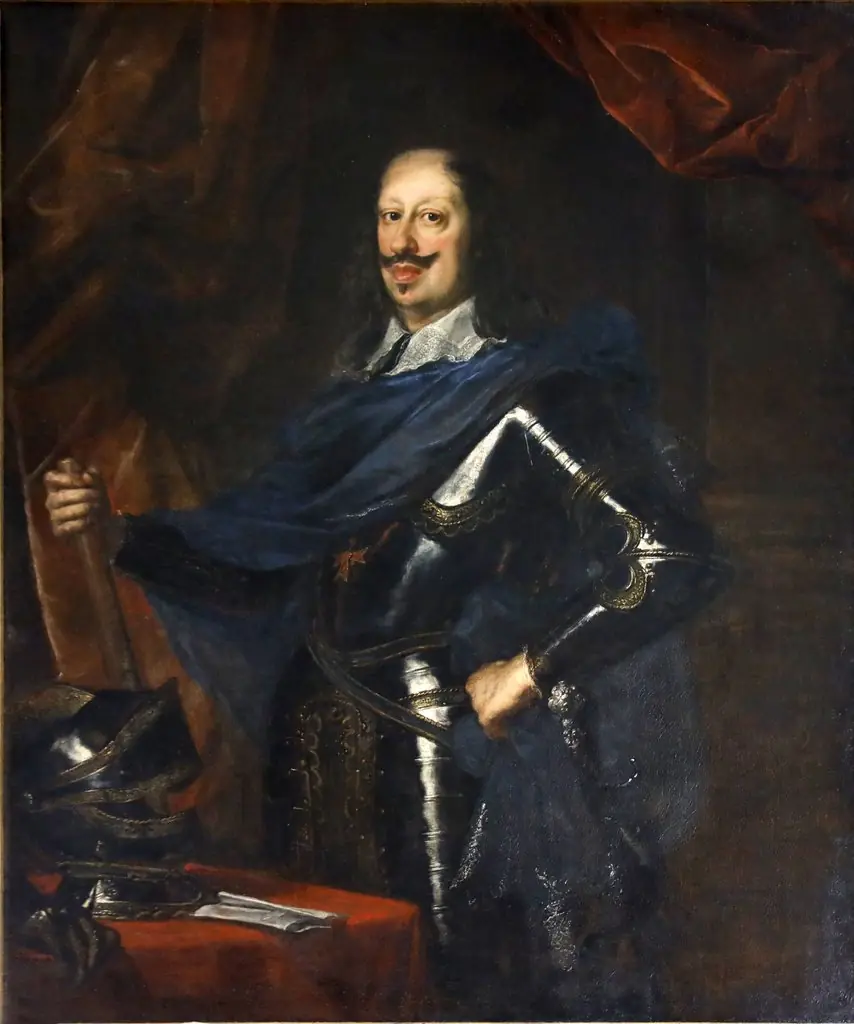 Portrait of Ferdinando II de'Medici
 portrait of Count Ludwig VI. von Hessen-Darmstadt