Artwork
Spring and Autumn Farming
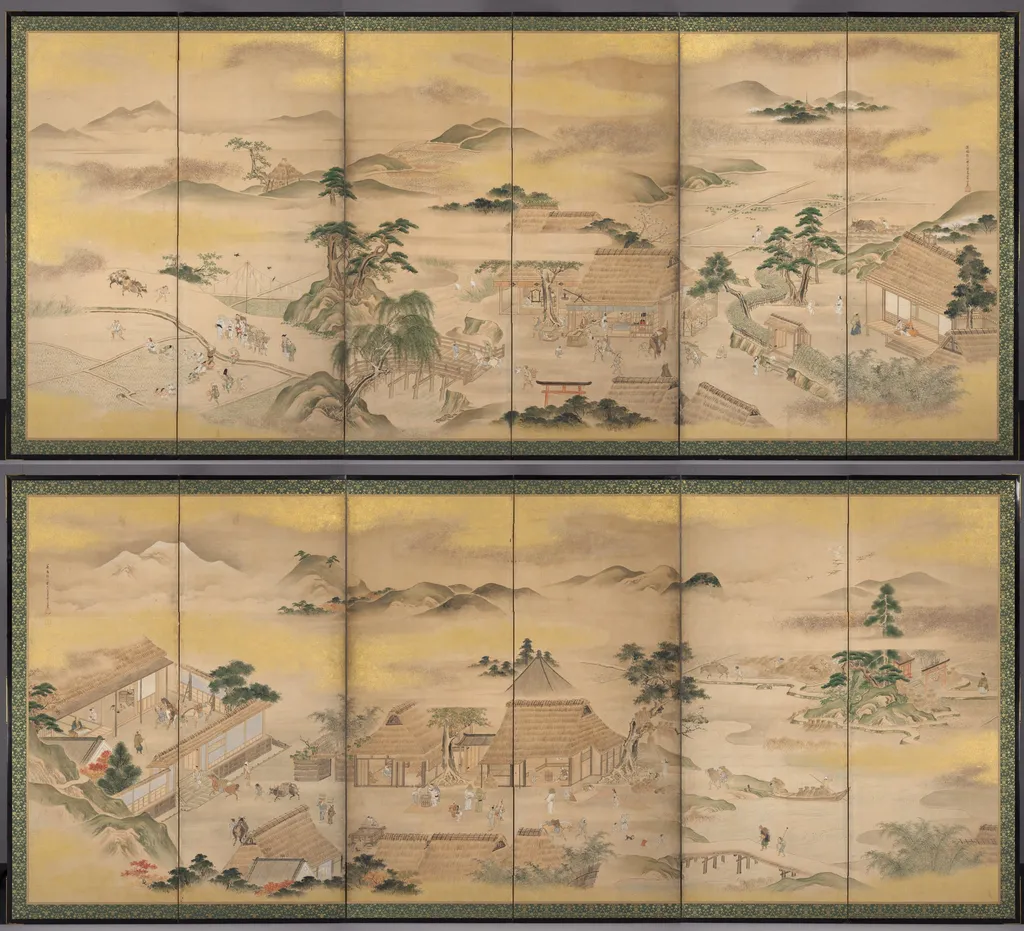
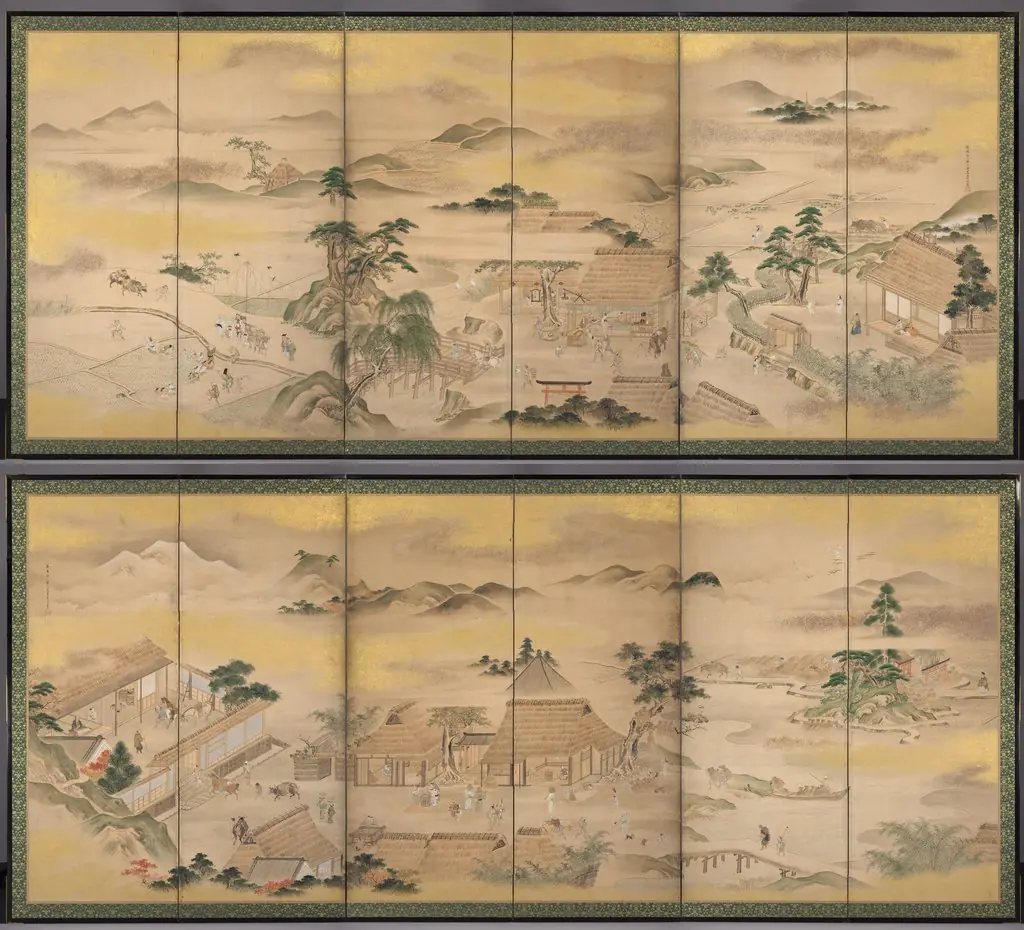
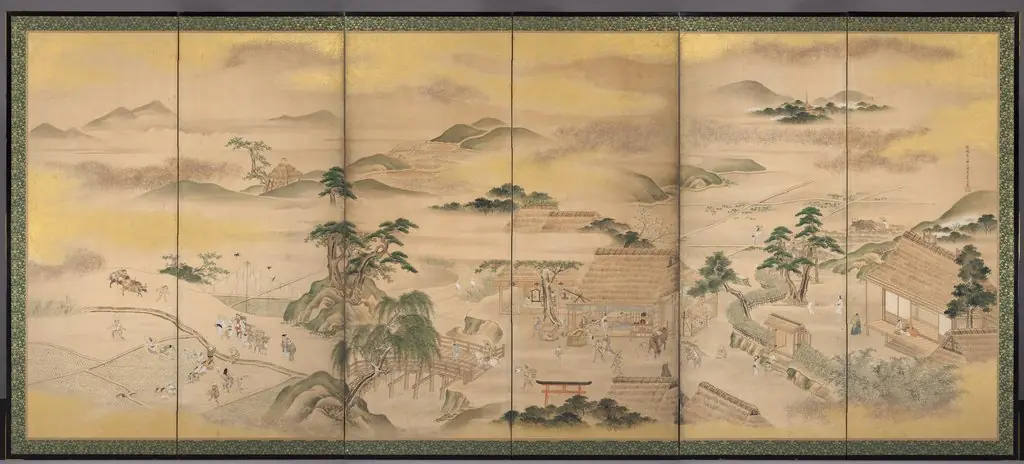
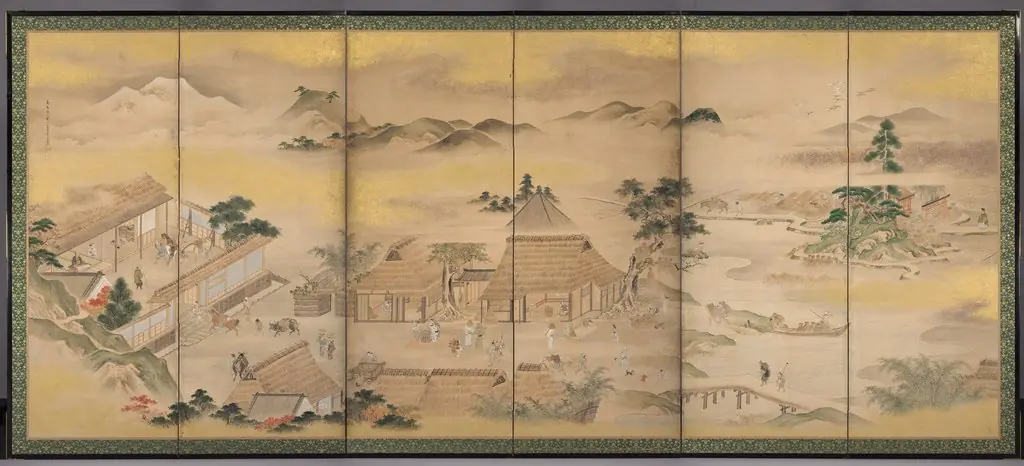
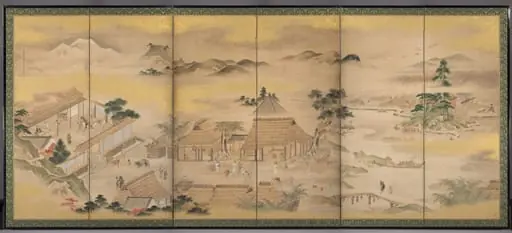
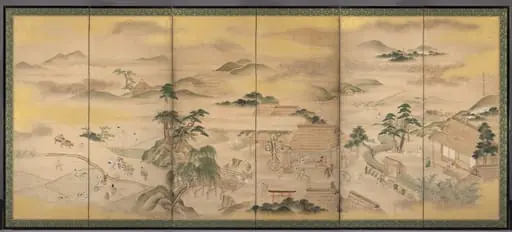
Spring and Autumn Farming is an unspecified painting by the Romanticist artist Kō Sūkoku. It dates from 1704 and is held in the collection of the Cleveland Museum of Art.
About this work
Overview
The pair of folding screens depicts the seasonal rhythm of rice cultivation in Japan, beginning with spring plowing on the right and concluding with the autumn harvest on the left. Throughout the panels, agricultural labor is interspersed with scenes of communal meals, games, and scholarly activities, illustrating a balanced cycle of work and leisure.
Subject & Meaning
Beyond the straightforward agricultural narrative, the screens embed moments of recreation and intellectual pursuit, suggesting a cultural ideal that values both productivity and refinement. Some scholars interpret the composition as an endorsement of orderly labor, while others detect subtle humor in the everyday details.
Technique & Style
The work is executed in the style of Kō Sūkoku, an 18th‑century painter linked to Hanabusa Itchō. Sūkoku’s approach blends influences from the Kano school, ukiyo‑e, and Chinese literati traditions, employing delicate brushwork and a muted palette to render both landscape and figure with a lyrical yet disciplined hand.
History & Provenance
Kō Sūkoku trained under Sawaki Sūshi, a direct disciple of Hanabusa Itchō, inheriting the latter’s aesthetic and philosophical outlook. The screens were likely produced for a private household or temple setting, reflecting the period’s interest in didactic art that combined moral instruction with visual pleasure.
Context
Created in the Edo period, the screens reflect contemporary concerns about agricultural stability and social order. The integration of leisure activities within the agrarian cycle mirrors broader cultural narratives that linked moral virtue to harmonious living in a hierarchical society.
Artist & collection