Artwork
布袋図 (Hotei zu)|Hotei
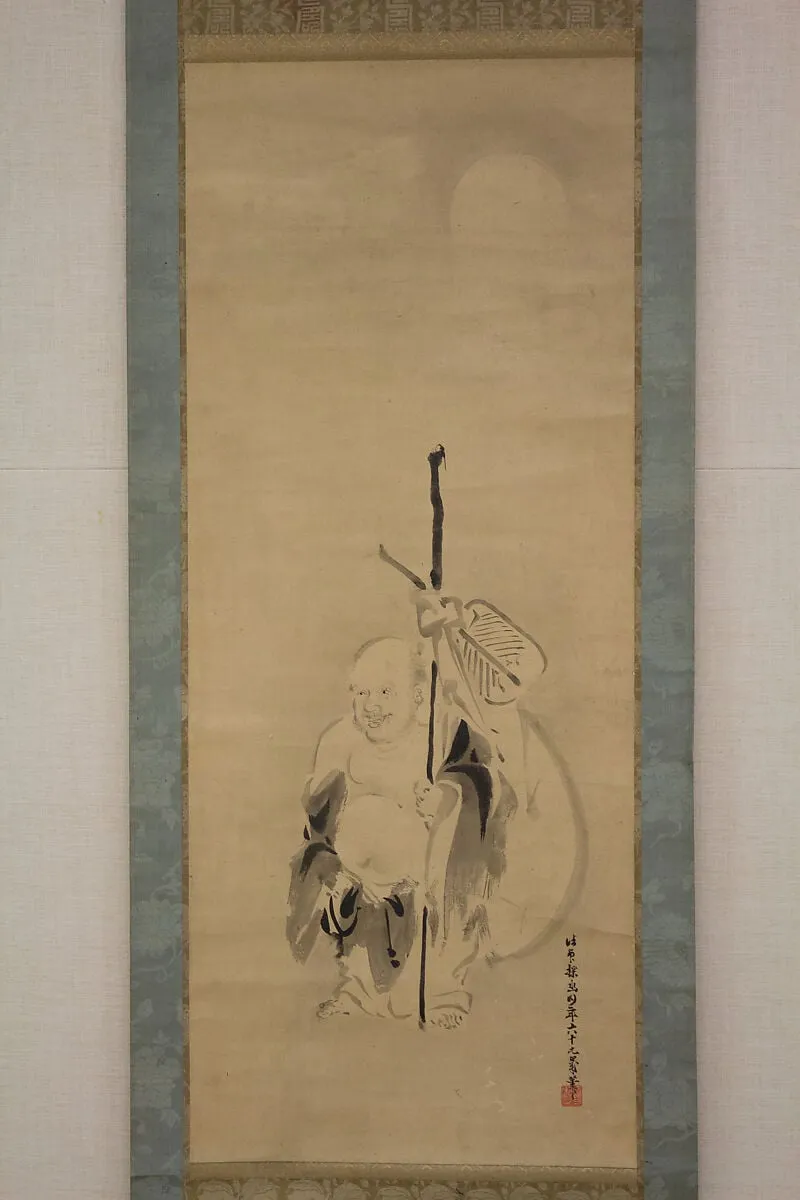
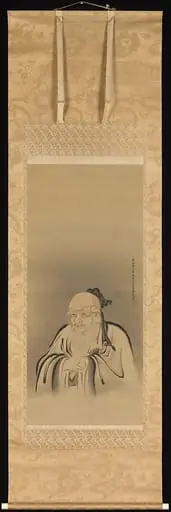
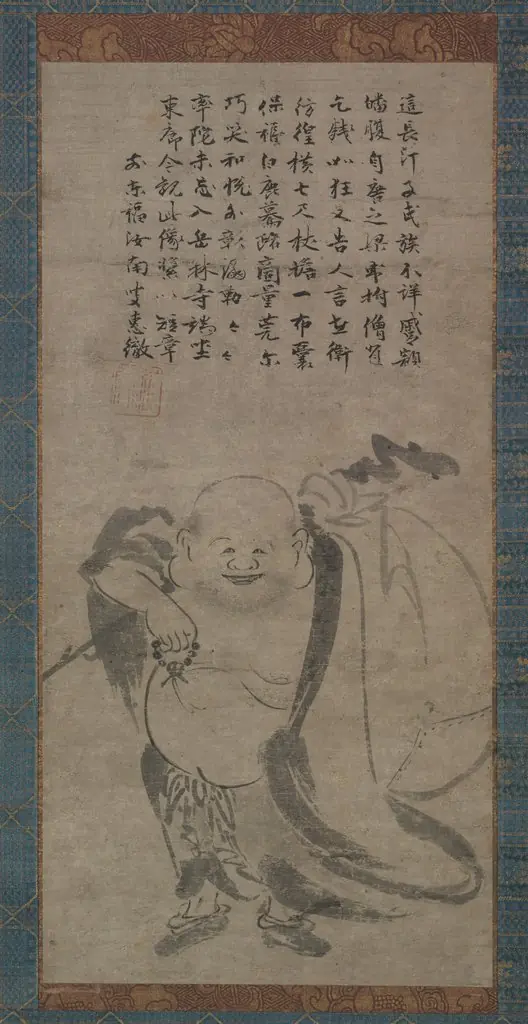
布袋図 (Hotei zu)|Hotei is an ink painting by the Baroque artist Kano Tan'yū. It is held in the collection of the Metropolitan Museum of Art. Kano Tan’yū’s 1707 hanging scroll presents a single figure rendered in ink on paper.
About this work
Overview
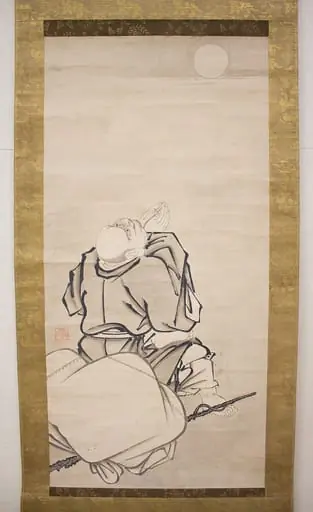
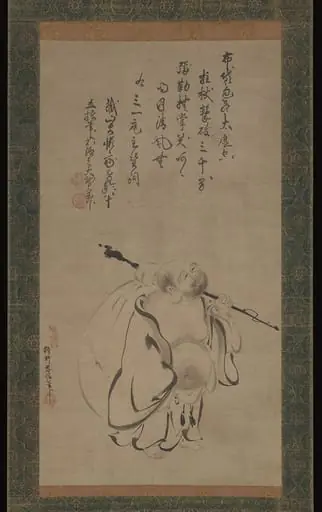
Kano Tan’yū’s 1707 hanging scroll presents a single figure rendered in ink on paper. The composition centers on a rotund, smiling man seated on the ground, his open robe exposing a protruding belly. He balances a cloth sack on one shoulder while holding a fan in the other hand, creating a lively, informal pose.
Subject & Meaning
The figure is Hotei, a legendary Buddhist monk associated with the “Laughing Buddha” archetype. In Japanese folklore Hotei is celebrated for his generosity and mirth, wandering the country spreading happiness. The depiction emphasizes his jovial nature through the expansive grin and relaxed posture.
Technique & Style
Tan’yū employs swift, assured brushwork characteristic of the Kanō school, allowing the ink lines to convey both form and movement. The minimal use of color and the emphasis on ink washes give the portrait a spontaneous, almost sketch‑like quality that suggests the figure could step out of the scroll at any moment.
History & Provenance
Created in the early Edo period, the scroll reflects the era’s interest in portraying popular religious figures for both devotional and decorative purposes. While specific ownership records are scarce, the work is attributed to Tan’yū, a leading painter of the Tokugawa shogunate, and remains an example of his secular portraiture.
Context
During the 18th century, images of Hotei were common in both temple settings and private collections, serving as talismans of good fortune. Tan’yū’s rendition aligns with this tradition, yet his refined brush technique situates the piece within the elite Kanō academy’s aesthetic, bridging folk iconography and courtly art.
Artist & collection