Artwork
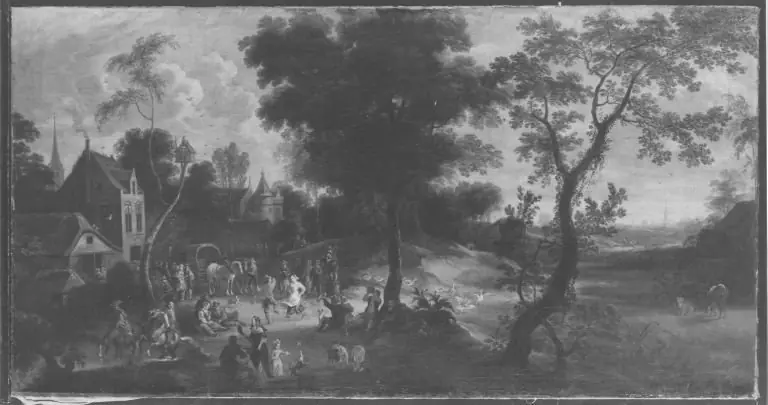
Plünderung eines Dorfes
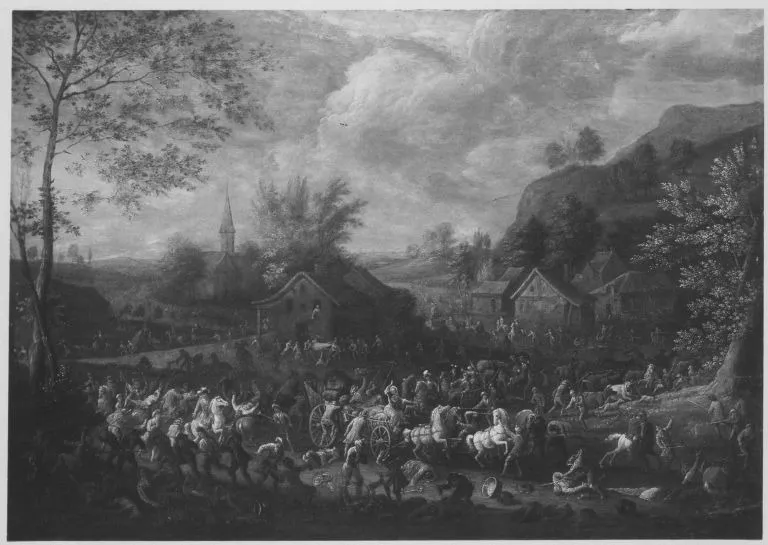
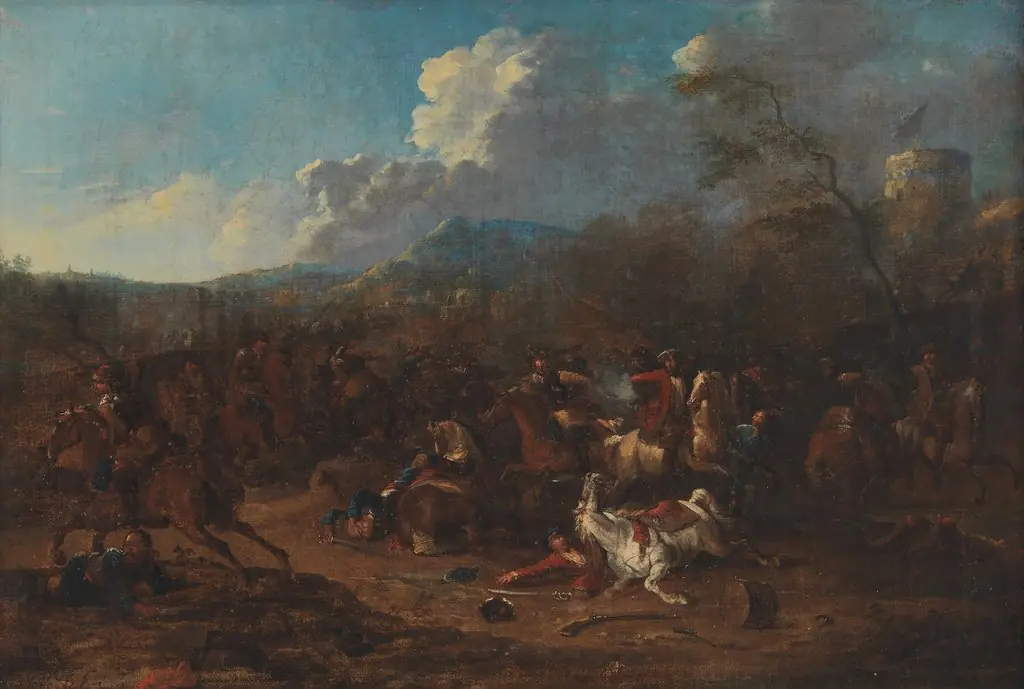
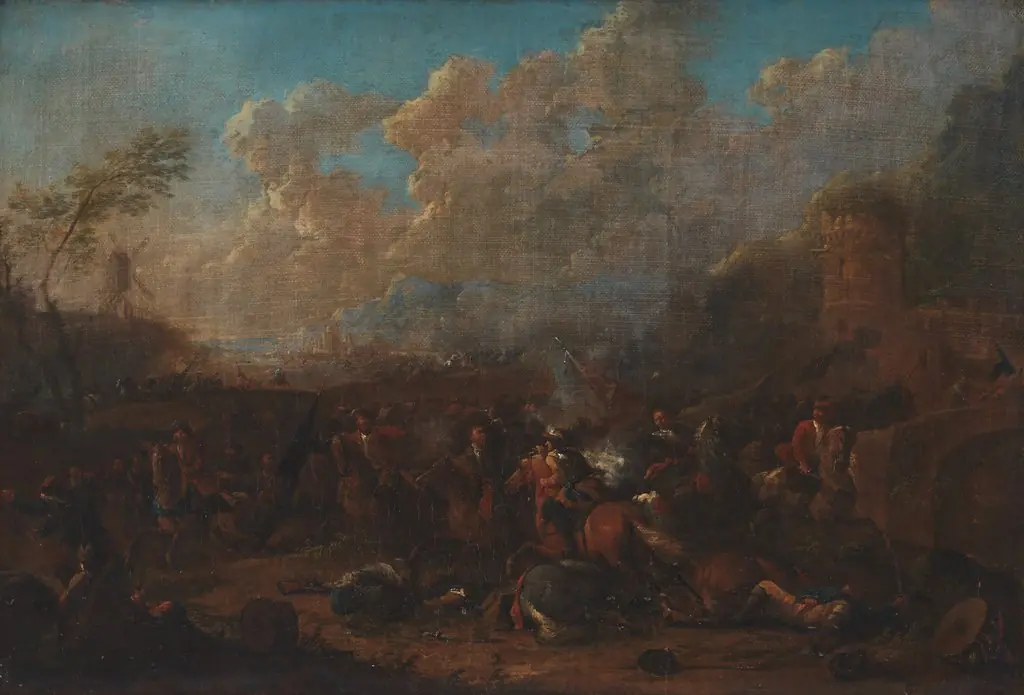
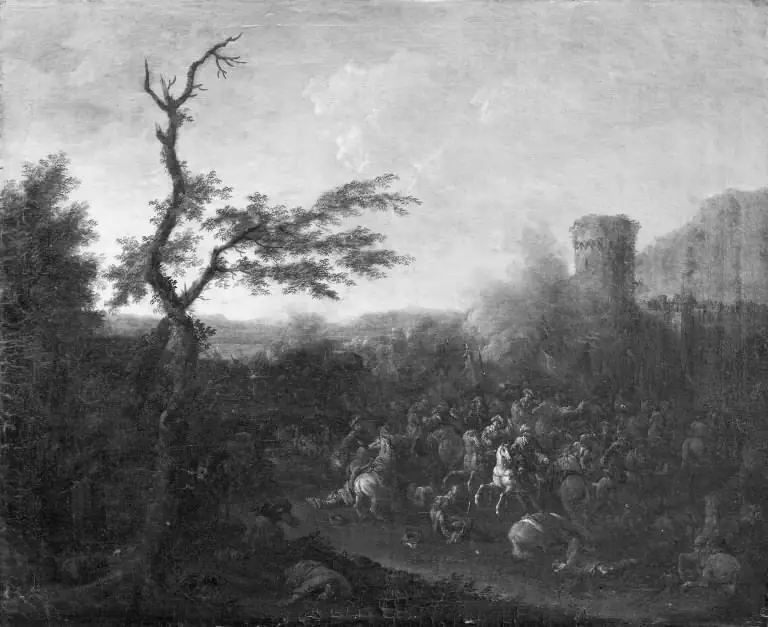
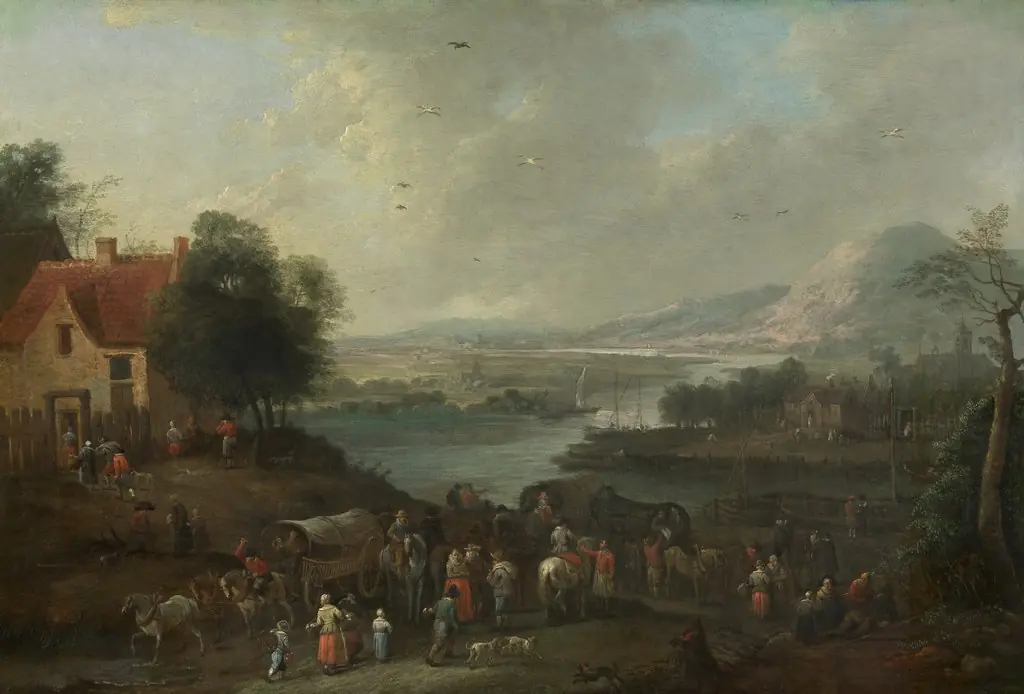
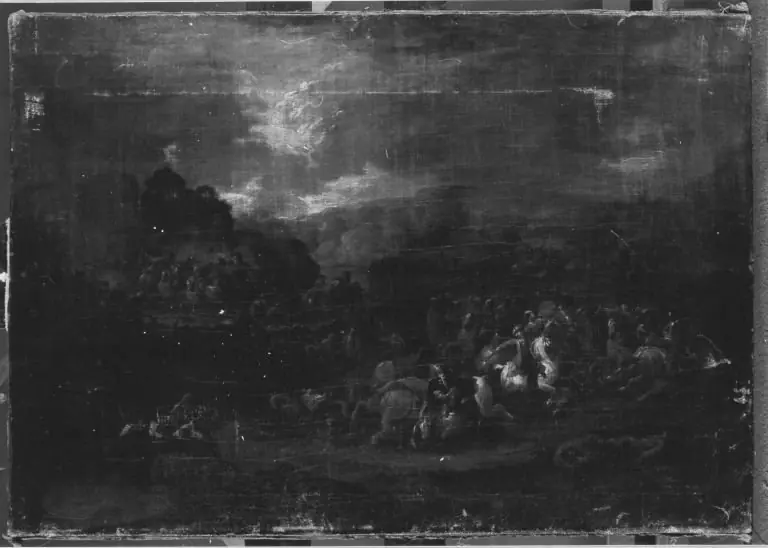
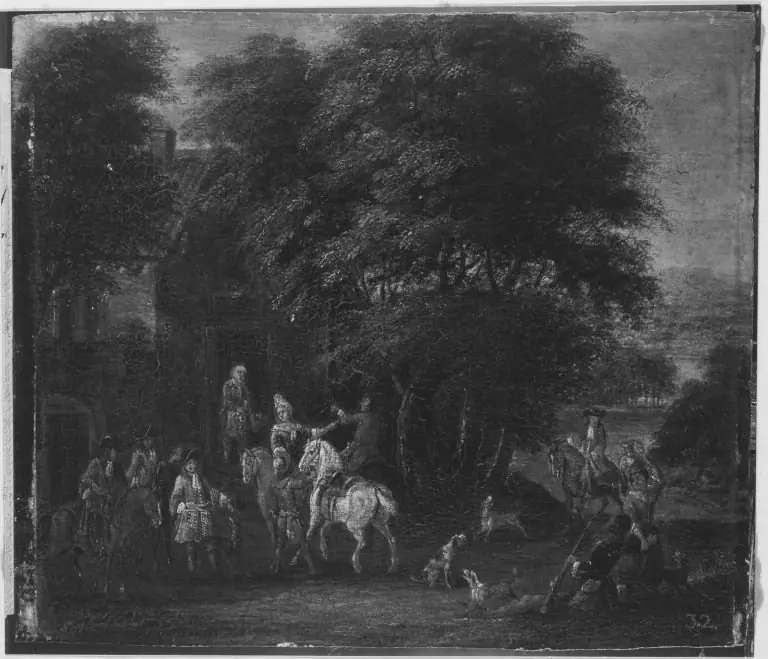
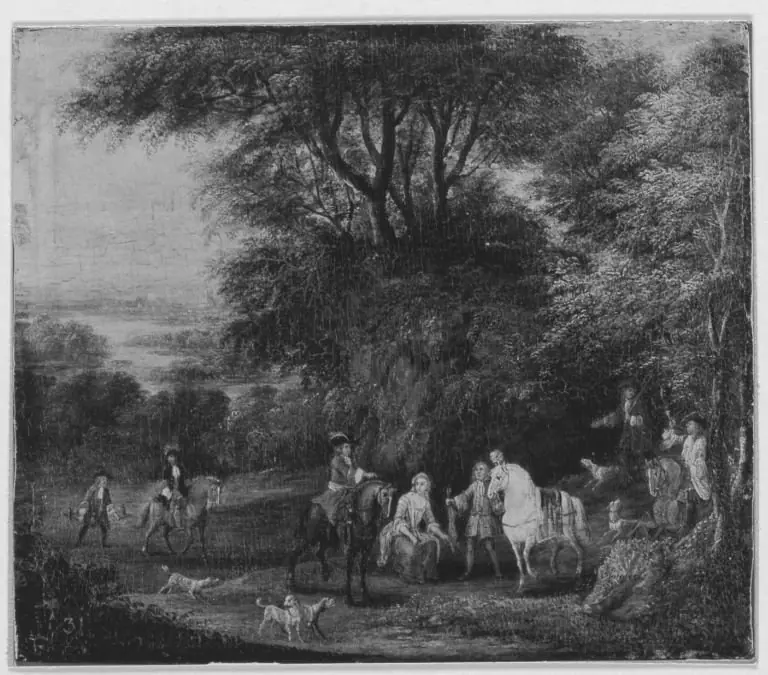
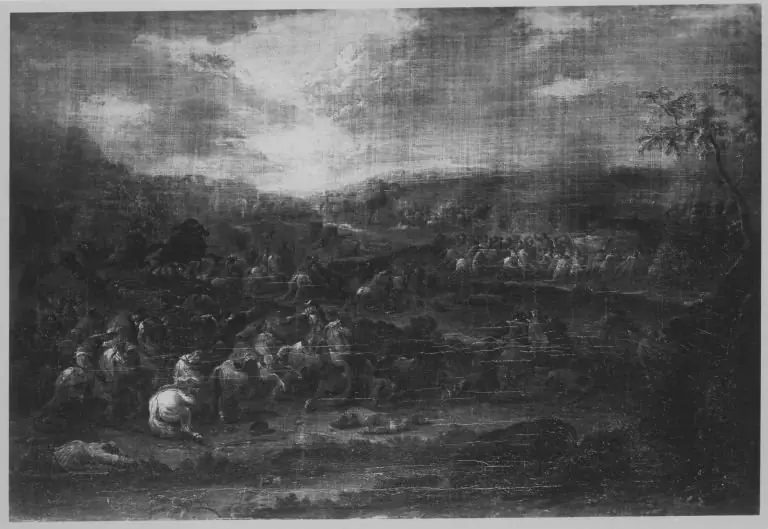
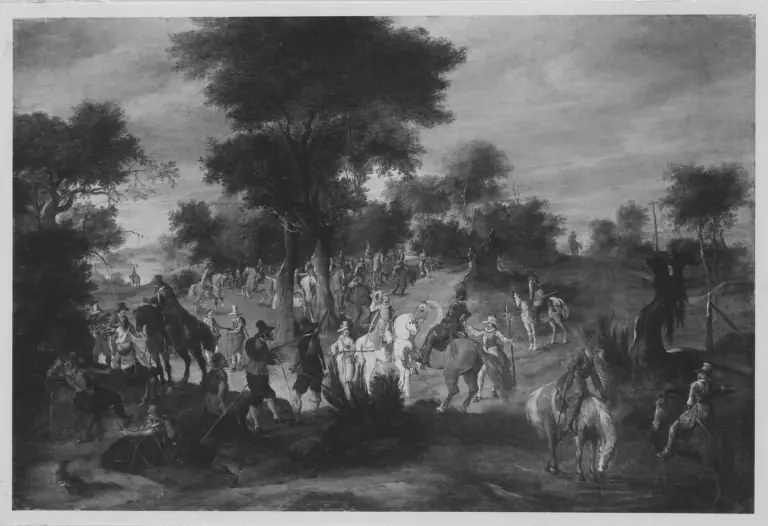
Plünderung eines Dorfes is an unspecified painting by the Barbizon school artist Karel Breydel. It dates from 1705 and is held in the collection of the Bavarian State Painting Collections.
About this work
Overview
The painting is part of the Alte Pinakothek’s collection in Munich, where it is displayed among other European works from the period.
Painted in 1705 by Karel Breydel, known as 'Le Chevalier,' this work captures a village under attack. Breydel, a Flemish artist active in the early 18th century, focused on military themes and dynamic landscapes. The painting is part of the Alte Pinakothek’s collection in Munich, where it is displayed among other European works from the period. Its composition emphasizes movement and disorder, typical of Breydel’s interest in scenes of conflict.
Subject & Meaning
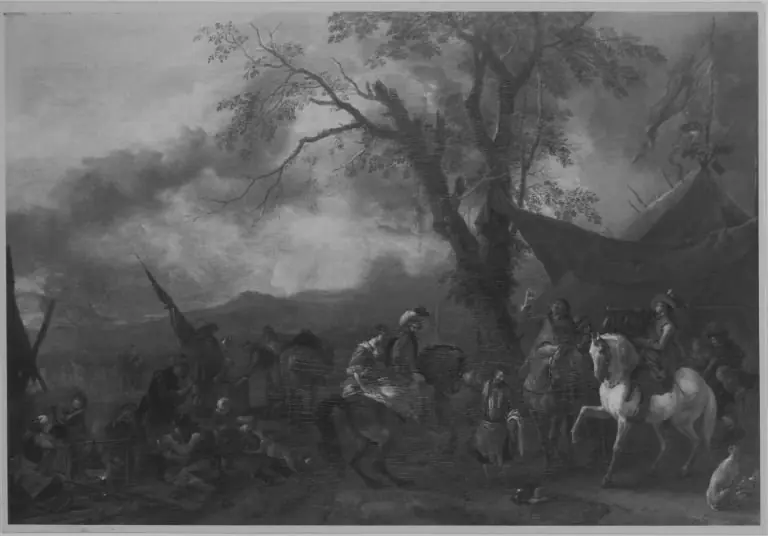
The scene portrays the chaos of a raid on a rural settlement, with figures scattering, animals fleeing, and carts overturned. A distant church steeple suggests the vulnerability of communal institutions during wartime. Rather than glorifying violence, the painting conveys disruption and human displacement. Breydel’s choice of subject reflects broader European anxieties about the consequences of military incursions in the early 1700s.
Technique & Style
Breydel employs a loose, energetic brushwork to render motion across the canvas. Figures and animals are rendered with quick strokes, creating a sense of urgency. The palette includes earthy tones with muted highlights, grounding the scene in realism. Depth is achieved through atmospheric perspective, with the hills and church steeple receding into the background. The composition avoids idealization, favoring a documentary-like immediacy.
History & Provenance
The painting entered the Alte Pinakothek’s collection in the 19th century, likely through acquisitions of Flemish and Dutch works from private collections. Its attribution to Breydel is consistent with his known oeuvre, though few of his works survive. The painting’s journey from its creation in 1705 to its current home reflects broader European patterns of art collecting during the Enlightenment and Romantic eras.
Context
Created during the War of the Spanish Succession, the painting resonates with contemporary experiences of civilian suffering in war-torn regions. While Breydel was not a witness to this specific event, his depictions drew from widespread reports and artistic traditions of battlefield imagery. His work stands apart from the idealized battle scenes of earlier centuries, offering a more grounded, less heroic view of conflict.
Legacy
Though Breydel is not widely known today, his work contributes to the understanding of 18th-century Flemish painting beyond religious or mythological subjects. His focus on military chaos influenced later artists interested in the social impact of war. The painting remains a quiet but significant example of how regional painters documented the realities of conflict during a turbulent era in European history.
Artist & collection
Artist
Karel Breydel or Carel Breydel, called 'Le Chevalier' (1678 in Antwerp – 1733 in Antwerp) was a Flemish painter of battle pieces, equestrian paintings and landscapes.