Artwork
Reitergefechtsaufstand
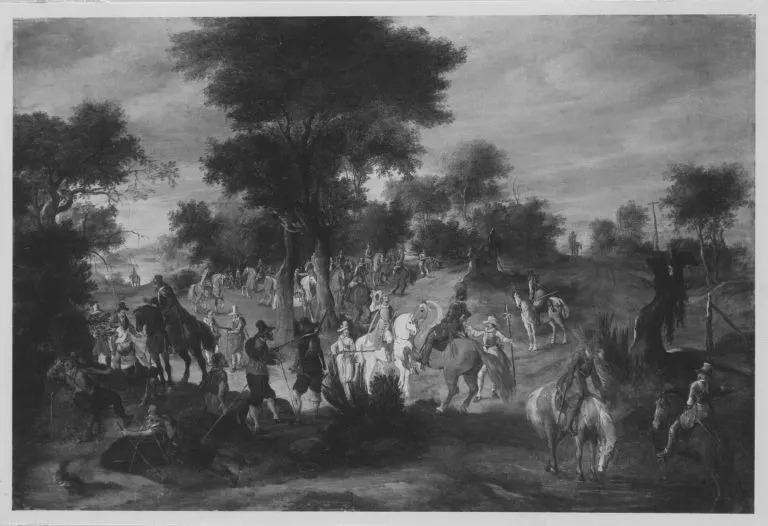
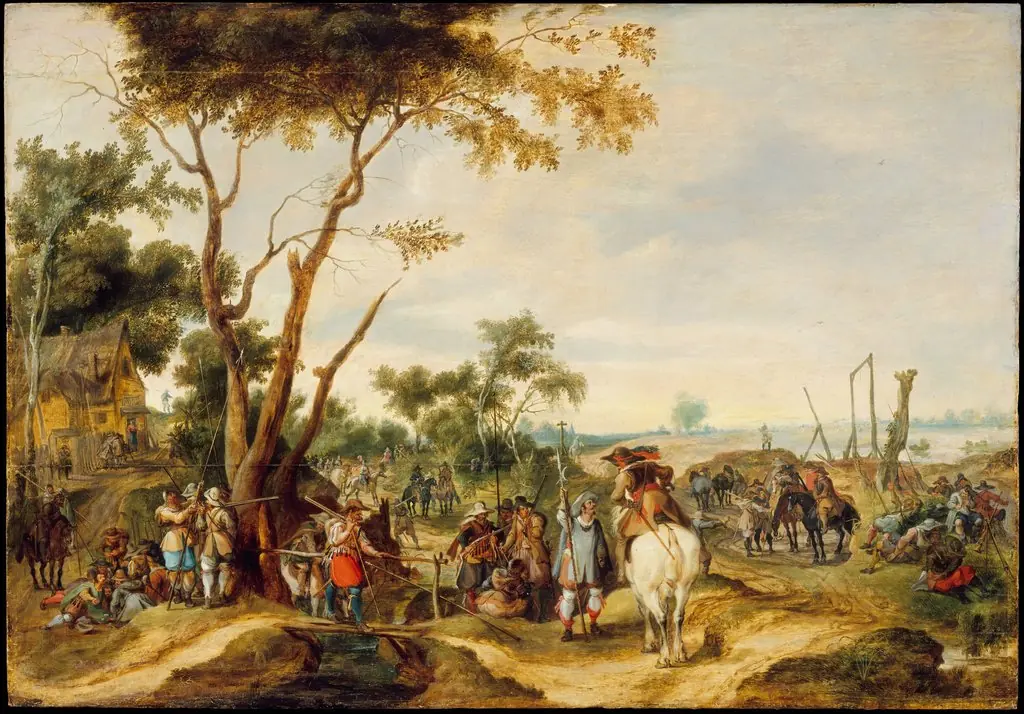
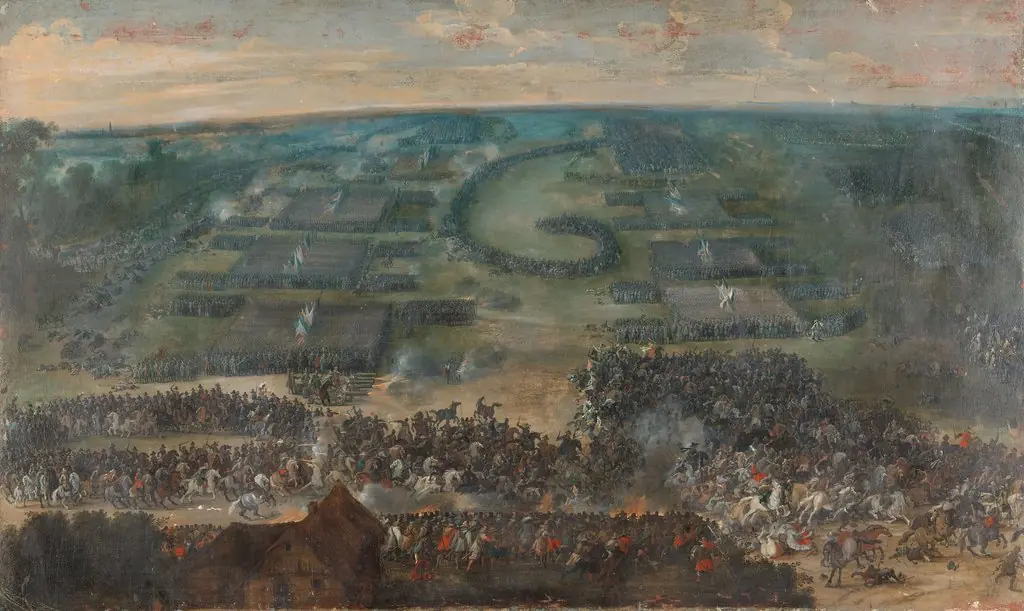
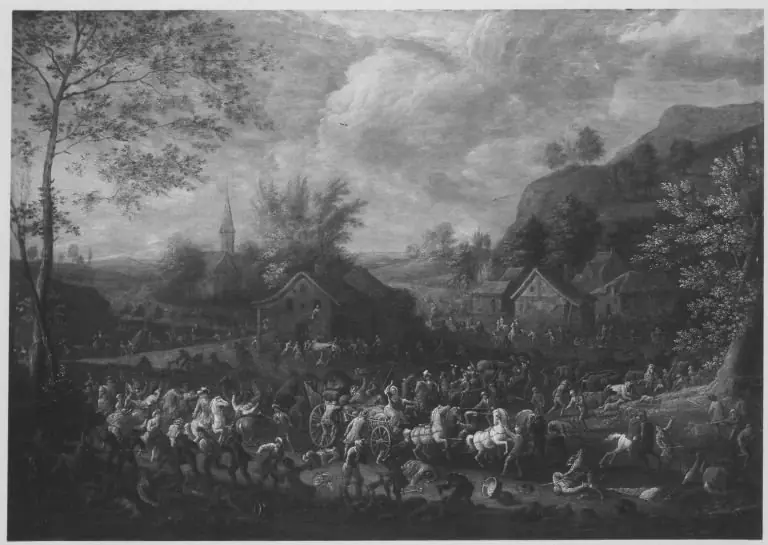
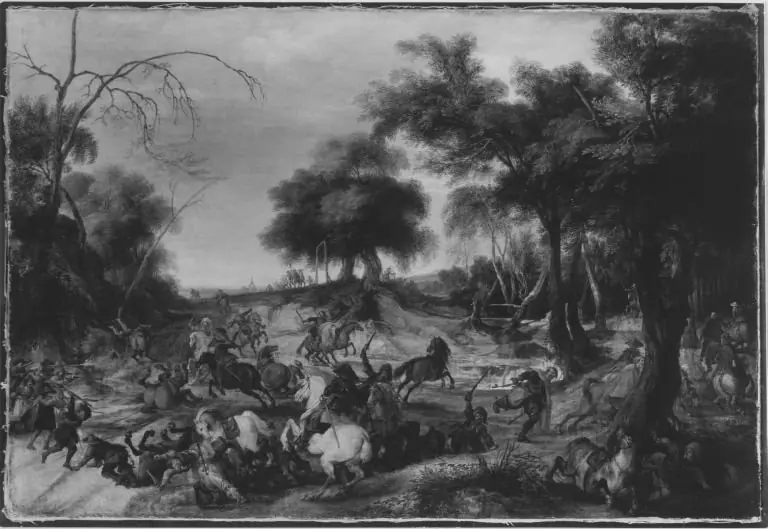
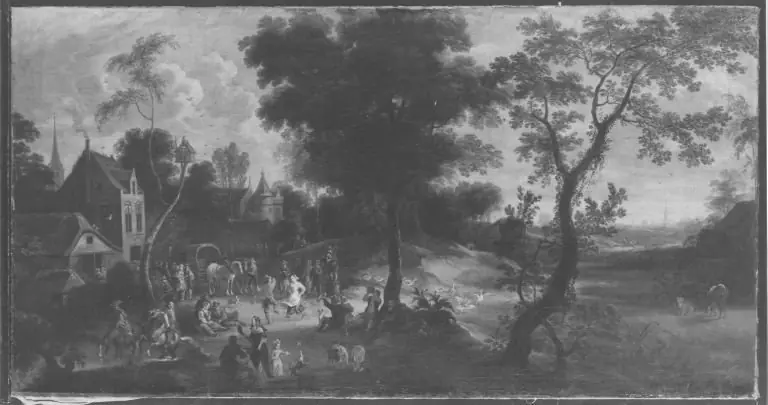
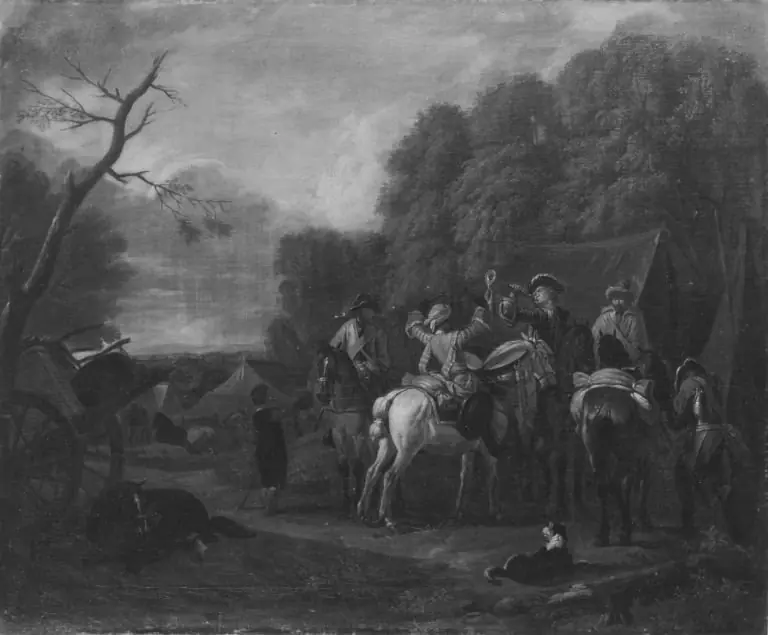
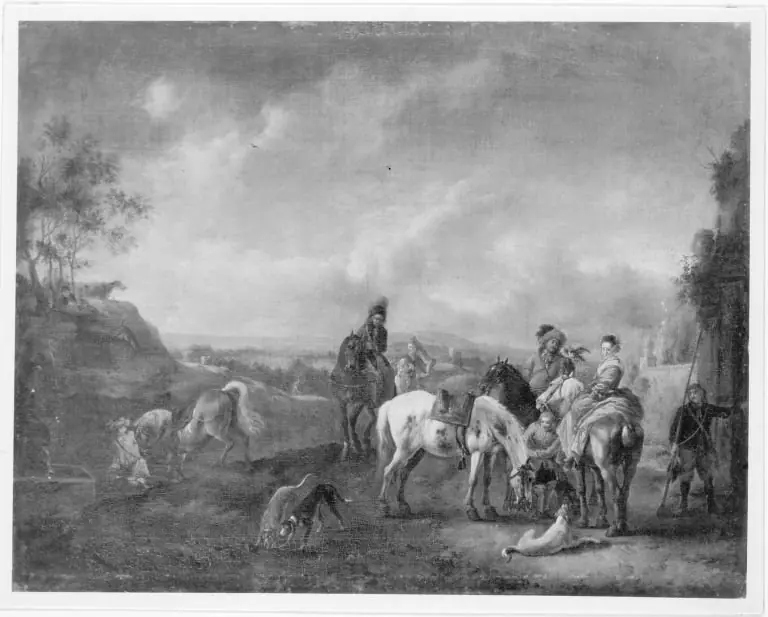
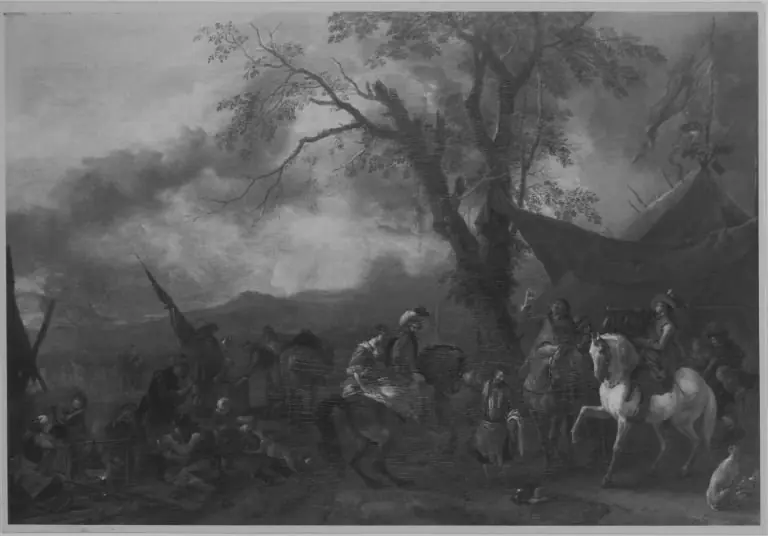
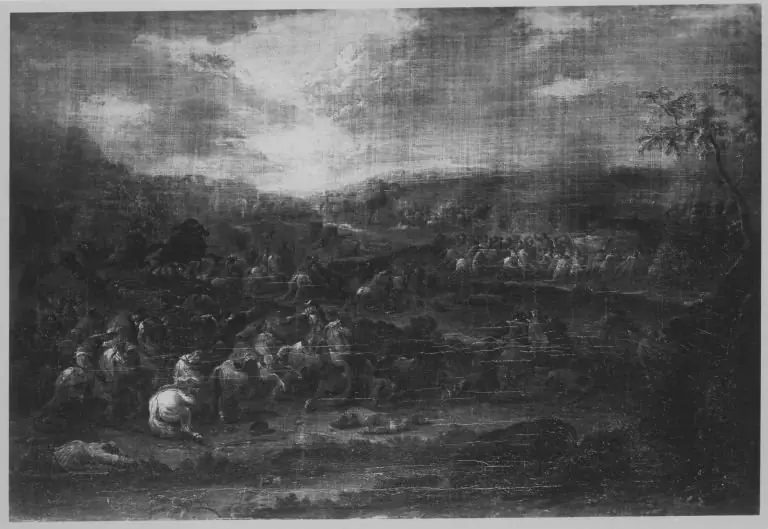
Reitergefechtsaufstand is an unspecified painting by the Flemish Baroque painting artist Peter Snayers. It dates from 1629 and is held in the collection of the Bavarian State Painting Collections.
About this work
Overview
Peter Snayers, a Flemish painter active in the early 17th century, focused on detailed depictions of military engagements. His 1629 work *Reitergefechtsaufstand* captures a cavalry skirmish with attention to spatial arrangement and troop movement. The painting resides in the Alte Pinakothek in Munich and exemplifies Snayers’ role as a chronicler of battlefield events during the Thirty Years’ War.
Subject & Meaning
Snayers emphasizes the uncertainty of military encounters, highlighting command dynamics and the fragile line between truce and renewed violence.
The scene portrays a moment of pause amid conflict, with mounted soldiers arranged in a loose semicircle and a few figures on foot engaged in what appears to be negotiation. The presence of drawn swords and raised gestures suggests tension, but not active combat. Snayers emphasizes the uncertainty of military encounters, highlighting command dynamics and the fragile line between truce and renewed violence.
Technique & Style
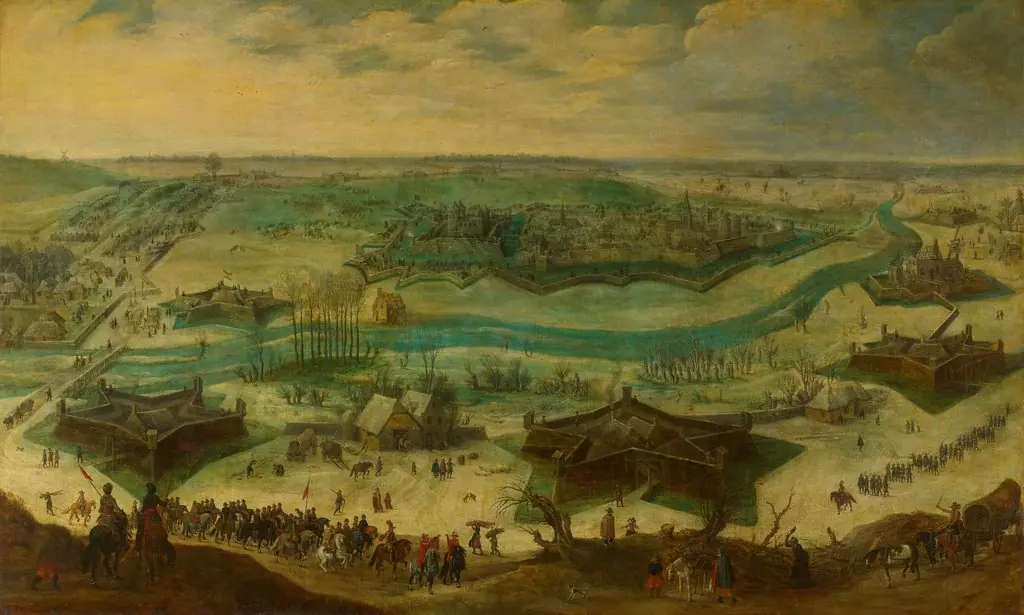
Snayers employed a high vantage point to convey the scale and positioning of troops, a hallmark of his approach. Figures are rendered with precise detail, particularly in armor and horse anatomy, while the landscape remains subdued. Atmospheric perspective and muted tonal contrasts guide the viewer’s eye across the composition, avoiding dramatic chiaroscuro in favor of documentary clarity.
History & Provenance
Painted in 1629, the work emerged during Snayers’ rise as a favored military chronicler for Habsburg patrons. He frequently collaborated with landscape specialists and was later appointed court painter in Brussels. The painting entered the Alte Pinakothek’s collection through established European royal and aristocratic networks, reflecting its status as a record of contemporary military affairs.
Context
Created during the Thirty Years’ War, the painting reflects the fragmented, localized nature of cavalry raids common in the Low Countries and German territories. Snayers’ scenes were valued not for heroism but for their utility as visual reports, aiding commanders and courts in understanding troop deployments and battlefield conditions across a war-torn region.
Legacy
Snayers’ method of documenting warfare influenced later military illustrators and topographical artists. His emphasis on accuracy over spectacle set a precedent for the use of painting as a record of military events. Though less celebrated than contemporaries like Rubens, his work remains a key resource for understanding early modern warfare’s visual culture.
Artist & collection
Artist
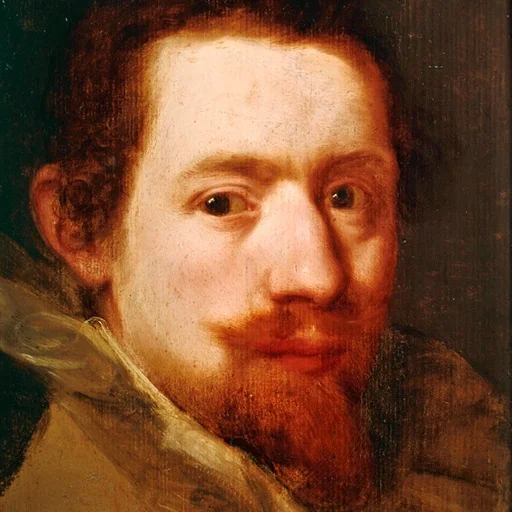
Peter Snayers or Pieter Snayers (1592–1667) was a Flemish painter known for his panoramic battle scenes, depictions of cavalry skirmishes, attacks on villages, coaches and convoys and hunting scenes.