Artwork
Bildnis eines Bildhauers
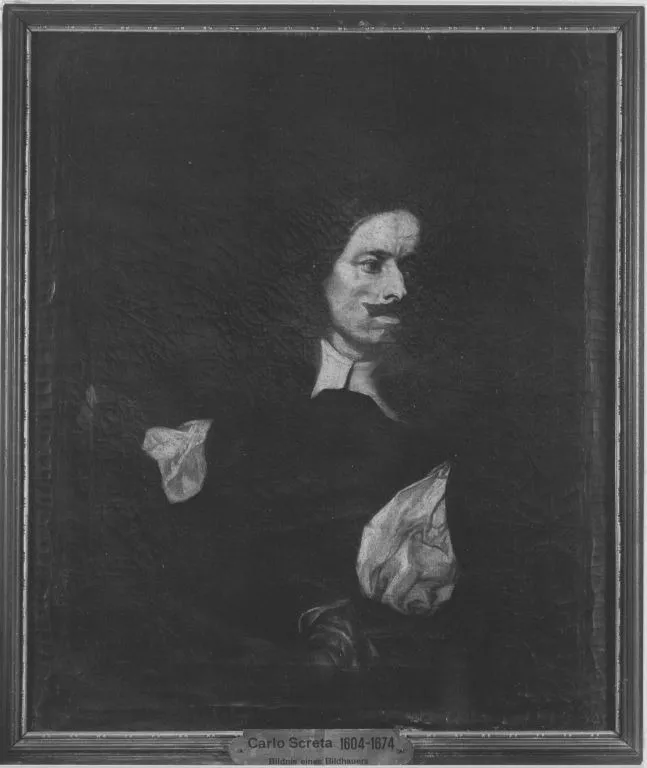
Bildnis eines Bildhauers is an unspecified painting by the Early Baroque Italian artist Karel Škréta. It dates from 1641 and is held in the collection of the Bavarian State Painting Collections. Created in 1641, this oil portrait presents a male sculptor rendered in the early Baroque idiom.
About this work
If you're interested in learning more about the artist who created this painting, you might want to look up Karel Škréta.
This painting depicts a man in a dark, formal outfit, with a white ruffled collar and cuffs. He wears a dark hat and has a serious expression on his face. The background is dark, which helps the subject stand out.
The man's attire and the style of the painting suggest that it is from the 17th century. The use of dark colors and the focus on the subject's face and clothing are typical of portraits from this time period.
If you're interested in learning more about the artist who created this painting, you might want to look up Karel Škréta.
Overview
Created in 1641, this oil portrait presents a male sculptor rendered in the early Baroque idiom. The sitter is shown in a dark, formal costume with a white ruffled collar and cuffs, a somber hat, and a serious expression. A deep, unadorned background isolates the figure, emphasizing his features and attire.
Subject & Meaning
The work portrays a craftsman of sculpture, identified by his attire and the title, suggesting a focus on the individual artist rather than a patron or religious figure. The solemn demeanor and restrained pose convey the dignity of manual artistry, aligning with Baroque interests in personal identity and professional status.
Technique & Style
Executed in the early Italian Baroque manner, the painting employs chiaroscuro to model the figure against a dark backdrop. The contrast between the luminous white ruff and the surrounding shadows creates a three‑dimensional effect. Fine brushwork delineates the textures of fabric and flesh, while the overall composition remains restrained, reflecting Škréta’s mastery of portraiture.
History & Provenance
The portrait was painted by Karel Škréta, a Czech artist who moved from Prague to Saxony and later Italy during the turmoil of the Thirty Years’ War. After changing hands over the centuries, the painting entered the collection of the Alte Pinakothek in Munich, where it remains on display as part of the museum’s Baroque holdings.
Context
Škréta, renowned for both portraiture and altarpieces, worked within a cultural milieu that blended Central European and Italian influences. The painting’s stylistic choices reflect the diffusion of Italian Baroque aesthetics into Bohemian art circles, illustrating how artists adapted foreign trends to local subjects and professional identities.
Artist & collection
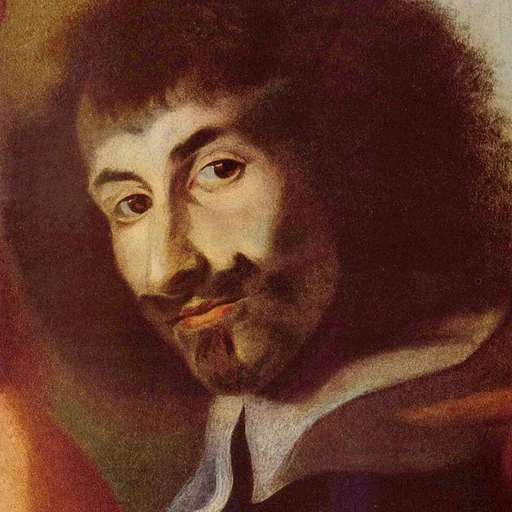
Artist
Karel Škréta Šotnovský of Závořice (Czech: Karel Škréta Šotnovský ze Závořic; 1610 – 30 July 1674) was a Czech painter who worked in the Baroque style.

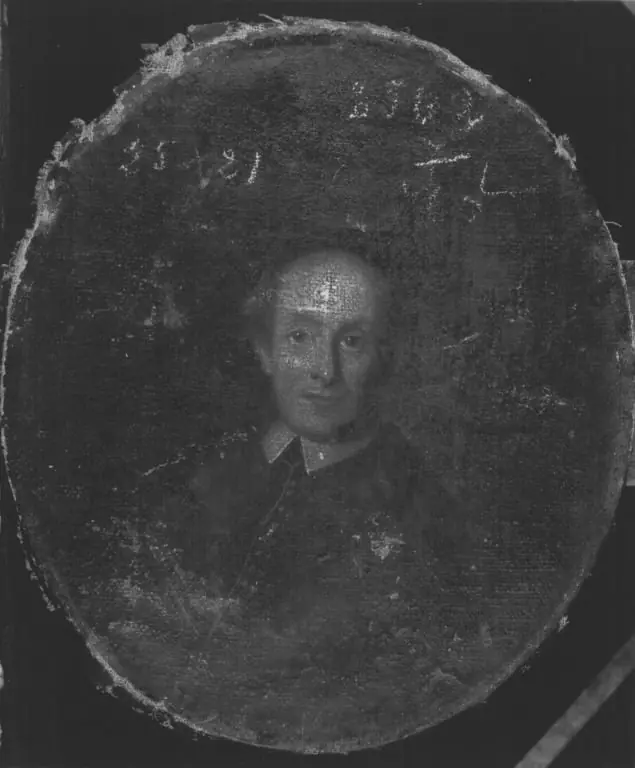 Bildnis eines Geistlichen
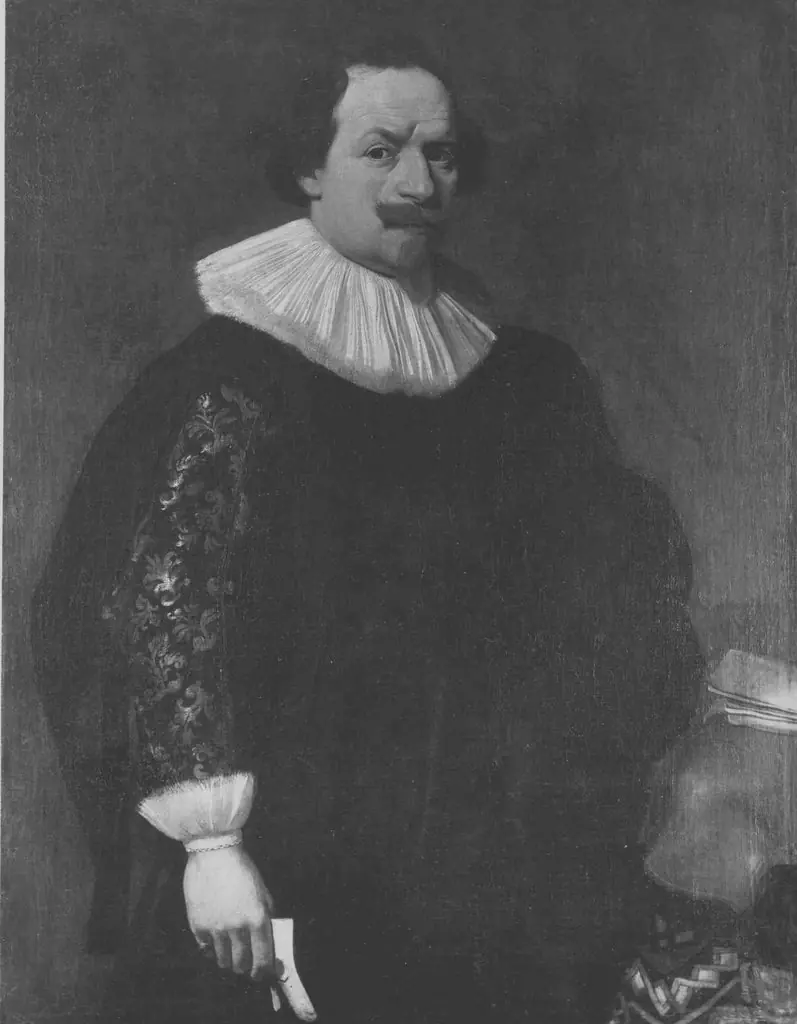 Portrait of a man with a scar
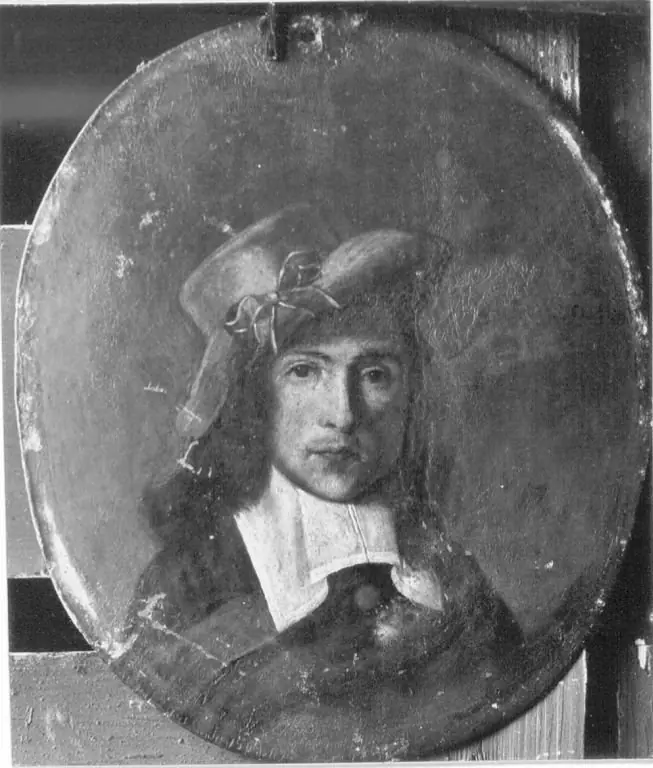 Bildnis eines Mannes im Alter von 20 Jahren
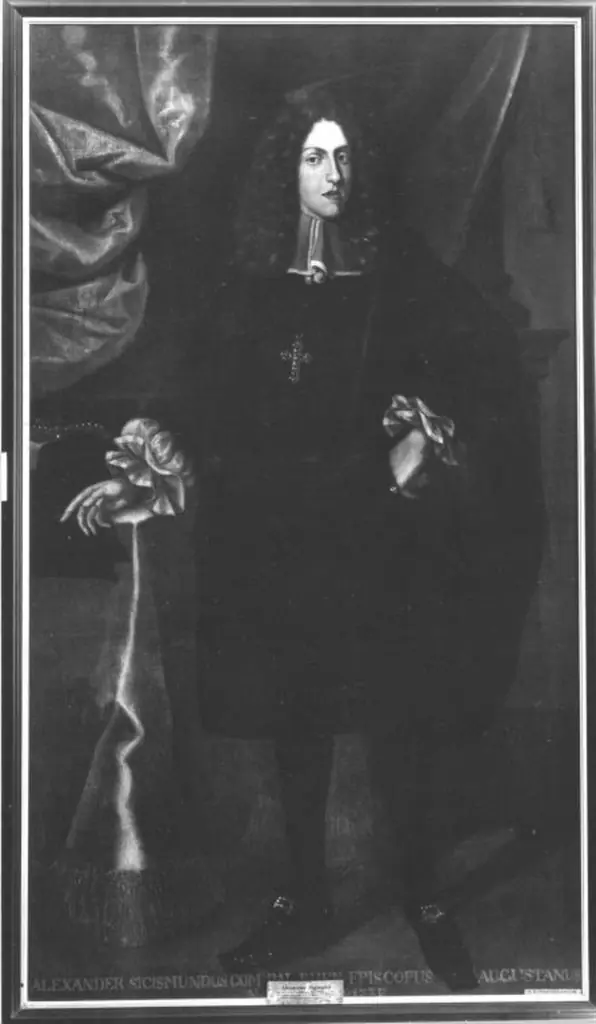 Bildnis des Alexander Sigismund von Pfalz-Neuburg, Fürstbischof von Augsburg (1663-1737)
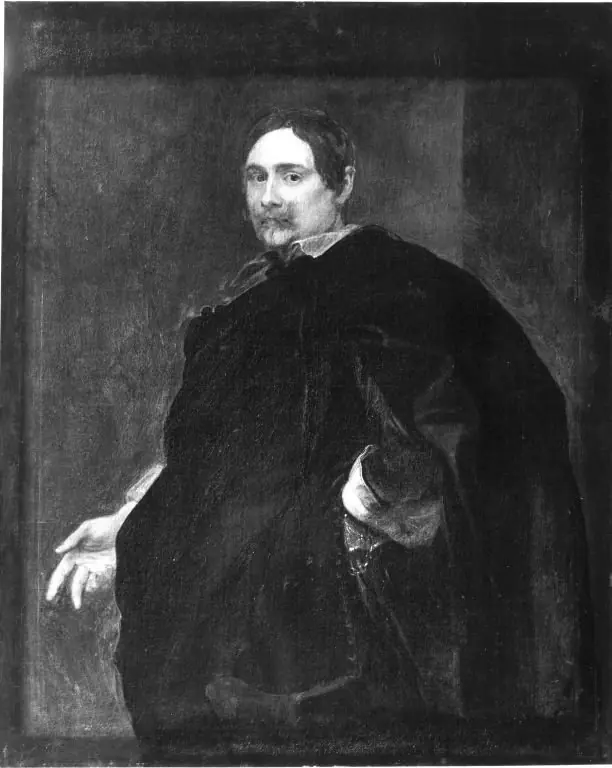 Portrait of Filippo Spinola
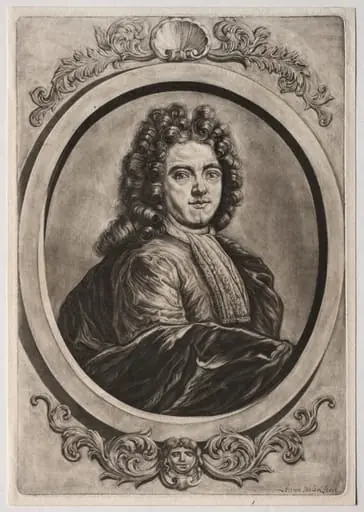 Self-Portrait
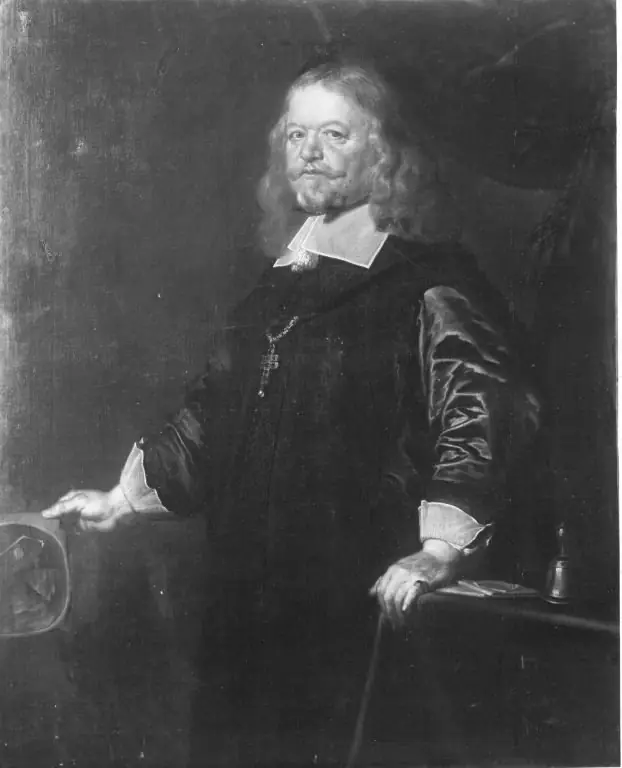 Bildnis des Philipp Valentin Voit von Rieneck, Fürstbischof von Bamberg (1612-1672)
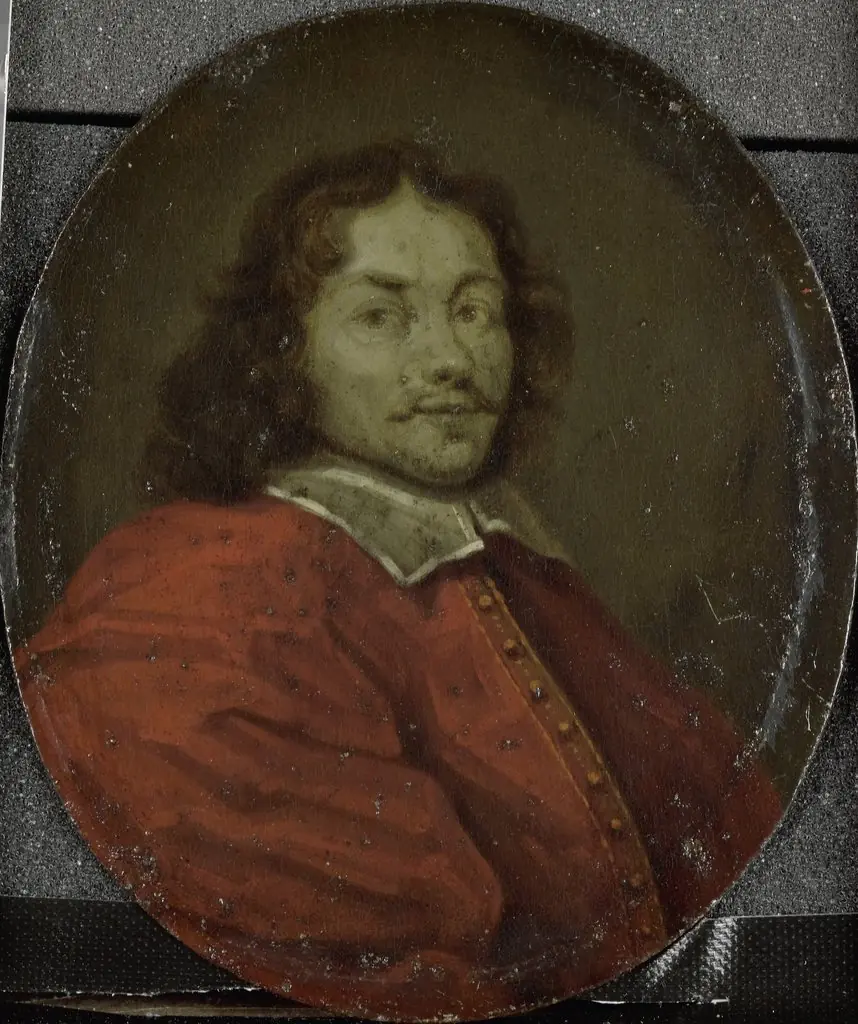 Portrait of Matthijs Gansneb, called Tengnagel, Poet in Amsterdam
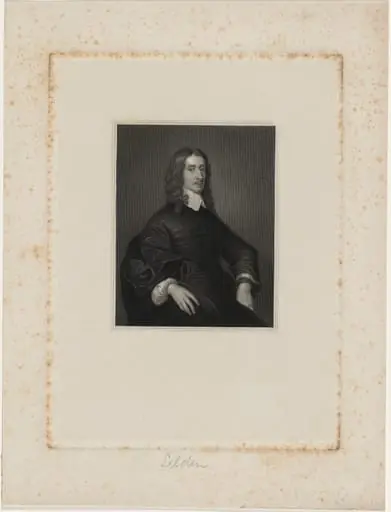 John Selden, Jurist and Antiquary