Artwork
Christ as a twelve year old in the temple
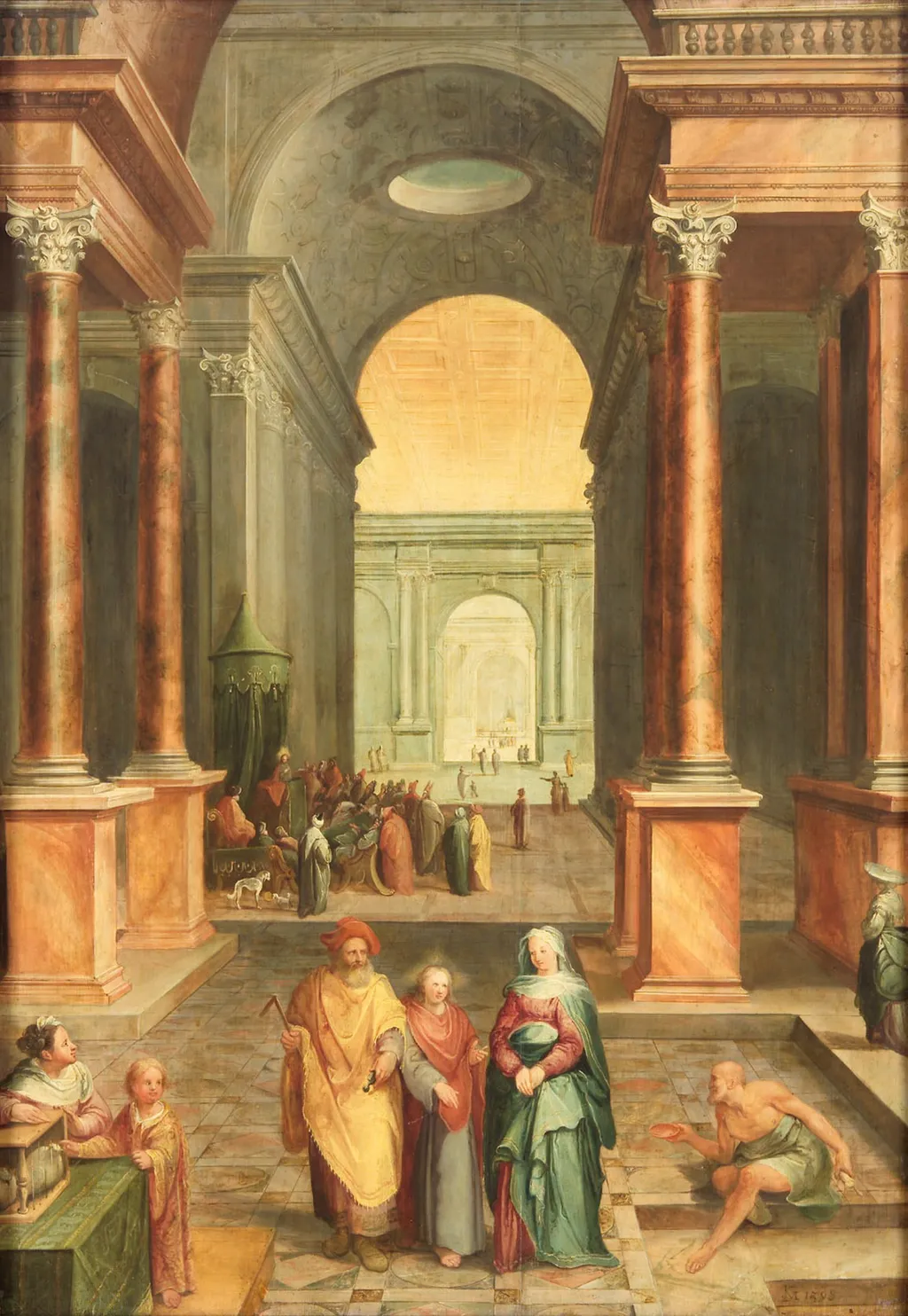
Christ as a twelve year old in the temple is an oil painting by the Early Baroque Italian artist Karel van Mander the Elder. It dates from 1600 and is held in the collection of the Kunsthistorisches Museum.
About this work
Overview
The painting resides today in the Kunsthistorisches Museum in Vienna, reflecting its significance in early 17th-century religious art.
Painted in 1600 by Karel van Mander the Elder, this oil on panel work portrays the young Jesus engaged with scholars in the Temple. Van Mander, a Flemish artist and writer, produced this piece during his time in the Dutch Republic, blending Northern traditions with Italianate compositional influences. The painting resides today in the Kunsthistorisches Museum in Vienna, reflecting its significance in early 17th-century religious art.
Subject & Meaning
The scene illustrates Luke’s account of Jesus at age twelve, debating religious texts with temple elders. Rather than depicting awe or miracle, van Mander emphasizes intellectual exchange: the boy stands calmly amid older men, his gestures precise, his expression composed. The elders lean in, some in thought, others in debate, underscoring the narrative’s theme of divine wisdom emerging in youth.
Technique & Style
Van Mander employs chiaroscuro to model forms and direct focus toward Christ, whose lighter garments contrast with the darker architecture and garments of the crowd. The figures are arranged in a shallow, stage-like space beneath classical arches, suggesting spatial depth through layered planes. Palette choices—ochres, deep blues, and muted greens—enhance the solemnity without overt drama, aligning with Northern restraint.
History & Provenance
Commissioned during van Mander’s mature period, the painting entered the Habsburg collection before being cataloged in Vienna’s imperial holdings. Its presence in the Kunsthistorisches Museum reflects its early recognition as a serious devotional work. Unlike many contemporaneous pieces, it avoided major alterations or reattributions, preserving its original condition and authorship.
Context
Created at the turn of the century, the painting emerges amid shifting religious aesthetics in Northern Europe. While Italian Baroque drama was gaining ground, van Mander retained Mannerist precision and narrative clarity. His dual role as painter and art historian informed this work’s intellectual tone, bridging theological discourse with visual storytelling rooted in classical architecture and humanist ideals.
Legacy
Though not widely reproduced, the painting exemplifies van Mander’s ability to merge Northern detail with Italianate structure. It stands as a quiet testament to his theoretical writings, particularly the *Schilder-boeck*, which advocated for moral and intellectual depth in religious art. Its preservation in a major European collection affirms its role in the transition from Mannerism to early Baroque sensibilities in the North.
Artist & collection
Artist
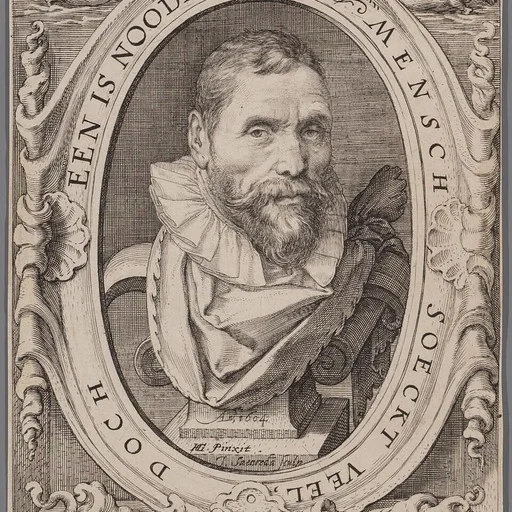
Karel van Mander (I) or Carel van Mander I (May 1548 – 2 September 1606) was a Flemish painter, playwright, poet, art historian and art theoretician, who established himself in the Dutch Republic in the latter part of his life.

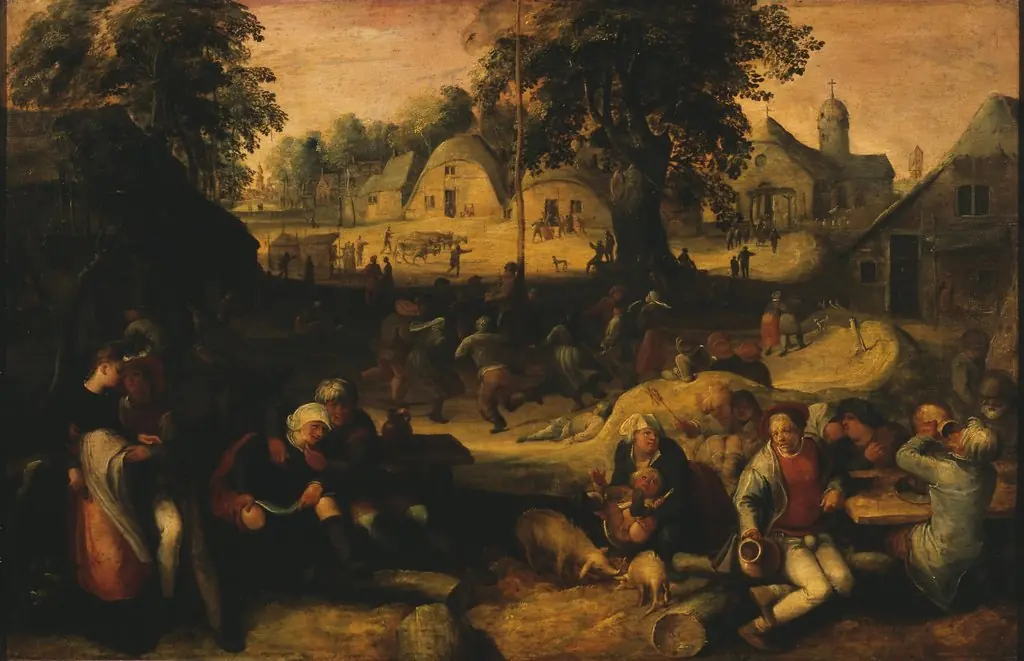
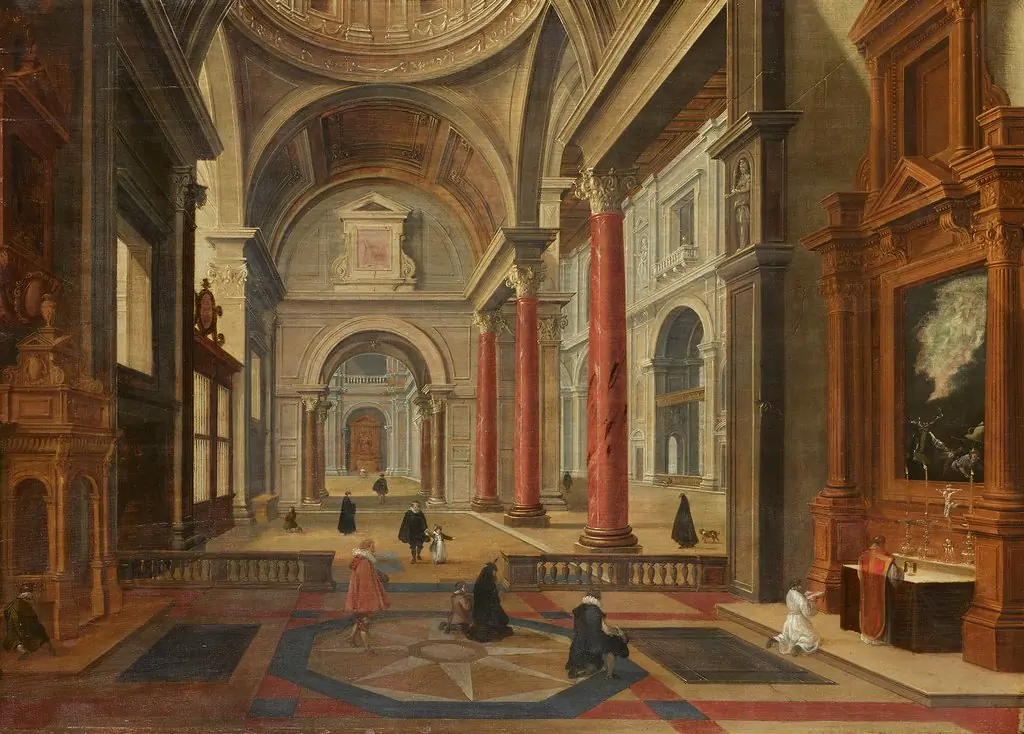 Church Interior
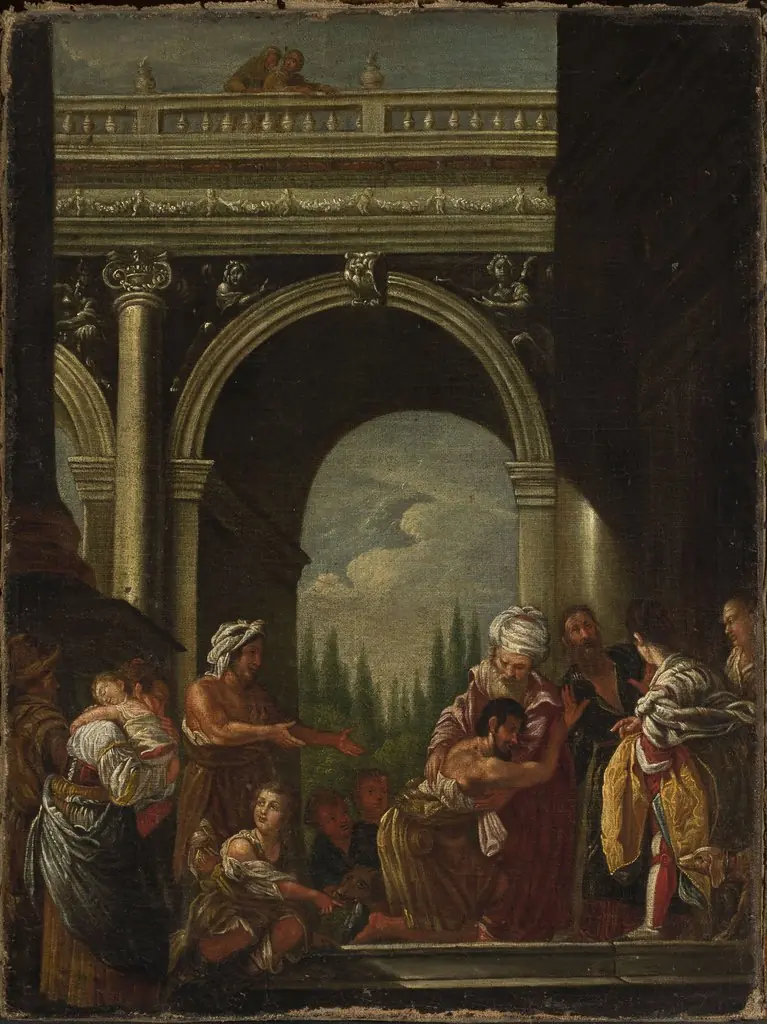 Return of the prodigal son
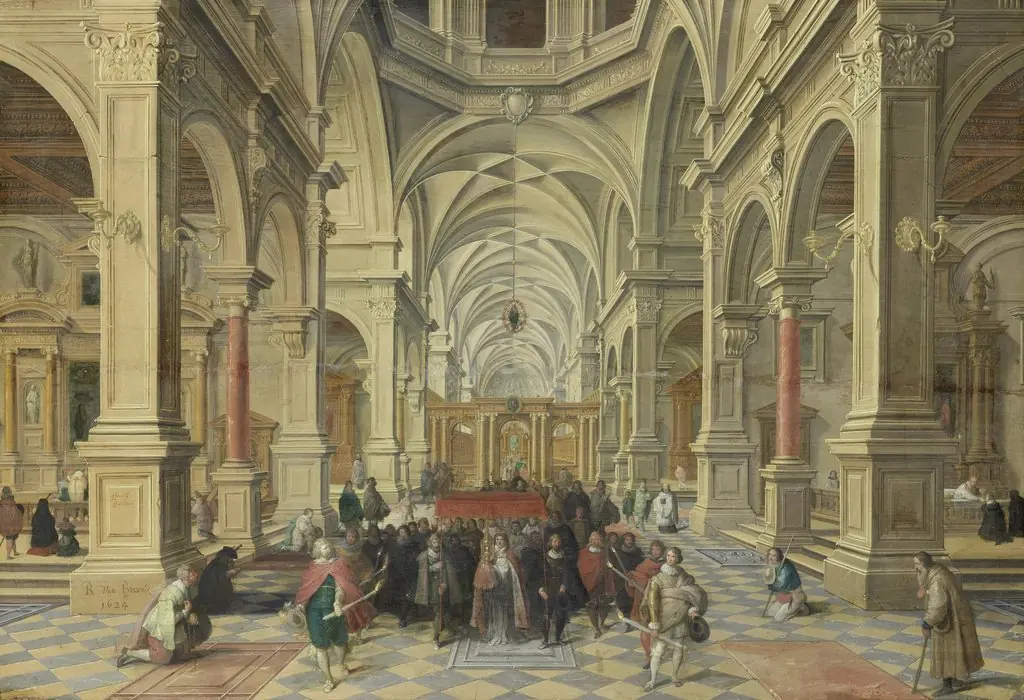 Imaginary church interior with a procession
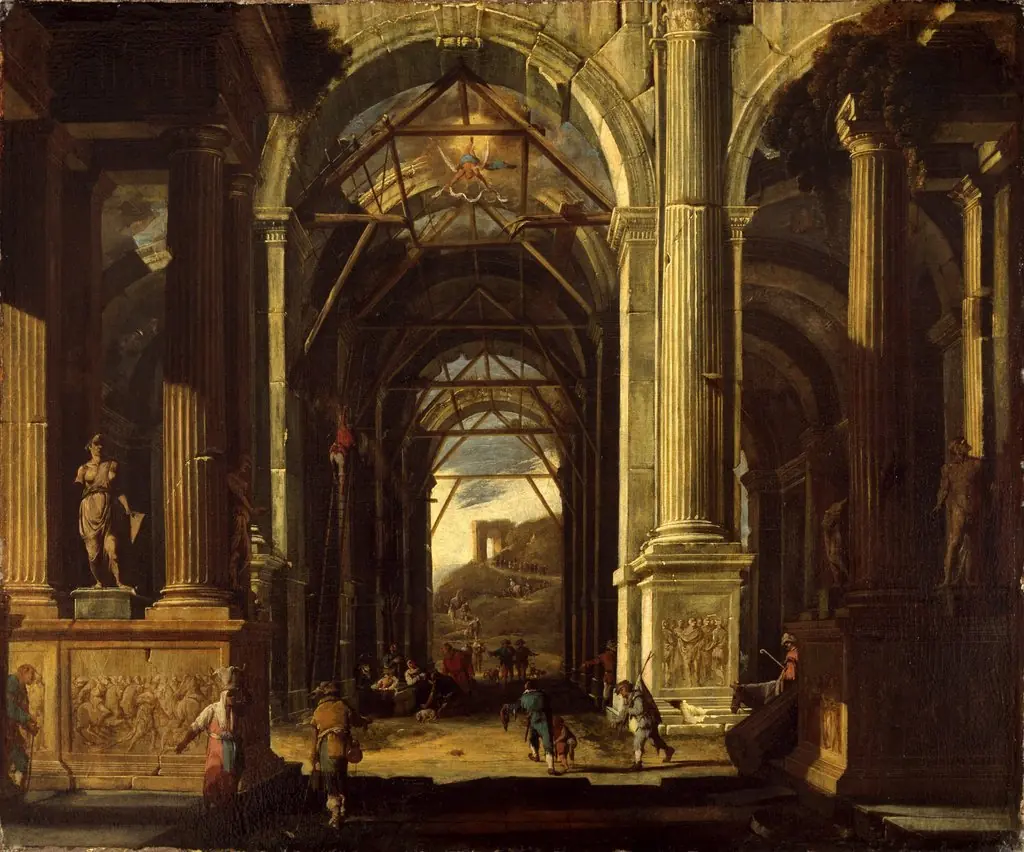 The Adoration of the Shepherds
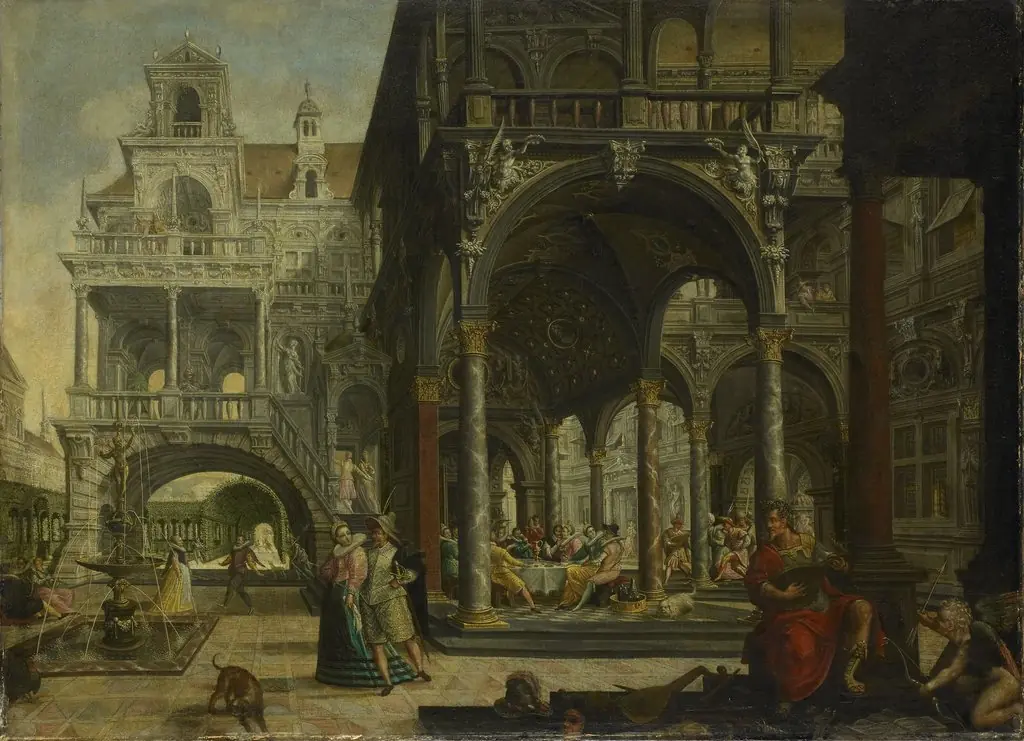 Phantasy Renaissance palace
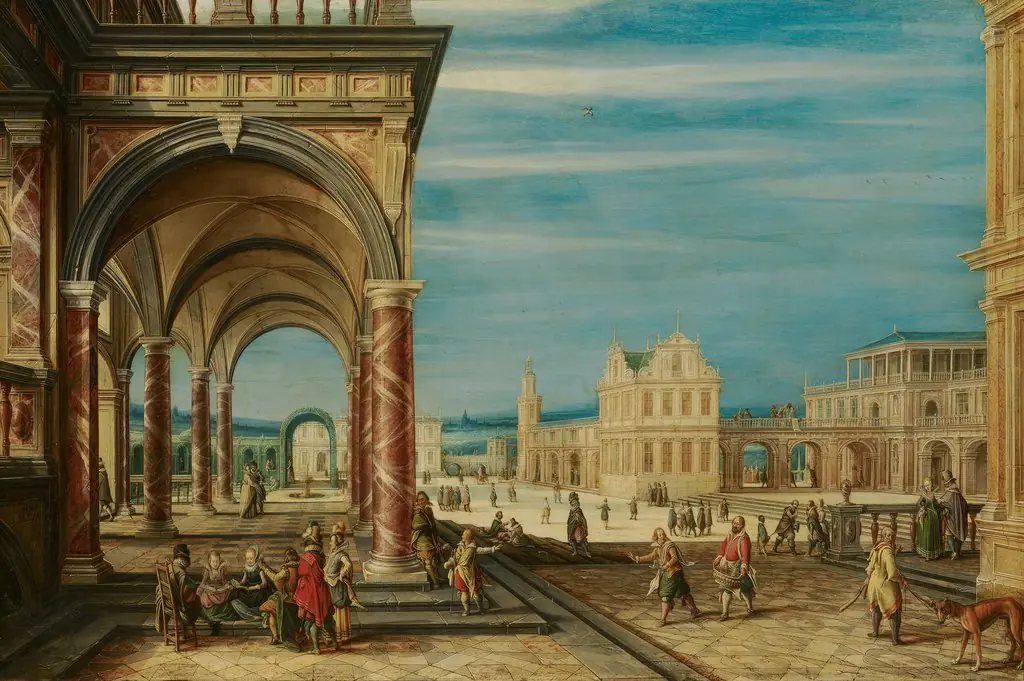 A Square with Imaginary Buildings
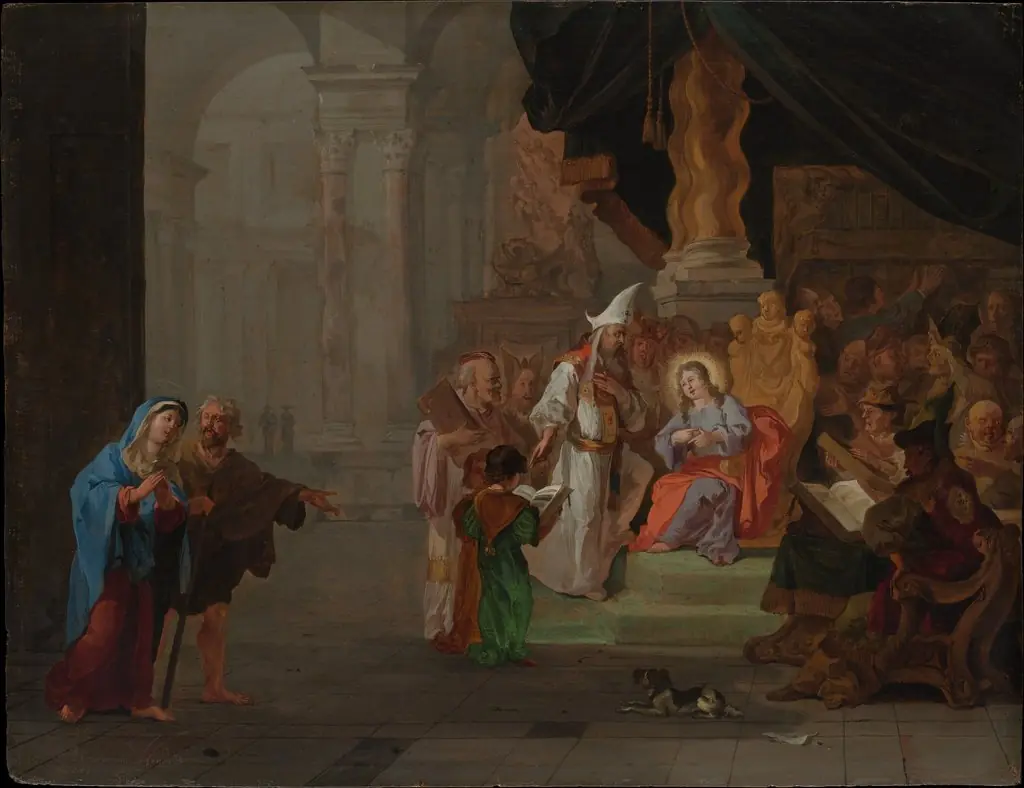 Christ among the Doctors
 Clădire cu coloane în ordin doric ; pandant: Clădire cu coloane în ordin toscan
 The birth of the Virgin