Artwork
Rural Feast (Kermess)
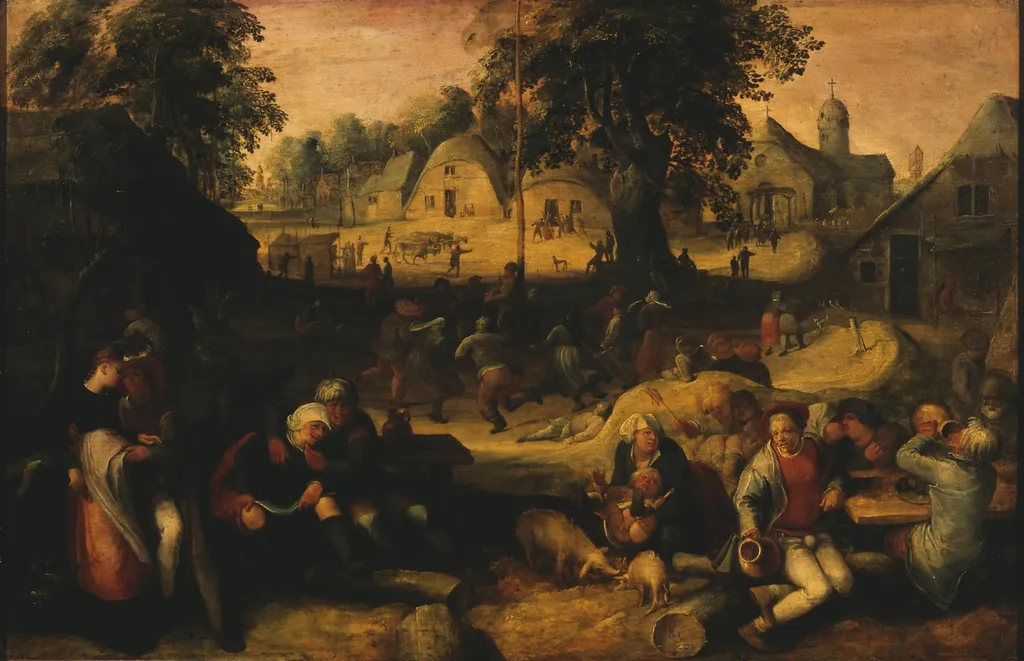
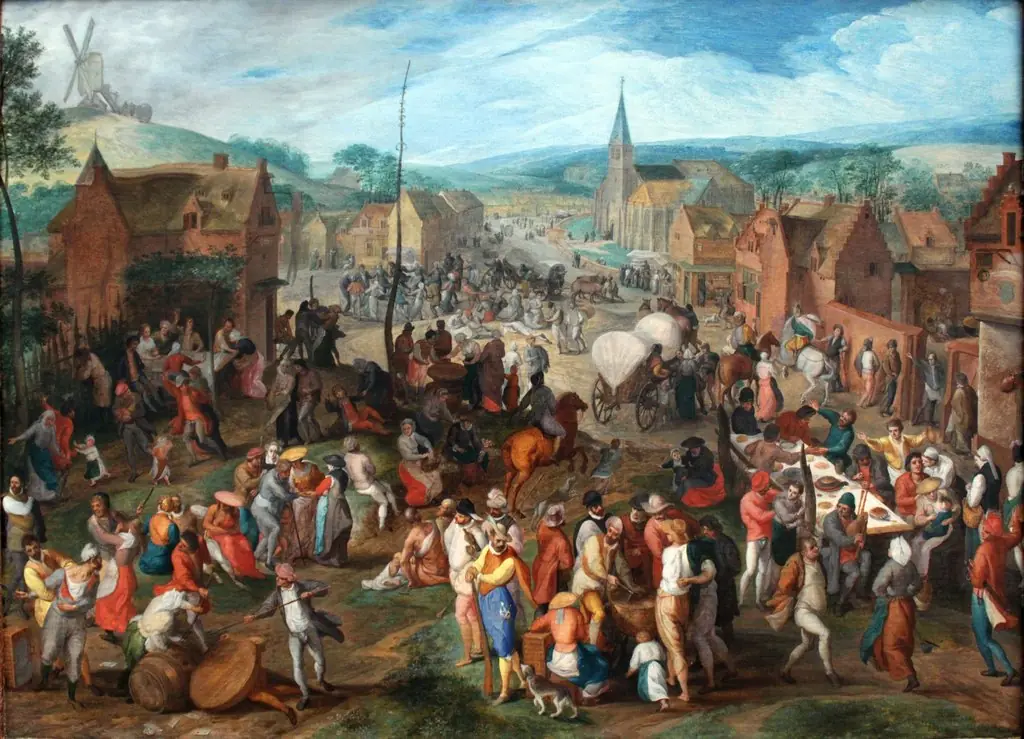
Rural Feast (Kermess) is an oil painting by the Dutch Golden Age artist Karel van Mander the Elder. It dates from 1600 and is held in the collection of the Hermitage Museum.
About this work
Overview
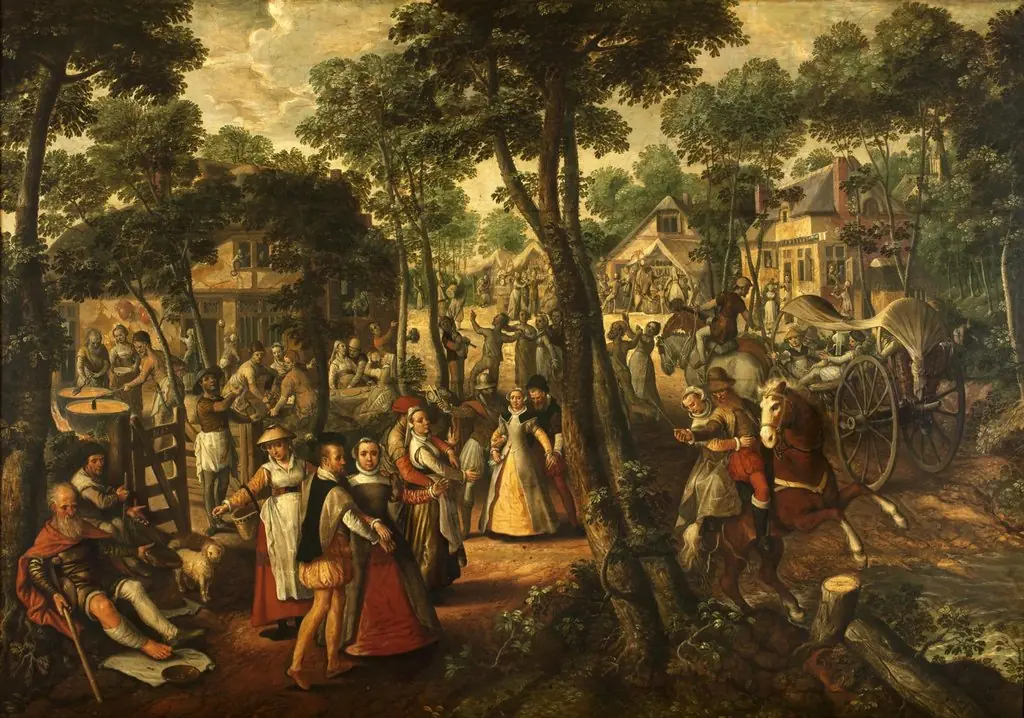
Created in 1600 by Karel van Mander the Elder, Rural Feast (Kermess) is an oil painting that captures a lively village celebration. Executed during the Dutch Golden Age, the work exemplifies the artist’s later engagement with Northern Mannerist tendencies while remaining rooted in everyday genre subjects. The painting belongs to the collection of the State Hermitage Museum.
Subject & Meaning
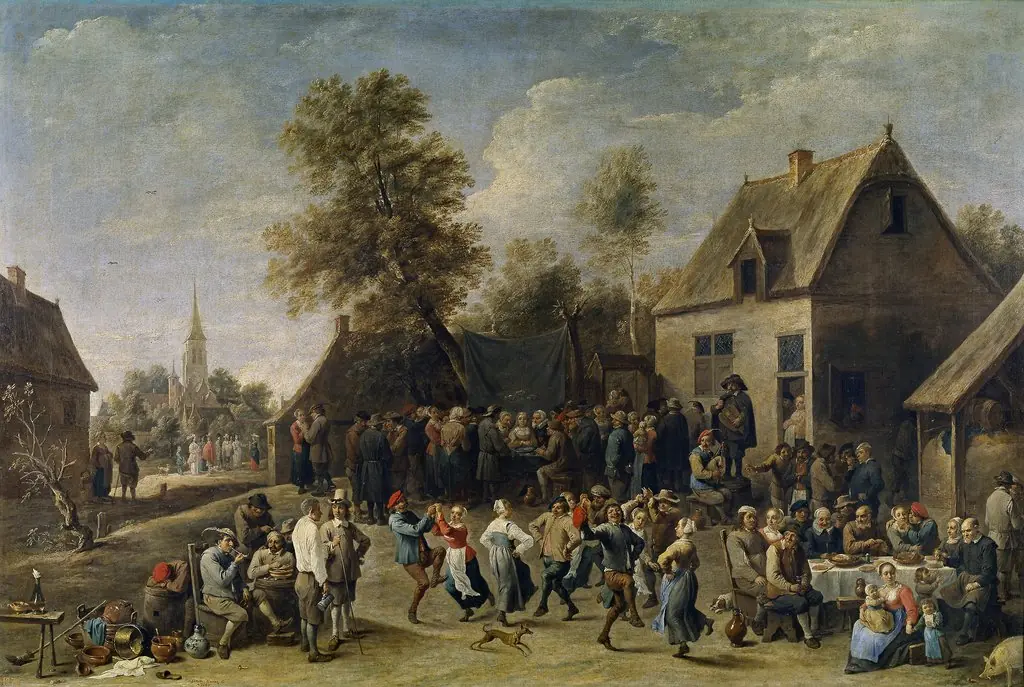
A figure reclines on the ground beside a dog, while a distant village with thatched roofs and a church frames a pond where people fish and ride horses.
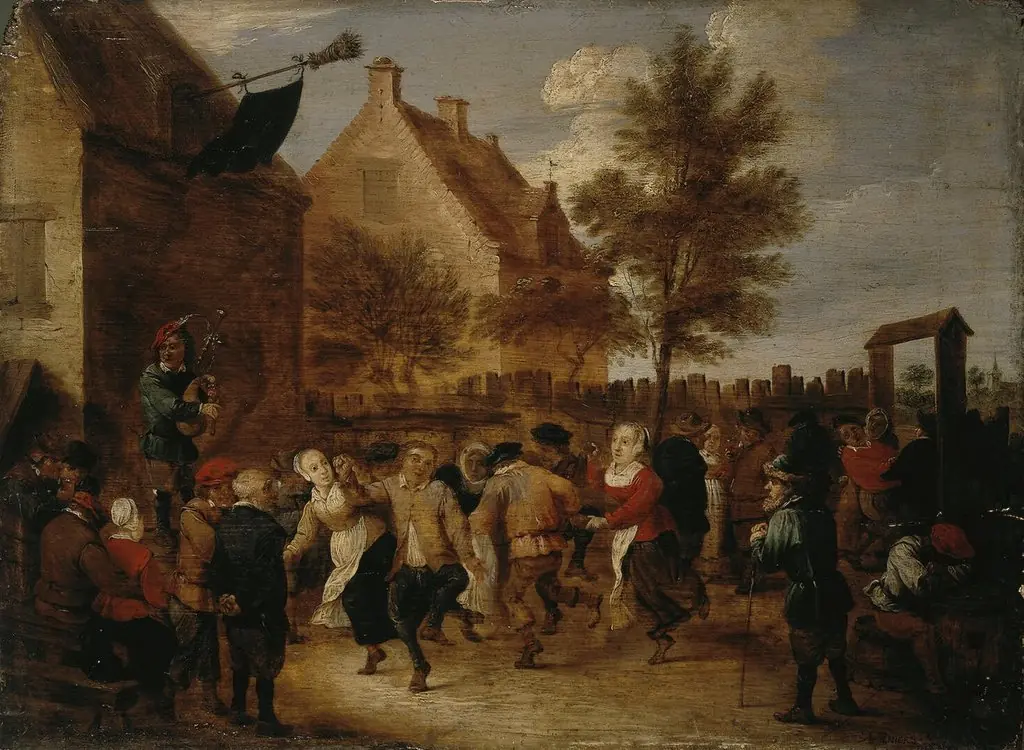
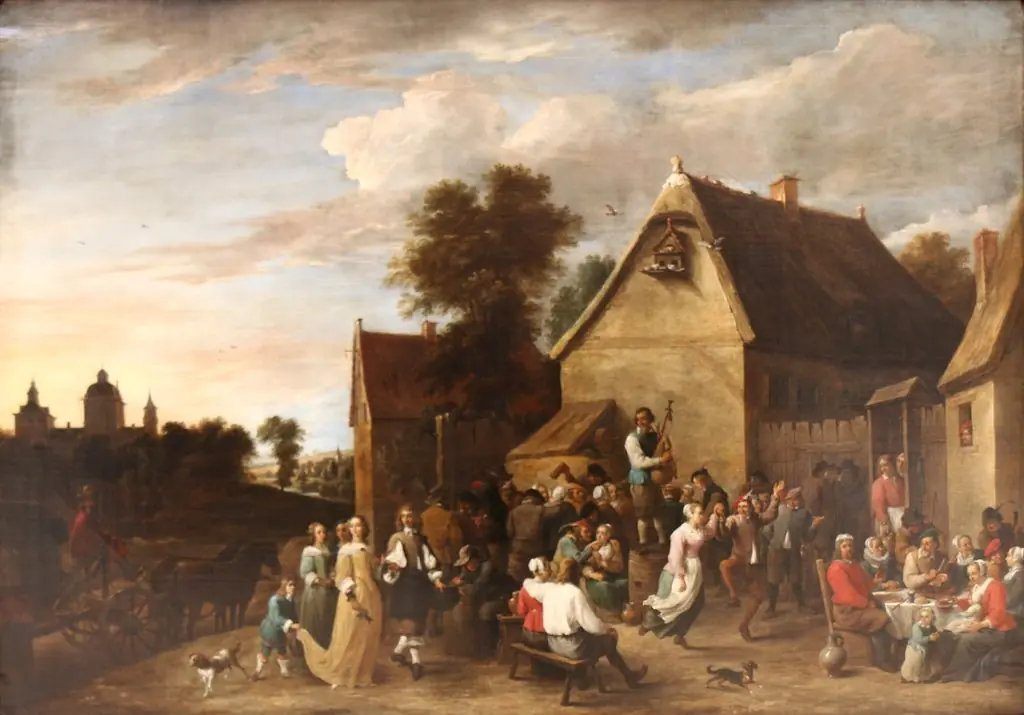
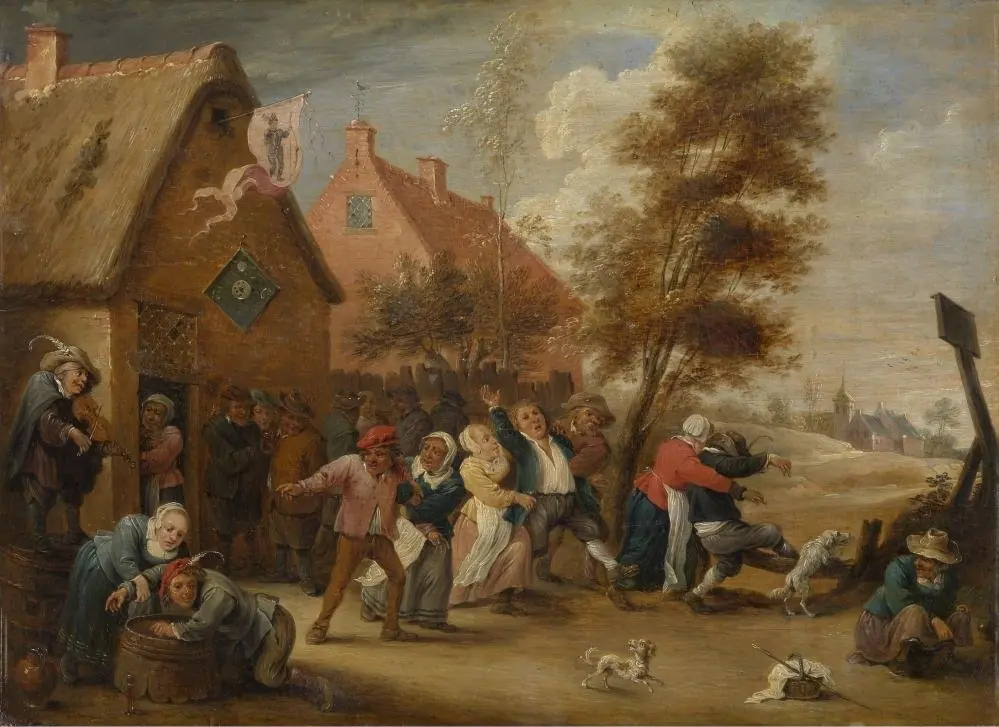
The scene portrays a bustling communal gathering: villagers sit around a table drinking and conversing, children dart about, and participants engage in games or watch spectators. A figure reclines on the ground beside a dog, while a distant village with thatched roofs and a church frames a pond where people fish and ride horses. The composition conveys the convivial spirit of a rural kermess, emphasizing social interaction and shared leisure.
Technique & Style
Van Mander employs chiaroscuro to model the figures, using contrasts of light and shadow that give each person a three‑dimensional presence. Warm, earthy hues dominate the palette, enhancing the festive atmosphere. The careful rendering of textures—such as fabric, fur, and thatch—demonstrates the artist’s skill in depicting material detail within a crowded, dynamic setting.
History & Provenance
After its creation, the painting entered various private collections before being acquired by the State Hermitage Museum, where it remains on display. Van Mander’s reputation as both a painter and a seminal art historian, known for his Schilder‑boeck, contributed to the work’s recognition and preservation within major European holdings.
Context
Rural Feast reflects the broader 17th‑century Dutch interest in genre scenes that celebrated everyday life, a trend that paralleled the economic prosperity of the Dutch Republic. While the artist’s earlier work leaned toward more courtly Mannerist compositions, this piece illustrates his adaptation to local tastes for realistic, narrative depictions of communal events.
Own this work as a print
Artist & collection
Artist
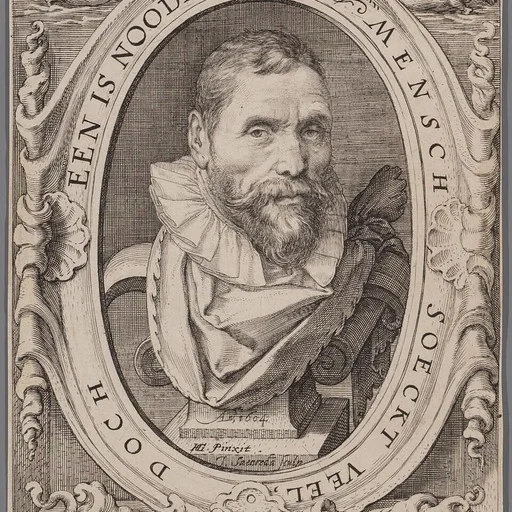
Karel van Mander (I) or Carel van Mander I (May 1548 – 2 September 1606) was a Flemish painter, playwright, poet, art historian and art theoretician, who established himself in the Dutch Republic in the latter part of his life.