Artwork
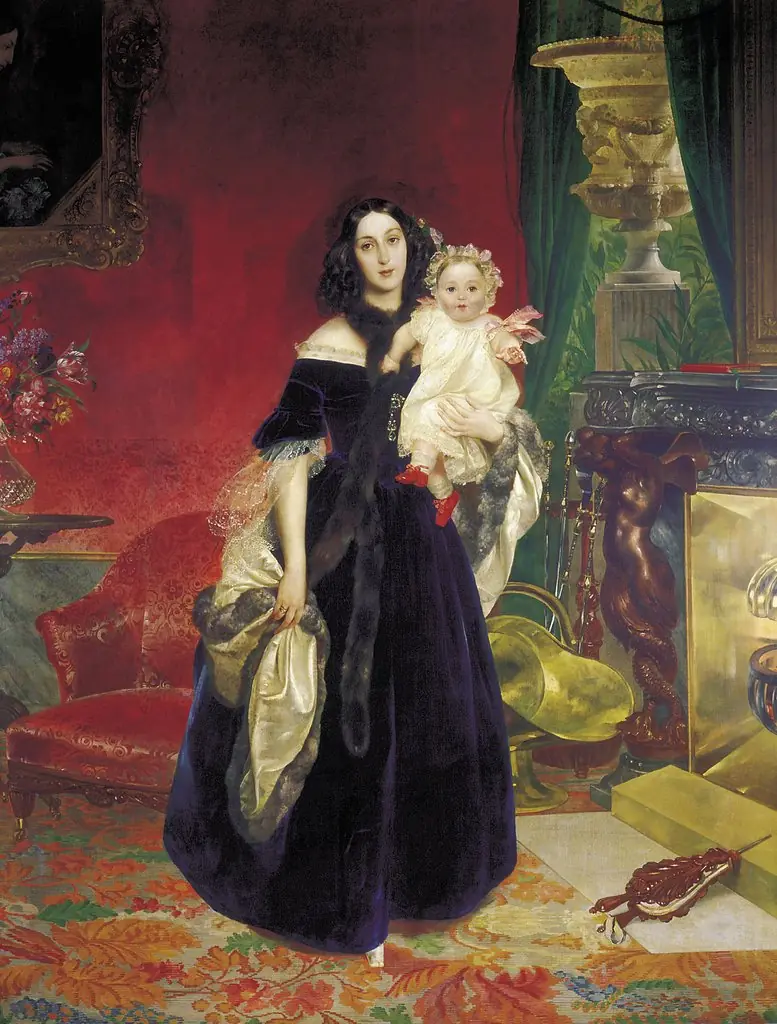
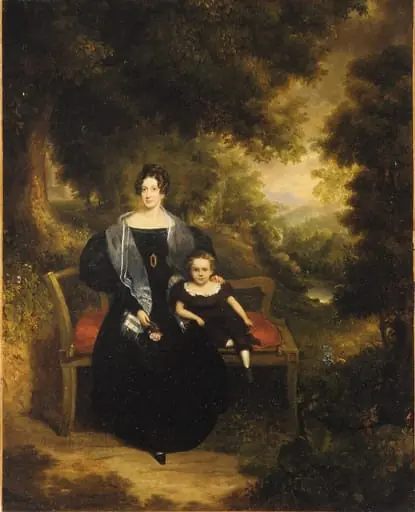
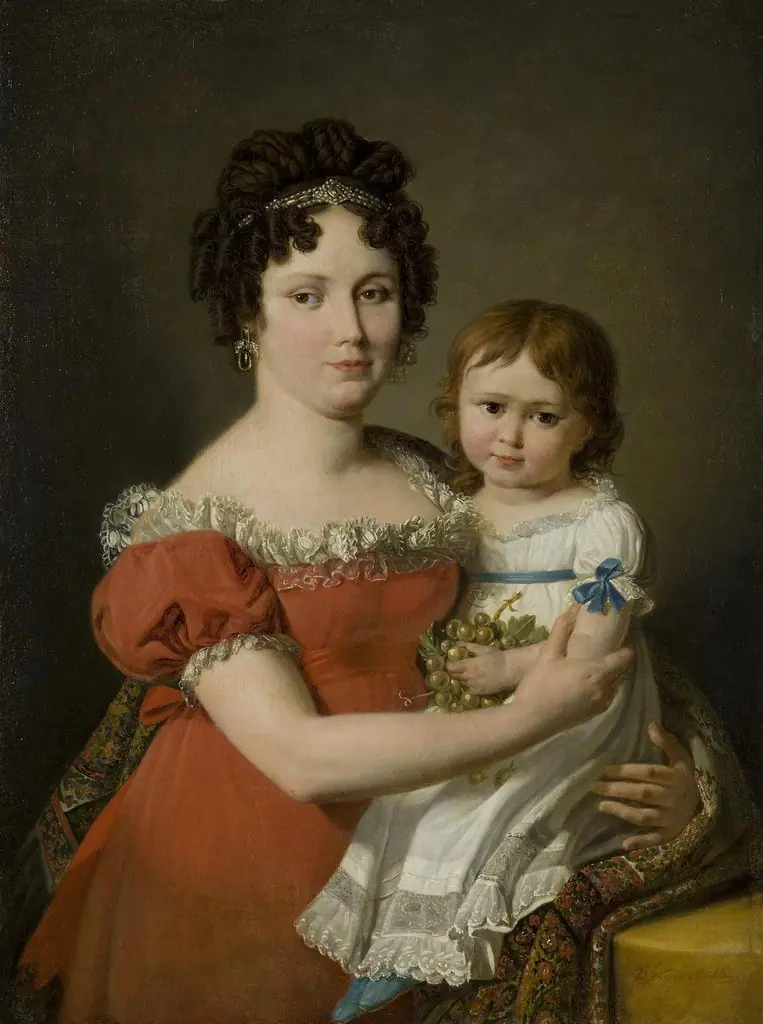
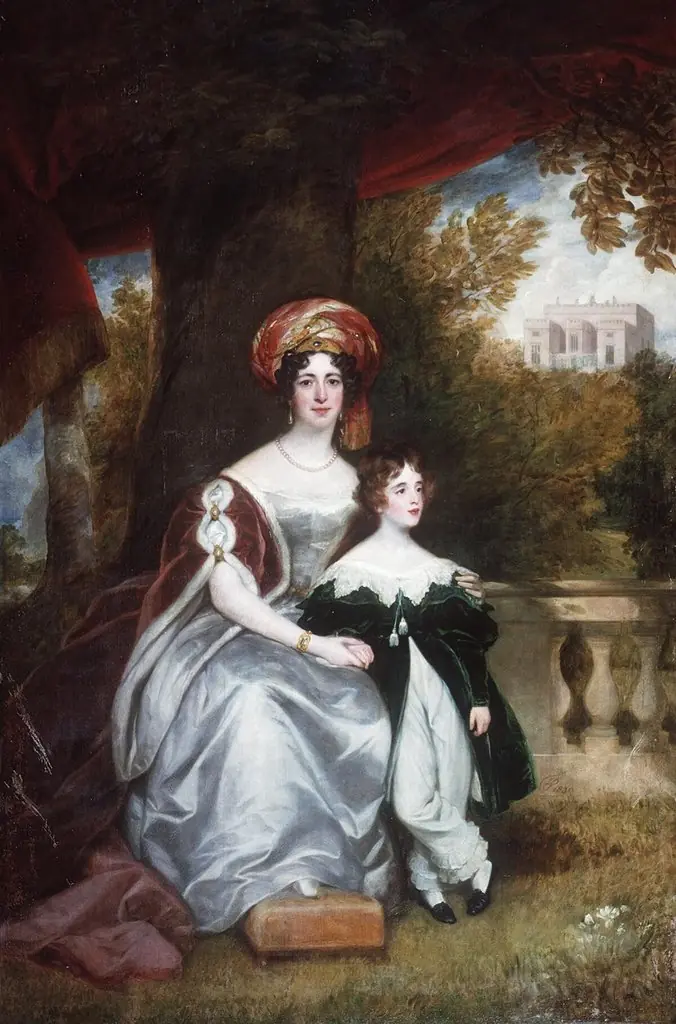
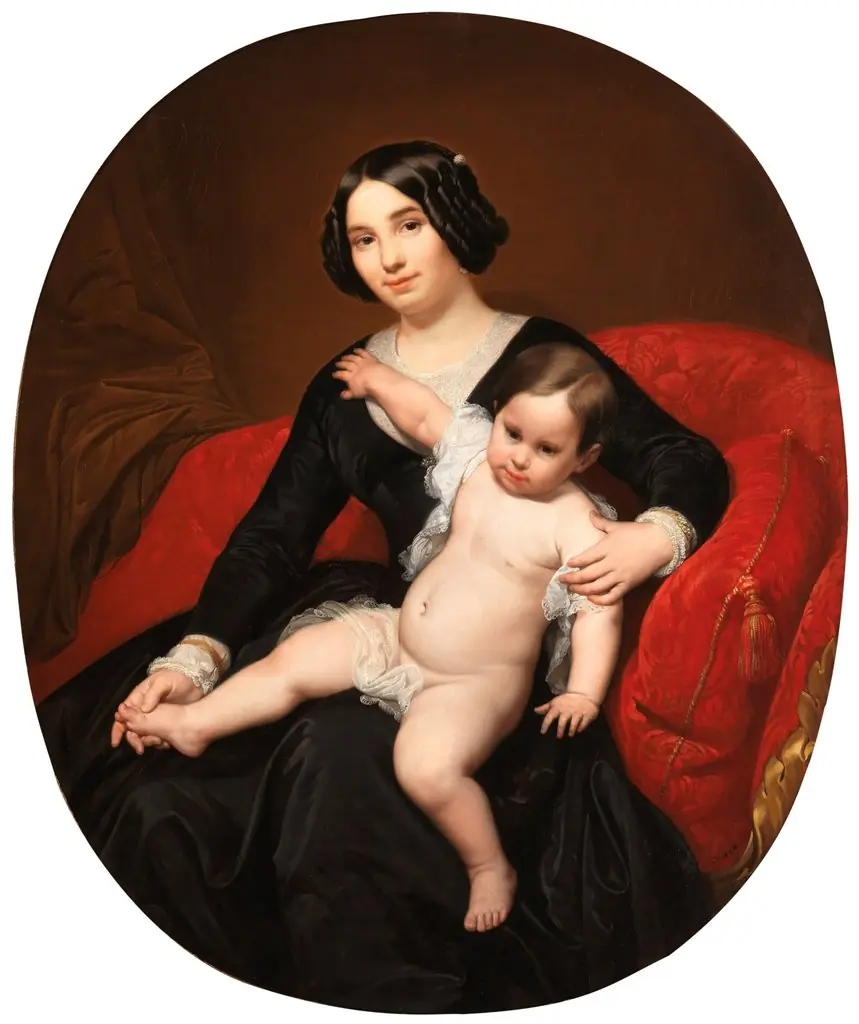
Portrait of the Princess Olga Ivanovna Orlova-Davydova with her daughter Natalya Vladimirovna
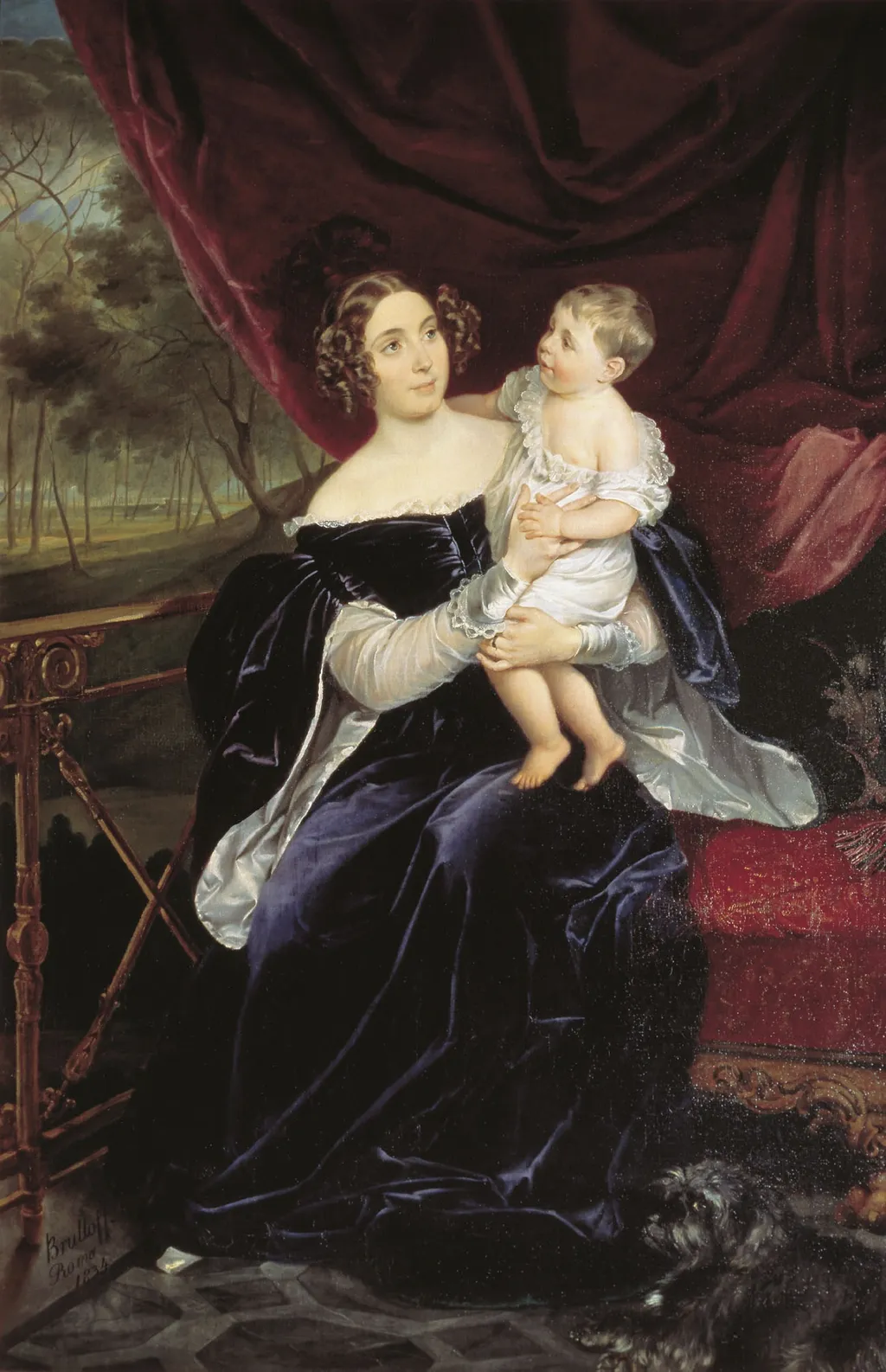
Portrait of the Princess Olga Ivanovna Orlova-Davydova with her daughter Natalya Vladimirovna is an oil painting by Karl Bryullov. It dates from 1834 and is held in the collection of the Tretyakov Gallery.
About this work
Overview
Painted in 1834 by Karl Bryullov, this oil portrait captures Princess Olga Ivanovna Orlova-Davydova with her infant daughter, Natalya Vladimirovna.
Painted in 1834 by Karl Bryullov, this oil portrait captures Princess Olga Ivanovna Orlova-Davydova with her infant daughter, Natalya Vladimirovna. Bryullov, a central figure in Russian Romantic painting, combined formal elegance with emotional warmth in this work. The painting remains part of the Tretyakov Gallery’s permanent collection, reflecting its significance in 19th-century Russian portraiture.
Subject & Meaning
The portrait presents a private, maternal moment elevated by aristocratic poise. Princess Olga, dressed in a dark blue gown with white detailing, holds her daughter gently, their gaze connecting in quiet tenderness. A small dog rests at her feet, a symbol of loyalty and domestic harmony. The composition avoids theatricality, emphasizing intimacy over ceremonial display, suggesting a personal rather than purely public identity.
Technique & Style
Bryullov employed soft brushwork and nuanced tonal transitions to render fabric, skin, and foliage with lifelike subtlety. The dark dress contrasts with the pale skin and the red chair, drawing focus to the figures. The background, a hazy forest under a pale sky, recedes gently, enhancing the sense of seclusion. Light falls naturally, modeling forms without harsh highlights, characteristic of his refined Romantic style.
History & Provenance
Commissioned by the Orlova-Davydova family, the painting entered the Tretyakov Gallery’s collection in the late 19th century as part of Pavel Tretyakov’s effort to document Russian cultural life. Its preservation reflects its status as a representative work of aristocratic portraiture from the 1830s. No major alterations or reattributions are recorded, and it has remained in public view since its acquisition.
Context
In 1830s Russia, portraiture served both personal and social functions, especially among the nobility. Bryullov’s work bridged Western European techniques and Russian sensibilities, responding to a growing demand for images that conveyed dignity and emotional depth. This portrait aligns with broader trends in elite visual culture, where domesticity and maternal virtue were increasingly idealized.
Legacy
The portrait stands as a quiet example of Bryullov’s ability to merge psychological nuance with formal grace. While less celebrated than his historical scenes, this work influenced later Russian portraitists who sought to capture private emotion within aristocratic settings. Its enduring presence in the Tretyakov Gallery underscores its role in documenting the visual language of Russian nobility in the early 19th century.
Own this work as a print
Artist & collection
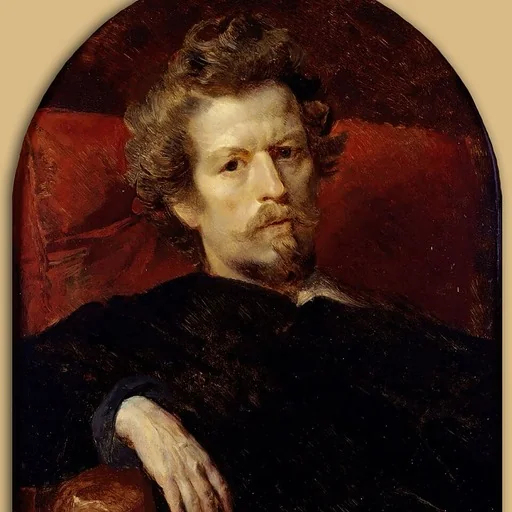
Artist
Karl Pavlovich Bryullov (né Brüllo; Russian: Карл Па́влович Брюлло́в; 23 December 1799 – 23 June 1852) was a Russian painter and draughtsman during the Romantic period, remembered among the greatest visual artists in the history of Russian…