Artwork
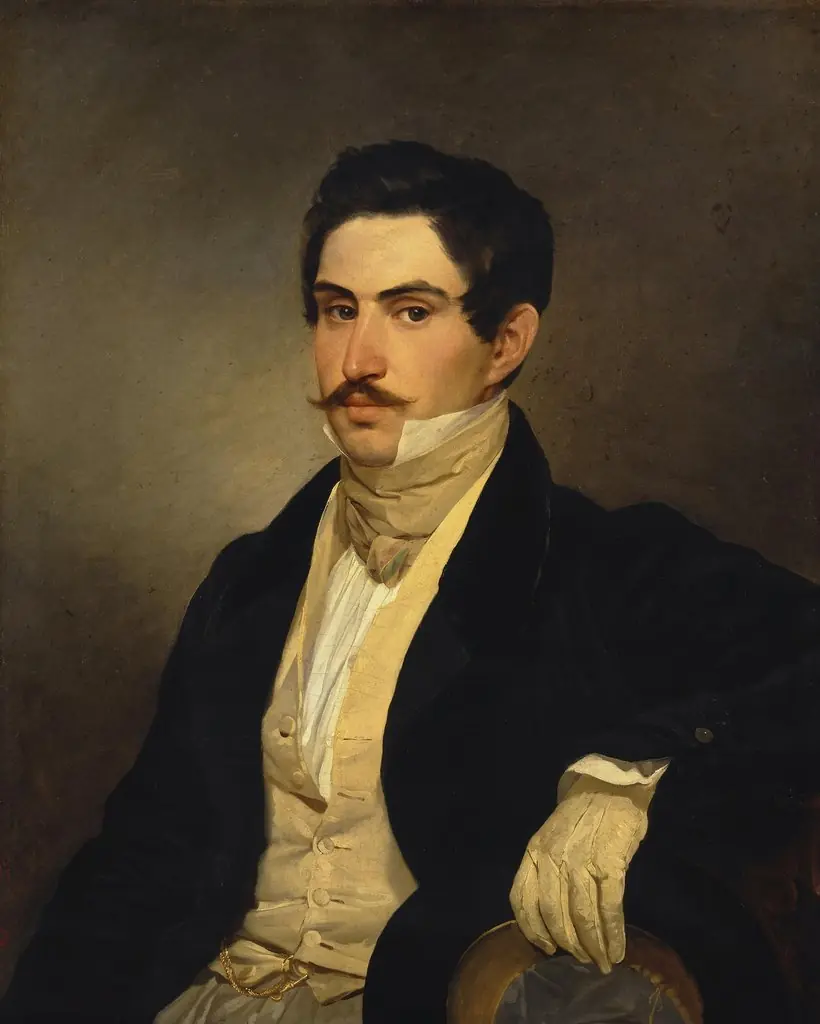
Portrait of Sophia Shuvalova (married name Bobrinskaya)
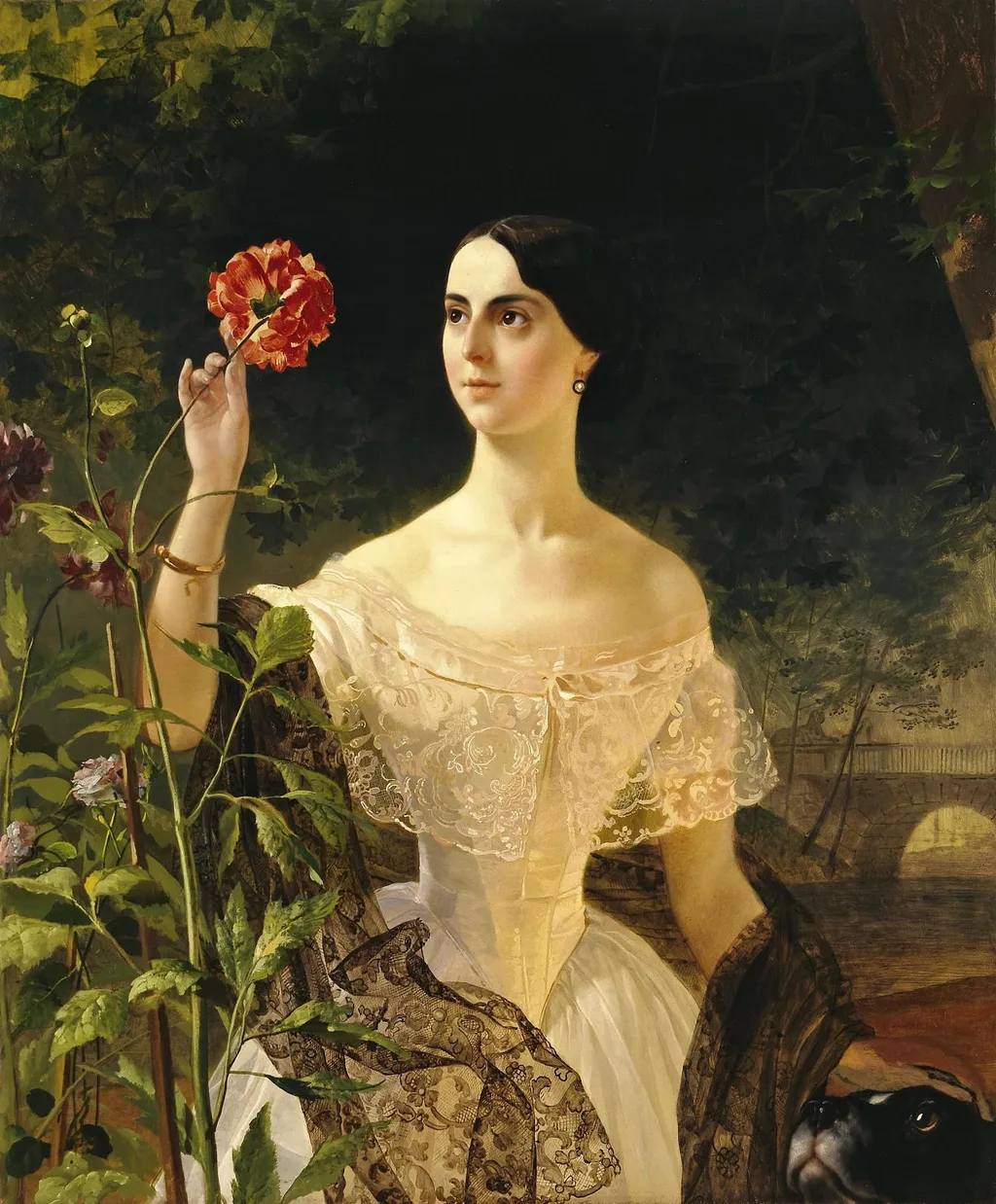
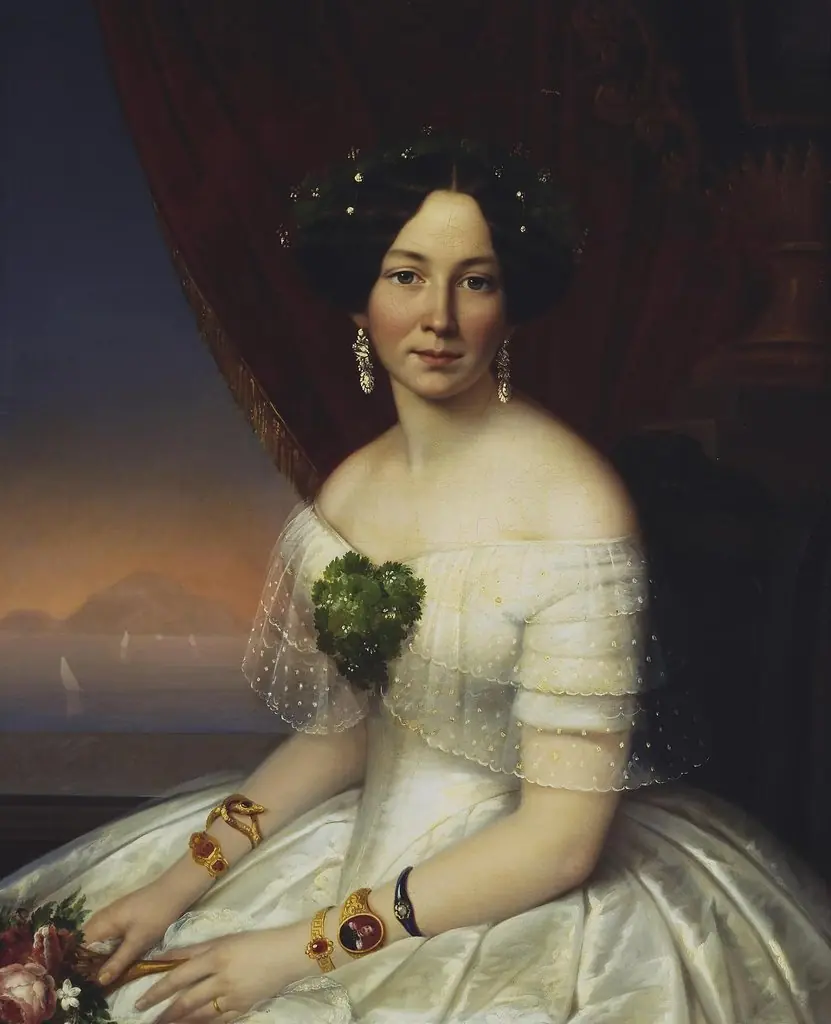
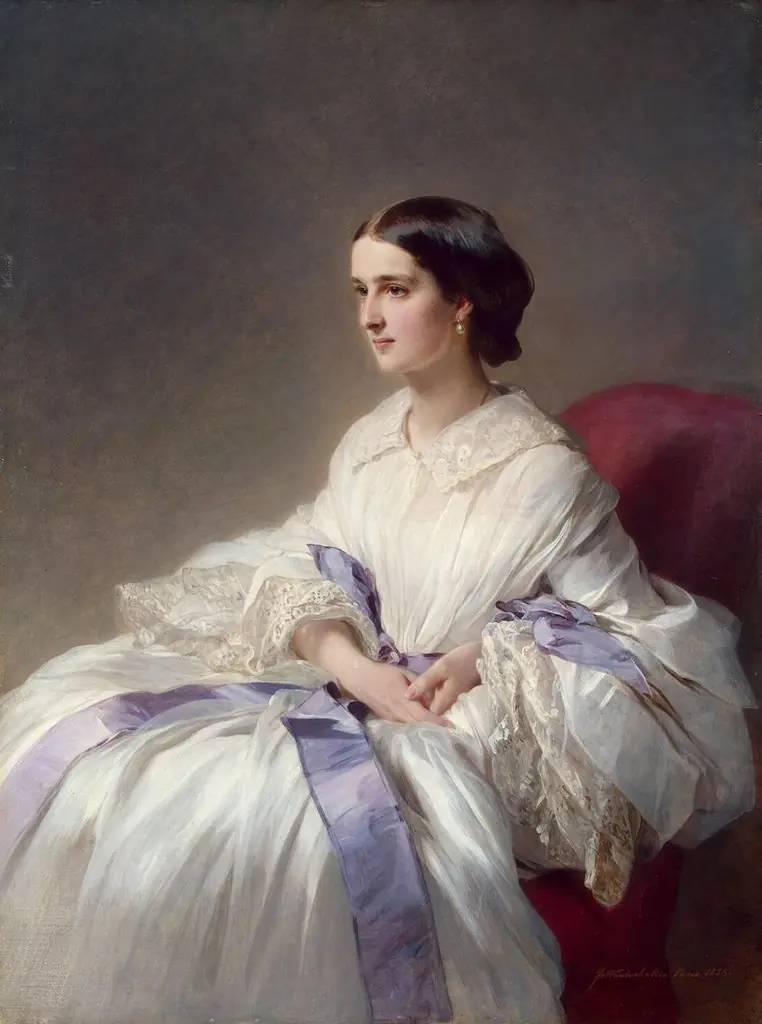
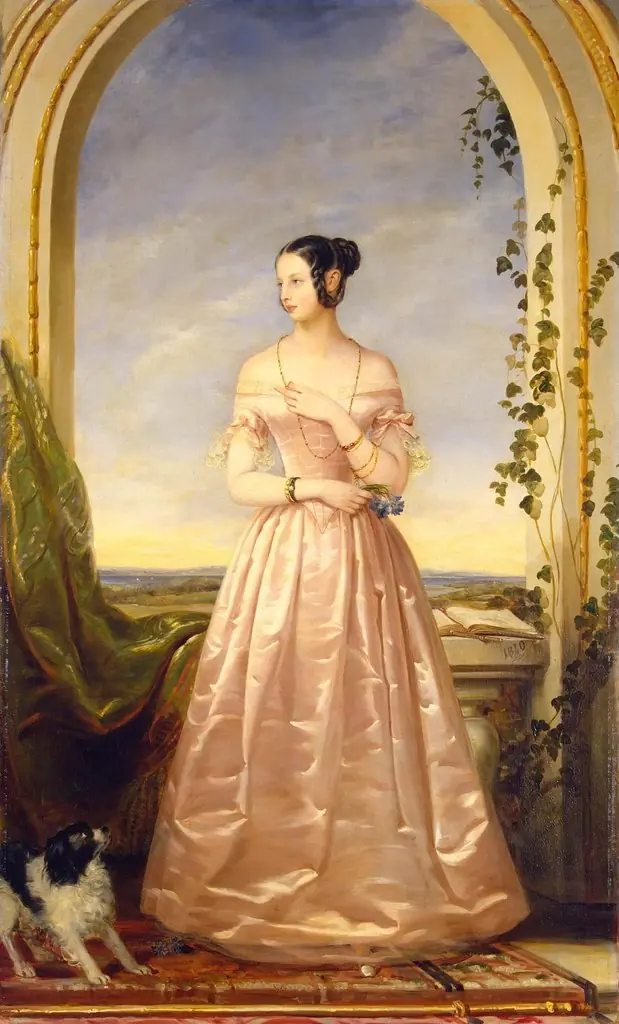
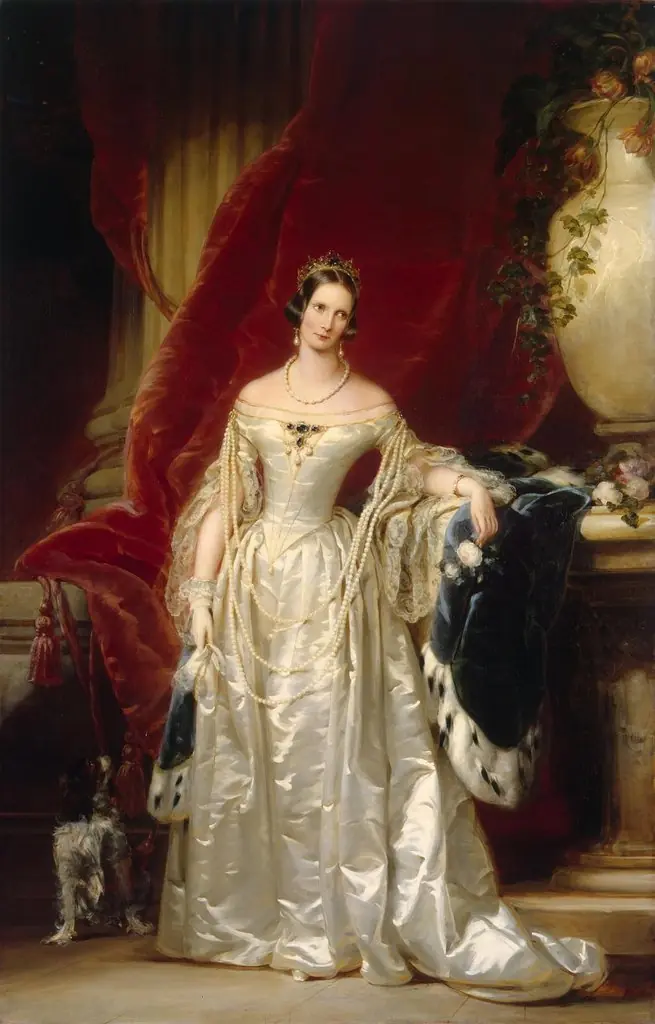
Portrait of Sophia Shuvalova (married name Bobrinskaya) is an oil painting by Karl Bryullov. It dates from 1849 and is held in the collection of the Hermitage Museum.
About this work
Overview
Painted in 1849 by Karl Bryullov, this oil portrait captures Sophia Shuvalova, née Shcherbatova, a noblewoman of Russian aristocracy.
Painted in 1849 by Karl Bryullov, this oil portrait captures Sophia Shuvalova, née Shcherbatova, a noblewoman of Russian aristocracy. The work resides in the State Hermitage Museum in Saint Petersburg. Bryullov, a central figure in 19th-century Russian art, combined Romantic sensibility with precise observation in his portraiture. This piece exemplifies his ability to convey quiet dignity through refined composition and controlled lighting.
Subject & Meaning
The sitter, Sophia Shuvalova, is portrayed in a moment of introspective stillness. Her gesture—holding a red flower near her face—suggests contemplation rather than performance. The absence of overt symbolism or narrative context shifts focus to her presence and poise. The painting reflects the era’s ideal of feminine grace, grounded in restraint and inner composure rather than theatricality.
Technique & Style
Bryullov employs chiaroscuro to model the figure with subtle gradations of light, enhancing the three-dimensionality of her form. The white lace-trimmed dress contrasts with the dark background and the muted green vines, drawing attention to her silhouette. Brushwork is smooth and controlled, particularly in the rendering of skin and fabric, while the background remains loosely suggested, reinforcing the sitter’s prominence.
History & Provenance
The portrait entered the State Hermitage Museum’s collection in the 19th century, likely through imperial acquisition or donation by the Shuvalova family. It has remained in public ownership since, with no documented changes in custody. Its preservation reflects its status as a representative work of Russian Romantic portraiture, valued for its artistic quality and historical association.
Context
Created during the height of Russian Romanticism, the portrait aligns with a cultural moment that emphasized individuality and emotional subtlety in portraiture. While European trends favored dramatic expression, Bryullov’s approach remained restrained, reflecting Russian aristocratic ideals of decorum. The painting stands apart from grand historical canvases he was known for, highlighting his versatility and sensitivity in capturing private moments.
Legacy
Though less celebrated than Bryullov’s large-scale historical works, this portrait endures as a refined example of his skill in capturing psychological nuance. It influenced later Russian portraitists who sought to balance elegance with emotional depth. Its continued display in the Hermitage affirms its role as a quiet but significant document of aristocratic life in mid-19th-century Russia.
Own this work as a print
Artist & collection
Artist
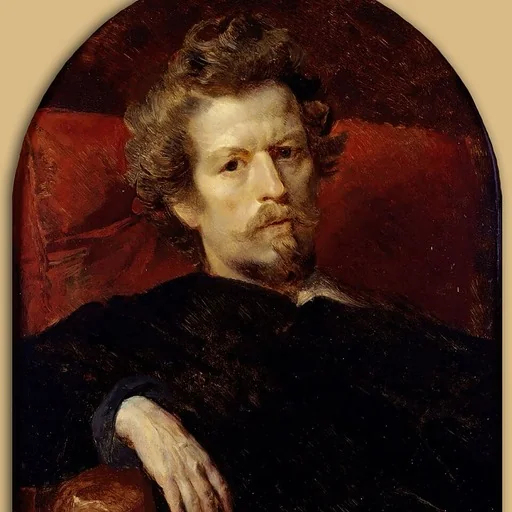
Karl Pavlovich Bryullov (né Brüllo; Russian: Карл Па́влович Брюлло́в; 23 December 1799 – 23 June 1852) was a Russian painter and draughtsman during the Romantic period, remembered among the greatest visual artists in the history of Russian…