Artwork
Self-Portrait
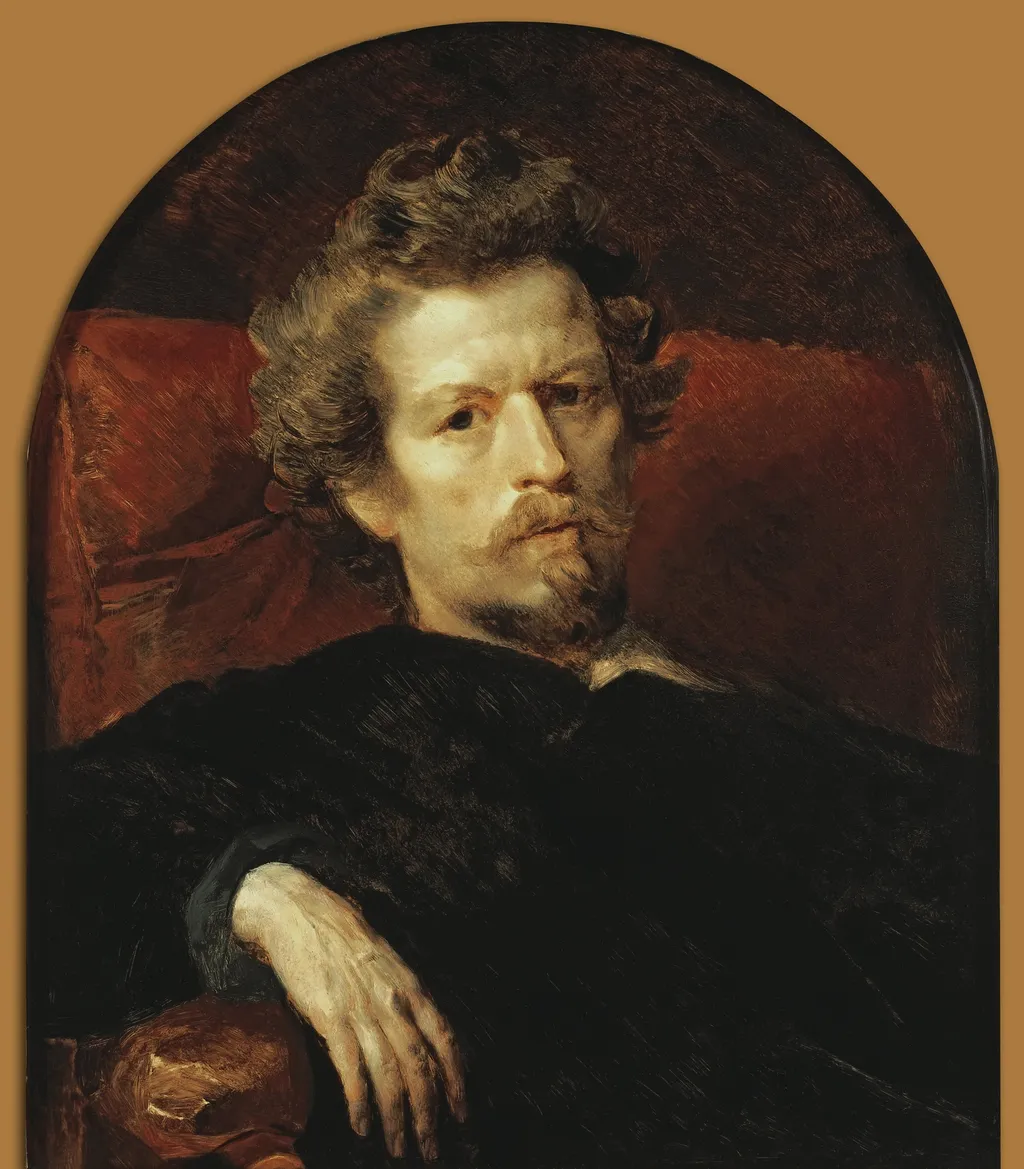
Self-Portrait is an oil painting by Karl Bryullov. It dates from 1848 and is held in the collection of the Tretyakov Gallery.
About this work
The artist's use of dark colors and bold brushstrokes creates a sense of depth and dimensionality in the portrait.
This painting is a self-portrait of a man with dark, curly hair and a mustache. He wears a dark shirt and sits in a red chair, with his right arm resting on the chair's armrest. His gaze is directed to the right side of the image.
The man's attire and hairstyle suggest a formal or professional setting, possibly from the 19th century. The artist's use of dark colors and bold brushstrokes creates a sense of depth and dimensionality in the portrait.
To learn more about the artist's style and techniques, explore the works of Karl Bryullov.
Overview
Karl Bryullov painted his self-portrait in 1848 using oil on canvas, capturing his likeness during the later phase of his career. The work is part of the Tretyakov Gallery’s collection in Moscow and reflects the artist’s engagement with Romantic-era portraiture. Bryullov, a leading Russian painter of his time, used this intimate composition to assert his identity as both an artist and intellectual.
Subject & Meaning
The portrait presents Bryullov seated in a red armchair, dressed in a dark, high-collared shirt, his dark curls and mustache framing a composed, introspective expression. His gaze, directed off-canvas to the right, suggests contemplation rather than direct engagement with the viewer. The setting is minimal, emphasizing the sitter’s presence and inner focus, aligning with Romantic ideals of individuality and psychological depth.
Technique & Style
Bryullov employed bold, confident brushwork to model his features, using dark tonal contrasts to define volume and texture. The red chair provides a subtle chromatic counterpoint to the muted palette of his clothing and skin tones. His handling of light and shadow demonstrates a mastery of chiaroscuro, lending the figure a sculptural presence while maintaining the spontaneity characteristic of Romantic portraiture.
History & Provenance
Completed in 1848, the self-portrait remained in Bryullov’s possession until his death in 1852. It entered the Tretyakov Gallery’s collection in the late 19th century as part of a broader effort to preserve the legacy of Russia’s most significant artists. The painting has been consistently exhibited as a key example of 19th-century Russian portraiture.
Context
Bryullov worked during a period when Russian art was asserting its distinct identity, moving beyond imperial academic traditions. His self-portrait reflects the growing cultural confidence of Russian intellectuals, who saw the artist as a figure of moral and aesthetic authority. The work aligns with European Romantic trends but retains a distinctly Russian sensibility in its restraint and dignity.
Legacy
This portrait stands as one of the most personal and enduring images of Bryullov, influencing later Russian artists who sought to convey inner life through portraiture. It remains a reference point for understanding the evolution of self-representation in 19th-century Russian art, valued for its psychological nuance and technical precision rather than theatrical flourish.
Artist & collection
Artist
Karl Pavlovich Bryullov (né Brüllo; Russian: Карл Па́влович Брюлло́в; 23 December 1799 – 23 June 1852) was a Russian painter and draughtsman during the Romantic period, remembered among the greatest visual artists in the history of Russian…

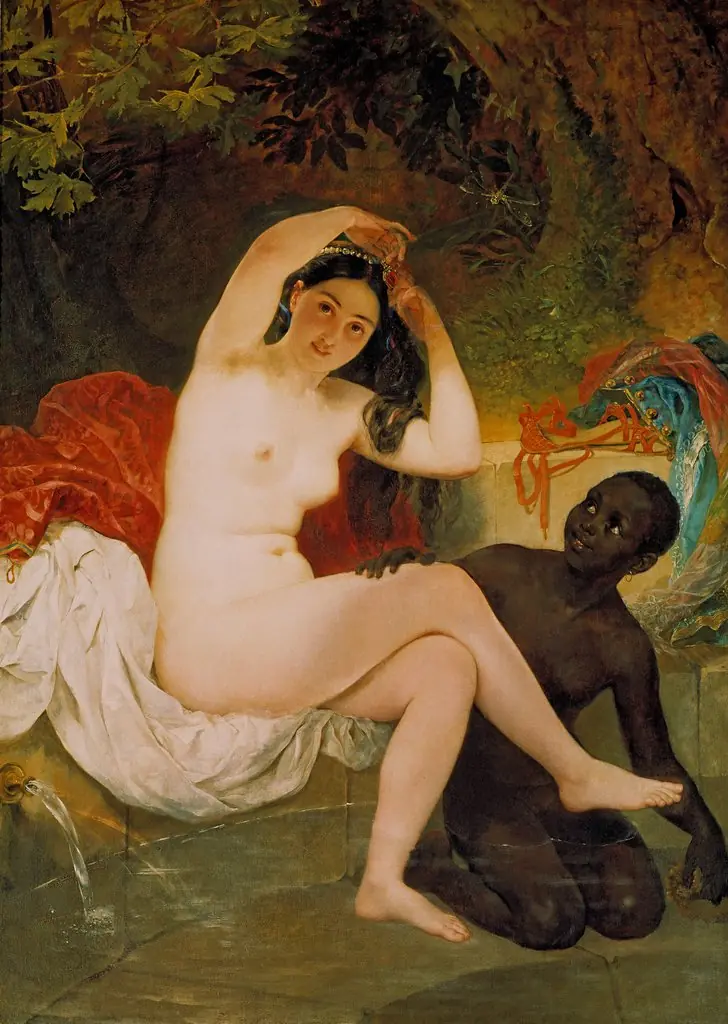 Bathsheba
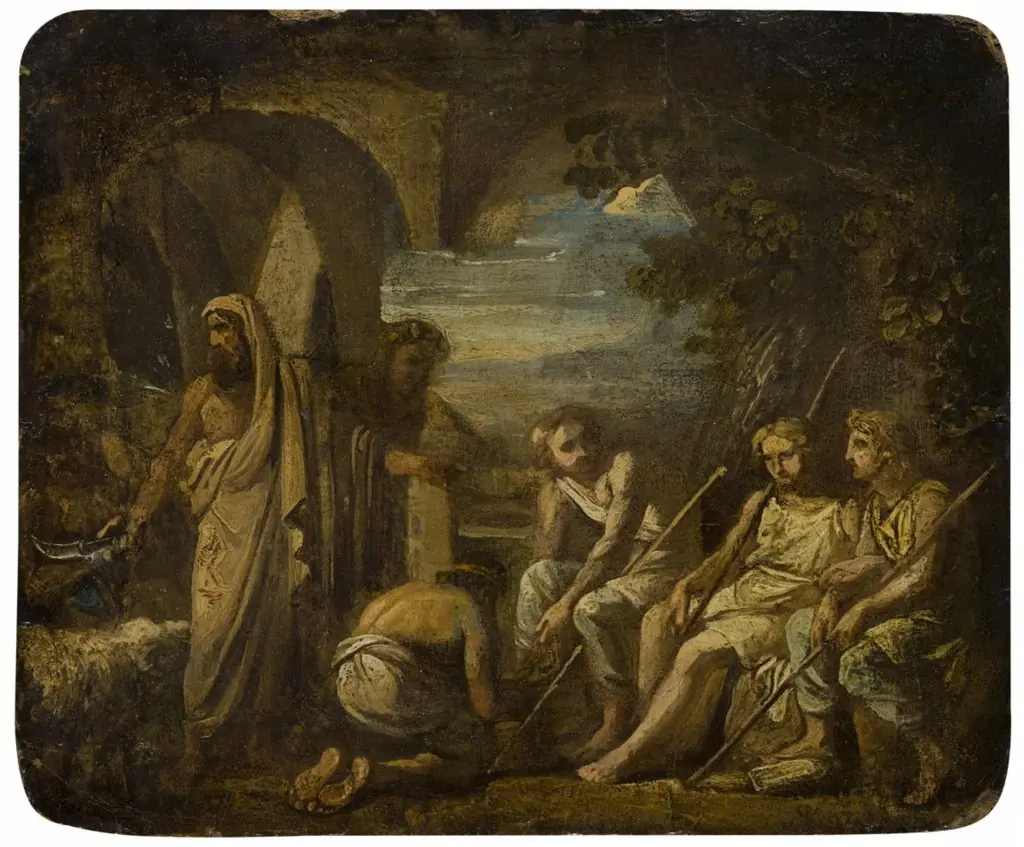 Sketch on the Subject of the Trinity Beneath the Oak of Mambre
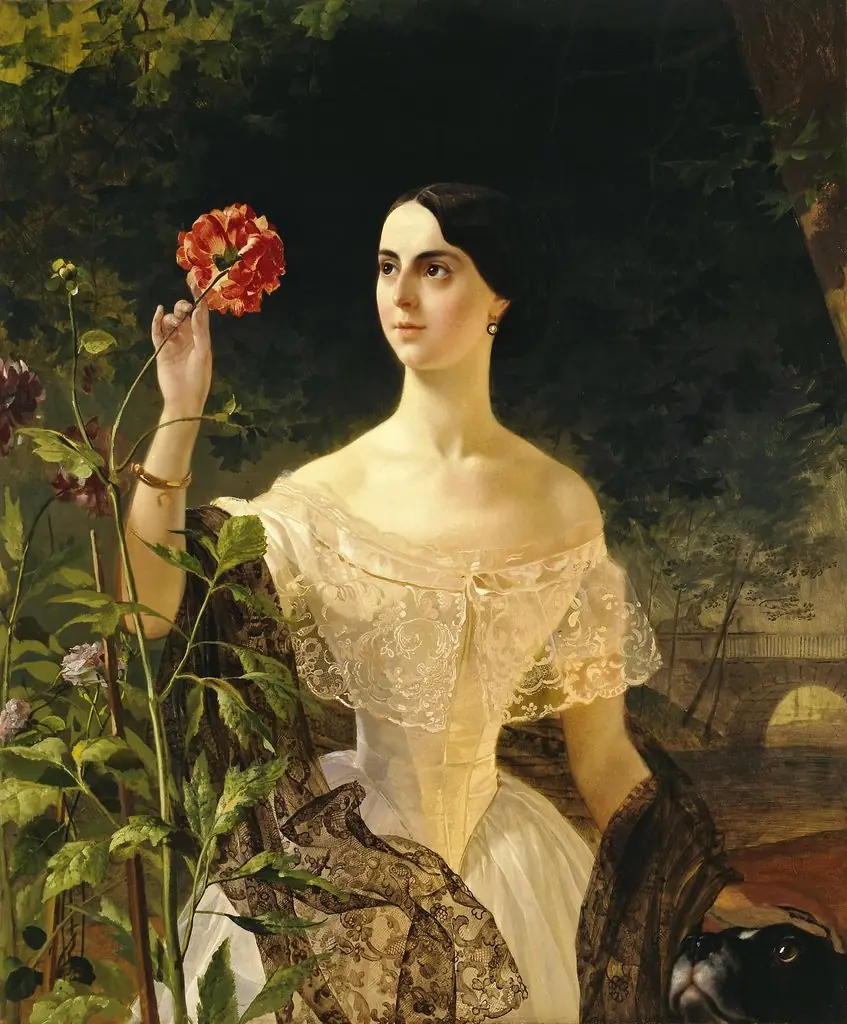 Portrait of Sophia Shuvalova (married name Bobrinskaya)
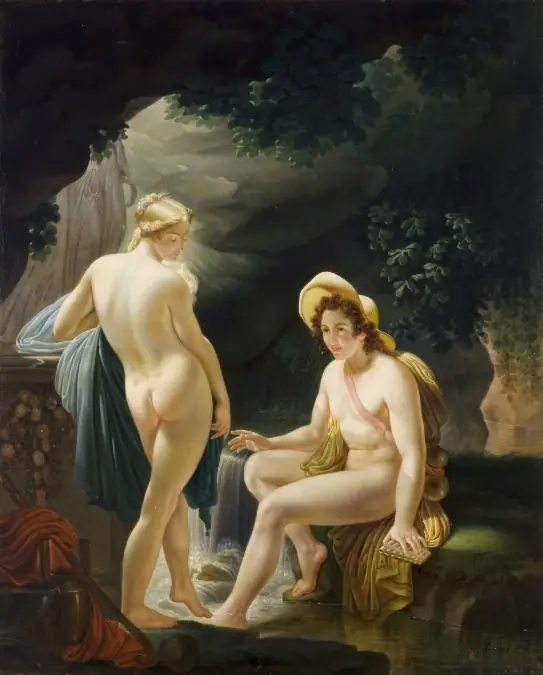 Daphnis and Chloe
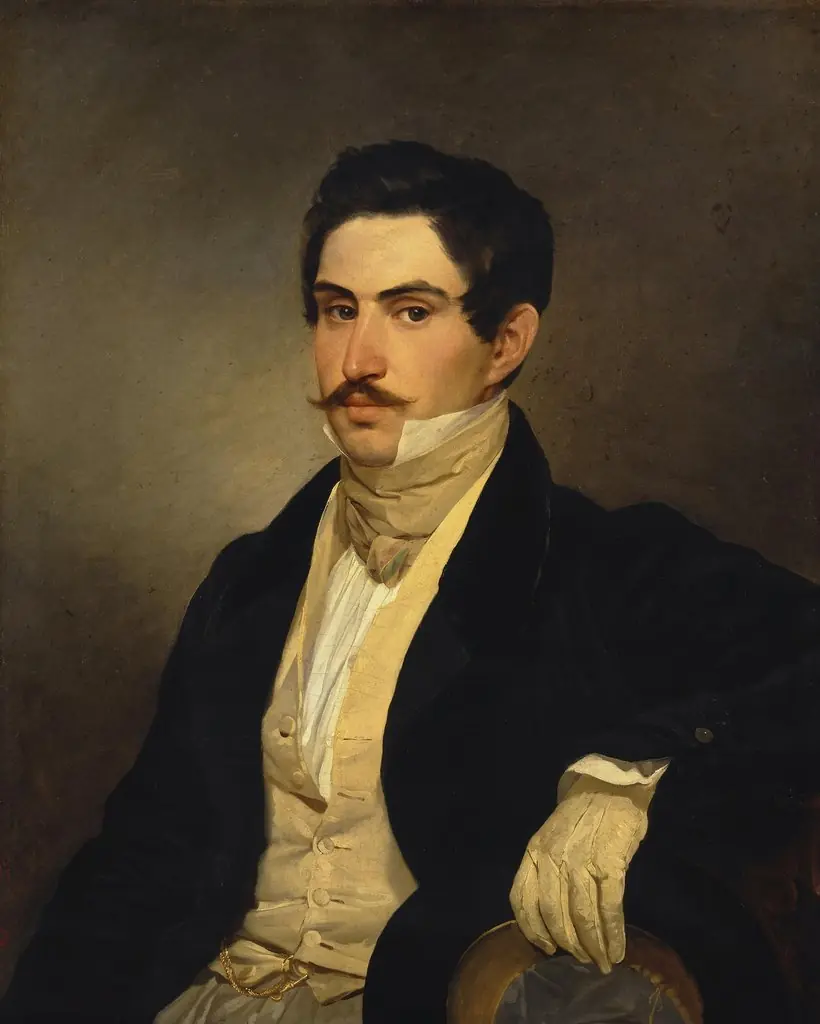 Portrait of N. A. Okhotnikov
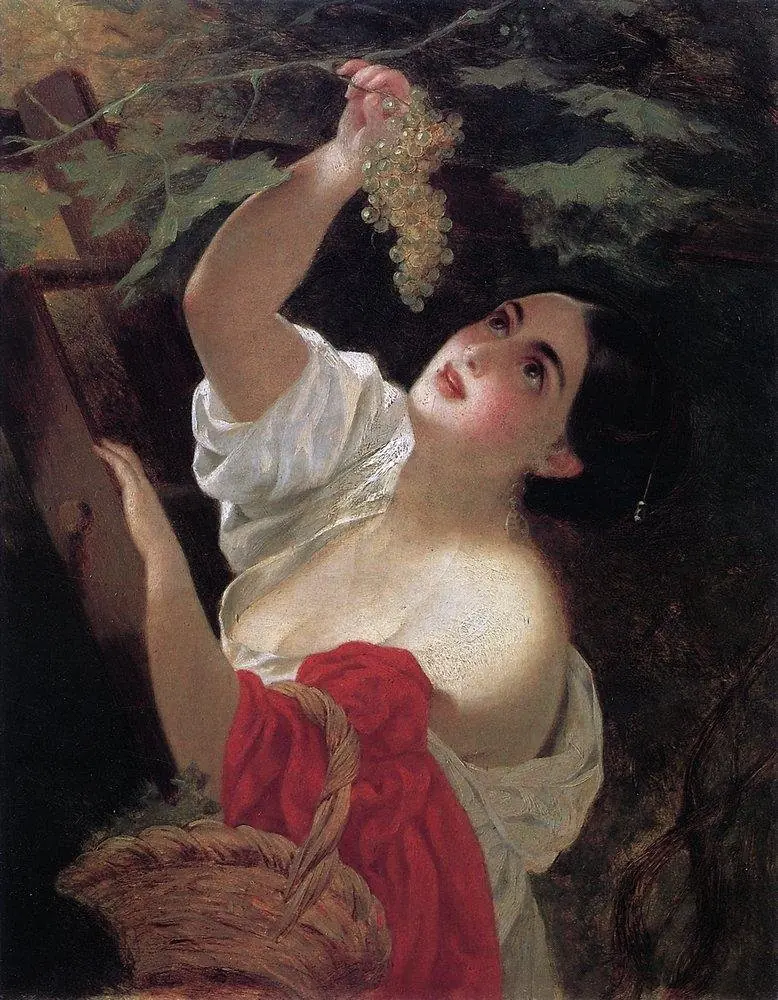 Italian Midday (1831 version)
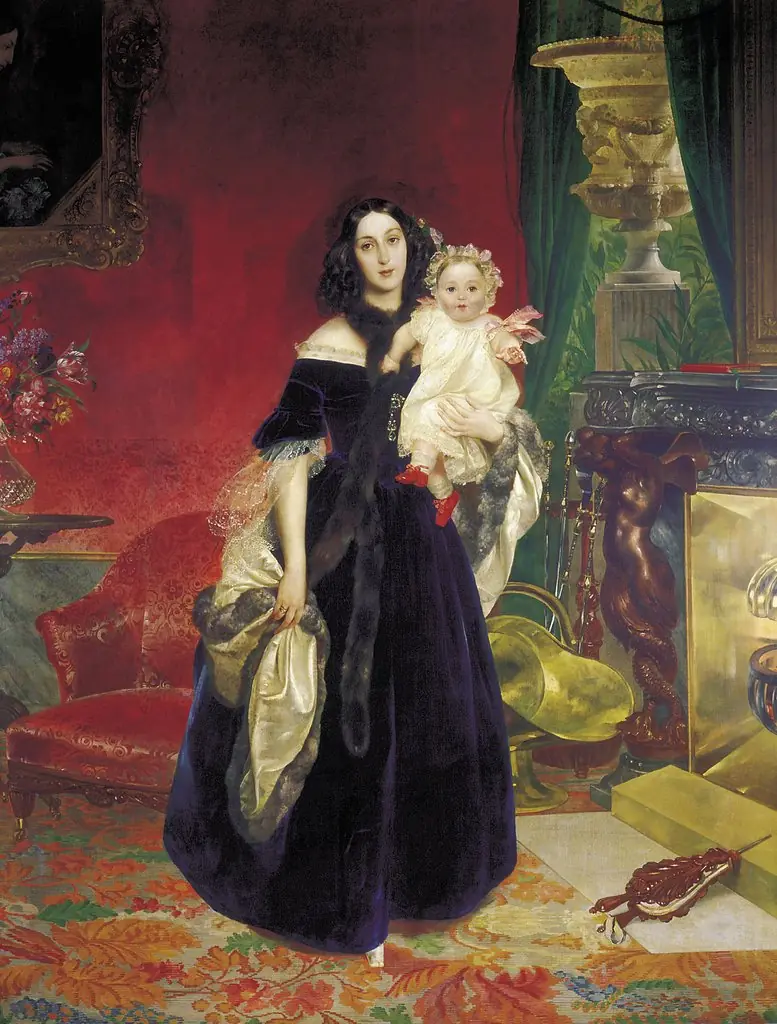 Portrait of Mariya Arkadyevna Bek with her Daughter
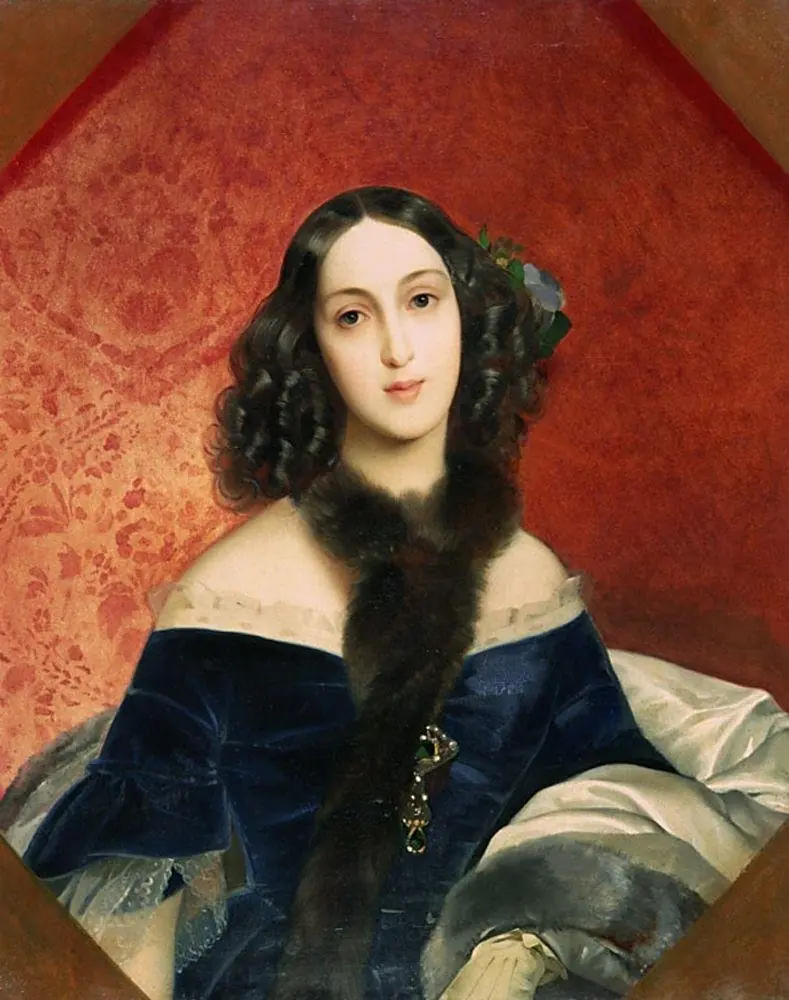 Maria Beck (née Stolypina, later Princess Vyazemskaya)
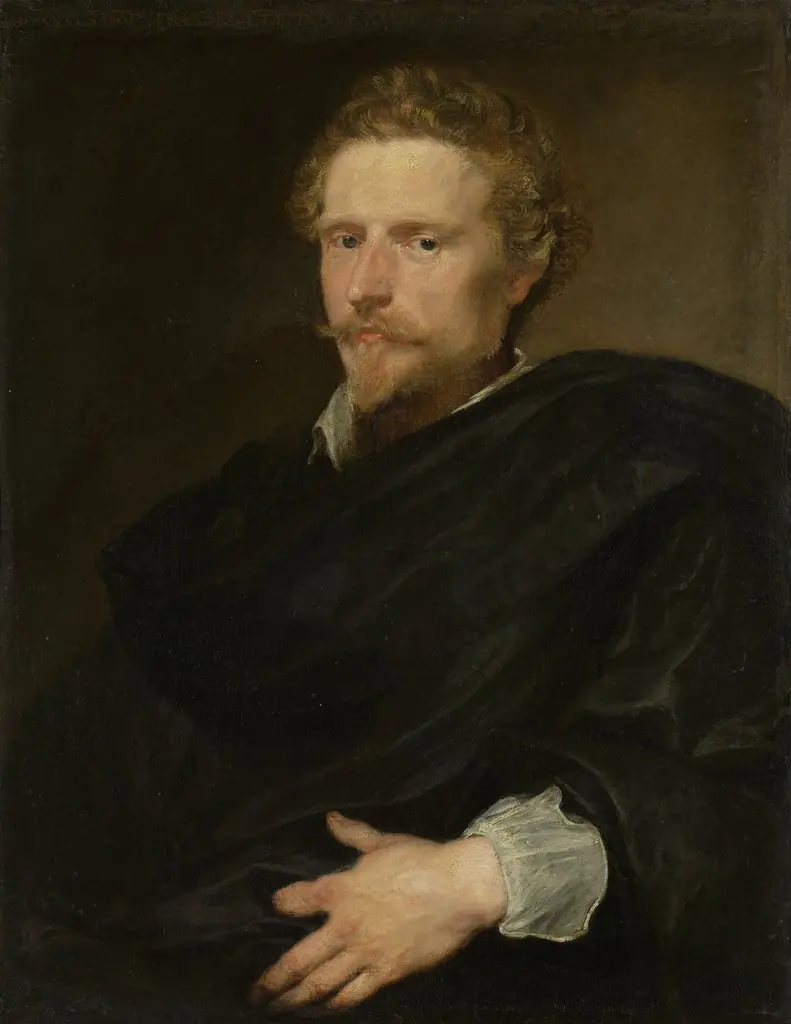 Johannes Baptista Franck (ca. 1599-1663)
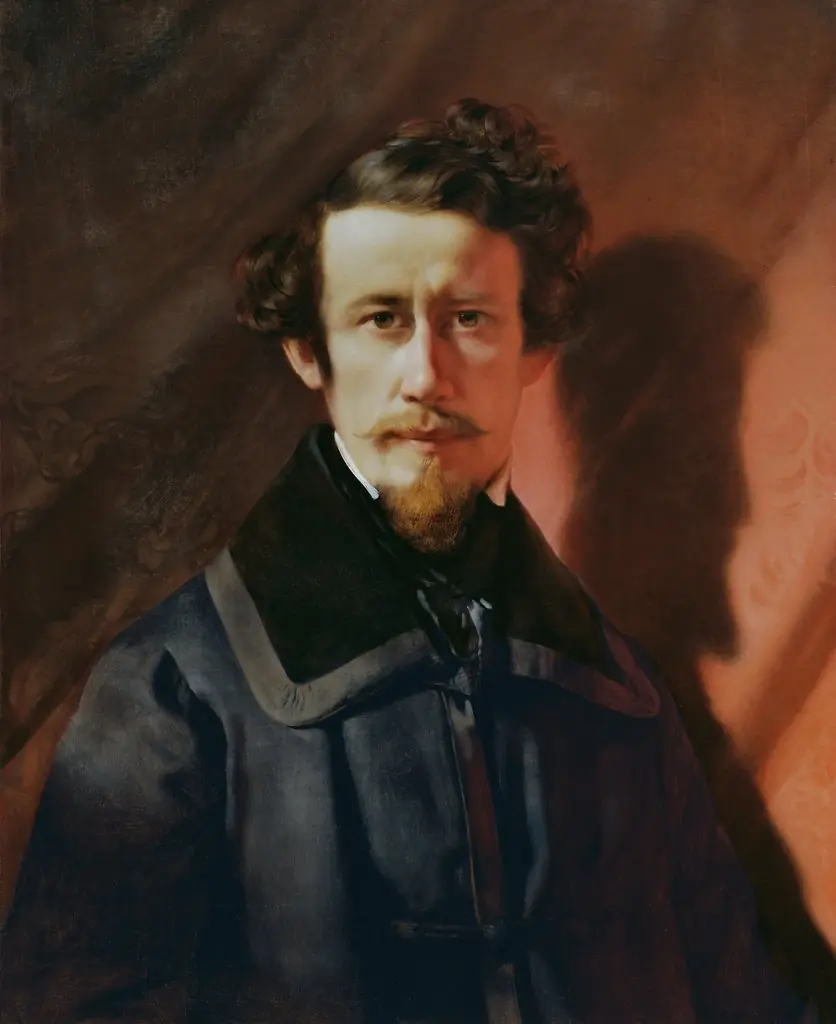 Selbstporträt vor rotem Grund
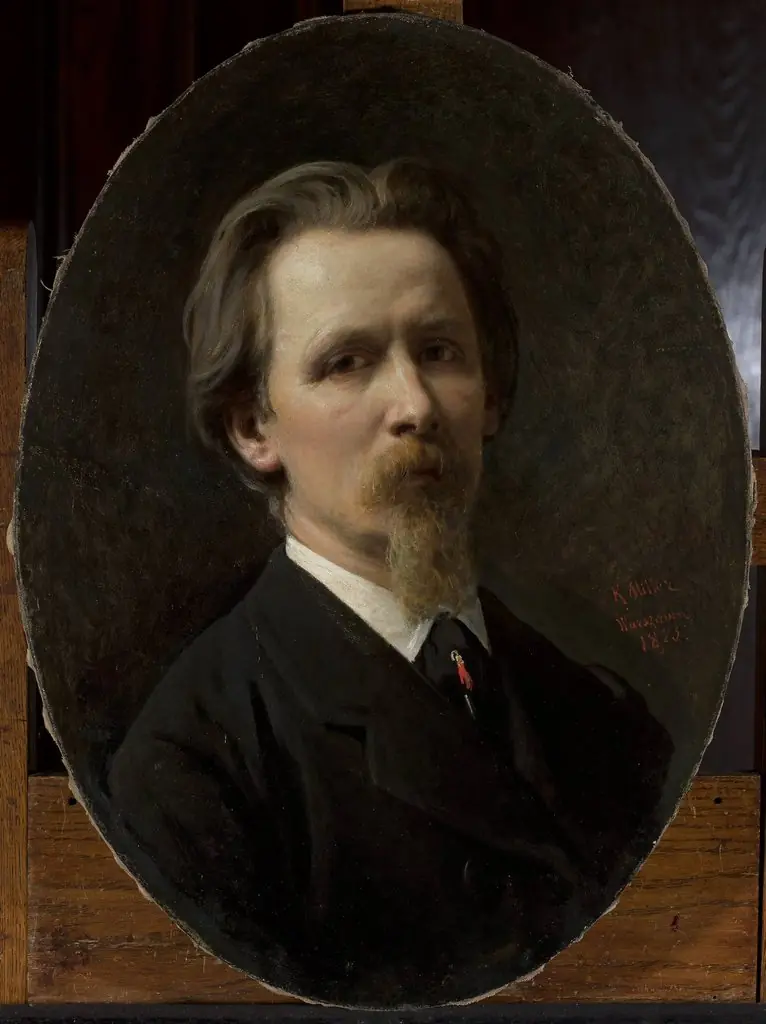 Self-portrait
 Head of a bearded Man wearing a Wheel Ruff
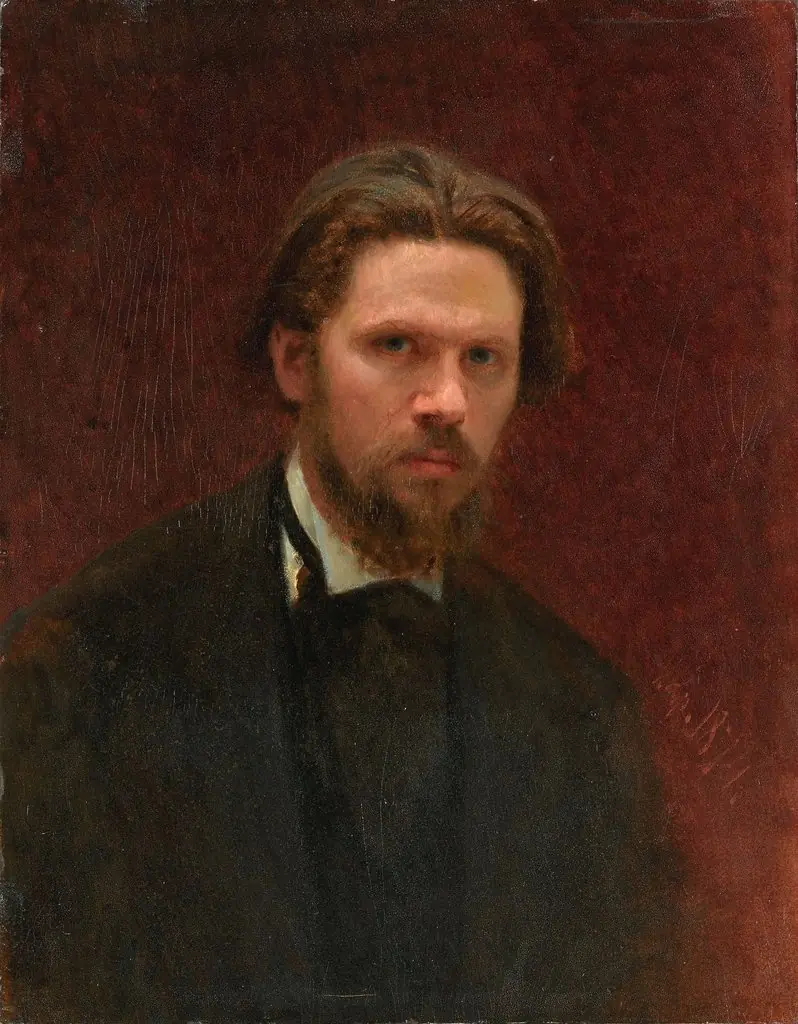 Self-portrait
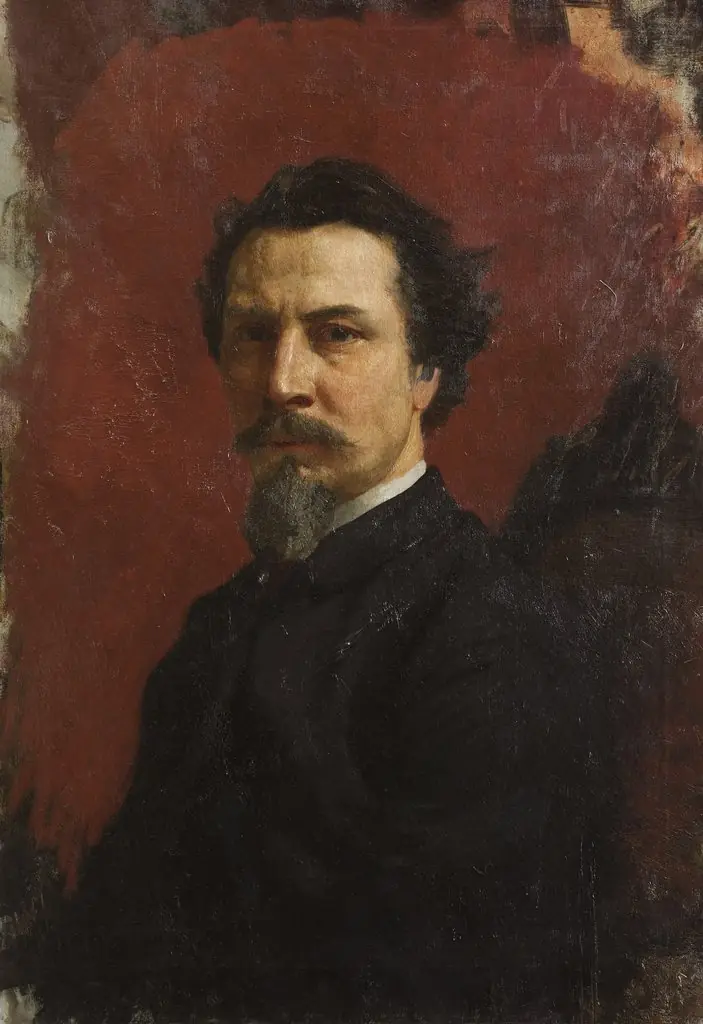 Self-Portrait
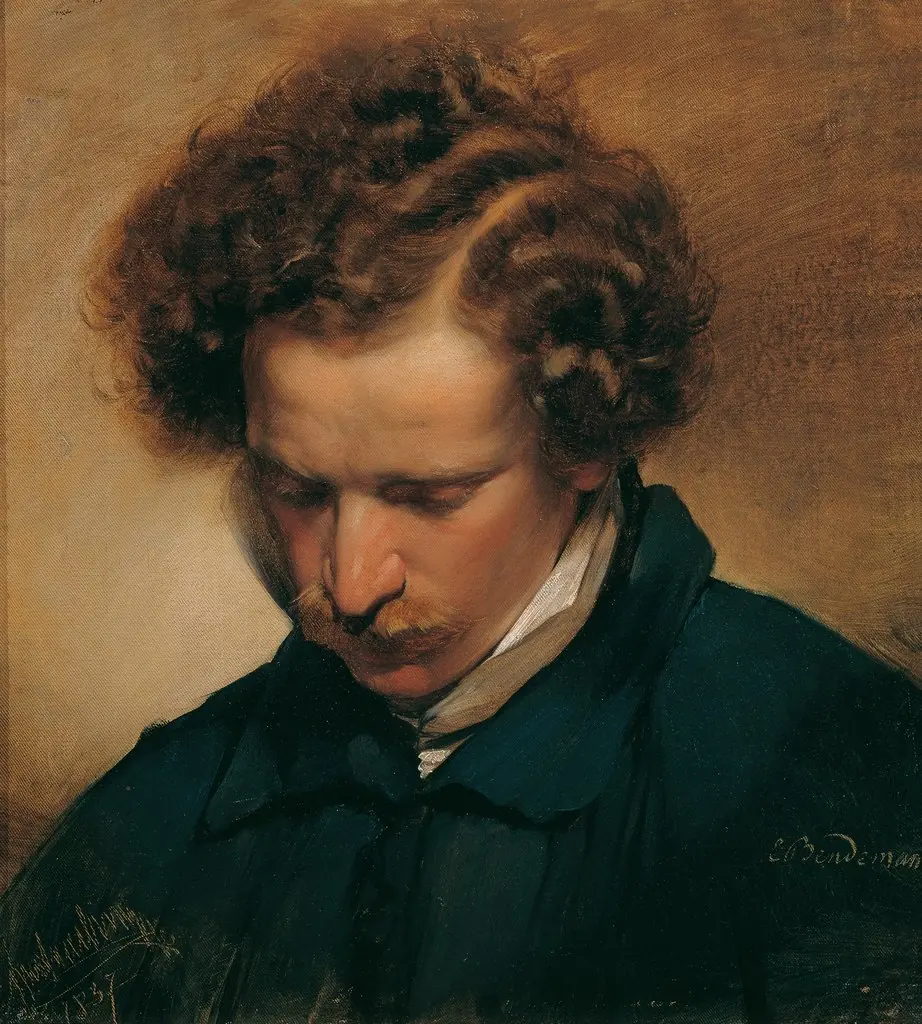 The Painter Eduard Bendemann
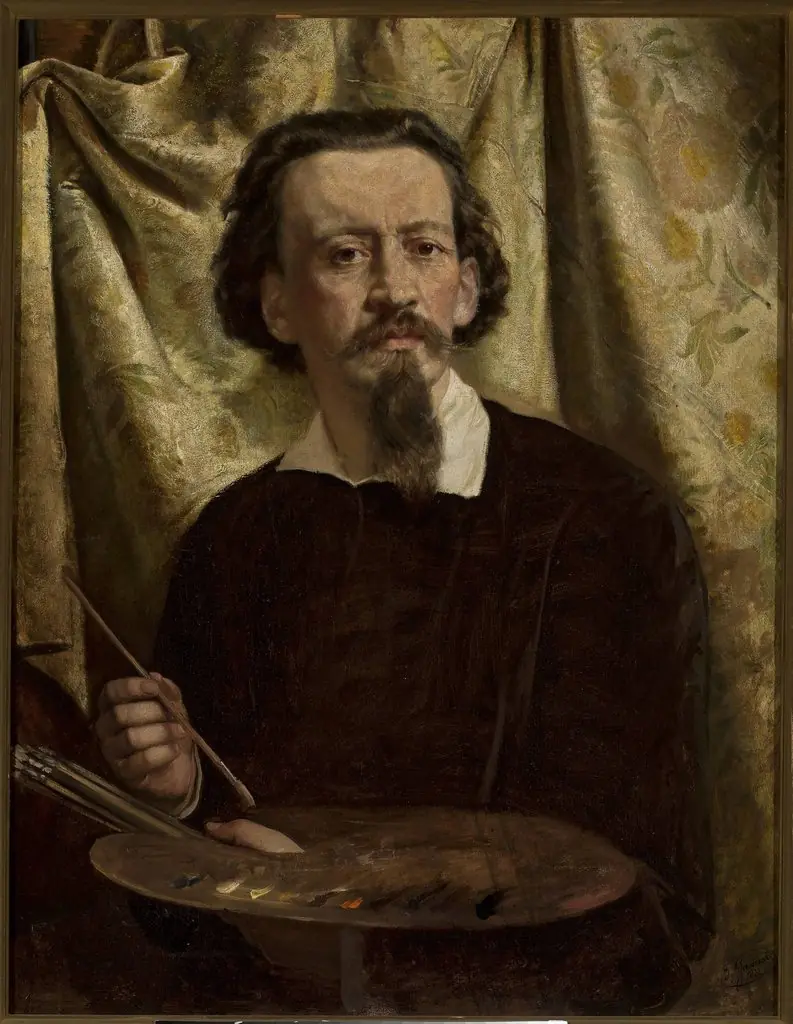 Self-portrait
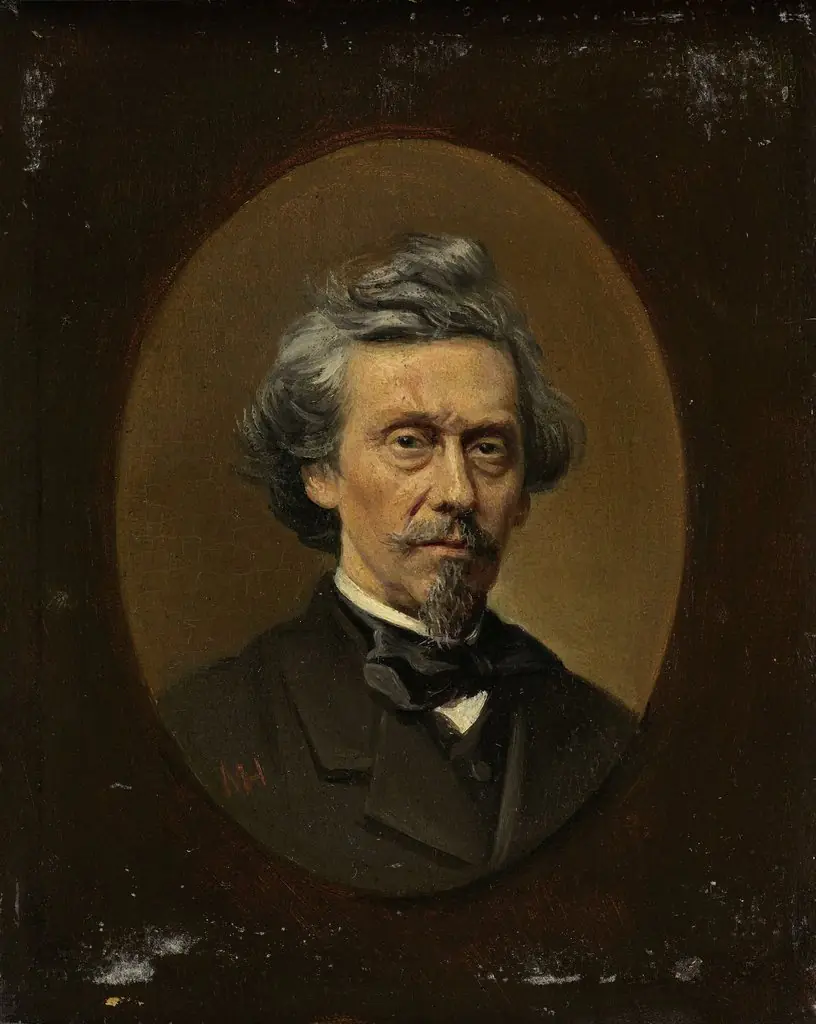 Petrus Franciscus Greive (1811-1872)
 Portrait of Emile Hermans, the artists' brother
 Portrait of a Blond Gentleman
 Self-Portrait II.