Artwork
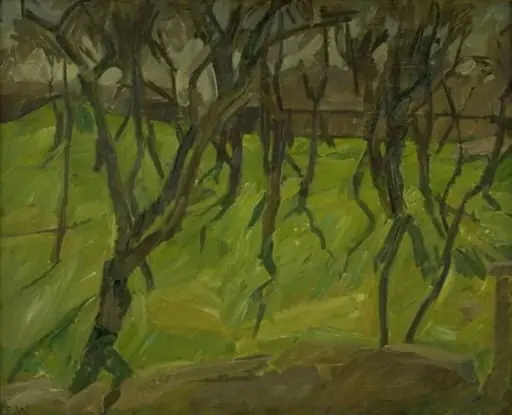
From Christiansø, Gl. Præstehave
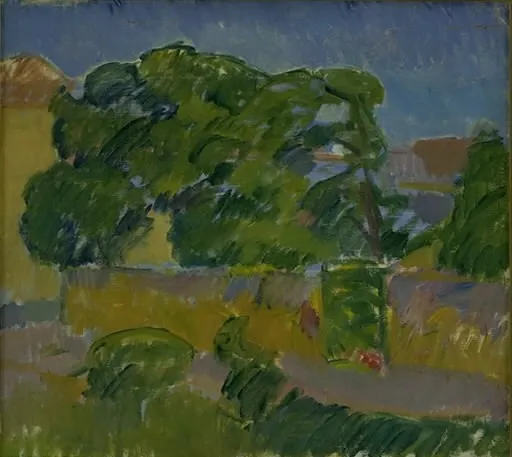
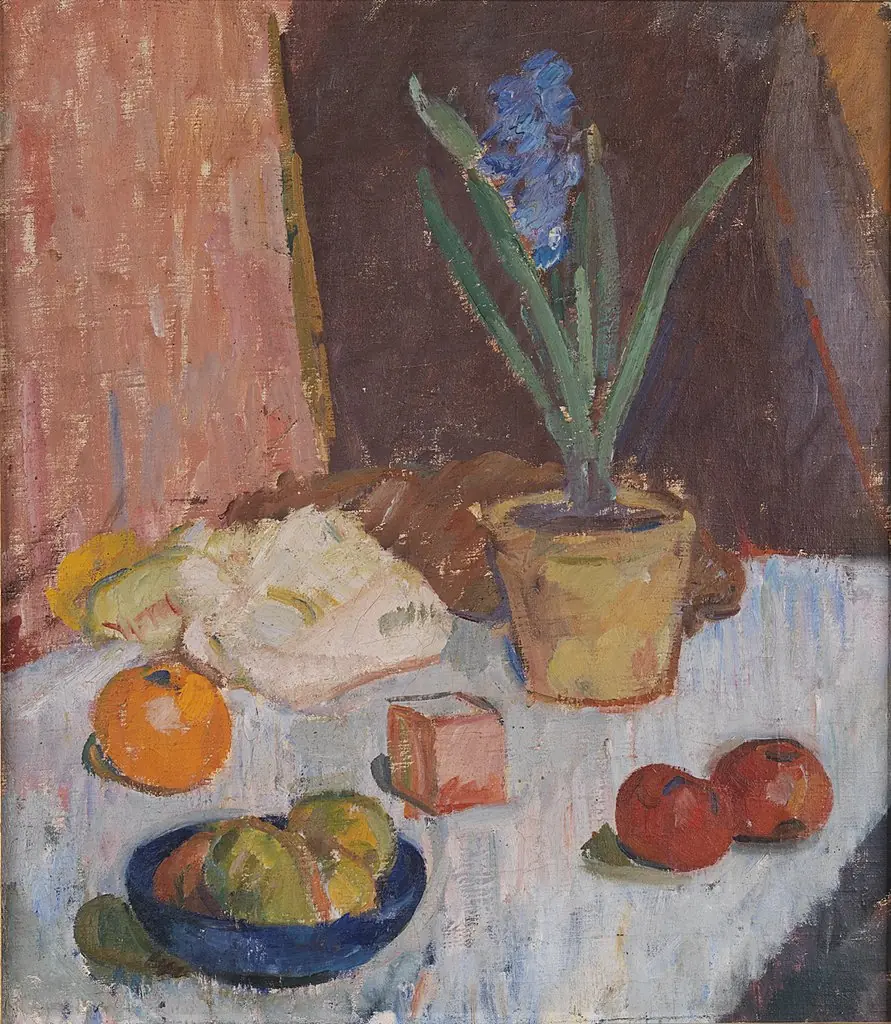
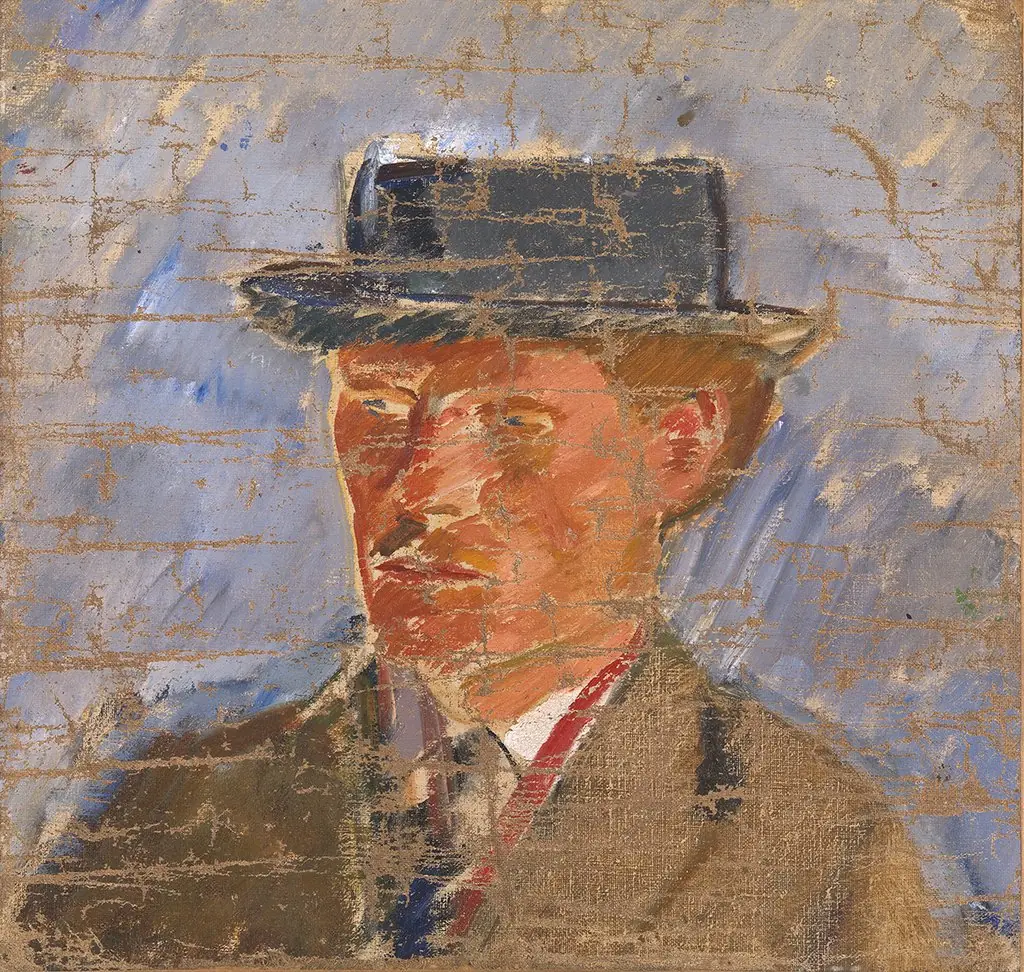
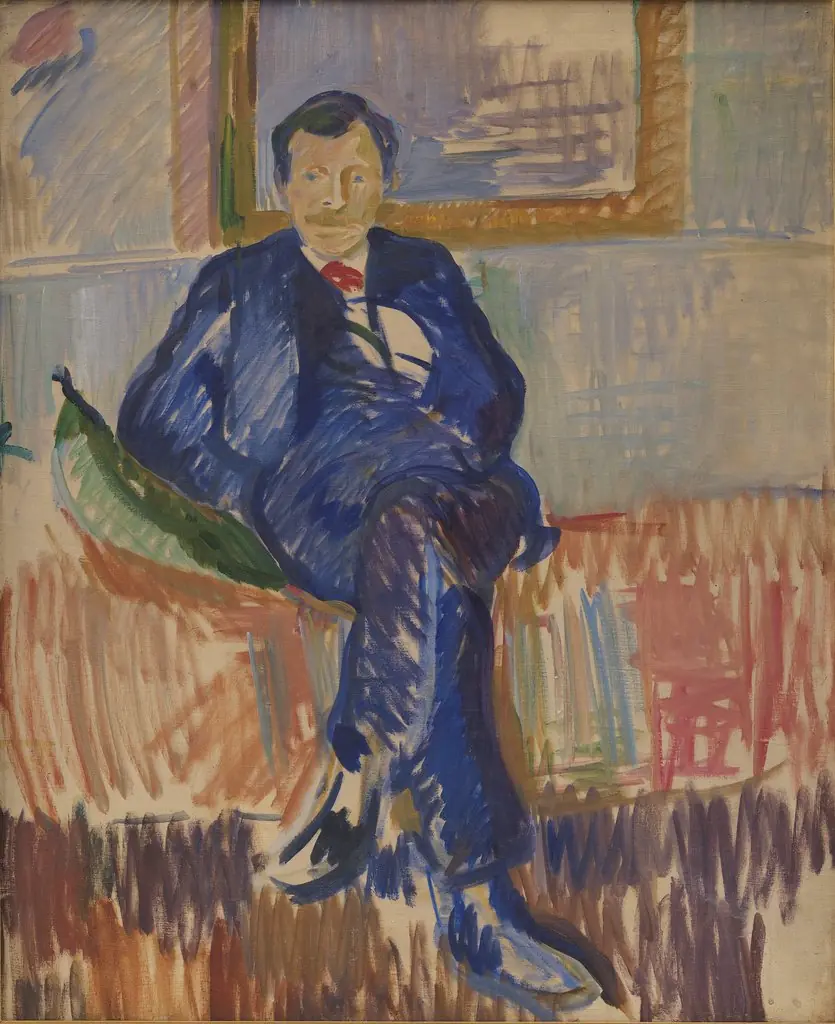
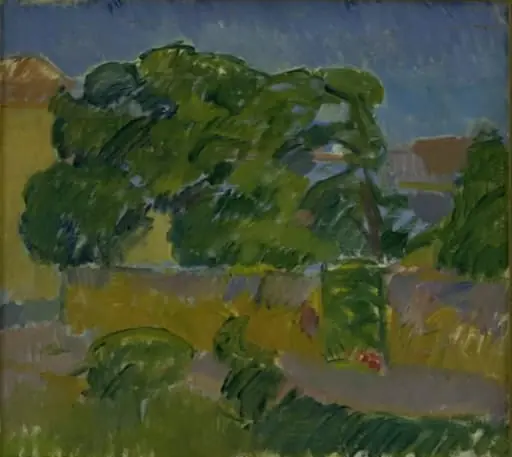
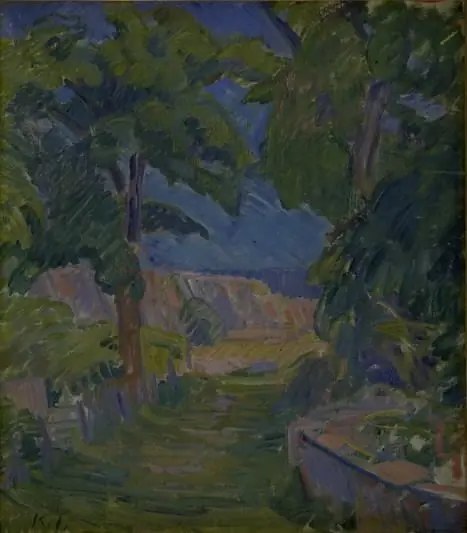
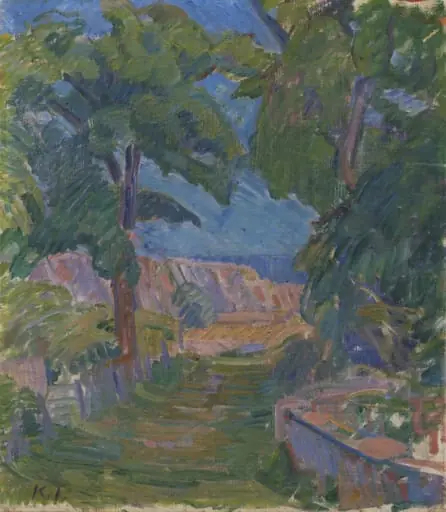
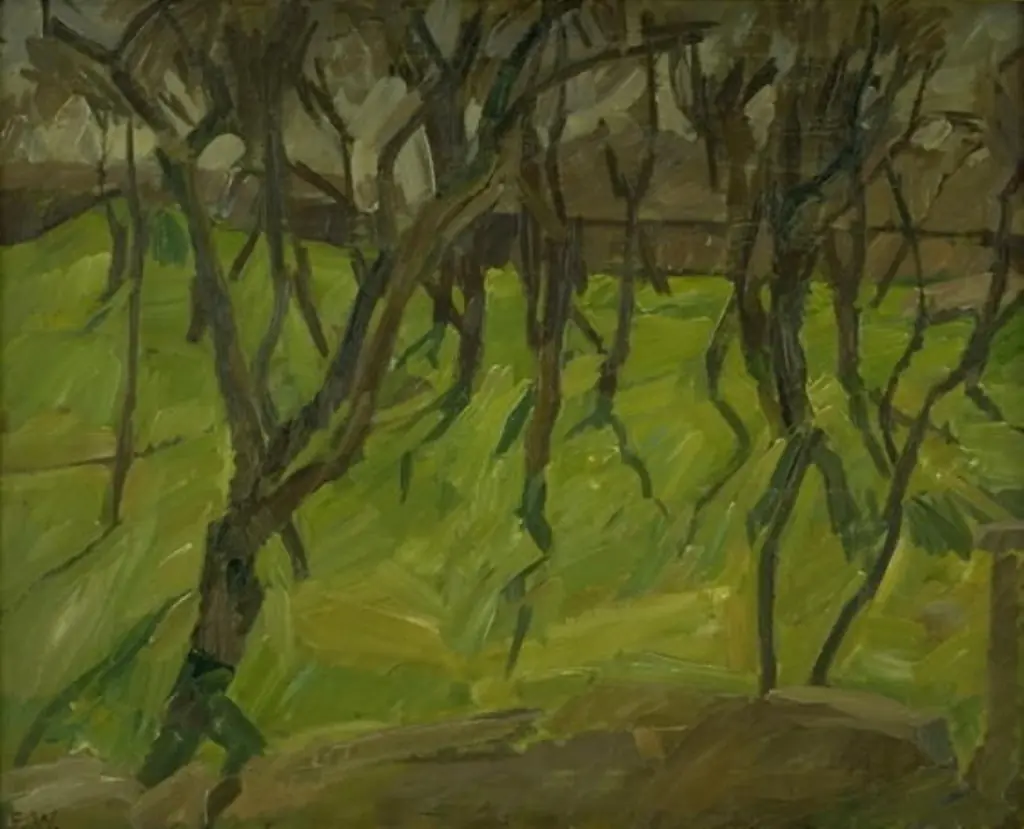
From Christiansø, Gl. Præstehave is an oil painting by the Impressionist artist Karl Isakson. It dates from 1911 and is held in the collection of the Statens Museum for Kunst.
About this work
Overview
His approach merged observational realism with emerging modernist sensibilities, moving beyond traditional representation toward expressive interpretation.
Karl Isakson, a Swedish artist based in Denmark, painted *From Christiansø, Gl. Præstehave* in 1911 using oil on canvas. The work belongs to the collection of Statens Museum for Kunst and reflects Isakson’s engagement with the Bornholm school, a group of artists drawn to the island’s light and landscape. His approach merged observational realism with emerging modernist sensibilities, moving beyond traditional representation toward expressive interpretation.
Subject & Meaning
The painting centers on a dominant tree in the foreground, its form anchoring the composition against a soft, open sky. Behind it, faint outlines of buildings and scattered vegetation suggest the quiet rural setting of Christiansø’s old parsonage garden. The subject is not a narrative scene but a contemplative moment—emphasizing presence, atmosphere, and the quiet rhythm of nature rather than human activity or historical context.
Technique & Style
Isakson applied oil paint with visible, deliberate brushstrokes, building texture through layered pigment rather than smooth blending. Greens vary in tone and saturation to suggest foliage depth, while the sky is rendered with thin washes that allow the canvas to breathe. The technique avoids sharp definition, favoring atmospheric suggestion—hallmarks of an Impressionist-influenced style adapted to a more restrained, introspective mood.
History & Provenance
Created during Isakson’s most productive period on Bornholm, the painting entered the collection of Statens Museum for Kunst shortly after its completion. It was part of a broader effort by Danish institutions to document the evolving national art scene. Its preservation reflects early 20th-century recognition of Isakson’s role in bridging Scandinavian traditions with modernist experimentation.
Context
In 1911, European art was shifting away from academic conventions toward personal expression and light-based observation. Isakson, alongside other Bornholm artists, responded by focusing on local landscapes under natural conditions. His work diverged from urban modernism, instead cultivating a quiet, lyrical form of modernity rooted in rural Denmark’s topography and seasonal light.
Legacy
Isakson’s approach influenced later generations of Danish painters who sought to reconcile modern technique with intimate, place-based subjects. *From Christiansø, Gl. Præstehave* remains a quiet exemplar of his contribution: neither overtly radical nor purely traditional, it embodies a transitional moment in Nordic art where perception, material, and place converged in understated harmony.
Artist & collection
Artist
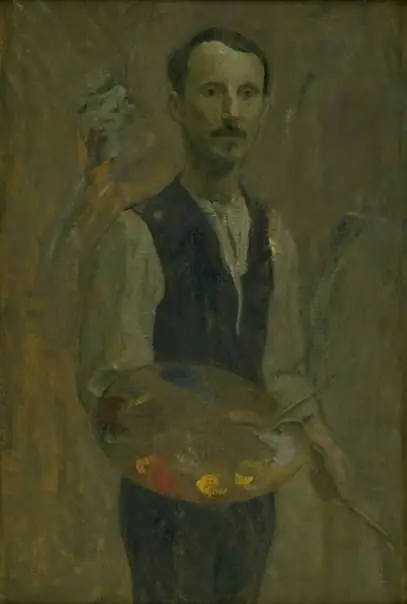
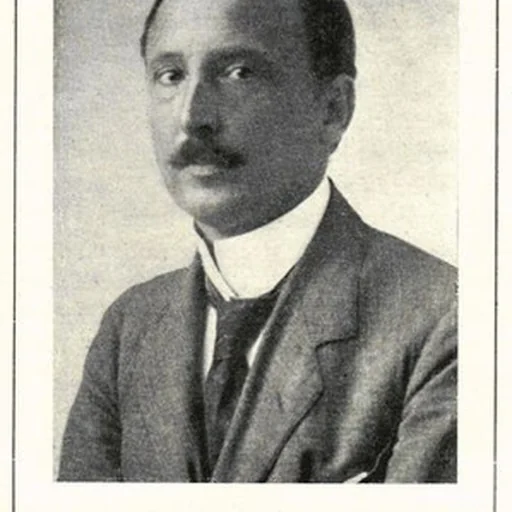
Karl Oscar Isakson (16 January 1878, in Stockholm – 19 February 1922) was a Swedish painter who spent much of his professional life in Denmark where he is considered to be one of the fathers of Modernism.