Artwork
The Recruiting Sarjeant
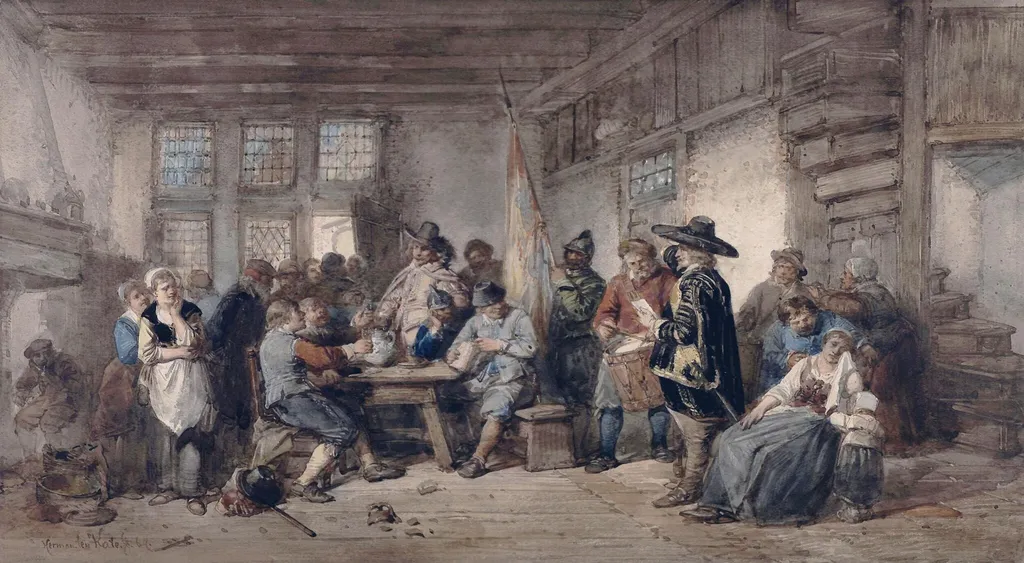
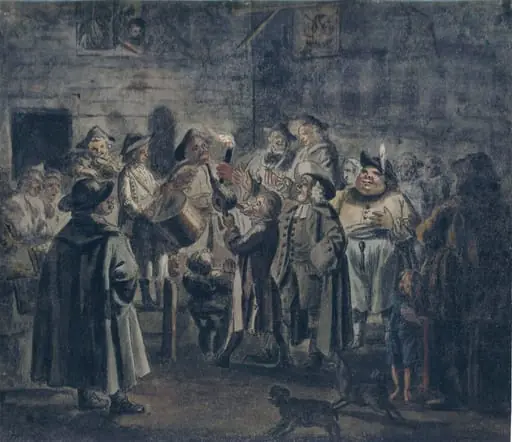
The Recruiting Sarjeant is a watercolor work on paper by the Impressionist artist Herman Frederik Carel ten Kate. It dates from 1864 and is held in the collection of the Victoria and Albert Museum.
About this work
Overview
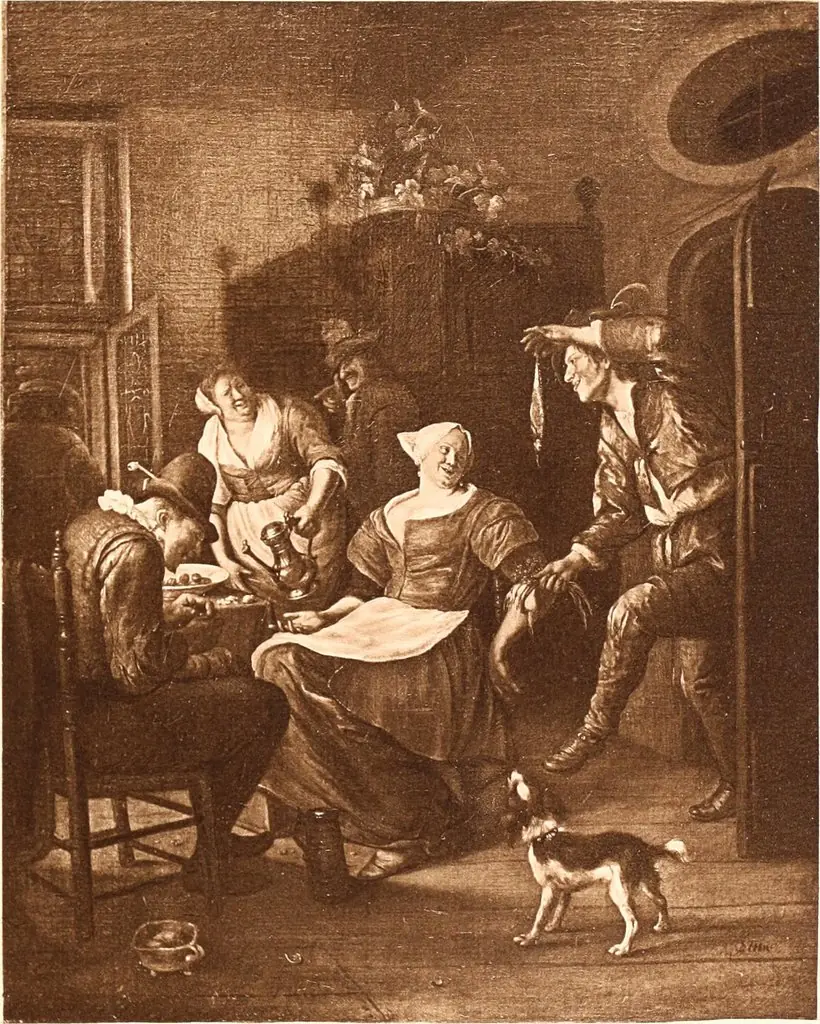
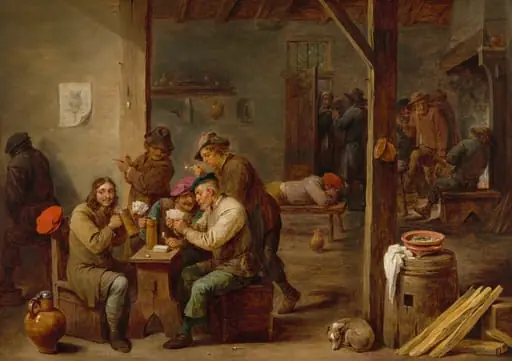
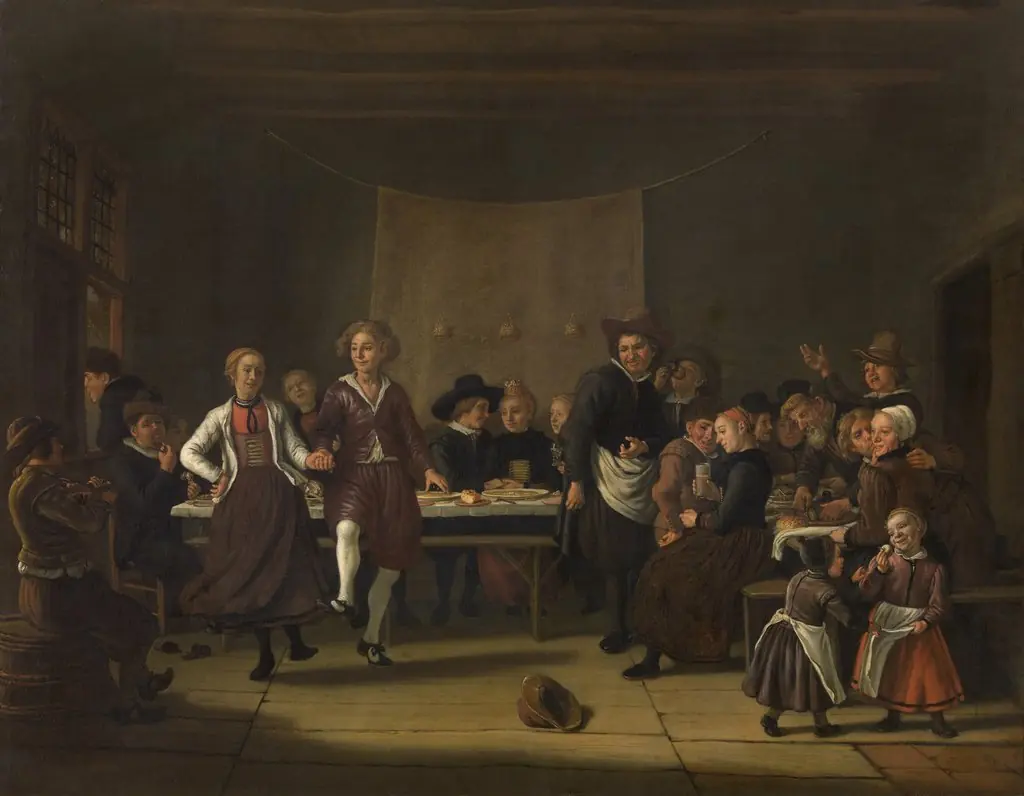
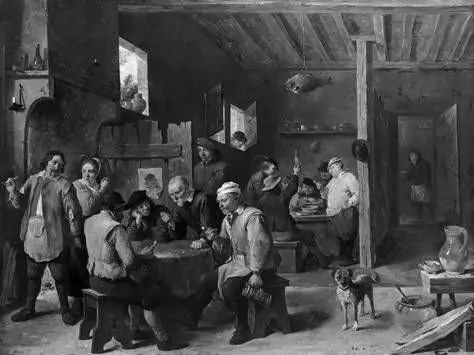
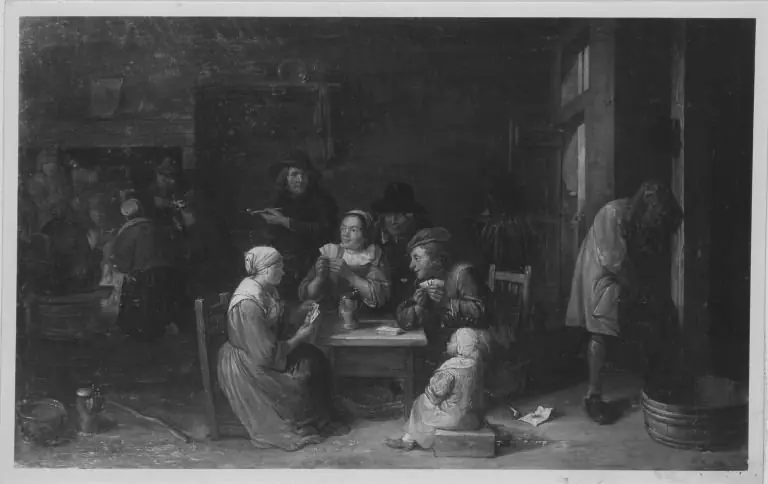
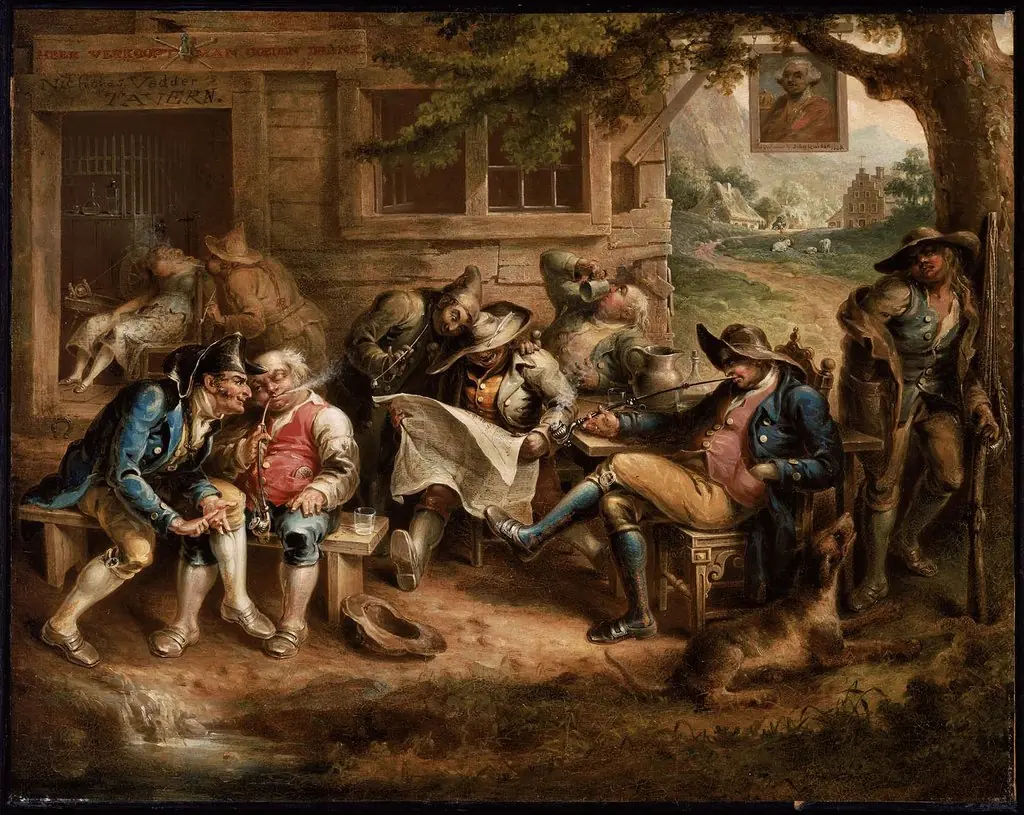
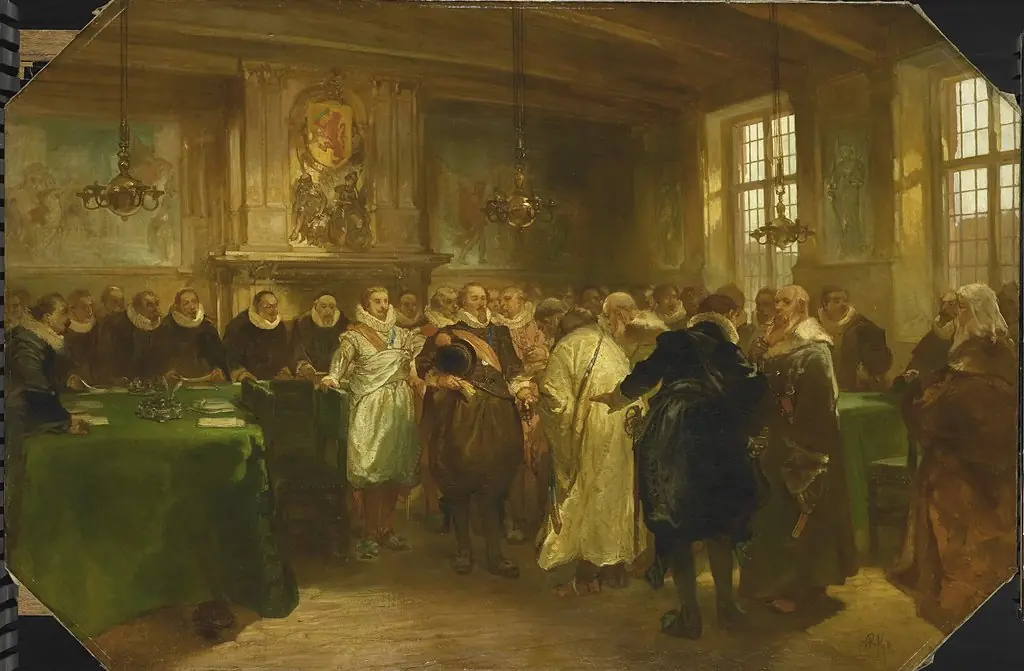
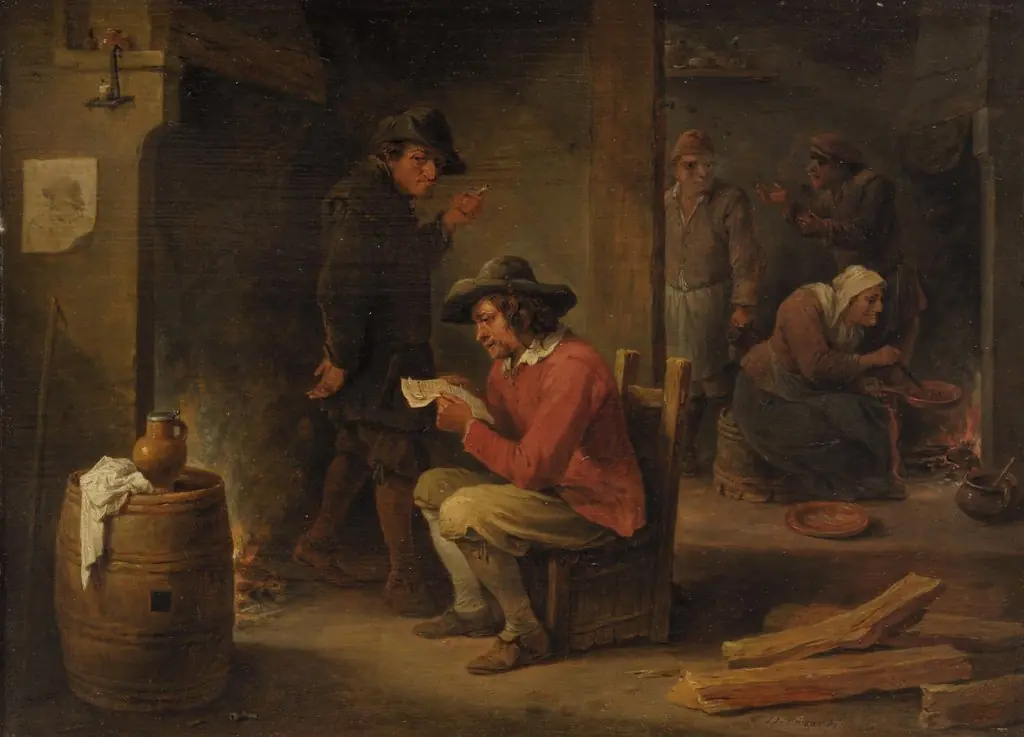
Herman Frederik Carel ten Kate’s watercolour *The Recruiting Sergeant* (1864) captures a bustling interior that resembles a village tavern or communal hall. The scene is densely populated with figures of various ages gathered around long tables, some seated, others standing, while a flag hangs near the ceiling and the uneven floor bears scattered objects such as a hat and a basket.
Subject & Meaning
The composition portrays a moment of local recruitment, suggested by the presence of a sergeant and the attentive crowd. Men in wide‑brimmed hats and period attire hold drinks or lean against walls, a woman tends a baby, and a drummer provides a rhythmic backdrop, hinting at both communal leisure and the looming call to military service.
Technique & Style
Ten Kate employs a careful modulation of light, allowing certain faces and garments to catch brighter illumination while other areas recede into shadow. This contrast accentuates the varied emotional states of the figures—fatigue, curiosity, relaxation—within the cramped space, and the rough wooden walls and dim windows contribute to the work’s atmospheric depth.
History & Provenance
The watercolour bears the artist’s signature and the date 1864, confirming its creation during a period of heightened military recruitment in the Netherlands. Its provenance traces back to private collections before entering the museum’s holdings, where it serves as a visual document of mid‑nineteenth‑century rural social life and enlistment practices.
Artist & collection
Artist
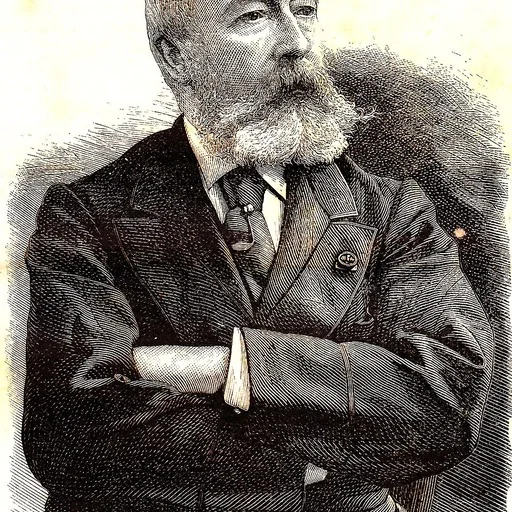
Herman Frederik Carel ten Kate
Herman Frederik Carel, or Herman ten Kate, the Elder (16 February 1822 – 26 March 1891), was a Dutch artist known for his paintings, drawings, and prints.