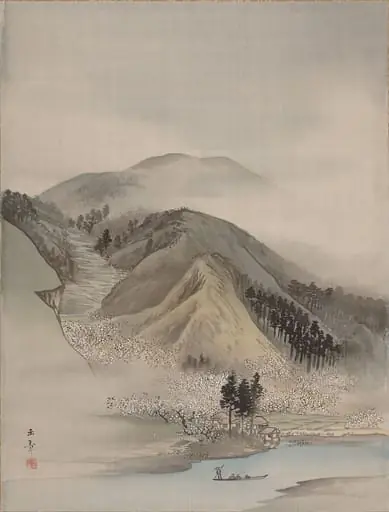
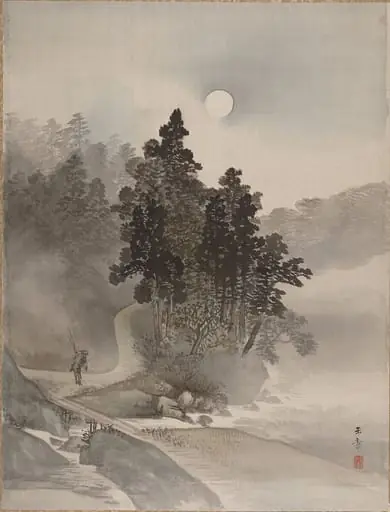
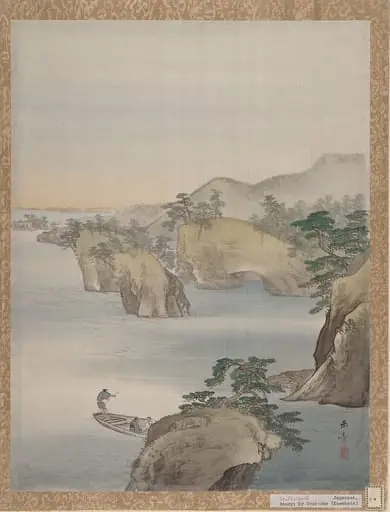
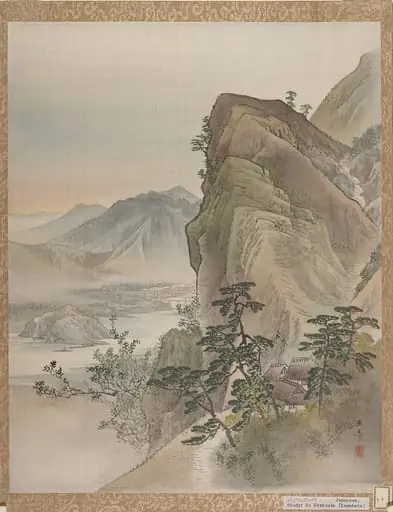
Artwork
Untitled
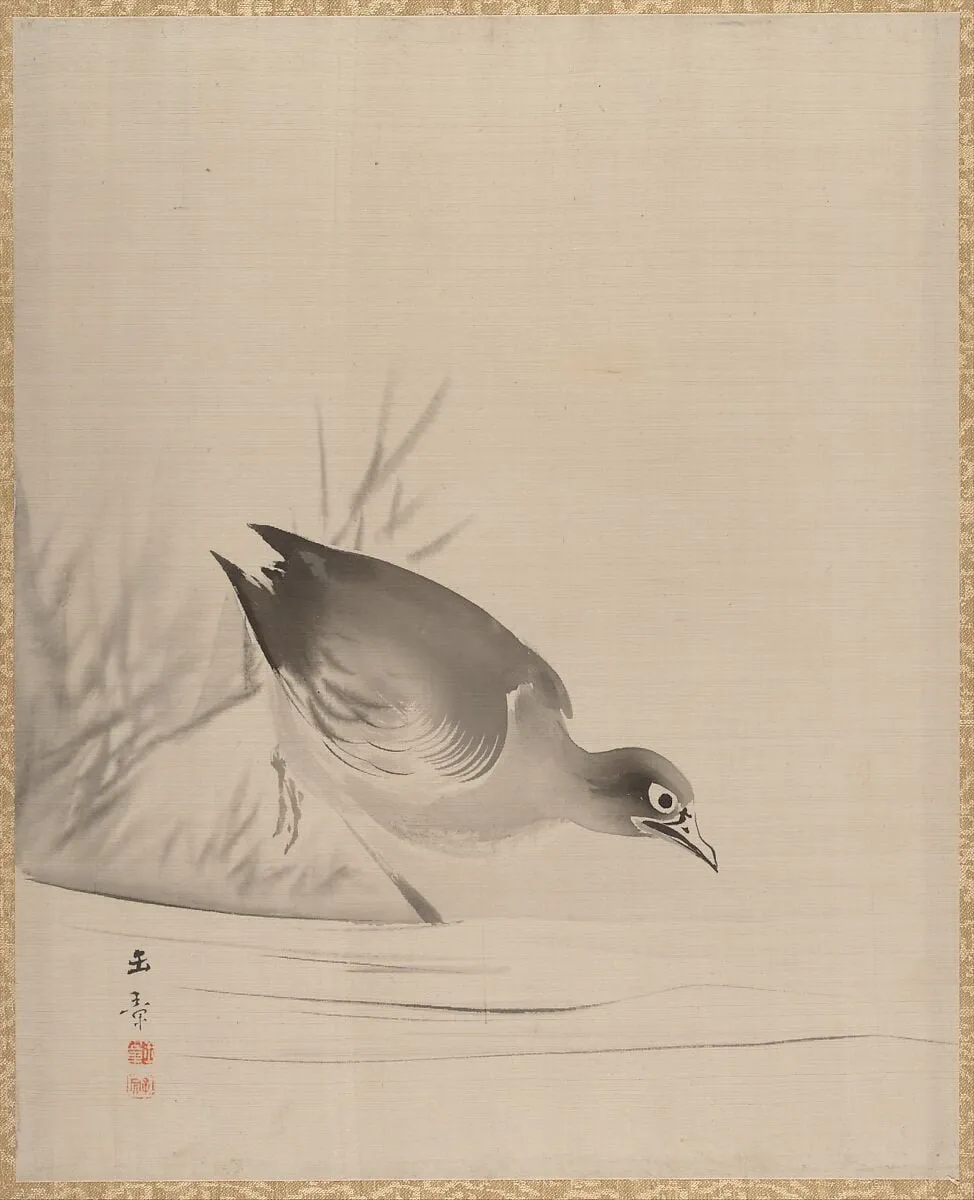
Untitled is an unspecified painting by the Impressionist artist Kawabata Gyokushō. It dates from 1890 and is held in the collection of the Metropolitan Museum of Art.
About this work
Overview
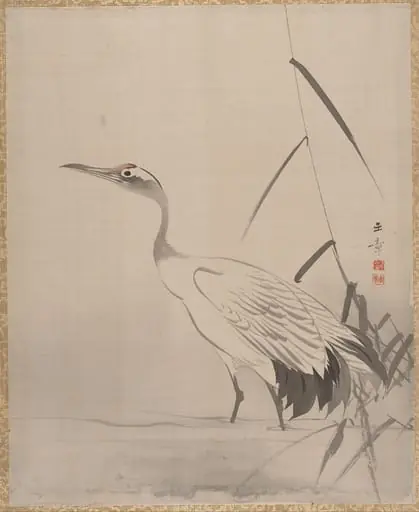
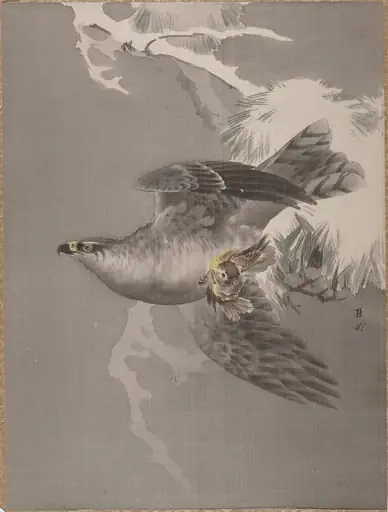
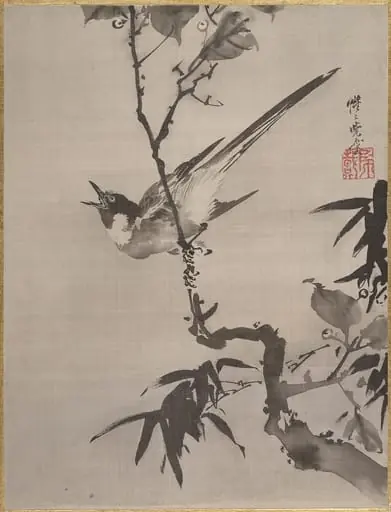
Created in 1890, this untitled work by Kawabata Gyōkushō is executed on a silk album leaf. The composition presents a solitary bird perched on a stark branch, its wings poised for flight against an unadorned background. The simplicity of the setting draws immediate focus to the bird’s form and the subtle play of light across its feathers.
Subject & Meaning
The central figure is a small bird, rendered with a sense of immediacy that suggests a moment captured just before it takes off. Its half‑raised wings and alert posture convey vitality, while the surrounding emptiness evokes a quiet, contemplative space, inviting viewers to consider the tension between motion and stillness.
Technique & Style
Gyōkushō combines traditional Japanese brush techniques with influences from contemporary European painting, particularly in his treatment of light. The delicate silk surface allows for fine, translucent washes that model the bird’s plumage, while the crisp lines of the branch reflect a disciplined hand rooted in Japanese calligraphy.
History & Provenance
Produced during the Meiji period, when Japan was actively engaging with Western artistic ideas, the piece exemplifies the era’s experimental synthesis. Though its early ownership records are sparse, the work has remained within private collections, eventually entering the museum’s holdings as part of a broader acquisition of Meiji‑era silk paintings.
Context
The late nineteenth century saw Japanese artists incorporating foreign concepts of perspective and illumination while retaining native aesthetics. Gyōkushō’s bird study illustrates this cultural dialogue, marrying the Japanese appreciation for negative space with a Western interest in rendering atmospheric light, thereby reflecting the broader artistic currents of his time.
Artist & collection