Artwork
Boy’s Day Carp Streamer and Shōki Banner
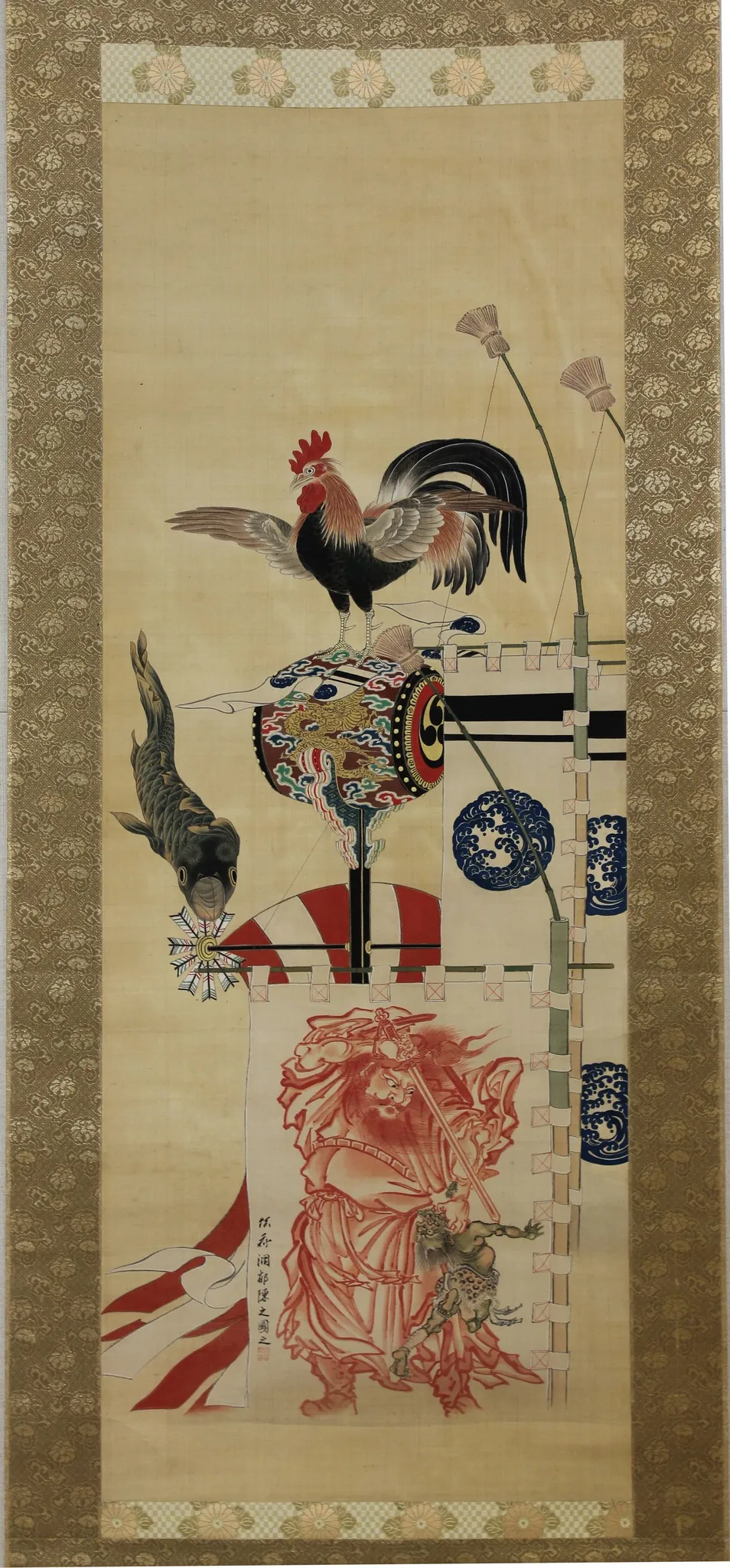
Boy’s Day Carp Streamer and Shōki Banner is an unspecified painting by the Ukiyo-e artist Kawanabe Kyōsai 河鍋暁斎. It dates from 1850 and is held in the collection of the Metropolitan Museum of Art.
About this work
Overview
Created circa 1850 by Kawanabe Kyōsai, this multicolored painting belongs to the ukiyo‑e tradition and illustrates a festive scene linked to Japan’s Boys’ Day celebration. The composition combines a carp‑shaped windsock, a banner bearing the figure of Shōki, and assorted decorative motifs that together evoke the holiday’s protective and auspicious symbolism.
Subject & Meaning
The work foregrounds a carp streamer soaring upward, a traditional emblem of strength and success for boys. Adjacent to it, a banner displays Shōki, a legendary demon‑queller invoked to ward off evil. Together these elements convey wishes for health, vigor, and protection during the annual rite that honors male youth.
Technique & Style
Kyōsawa employs the bold, saturated palette characteristic of late‑period ukiyo‑e, juxtaposing vivid reds, blues, and golds with intricate line work. The painting blends realistic animal forms—rooster, tiger cub, carp—with stylized decorative patterns such as dragons, flowers, and feathered streamers, reflecting the artist’s penchant for humor and visual exuberance.
History & Provenance
Kyōsai, often regarded as one of the final virtuosos of traditional Japanese painting, produced this piece during a phase when ukiyo‑e artists were expanding beyond the conventional portraits of courtesans and actors. The painting’s later ownership record is sparse, but it has been cited in surveys of Kyōsai’s festival imagery and displayed in Japanese art collections.
Context
Boys’ Day (now Children’s Day) was celebrated with carp streamers (koinobori) and protective talismans such as Shōki banners. By the mid‑nineteenth century, these customs had entered popular visual culture, providing ukiyo‑e artists like Kyōsai material for lively, market‑friendly prints that blended folk belief with contemporary aesthetics.
Artist & collection
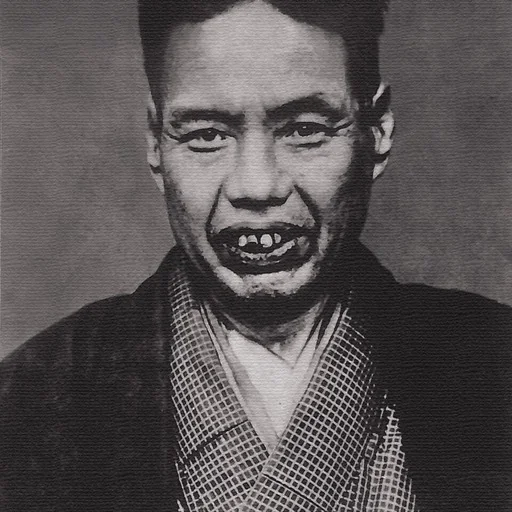
Artist
Kawanabe Kyōsai (河鍋 暁斎; May 18, 1831 – April 26, 1889) was a Japanese painter and caricaturist. In the words of art historian Timothy Clark, "an individualist and an independent, perhaps the last virtuoso in traditional Japanese painting".