Artwork
The Hell Courtesan
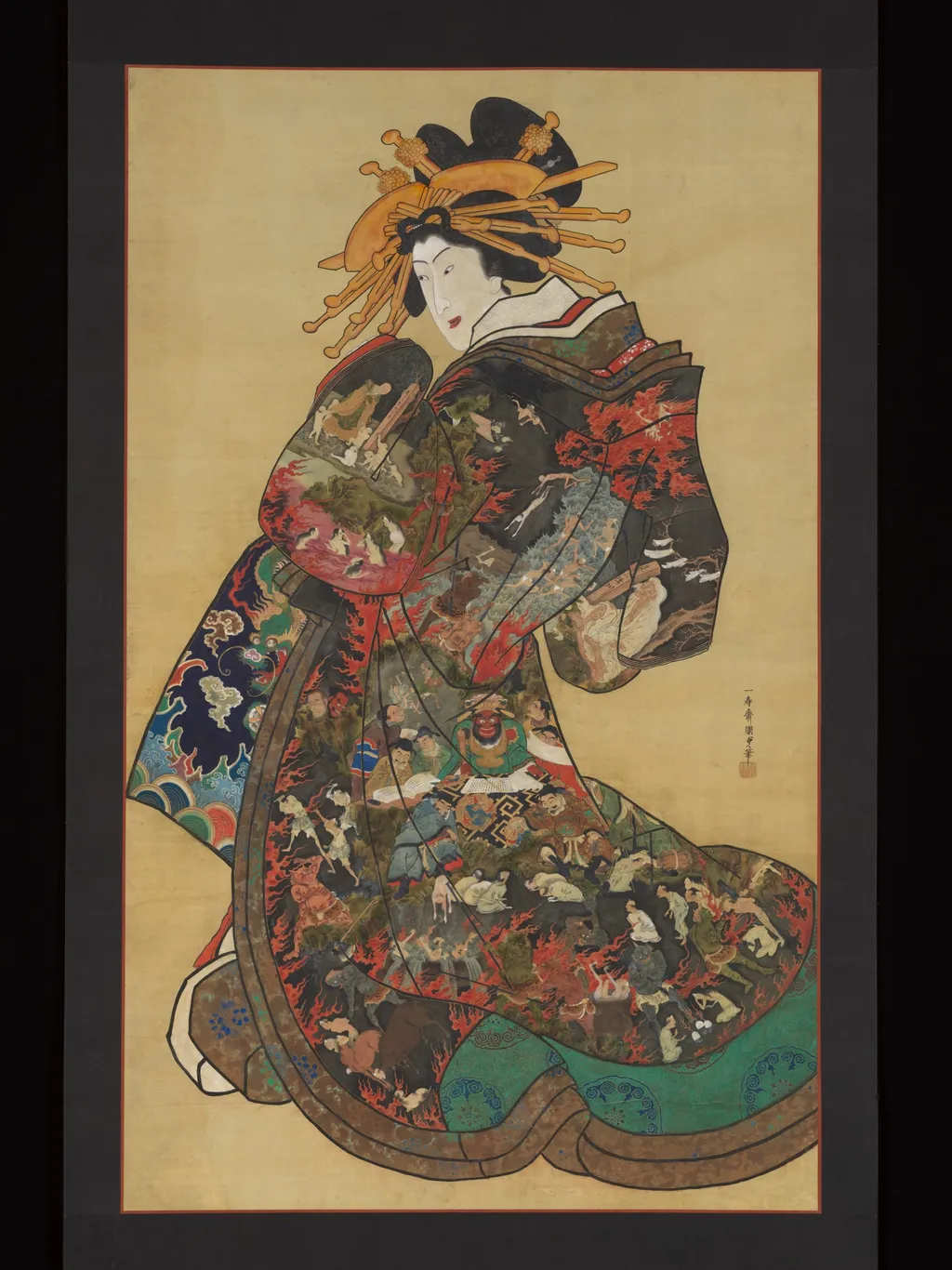
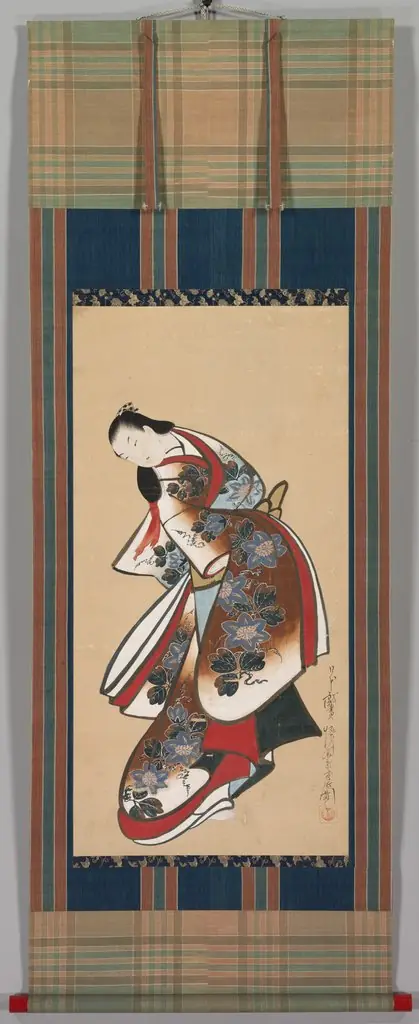
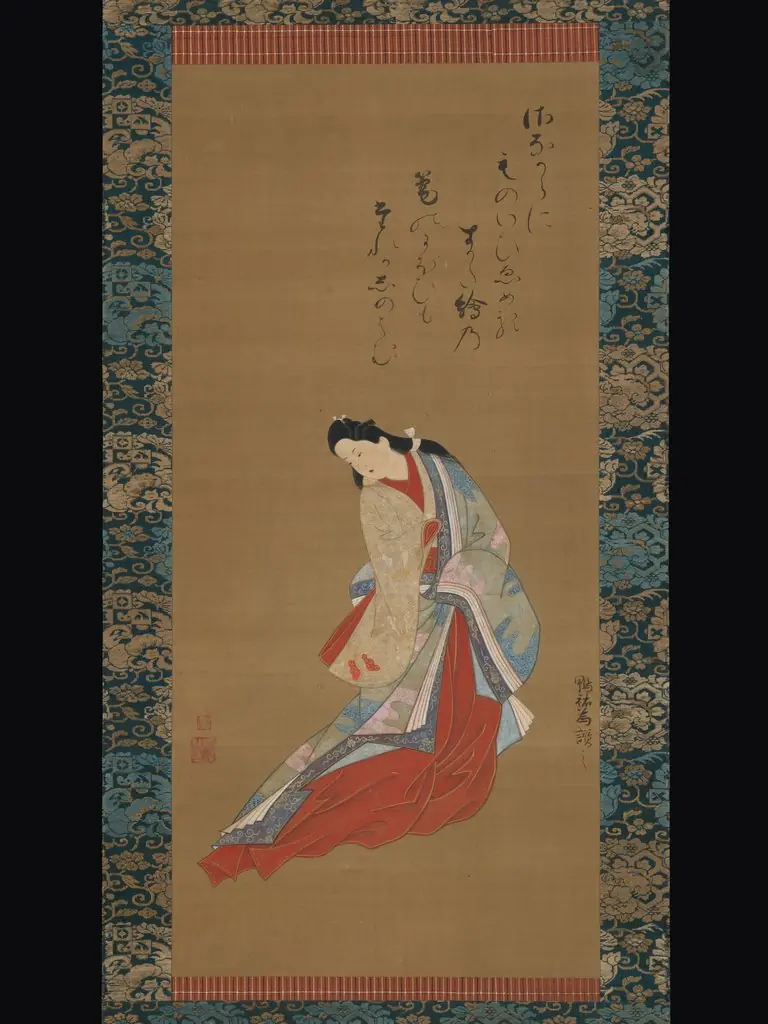
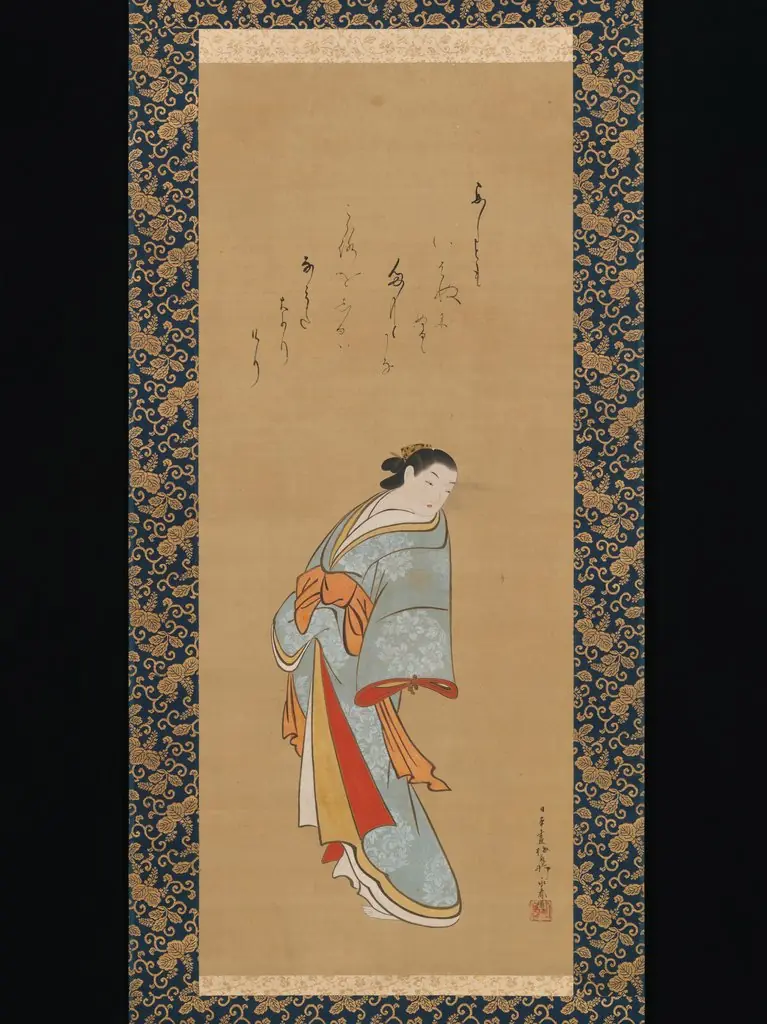
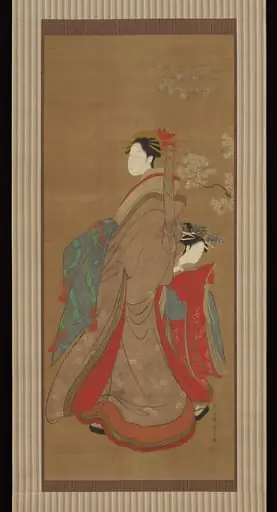
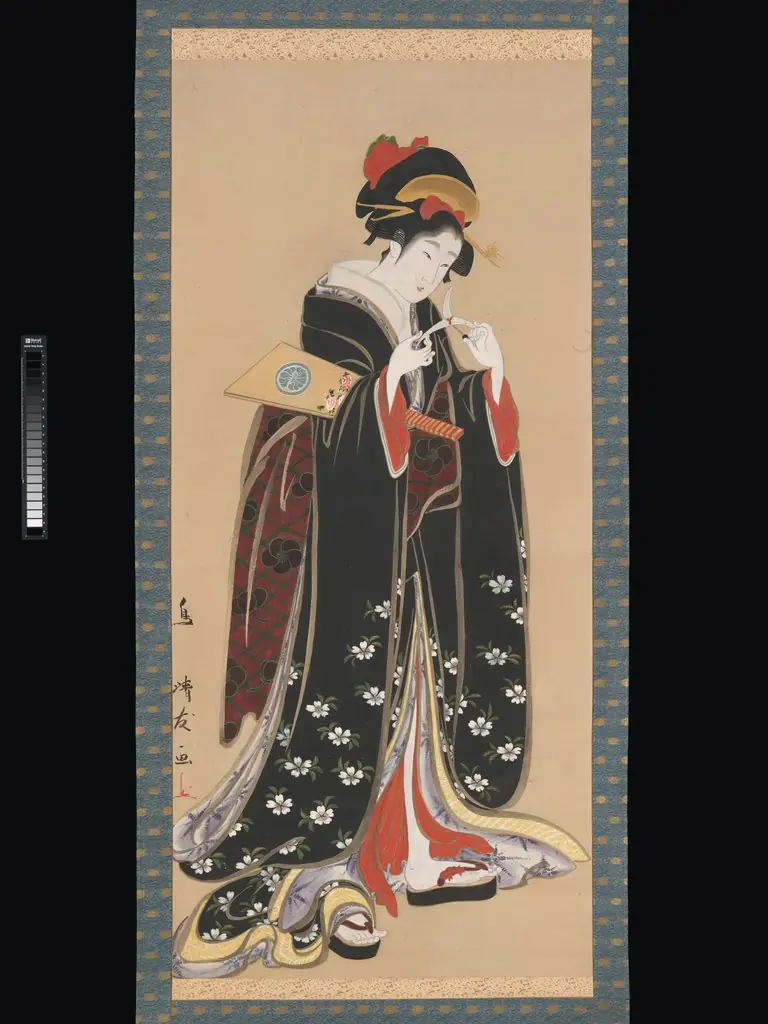
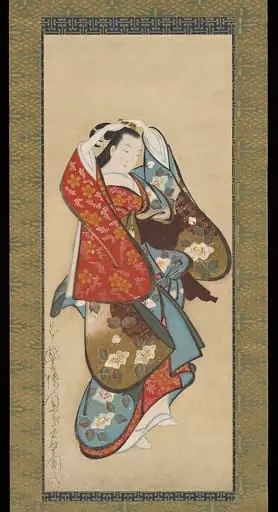
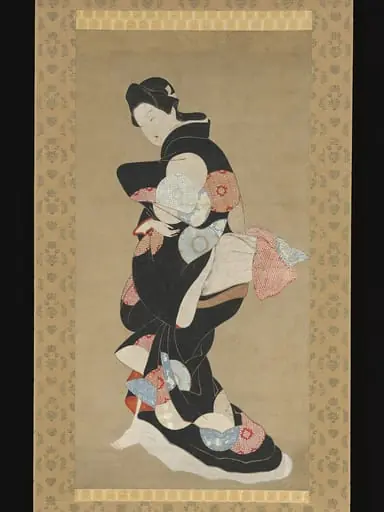
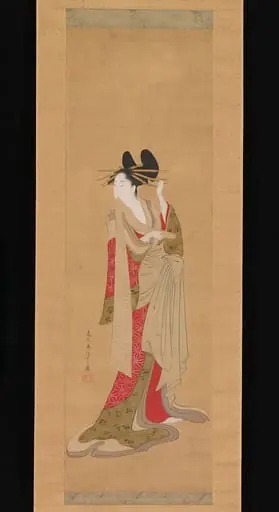
The Hell Courtesan is an unspecified painting by the Ukiyo-e artist Utagawa Kunisada II. It dates from 1857 and is held in the collection of the Metropolitan Museum of Art.
About this work
Overview
Created in 1857 by the Edo‑period artist Utagawa Kunisada II, this woodblock print depicts a courtesan in an elaborate costume. The work is part of the collection of the Metropolitan Museum of Art, where it is displayed as an example of mid‑nineteenth‑century ukiyo‑e portraiture.
Subject & Meaning
The central figure is a courtesan, a professional entertainer, rendered in a pose that emphasizes her status and allure. Her attire, filled with vivid motifs of people and animals, suggests a narrative quality, linking the figure to popular storytelling traditions and the theatrical world of the pleasure districts.
Technique & Style
Kunisada II employed the multicolour woodblock printing technique typical of ukiyo‑e, using bold reds, blues and greens to achieve a striking visual impact. The intricate patterns on the robe resemble embroidered story‑scenes, a decorative convention in Japanese costume design that the artist reproduced through careful carving and layering of pigments.
History & Provenance
The print was produced during the late Tokugawa era, a period when images of courtesans were in high demand among urban consumers. It entered the Metropolitan Museum of Art’s collection through a 20th‑century acquisition, reflecting the museum’s broader effort to represent Japanese printmaking in its holdings.
Artist & collection