Artwork
岩に鴉図|Crow on a Rock
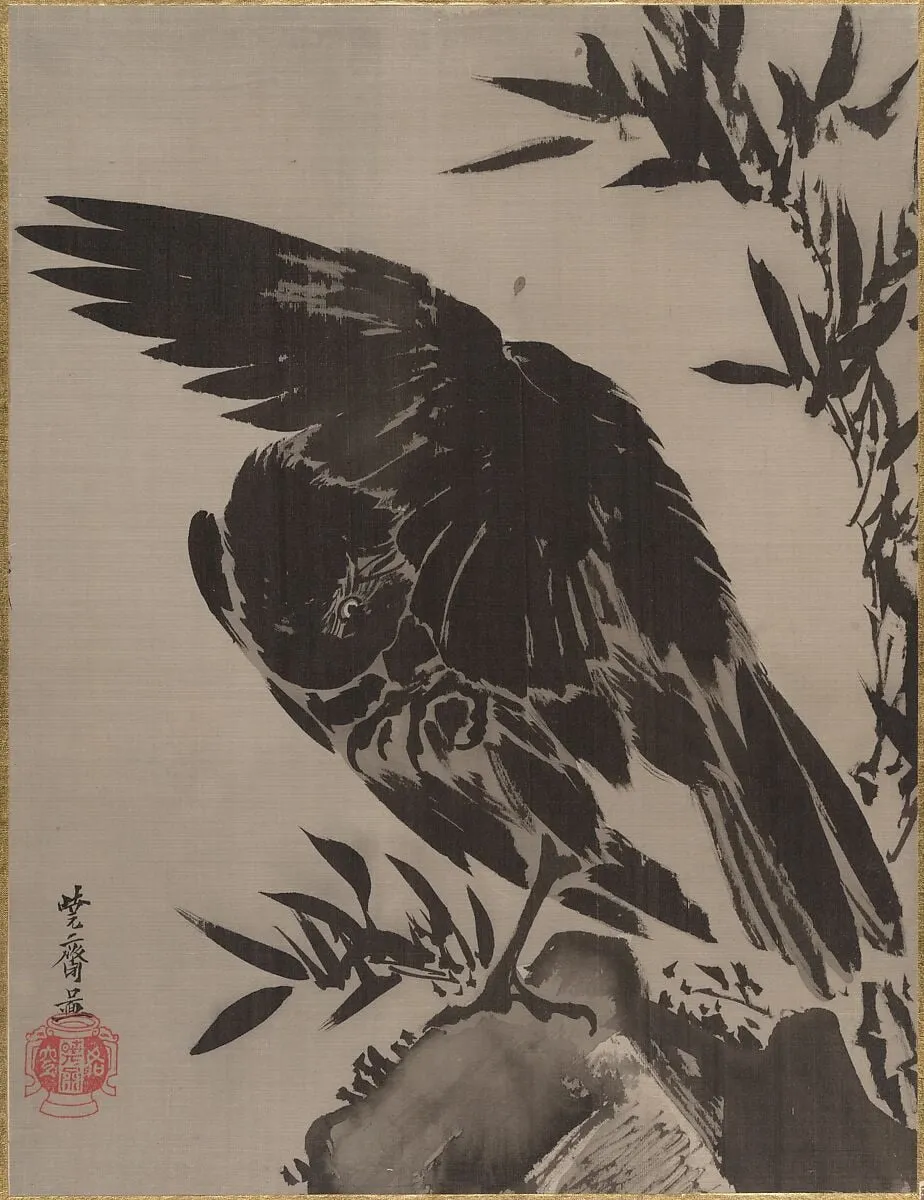
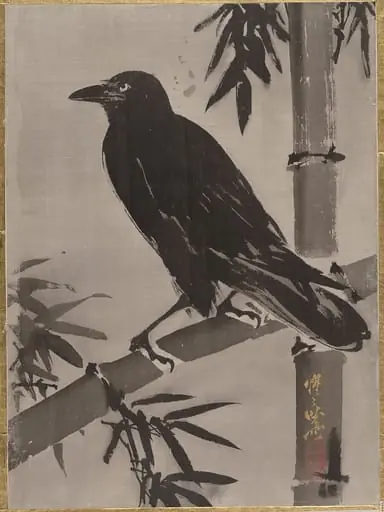
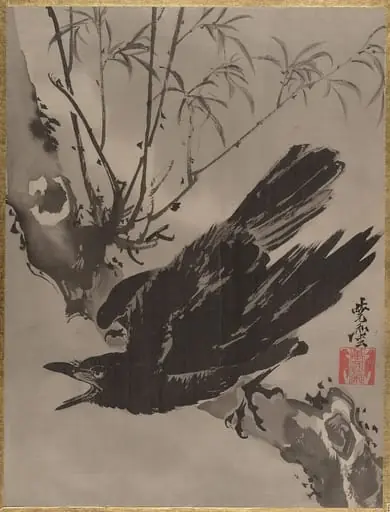
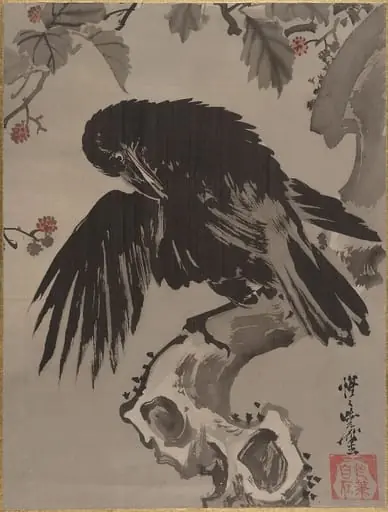
岩に鴉図|Crow on a Rock is an ink painting by the Impressionist artist Kawanabe Kyōsai 河鍋暁斎. It dates from 1887 and is held in the collection of the Metropolitan Museum of Art. Created circa 1887, *Crow on a Rock* is an album leaf by Kawanabe Kyōsai executed in ink and color on silk.
About this work
Overview
Created circa 1887, *Crow on a Rock* is an album leaf by Kawanabe Kyōsai executed in ink and color on silk. The work belongs to the nihonga tradition and presents a single bird perched on a rugged stone, rendered in a compact landscape format typical of Japanese album paintings of the period.
Subject & Meaning
The composition centers on a lone crow, its wings partially folded and gaze directed outward, set against a jagged rock surface. The bird’s alert posture and stark contrast against the muted stone suggest a moment of quiet observation, a common motif in Japanese art that emphasizes the relationship between animal and natural environment.
Technique & Style
Kyōsai employed a rapid brushstroke technique associated with sumi‑e, allowing the ink to absorb quickly into the silk substrate. The wet‑black ink defines the crow’s form, while the rock is suggested with a loose smear of gray and brown pigments. This brisk execution creates a sense of immediacy, capturing the animal in a fleeting, almost spontaneous gesture.
History & Provenance
Kawanabe Kyōsai, active in the late nineteenth century, is often regarded as one of the final practitioners of traditional Japanese painting before the Meiji era’s modernization. *Crow on a Rock* reflects his ability to blend established conventions with a personal, expressive style, bridging older artistic lineages and the evolving cultural context of his time.
Artist & collection
Artist
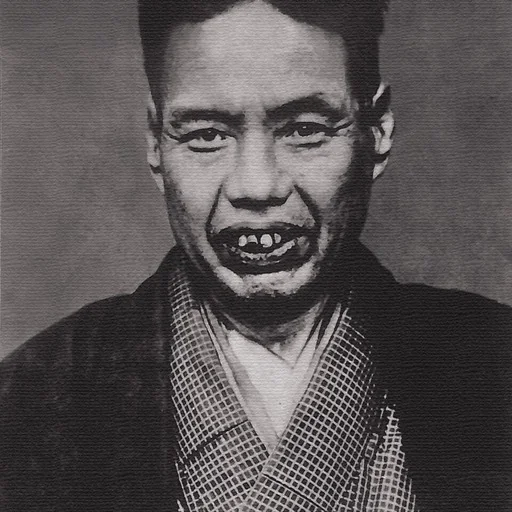
Kawanabe Kyōsai (河鍋 暁斎; May 18, 1831 – April 26, 1889) was a Japanese painter and caricaturist. In the words of art historian Timothy Clark, "an individualist and an independent, perhaps the last virtuoso in traditional Japanese painting".