Artwork
The angels watching the dead Christ
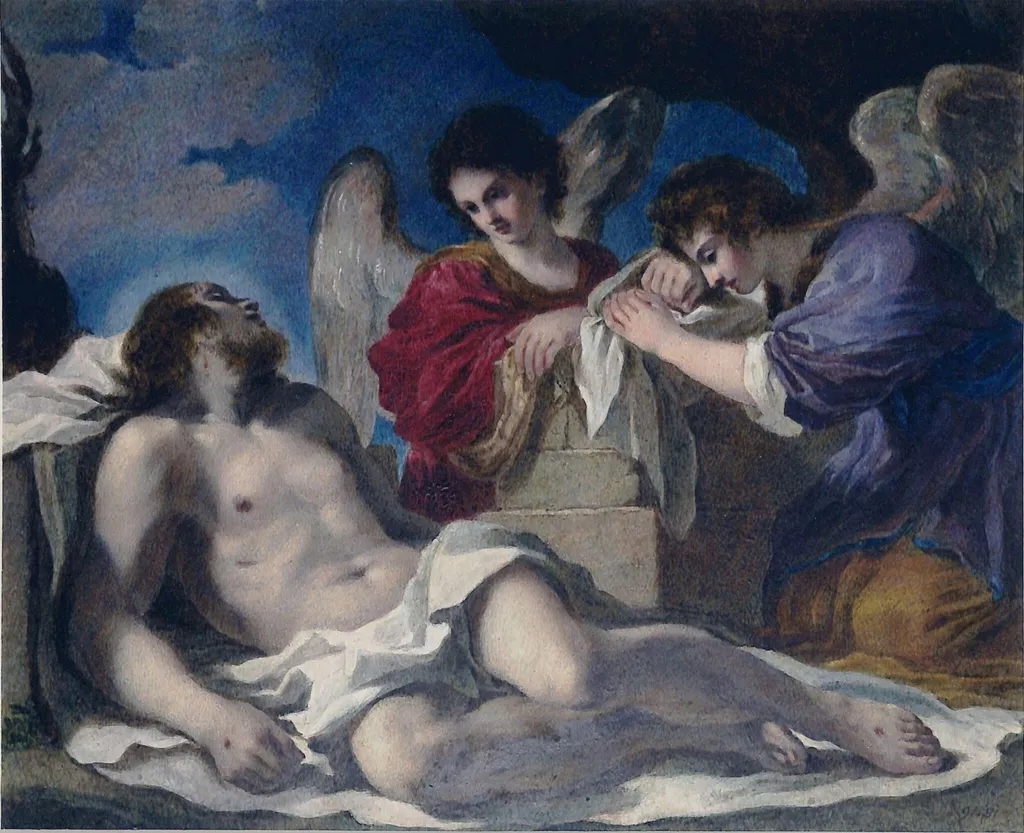
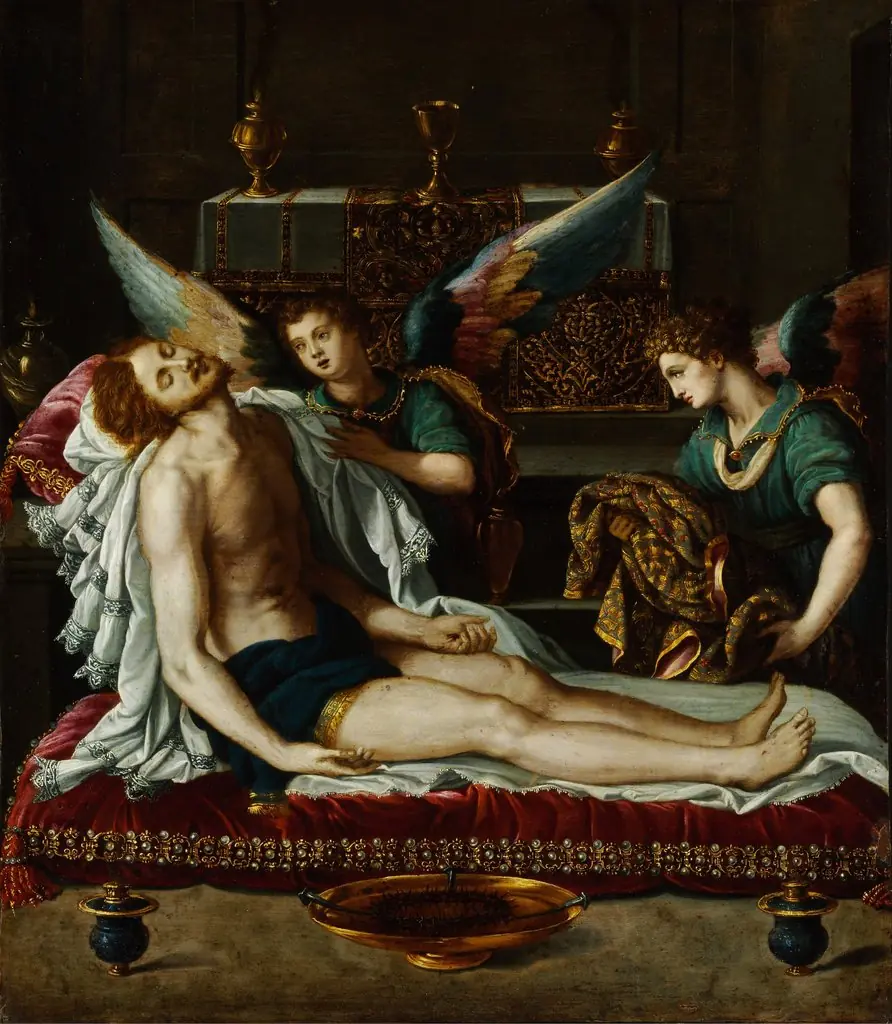
The angels watching the dead Christ is a watercolor work on paper by the British Romanticist artist Harriet Kearsley. It dates from 1825 and is held in the collection of the Victoria and Albert Museum.
About this work
Overview
The composition emphasizes stillness over spectacle, with muted tones punctuated by the vivid red and blue of the angels’ garments.
Painted in 1825 by Harriet Kearsley, this watercolour depicts a quiet moment following Christ’s crucifixion. Two angels hover near his lifeless body, their gestures restrained yet purposeful. The composition emphasizes stillness over spectacle, with muted tones punctuated by the vivid red and blue of the angels’ garments. The work reflects a personal, intimate approach to sacred subject matter, uncommon in public religious art of the period.
Subject & Meaning
The scene captures the moment after Christ’s death, before burial, when angels attend to his body. Their calm demeanor suggests reverence rather than grief, implying divine care rather than human mourning. The absence of other figures isolates the moment as sacred and private, reinforcing themes of divine presence in death. The cloth held by one angel may hint at preparation for entombment, aligning with biblical accounts of anointing the dead.
Technique & Style
Executed in watercolour, the painting uses delicate washes to model the body’s form and the soft glow of light on skin. The dark, cloudy sky contrasts with the subtle luminosity of Christ’s flesh, creating a quiet drama. The angels’ robes—red and blue—are rendered with stronger pigment, drawing attention without overt theatrics. The style avoids grandeur, favoring quiet observation and emotional restraint.
History & Provenance
Created in 1825 by Harriet Kearsley, a British artist active in the early 19th century, the work remains in private hands. Kearsley’s oeuvre is largely undocumented, and this piece is among the few known surviving works attributed to her. Its survival suggests it was likely commissioned or kept within a devotional context, possibly by a family with strong religious convictions.
Context
Emerging during the Romantic era, the painting aligns with period interests in emotion, the sublime, and the individual’s relationship with the divine. Yet it diverges from the dramatic intensity typical of Romantic religious scenes, opting instead for stillness and restraint. Kearsley’s focus on quiet reverence reflects a quieter strand of spiritual expression, often found in women artists working outside institutional frameworks.
Legacy
As one of the few surviving works by Harriet Kearsley, the painting offers insight into the devotional art produced by women in early 19th-century Britain. Its understated tone distinguishes it from contemporaneous public religious imagery, highlighting alternative modes of spiritual representation. Though not widely exhibited, it contributes to broader understandings of how faith was privately visualized during the Romantic period.
Artist & collection
Artist
English watercolourist of the early 1800s, Harriet Kearsley painted religious scenes with delicate brushes and soft washes.

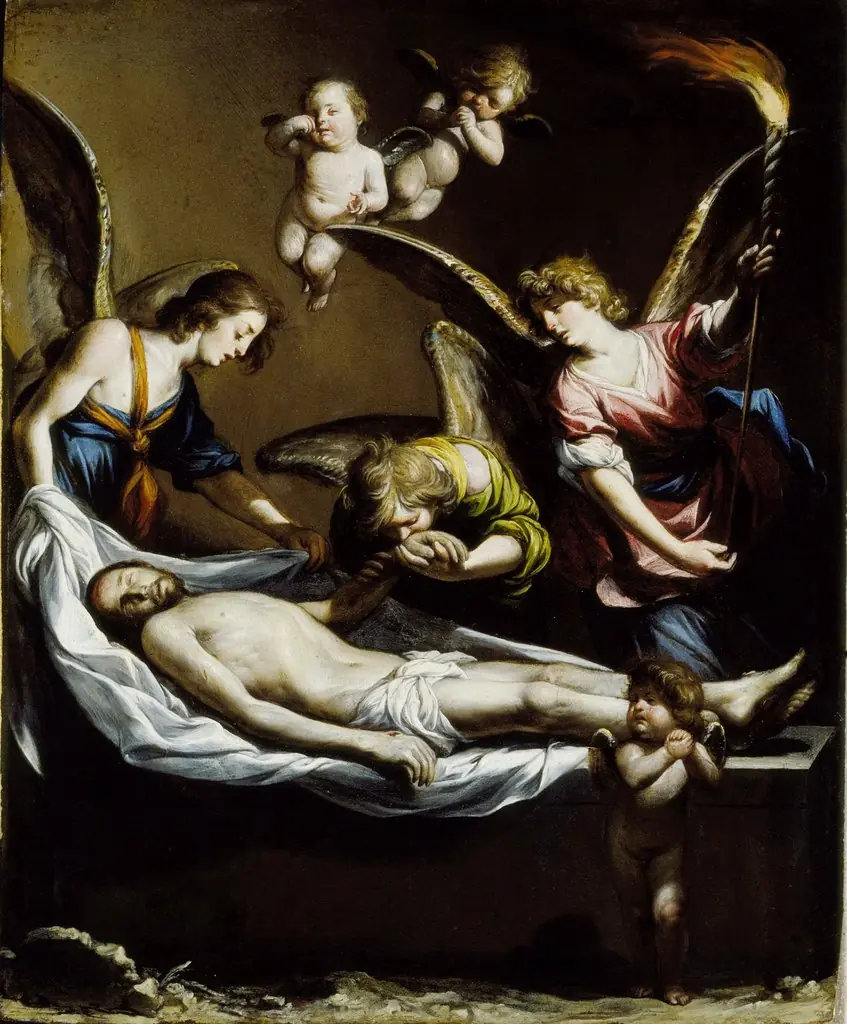 Dead Christ with Lamenting Angels
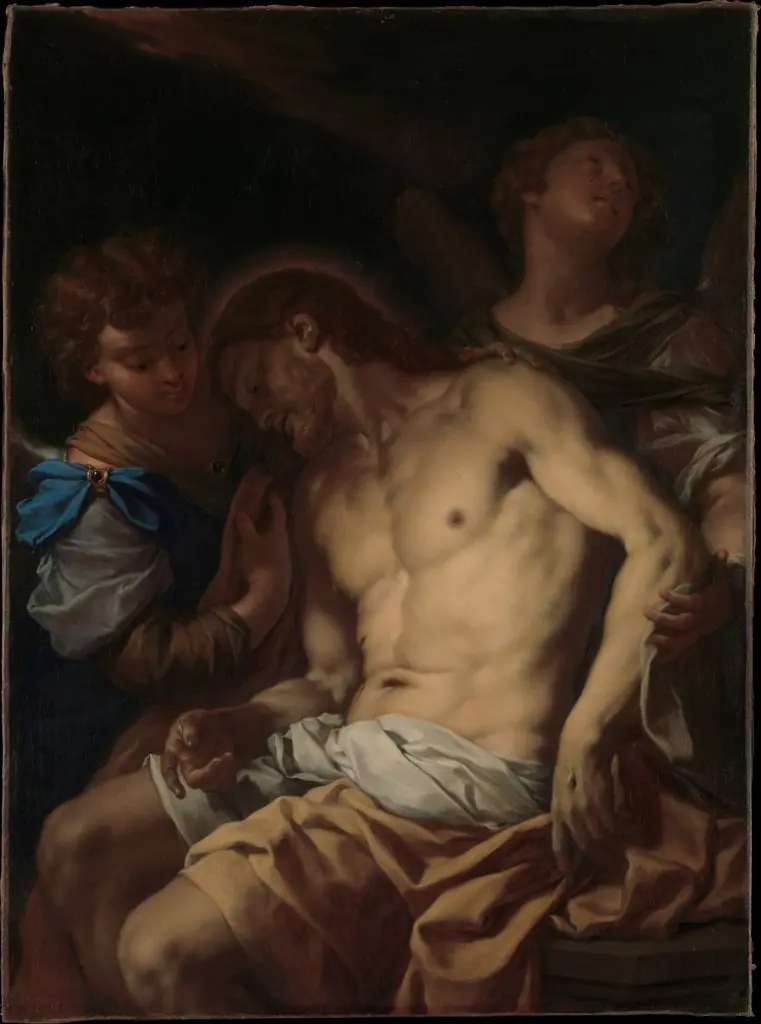 Dead Christ Supported by Angels
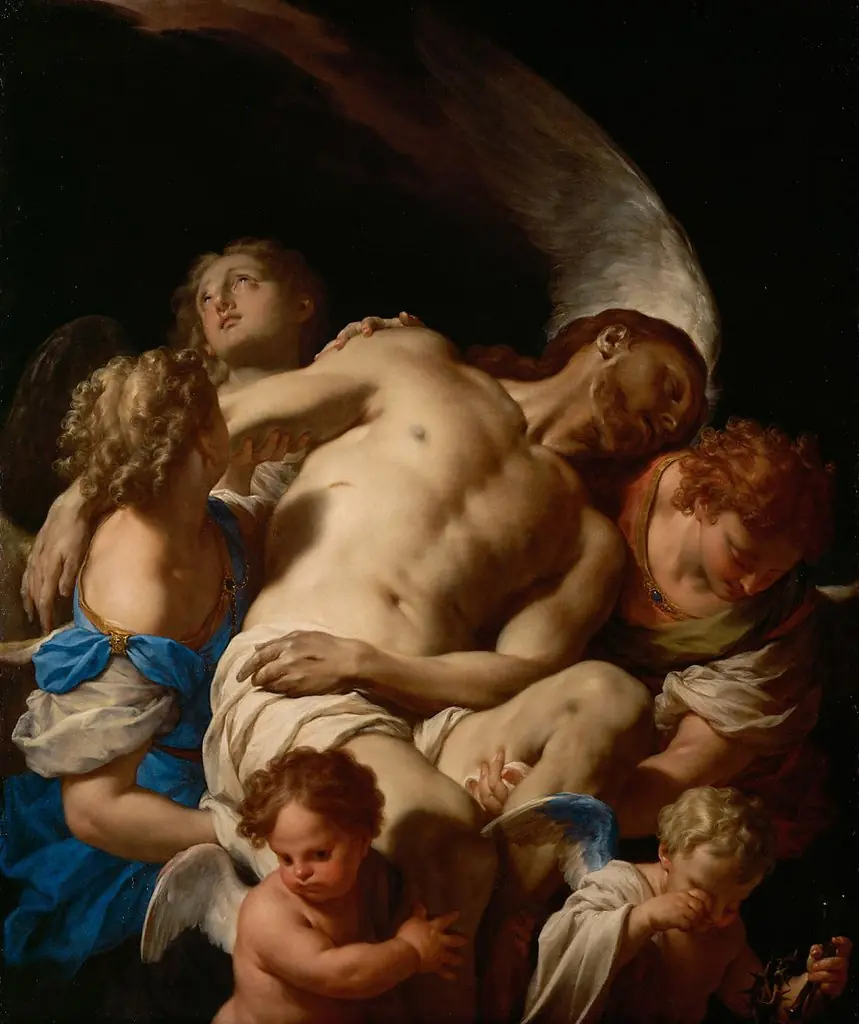 Body of Christ, held by angels
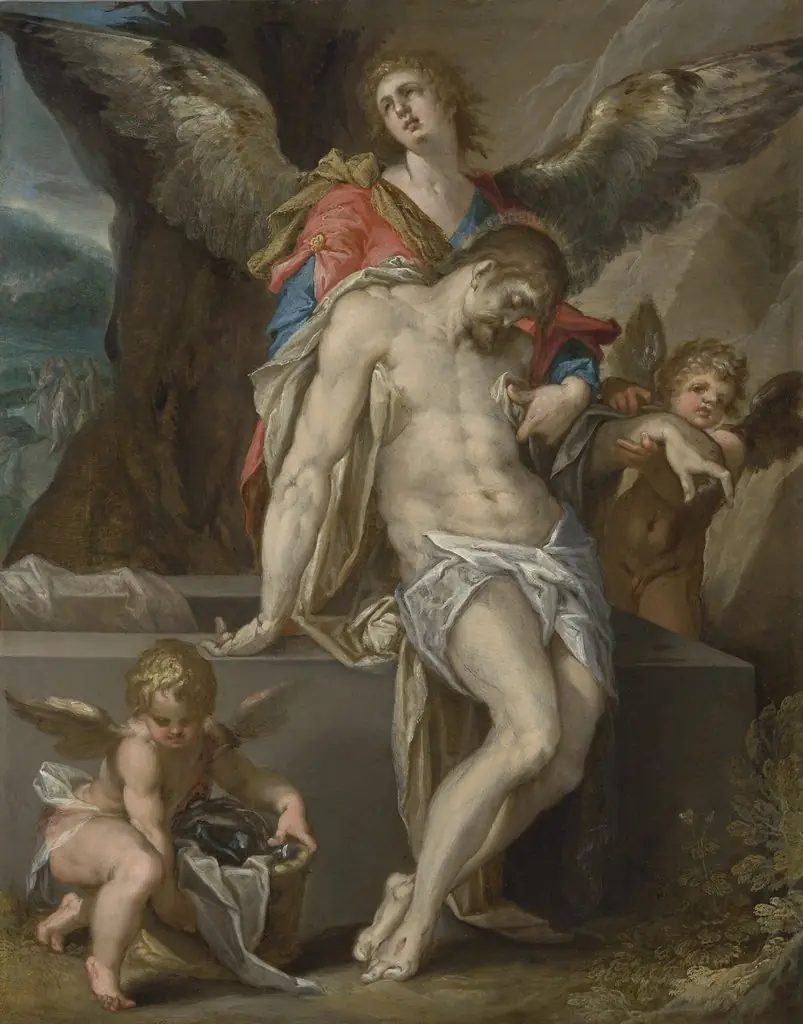 The Body of Christ Supported by Angels
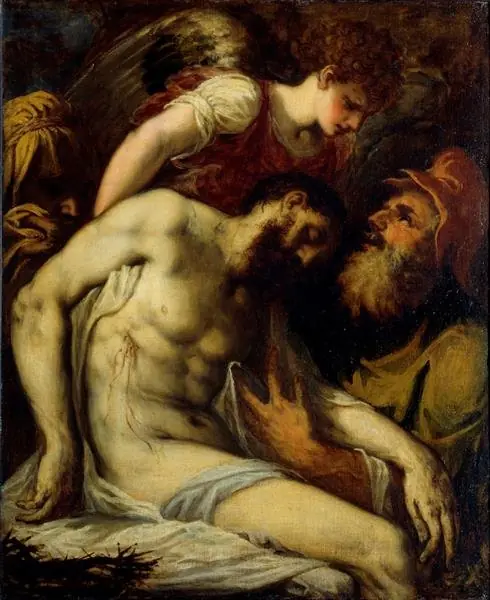 Dead Christ supported by Angels
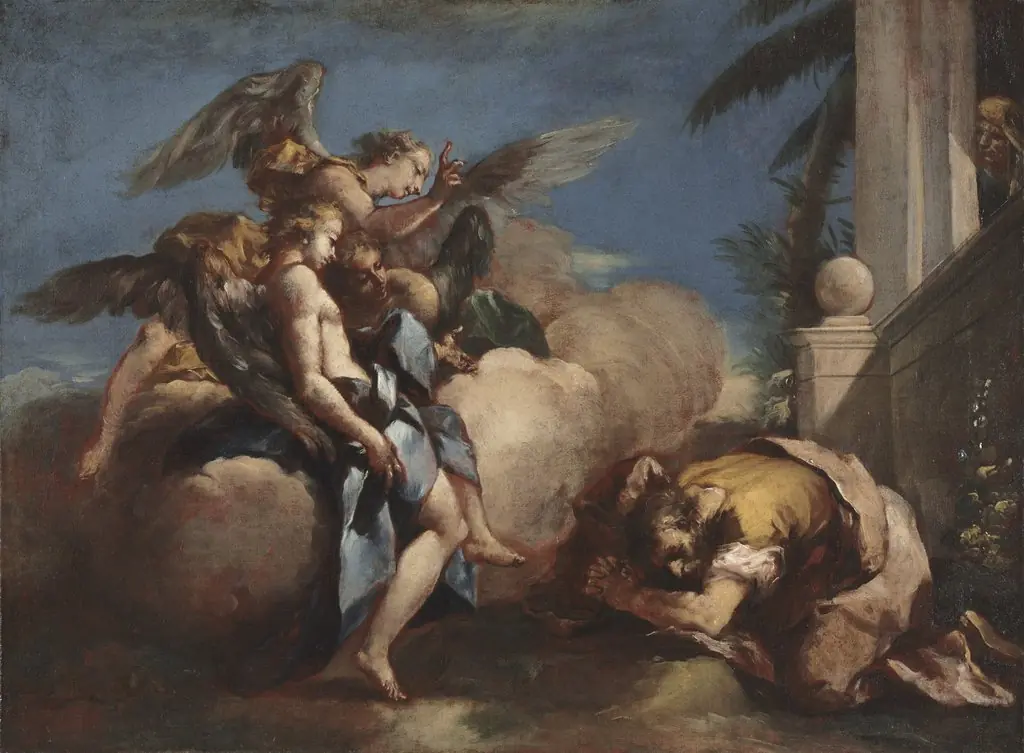 The Angels Appearing to Abraham
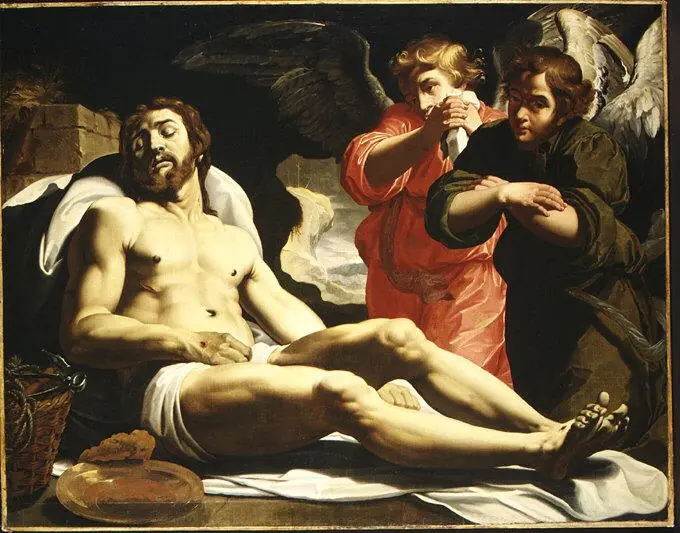 The Dead Christ in the Tomb with Two Angels
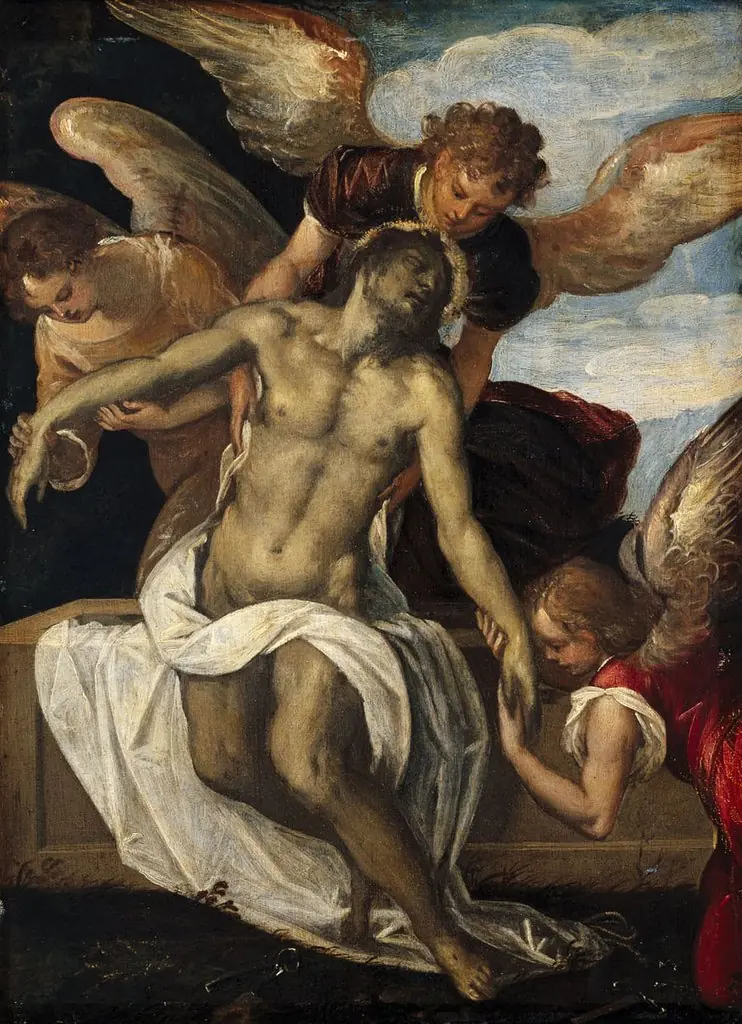 Body of Christ supported by Three Angels
 The Body of Christ Anointed by Two Angels