Artwork
Dead Christ with Lamenting Angels
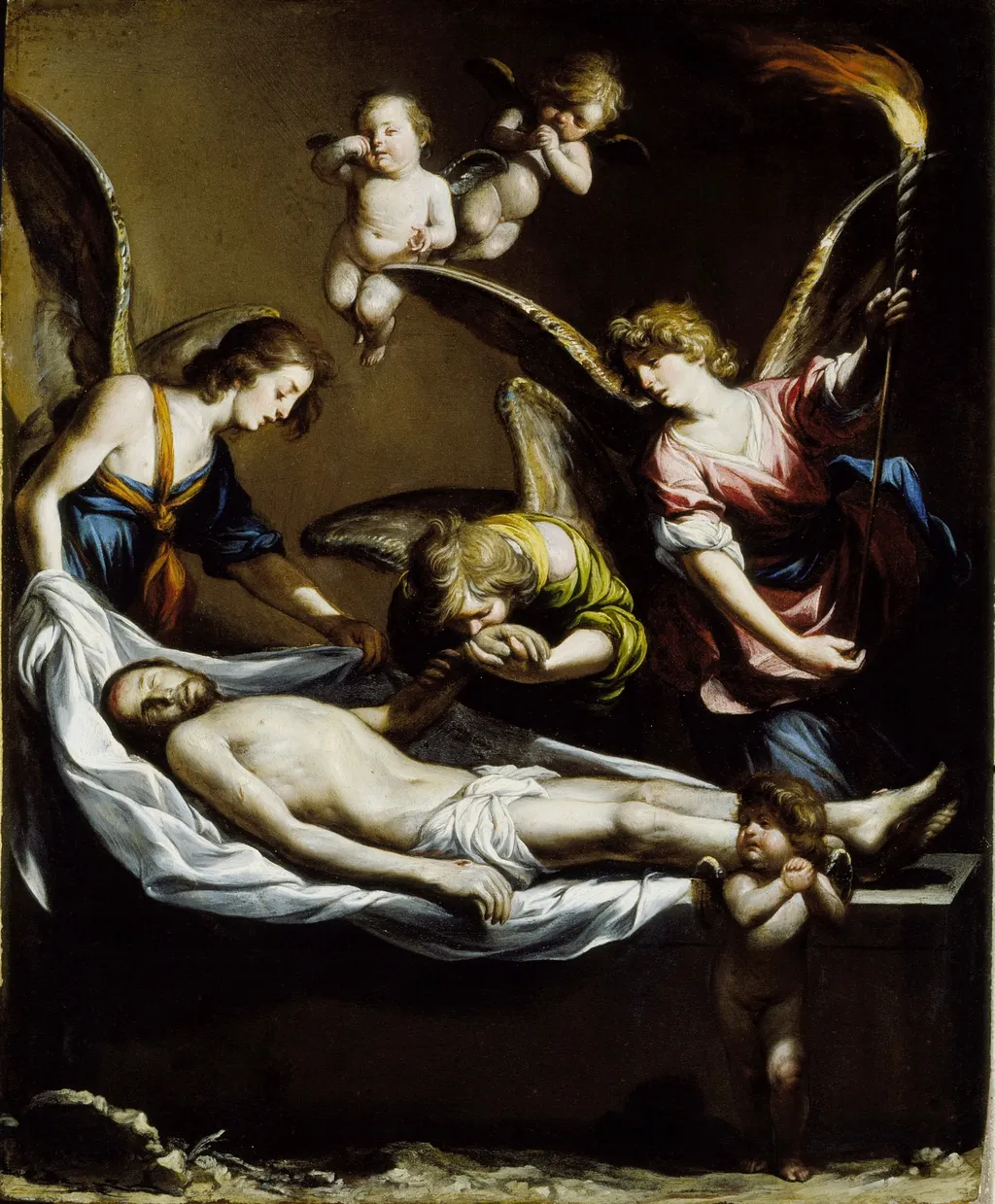
Dead Christ with Lamenting Angels is an oil painting by the Early Baroque Italian artist Antonio del Castillo y Saavedra. It dates from 1650 and is held in the collection of the Los Angeles County Museum of Art.
About this work
Overview
Painted around 1650 by Antonio del Castillo y Saavedra, this work on copper portrays the body of Christ after the crucifixion, surrounded by grieving angels. The small scale and metallic support reflect a devotional object intended for private contemplation. Its muted palette and restrained composition emphasize solemnity over spectacle, aligning with Spanish Counter-Reformation sensibilities.
Subject & Meaning
The painting centers on Christ’s lifeless form, draped in a plain white shroud, evoking both vulnerability and sacred stillness. Angels encircle him, their postures conveying varied expressions of sorrow—some bow their heads, others reach toward the body in silent anguish. The scene invites meditation on sacrifice and mortality, a common theme in Spanish religious art of the period.
Technique & Style
Executed on copper, the surface allows for fine detail and luminous tonal shifts. Del Castillo employs chiaroscuro to model Christ’s pale flesh and the folds of the cloth, deepening the emotional weight through contrast. The angels’ drapery is rendered with soft, flowing lines, while their faces are subtly shaded to suggest inner grief without theatricality.
History & Provenance
The painting entered the collection of the Los Angeles County Museum of Art in the 20th century, though its earlier ownership remains undocumented. Likely created for a private chapel or devotional setting in Seville, where the artist worked, it reflects the intimate religious culture of 17th-century Andalusia rather than public altarpiece traditions.
Context
Produced during Spain’s Baroque era, the work aligns with a broader trend of emotionally restrained sacred imagery favored by the Church to foster personal piety. Unlike Italian dramatic depictions, Spanish artists often emphasized quiet mourning and physical realism, grounding divine suffering in tangible human experience.
Legacy
Though not widely exhibited, the painting exemplifies the quiet intensity of Spanish devotional art. Its preservation on copper and survival into modern collections highlight its durability and enduring resonance within regional religious traditions. It remains a quiet testament to the period’s focus on inner spiritual reflection.
Own this work as a print
Artist & collection
Artist
Antonio del Castillo y Saavedra
Antonio del Castillo y Saavedra (1616–1668) was an artist, born in Córdoba.

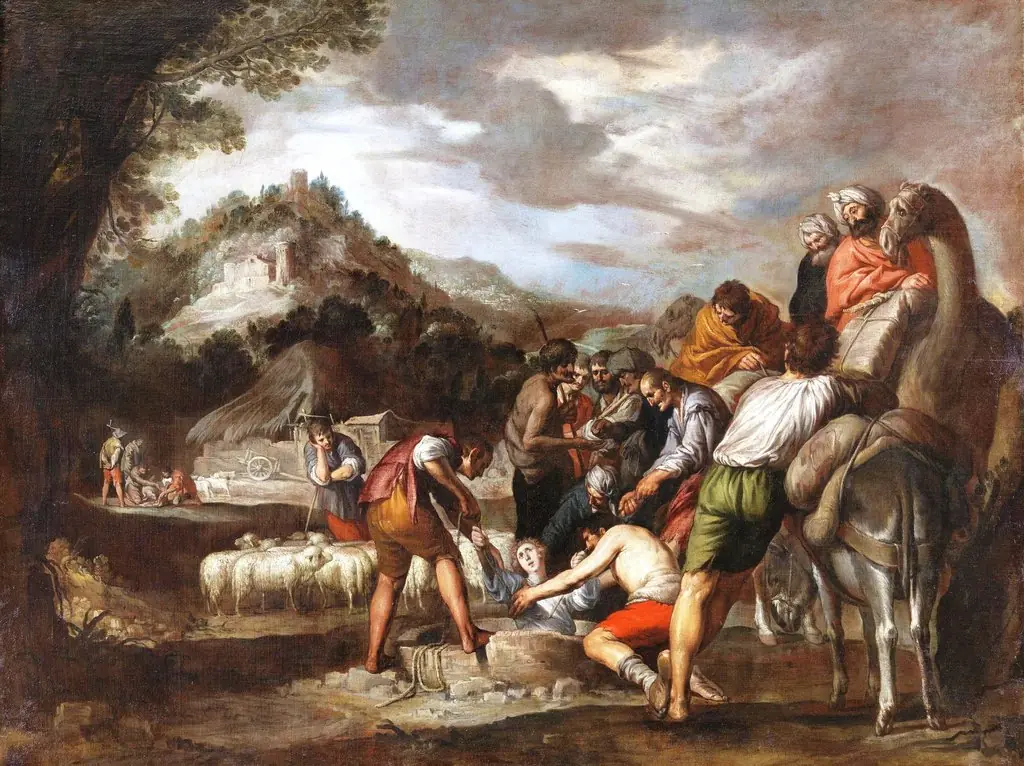
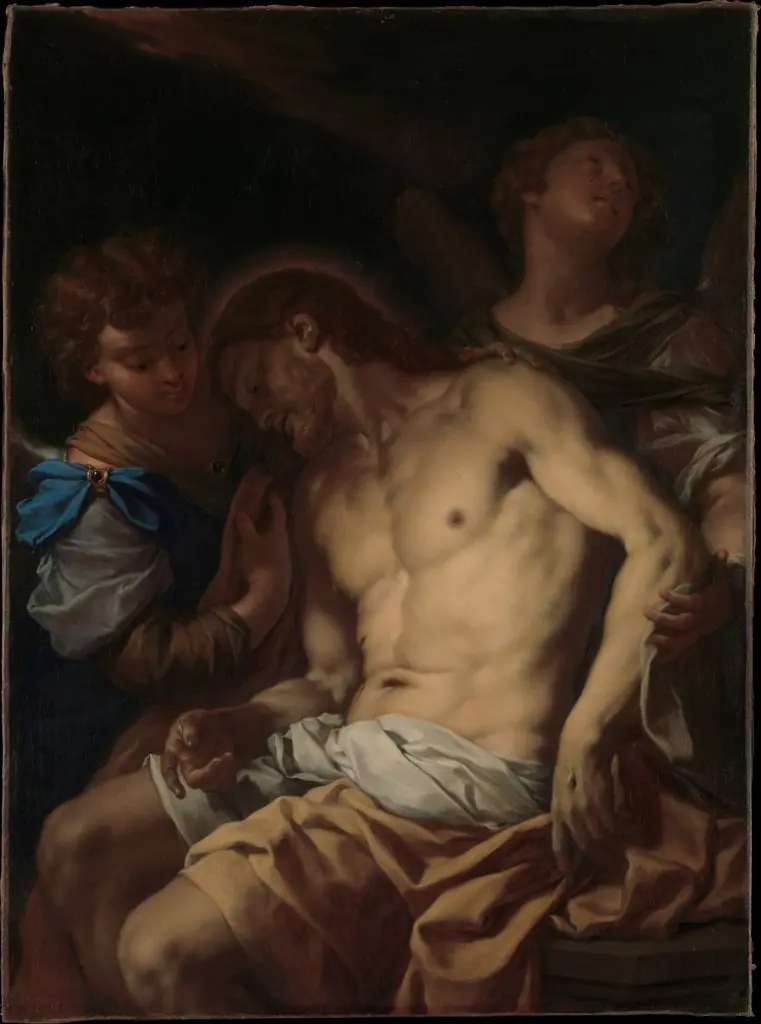 Dead Christ Supported by Angels
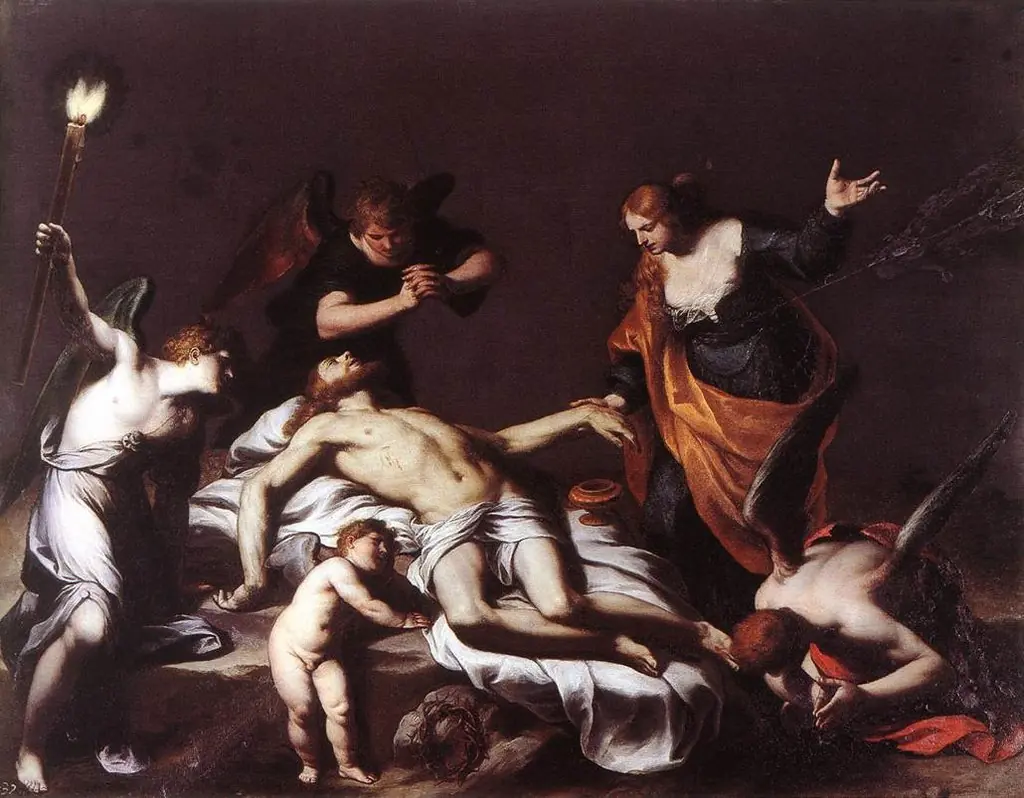 The lamentation over the dead Christ
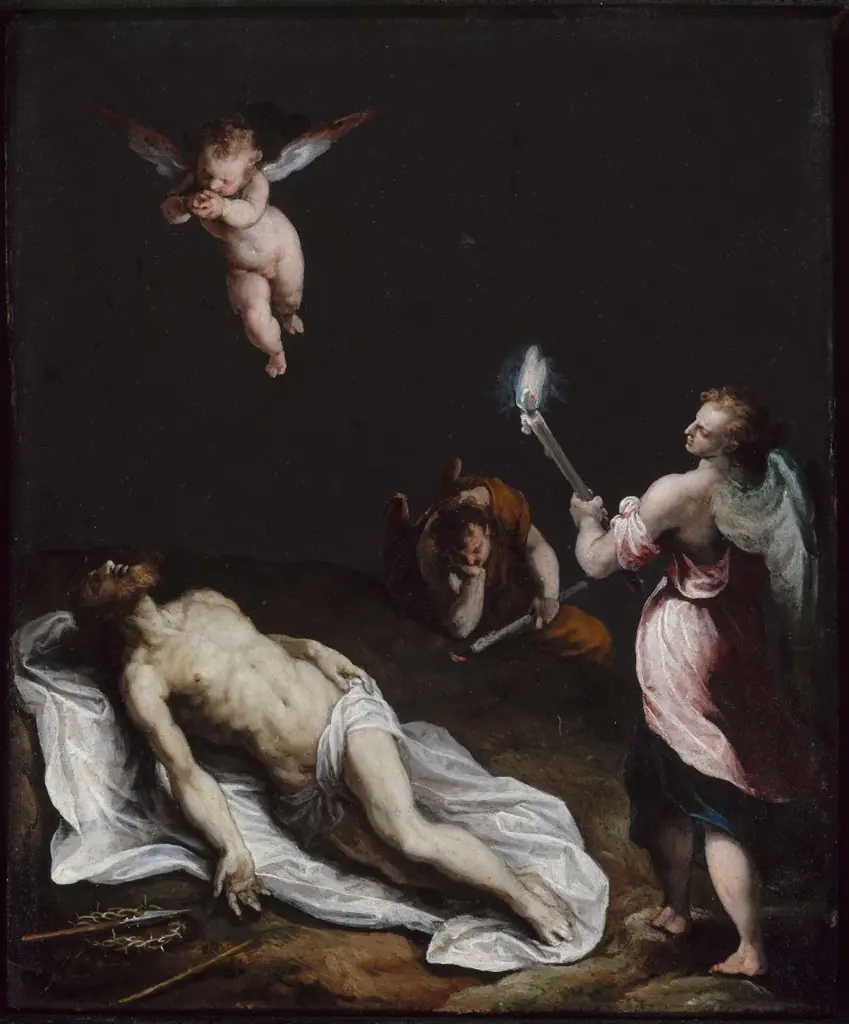 Dead Christ Mourned by Angels
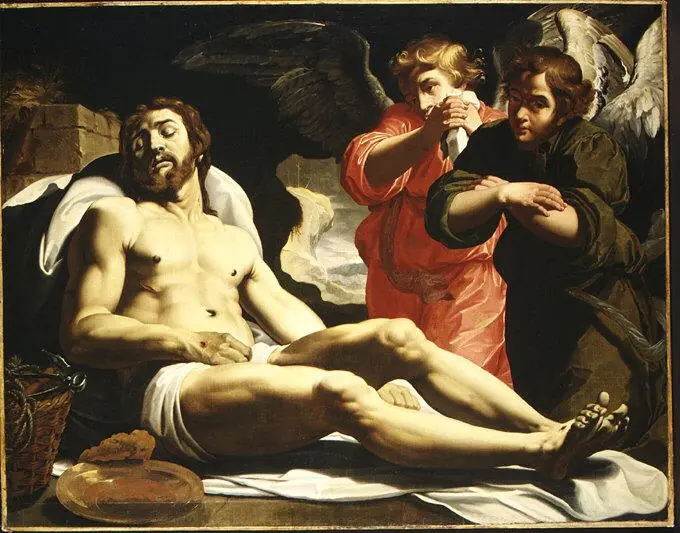 The Dead Christ in the Tomb with Two Angels
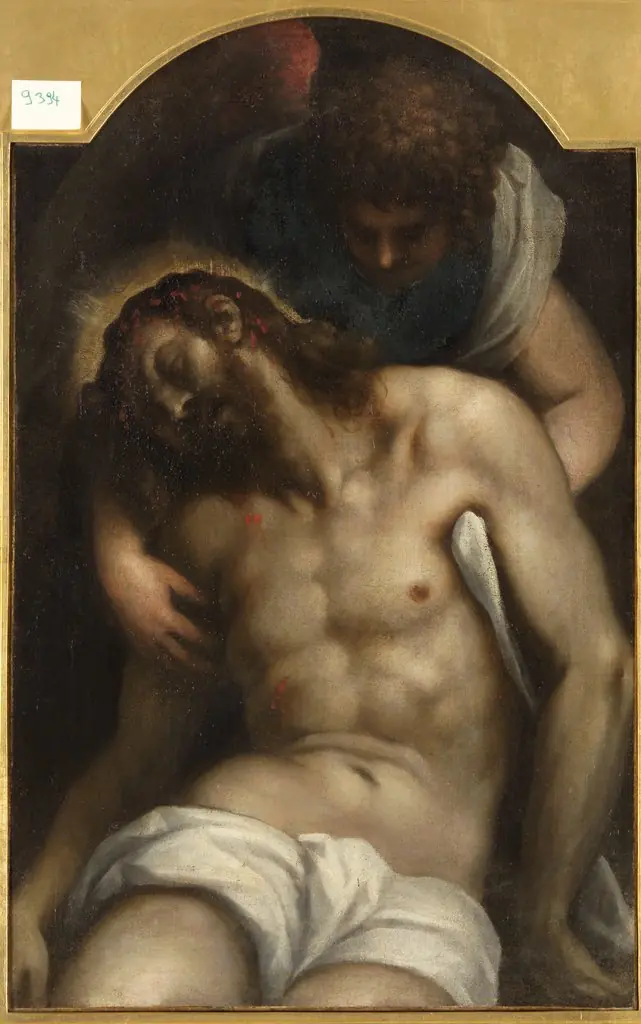 Dead Christ Supported by an Angel
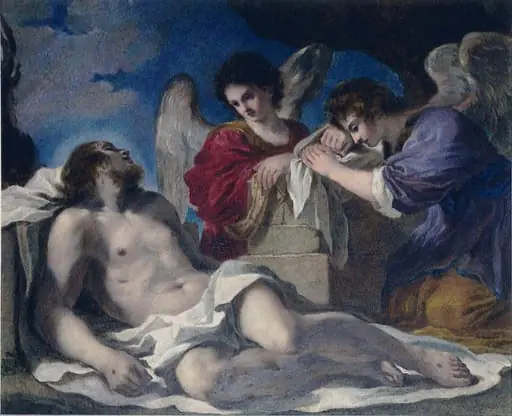 The angels watching the dead Christ
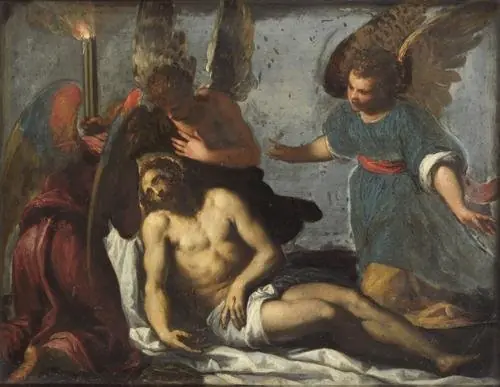 Lamentation with angels
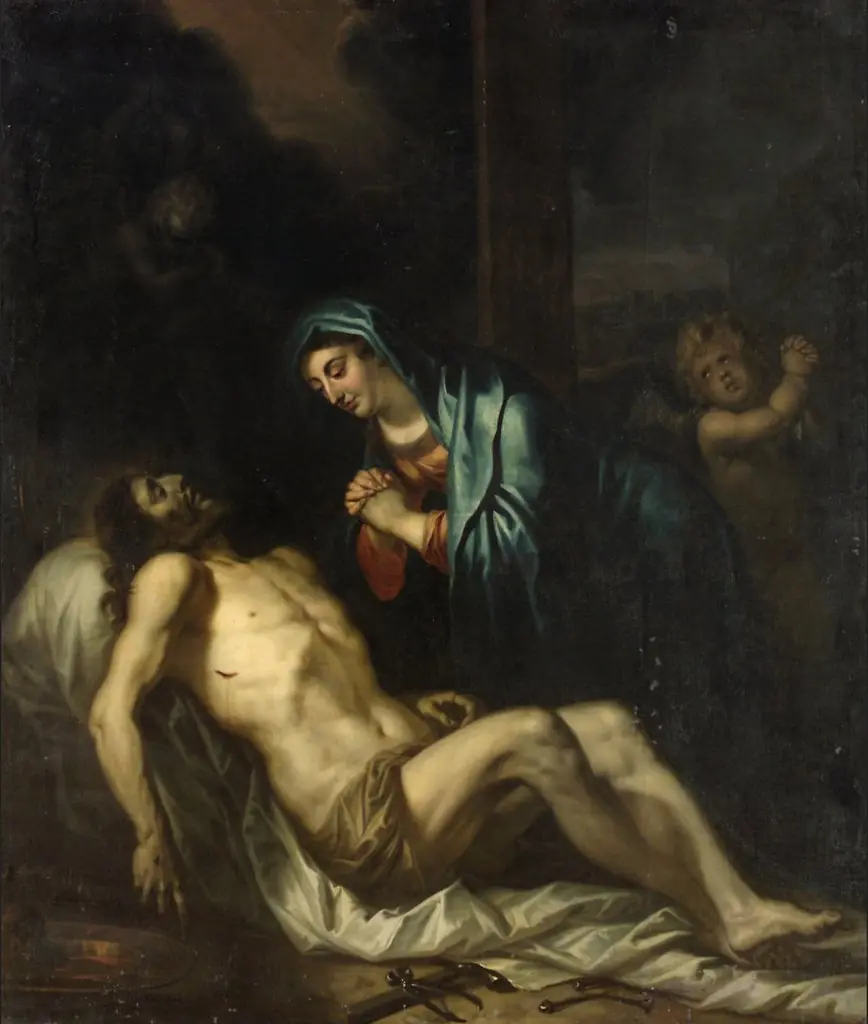 The lamentation over the dead Christ
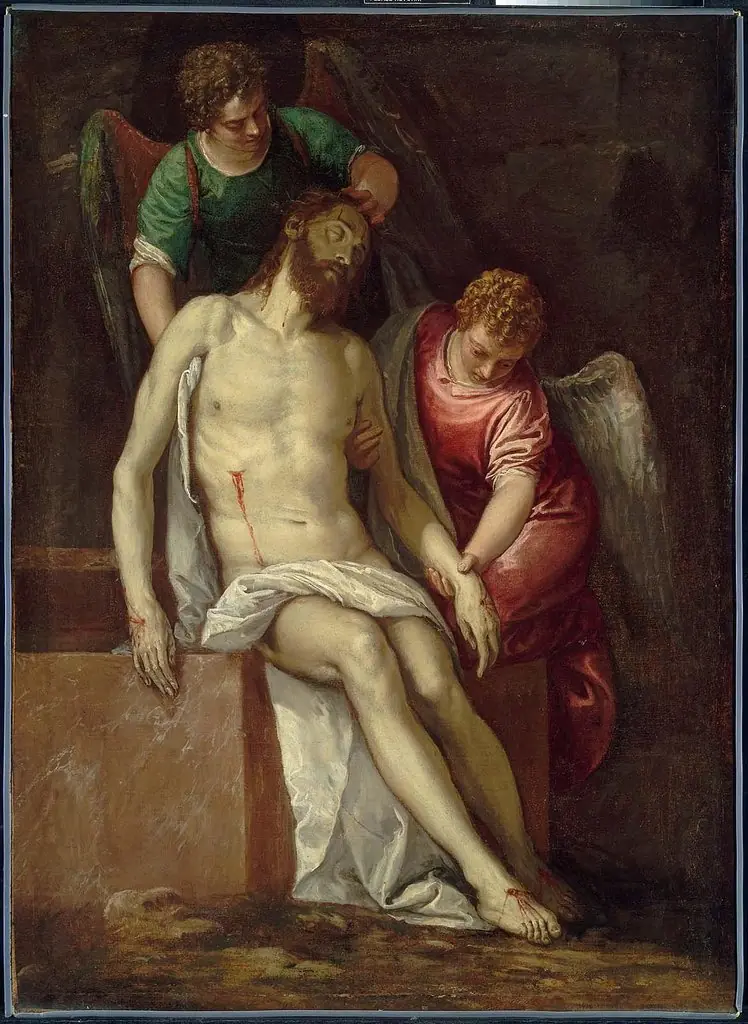 The Dead Christ Supported by Angels
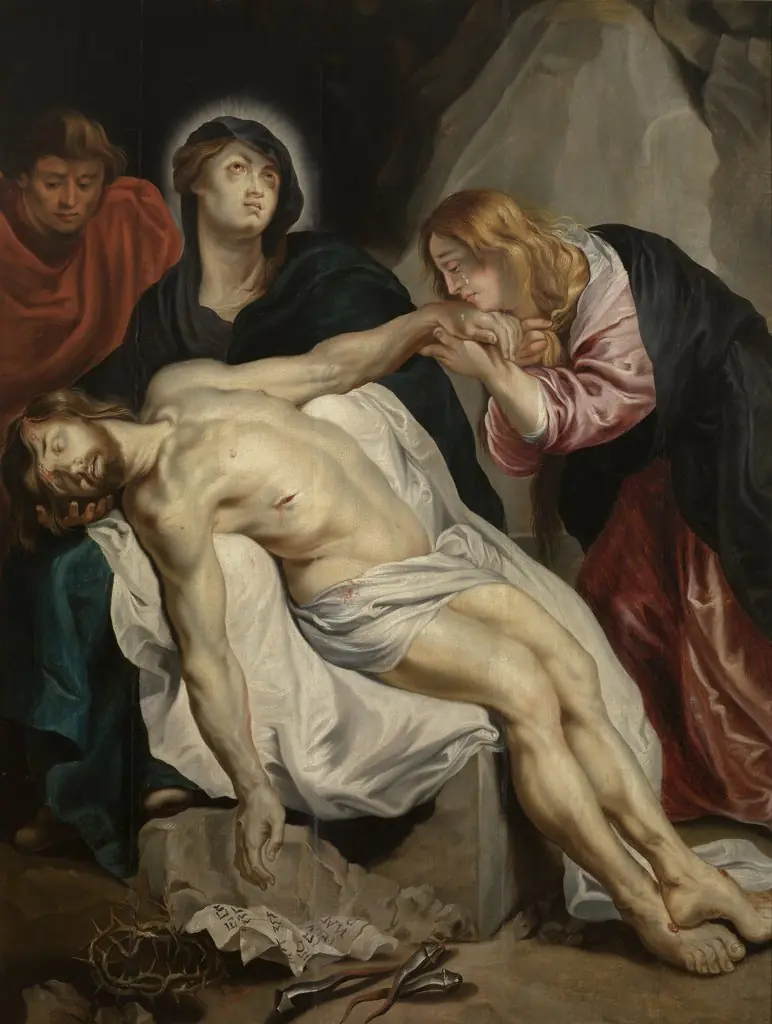 The Lamentation over the Dead Christ
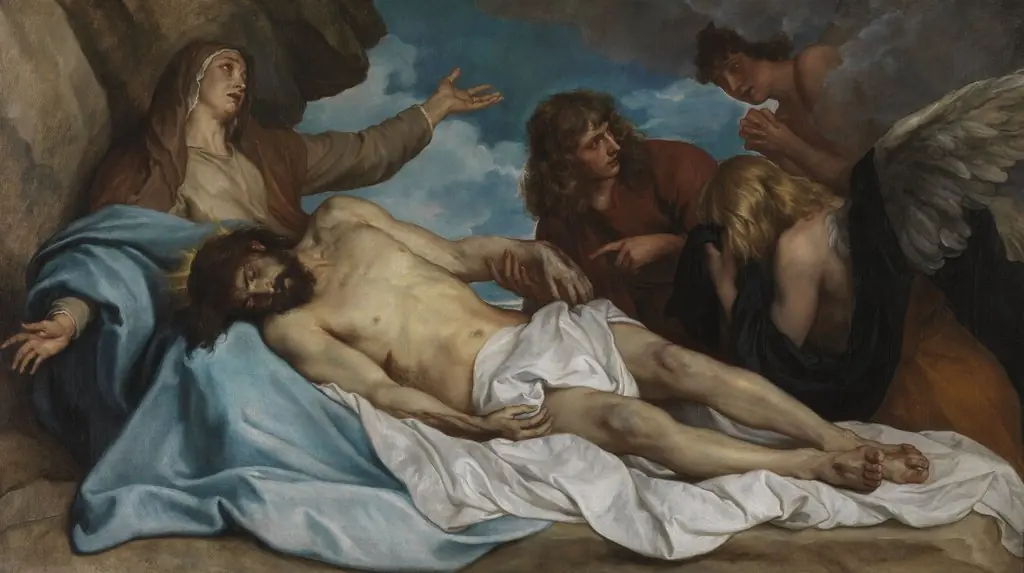 The lamentation over the dead Christ