Artwork
Der tote Christus mit Engeln
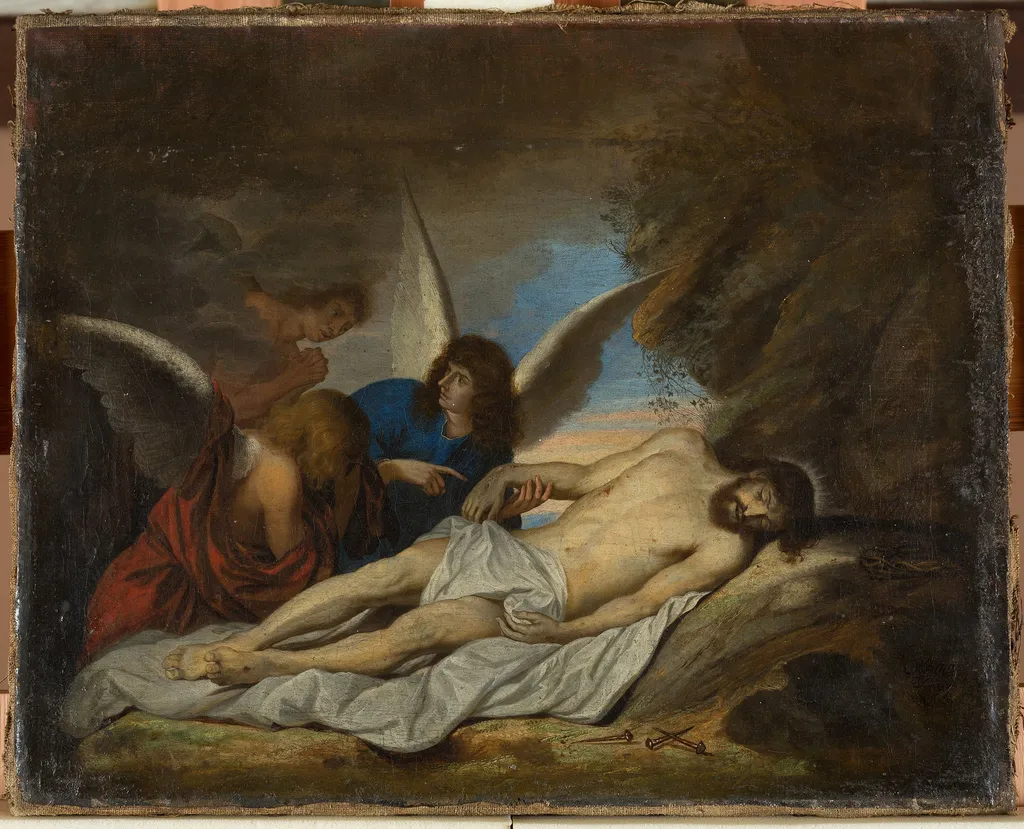
Der tote Christus mit Engeln is a drawing by Unknown. It dates from 1850 and is held in the collection of the Art Collection of the University Göttingen.
About this work
Overview
This ink drawing depicts the body of Christ laid upon a stone slab, rendered in delicate, tonal lines that suggest volume and depth without the use of color. Two angels hover above, their presence adding a sense of stillness rather than mourning. The absence of pigment emphasizes the purity of line and the quiet solemnity of the moment, focusing attention on form and gesture.
Subject & Meaning
The scene portrays Christ after the crucifixion, his lifeless form marked by the wound in his side and the crown of thorns held by one angel.
The scene portrays Christ after the crucifixion, his lifeless form marked by the wound in his side and the crown of thorns held by one angel. The other angel gestures toward the injury, drawing the viewer’s eye to the physical evidence of sacrifice. The angels’ serene expressions soften the gravity of the moment, suggesting contemplation rather than grief, aligning with themes of divine witness and quiet reverence.
Technique & Style
The artist employs soft, flowing ink lines to model form through subtle gradations of tone. No color is used; instead, light and shadow are implied through the density and direction of strokes. The delicate handling of the figures’ drapery and skin creates a sense of weight and texture, while the sparse composition enhances the intimacy and stillness of the scene.
History & Provenance
The drawing is held in the collection of the Museum of Ethnography, though its exact origin and creator remain undocumented. Its style suggests a devotional function, possibly from a late medieval or early Renaissance workshop. The absence of a signature or clear provenance reflects its likely use as a private study or liturgical aid rather than a public commission.
Context
In the religious culture of its time, images of the dead Christ served as aids for meditation on suffering and redemption. This drawing’s restrained composition and lack of dramatic elements align with contemplative traditions that favored quiet introspection over emotional spectacle. Its focus on gesture and subtle expression reflects a broader shift toward intimate, personal devotion in late medieval piety.
Legacy
Though not widely known, the drawing exemplifies how early artists conveyed profound spiritual themes through minimal means. Its emphasis on line, tone, and emotional restraint influenced later devotional works that prioritized inner reflection over theatricality. The piece remains a quiet testament to the power of understated imagery in sacred art.
Artist & collection
Museum
Art Collection of the University Göttingen
Continue through works from the same source collection.
 Domestic Scene
 Giacomo and Cardinal Marco, investing Andrea, Abbot of San Zeno, with his Benefice
 The Nymph of Fontainebleau
 Portrait of a Woman
 Madonna and Child with Saints in the Enclosed Garden
 Venus and Minerva
 Family Group of Four on Sofa
 Wall painting from Room H of the Villa of P. Fannius Synistor at Boscoreale
 The lamentation over the dead Christ
 Pieta
Pieta Dead Christ Supported by Angels
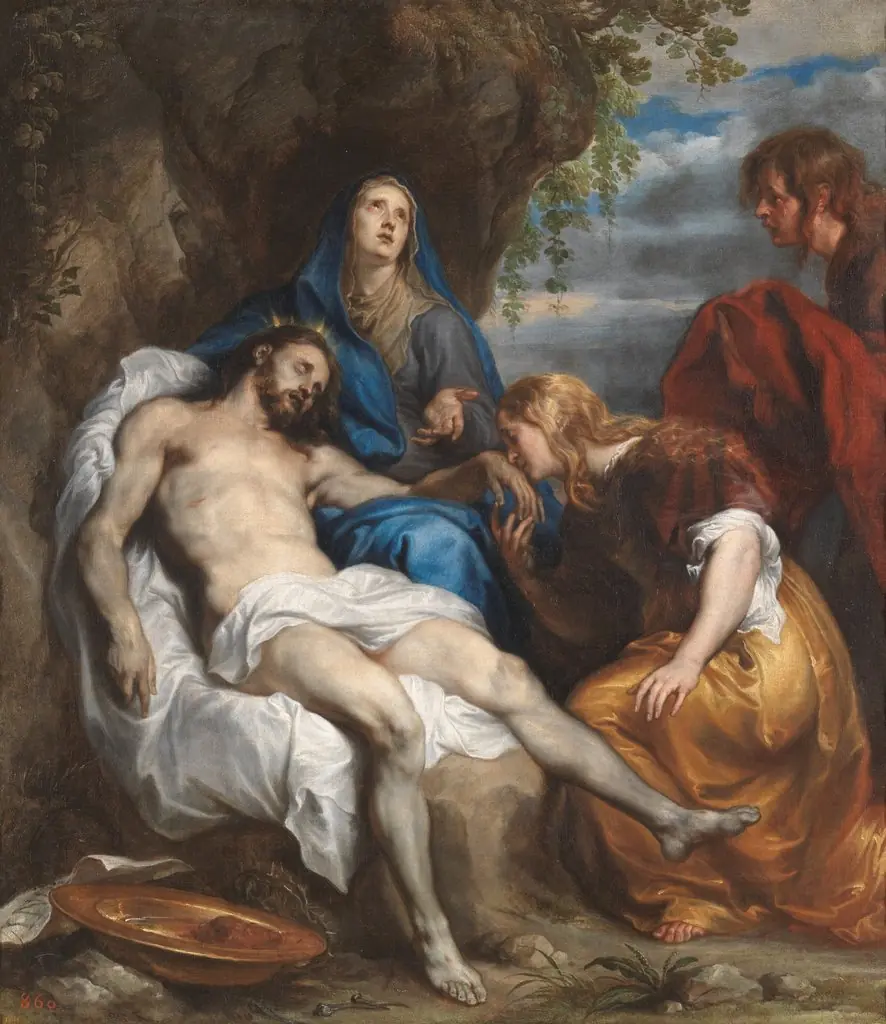 The Pietà
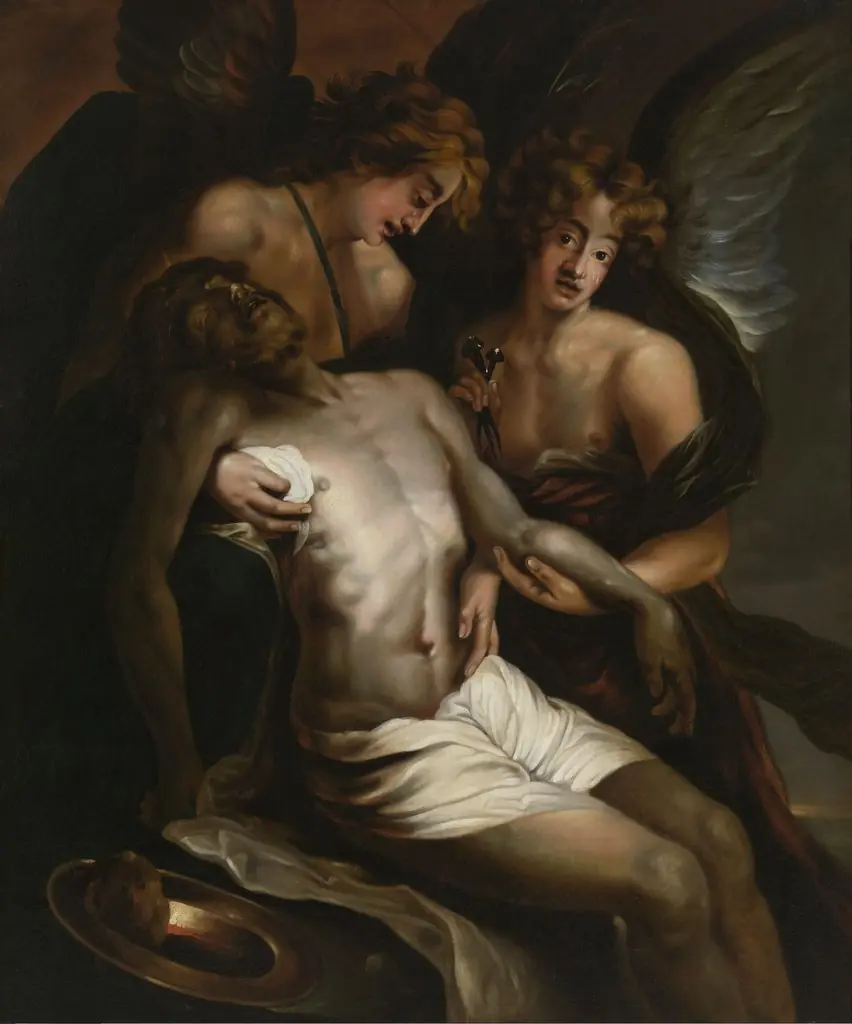 Angel pieta
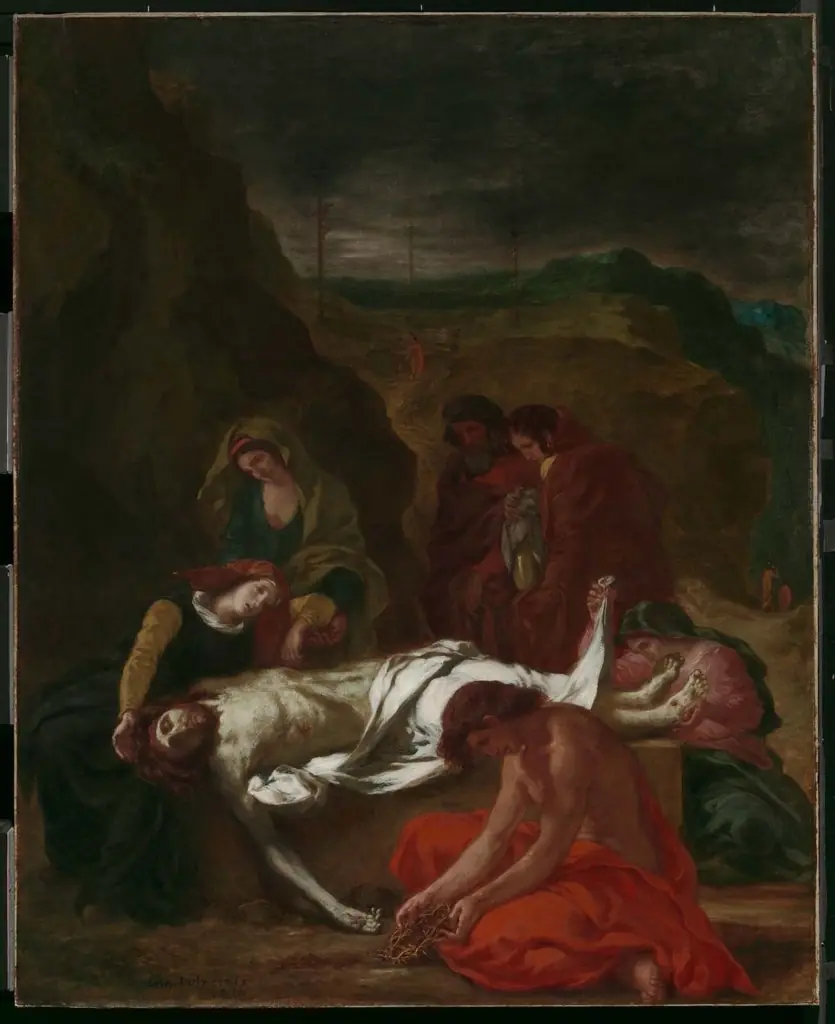 The Lamentation (Christ at the Tomb)
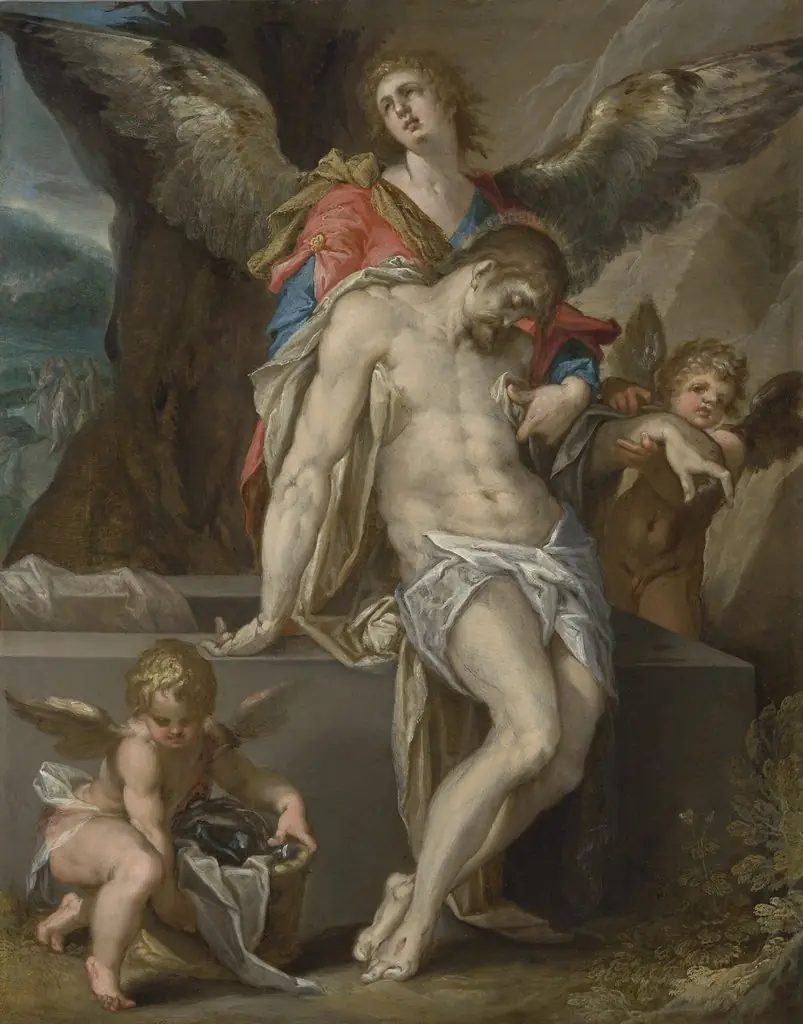 The Body of Christ Supported by Angels
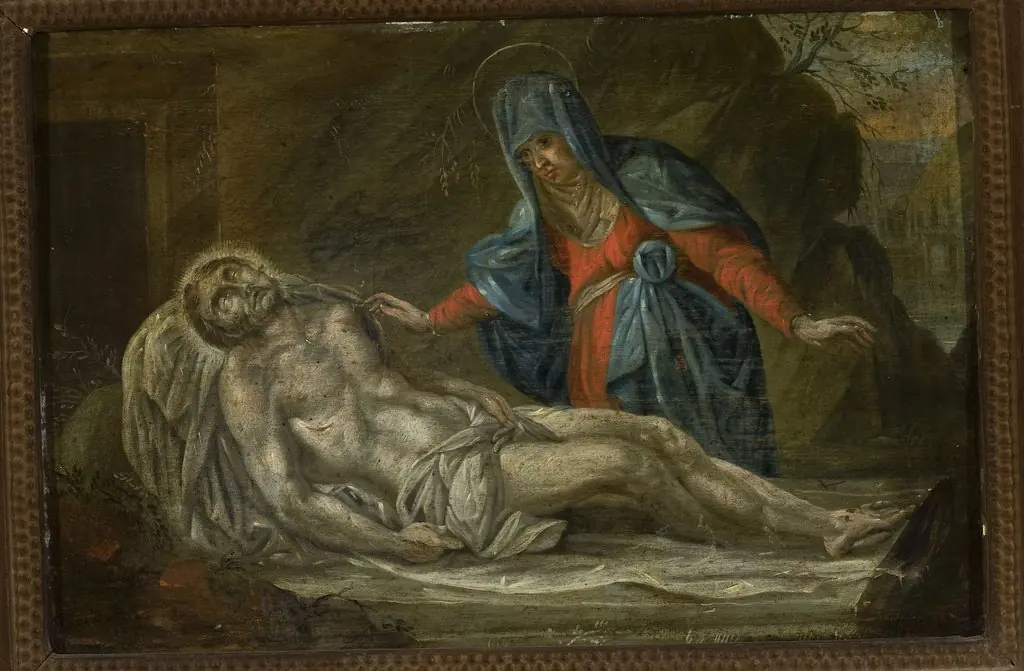 Mourning
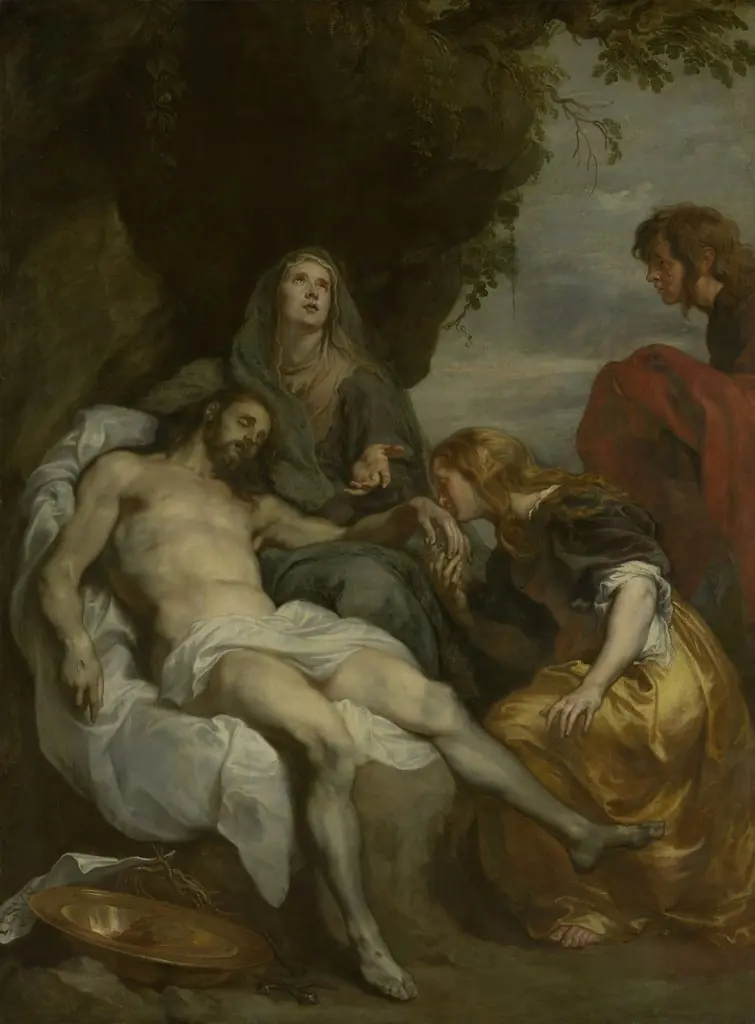 The Lamentation over the Dead Christ
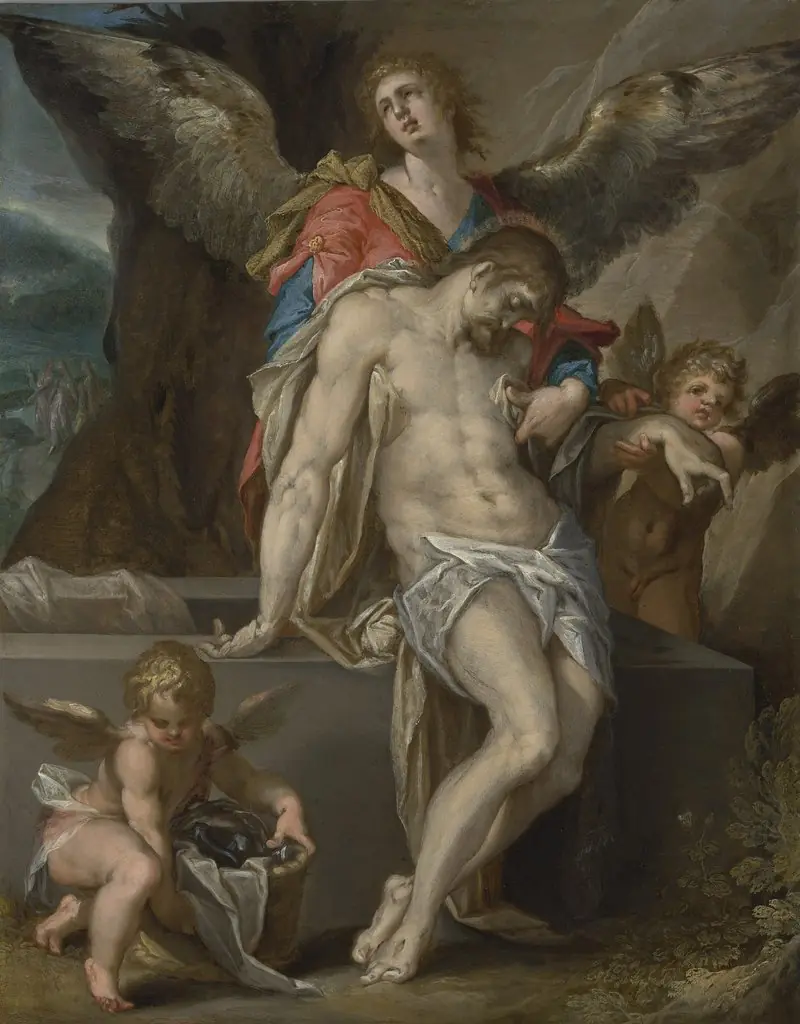 Engelen dragen het lichaam van Christus (Engelenpietà)
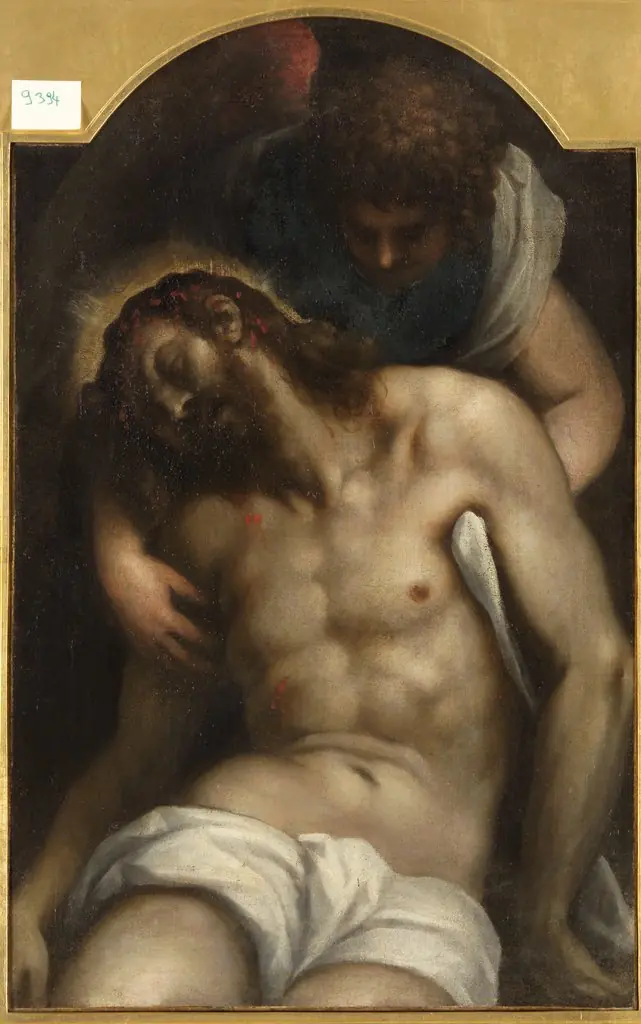 Dead Christ Supported by an Angel
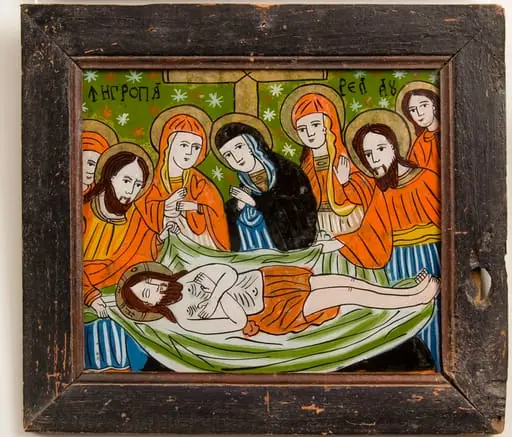 Punerea în mormânt; Îngroparea lui Iisus