Artwork
A Woody Bit, North Wales
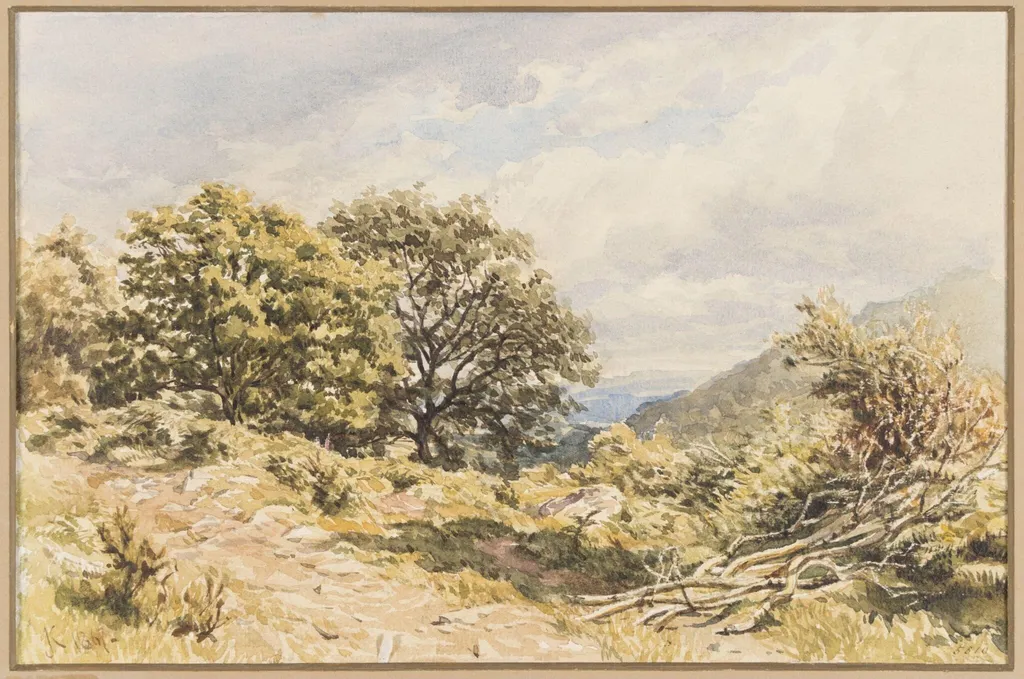
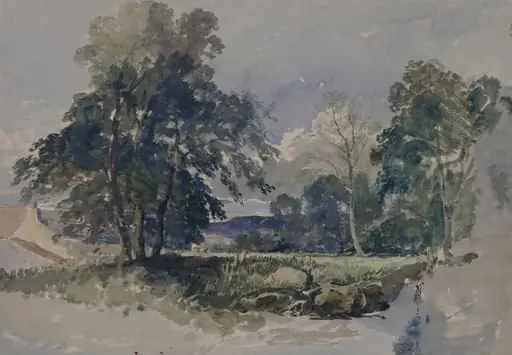
A Woody Bit, North Wales is a watercolor work on paper by the British Romanticist artist John Kemp. It dates from 1867 and is held in the collection of the Victoria and Albert Museum.
About this work
Overview
The work’s immediacy suggests it was made outdoors, with minimal refinement, preserving the spontaneity of direct observation.
Painted in 1867 by John Kemp, this watercolour captures a quiet stretch of hillside in North Wales. The composition centers on a winding path lined with sparse vegetation, leading the eye toward distant mountains. Soft washes of yellow, brown, and muted green dominate the palette, complemented by a pale, cloud-dappled sky. The work’s immediacy suggests it was made outdoors, with minimal refinement, preserving the spontaneity of direct observation.
Subject & Meaning
The scene presents an unremarkable yet deliberate slice of rural Wales—dry grass, rocky soil, and a slender stream threading through the foreground. There is no human presence, no narrative drama. Instead, the focus lies in the quiet rhythm of the landscape itself: the way light falls on uneven terrain, how vegetation clings to the earth. It reflects an appreciation for ordinary, unaltered nature, free from idealization.
Technique & Style
Kemp employed loose, unblended brushwork and transparent watercolour washes to suggest texture without detail. Trees appear as clusters of rough strokes, their forms suggested rather than defined. The stream is rendered with minimal lines, while distant hills dissolve into faint washes. The lack of polish and emphasis on fleeting effects align the work with emerging tendencies toward direct observation, anticipating later approaches in landscape painting.
History & Provenance
Created in 1867, the watercolour remains within the documented oeuvre of John Kemp, a lesser-known Welsh artist active in the mid-nineteenth century. No record of its early ownership or exhibition history is widely available. It has likely remained in private collections or regional archives, its significance tied more to its stylistic character than to prominent provenance.
Context
In the 1860s, British landscape watercolours were often produced for private enjoyment or as topographical records. Kemp’s work fits within this tradition but diverges through its lack of precision and emphasis on atmosphere. While contemporaries like Turner pushed watercolour toward dramatic expression, Kemp’s approach was quieter, rooted in the everyday terrain of his native region.
Legacy
Though not widely exhibited or collected, the painting exemplifies a quiet strand of Victorian landscape practice that valued immediacy over finish. Its unembellished observation and fluid technique resonate with later developments in Impressionism, though it predates the movement’s formal emergence. It stands as a modest but thoughtful record of how artists engaged with the natural world outside formal academies.
Own this work as a print
Artist & collection
Artist
John Kemp painted quiet landscapes in watercolour during the mid-1800s. His brush captured simple scenes like the tangled trees in A Woody Bit, North Wales, where light filters through branches above a grassy path. If…

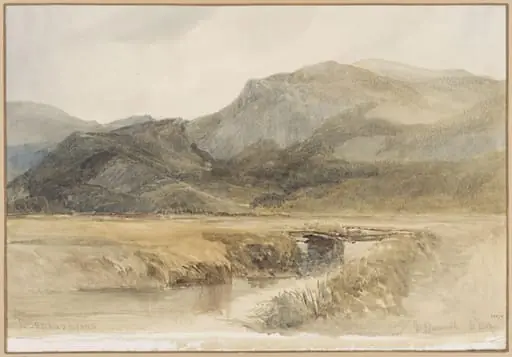 Meadows and Hills near Barmouth, North Wales
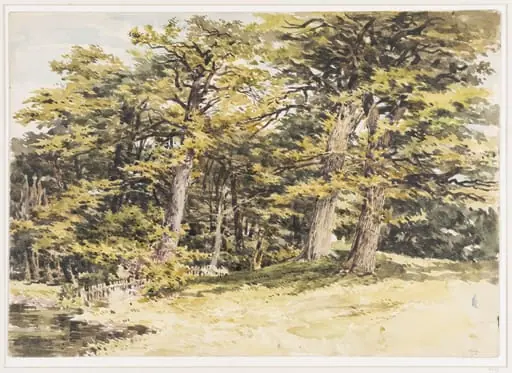 Stoke Park, Guildford
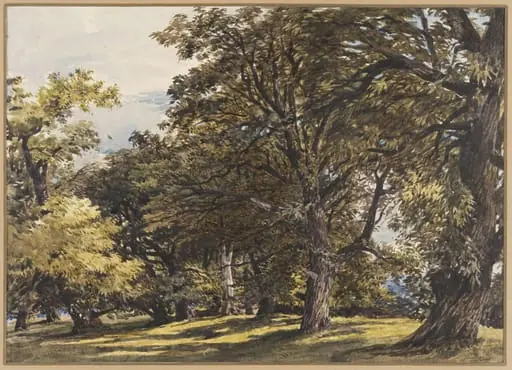 Study of Chestnut Trees
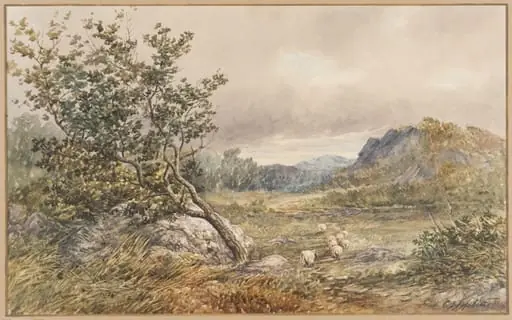 Pen-Craig, near Bettws-Y-Coed, North Wales
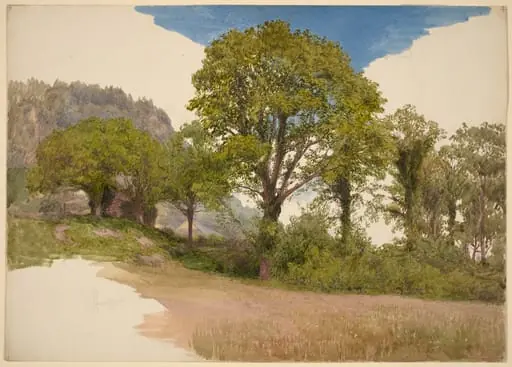 Trees Profiled against the Sky
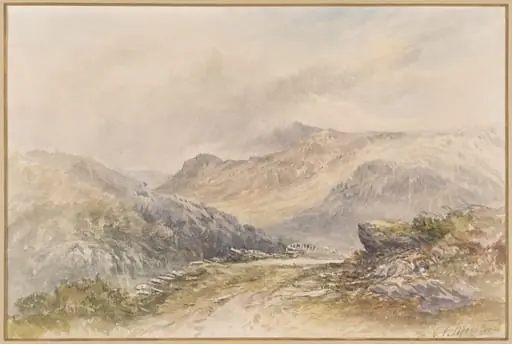 View on the Conway
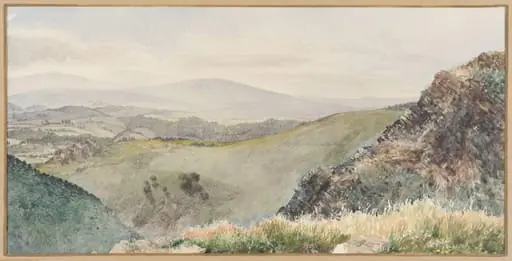 Untitled
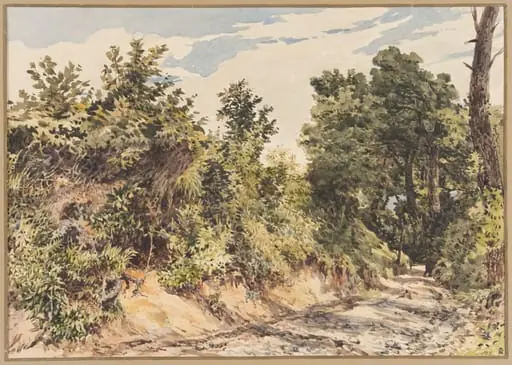 The Bridle Road
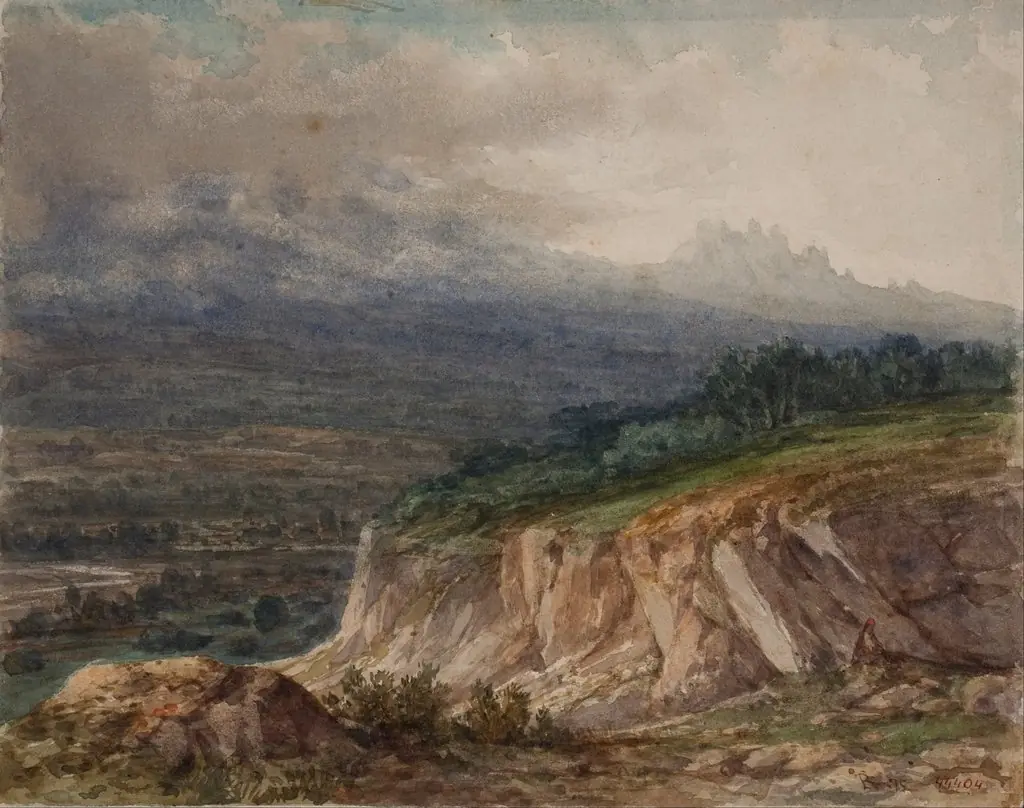 Landscape
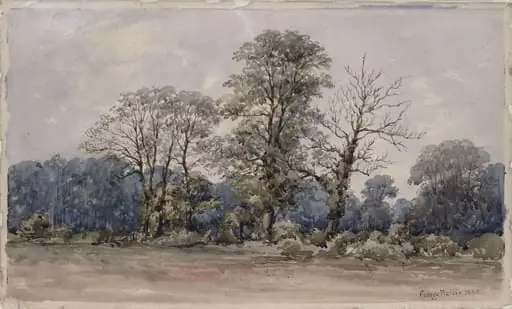 Trees at Perry Bar, near Birmingham
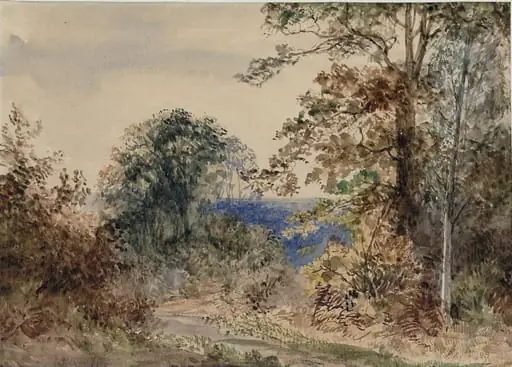 Study from Nature
 Woody Landscape with rocks and a cottage