Artwork
Fire of Troy
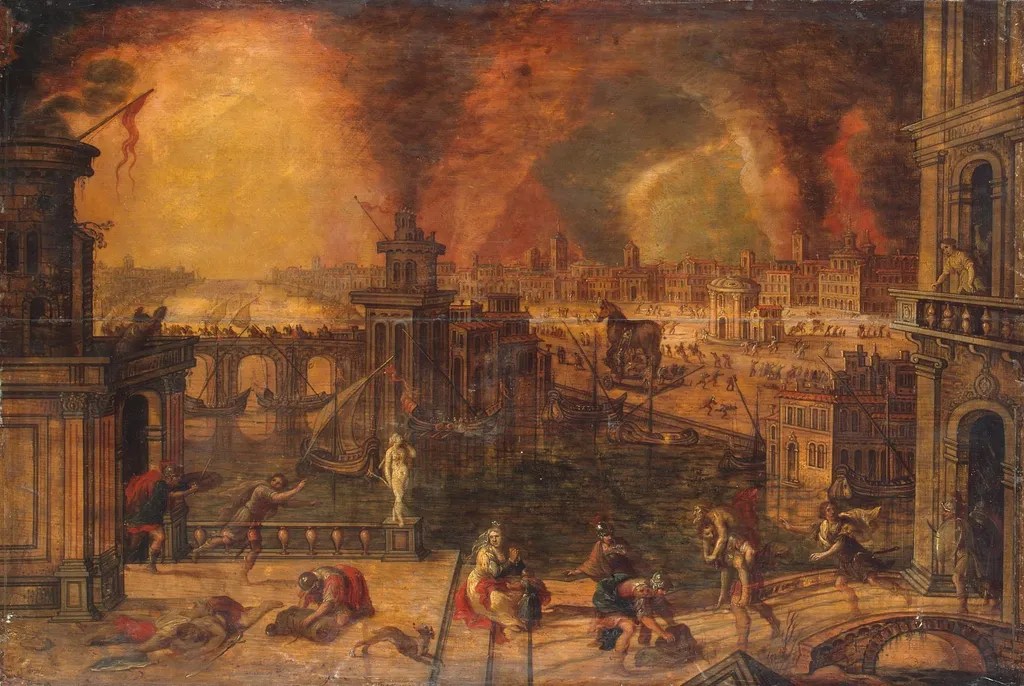
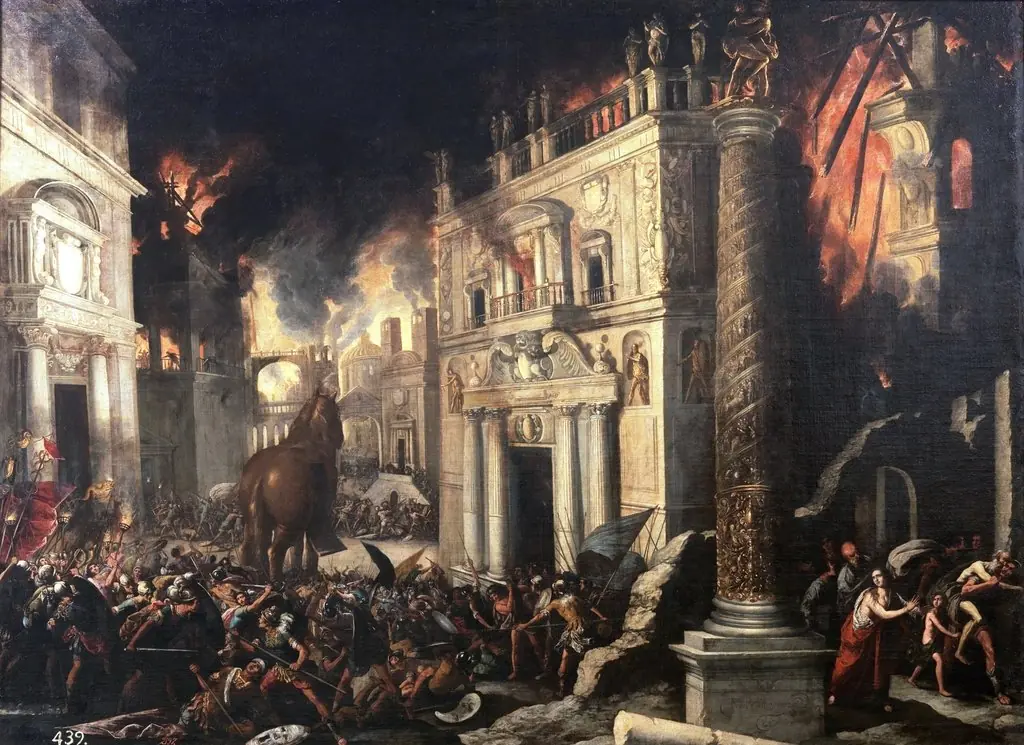
Fire of Troy is an oil painting by the Early Baroque Italian artist Kerstiaen de Keuninck. It dates from 1592 and is held in the collection of the Hermitage Museum.
About this work
Overview
Kerstiaen de Keuninck’s oil on canvas, dated 1592, portrays the legendary conflagration of Troy. The composition captures a city engulfed in flames, its structures collapsing amid a billowing, smoke‑filled sky. The work resides in the collection of the State Hermitage Museum, where it is displayed as a vivid example of late‑Renaissance narrative painting.
Subject & Meaning
The scene depicts the chaotic exodus of Troy’s inhabitants as the city burns, a visual retelling of the mythic destruction that followed the Greeks’ stratagem. Figures scramble through the streets, clutching possessions or assisting one another, emphasizing human vulnerability and the urgency of escape in the face of overwhelming disaster.
Technique & Style
De Keuninck employs a dynamic palette of ochres, deep reds, and stark whites to render fire and smoke, creating a stark contrast that heightens the sense of turmoil. The brushwork varies from fine detailing on fleeing figures to broader, more gestural strokes for the flames, while the architectural elements blend classical motifs with contemporary Renaissance forms.
History & Provenance
Completed in the early 1590s, the painting entered the Russian imperial collection during the 18th‑century acquisitions that formed the core of the State Hermitage Museum. It has remained in the museum’s holdings since, documented in inventory records as part of the European painting department.
Context
Created at a time when Northern European artists were increasingly engaging with classical subjects, the work reflects the period’s fascination with antiquity and moralizing narratives. De Keuninck’s choice of the Trojan fire aligns with contemporary interest in illustrating the consequences of hubris and war, themes prevalent in late‑Renaissance art.
Own this work as a print
Artist & collection

 Fire at Night
 El incendio de Troya
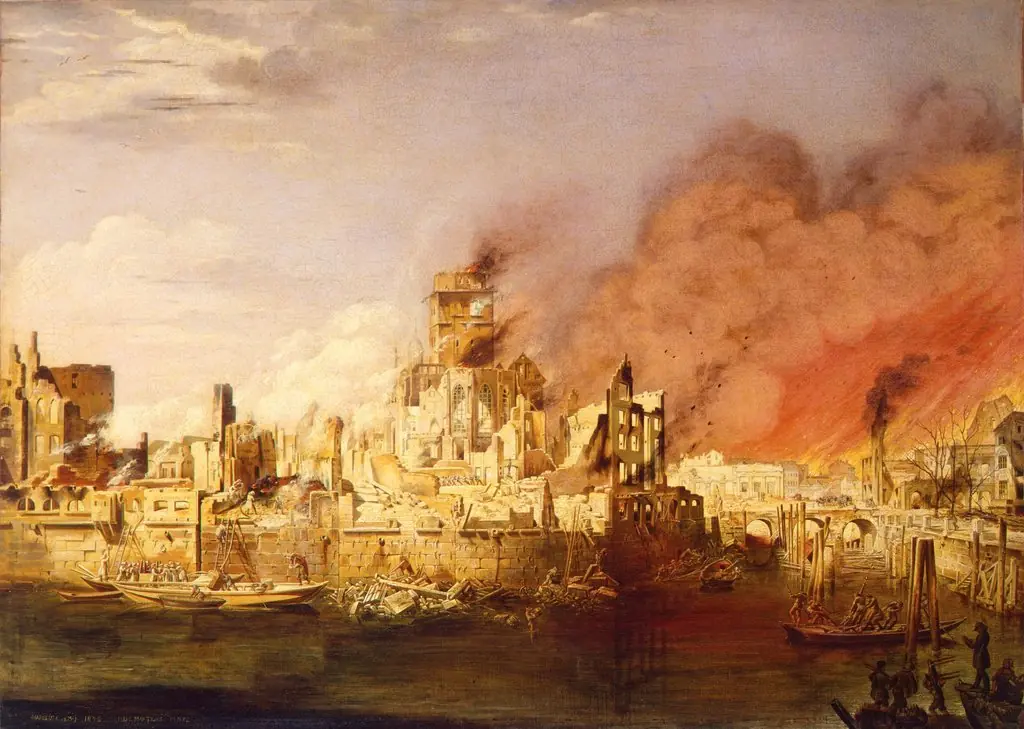 The Great Fire of Hamburg on May 5, 1842
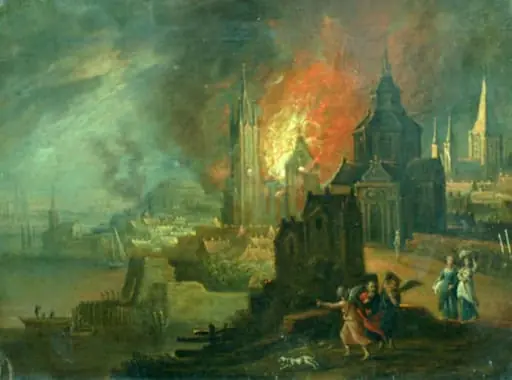 Oraș în flăcări
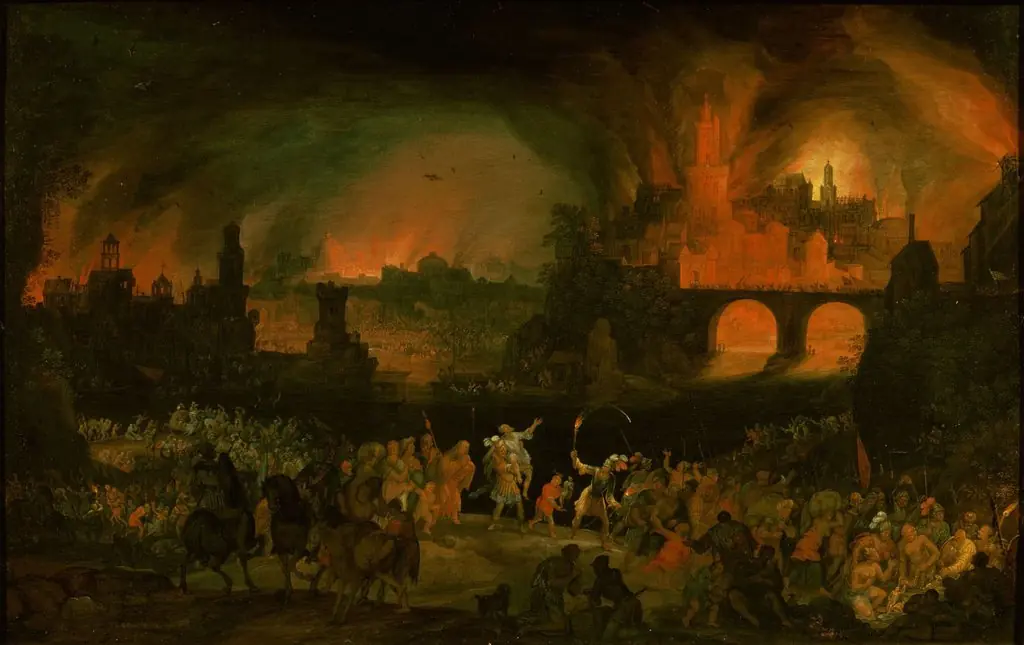 Aeneas trägt seinen Vater Anchises aus dem brennendem Troja
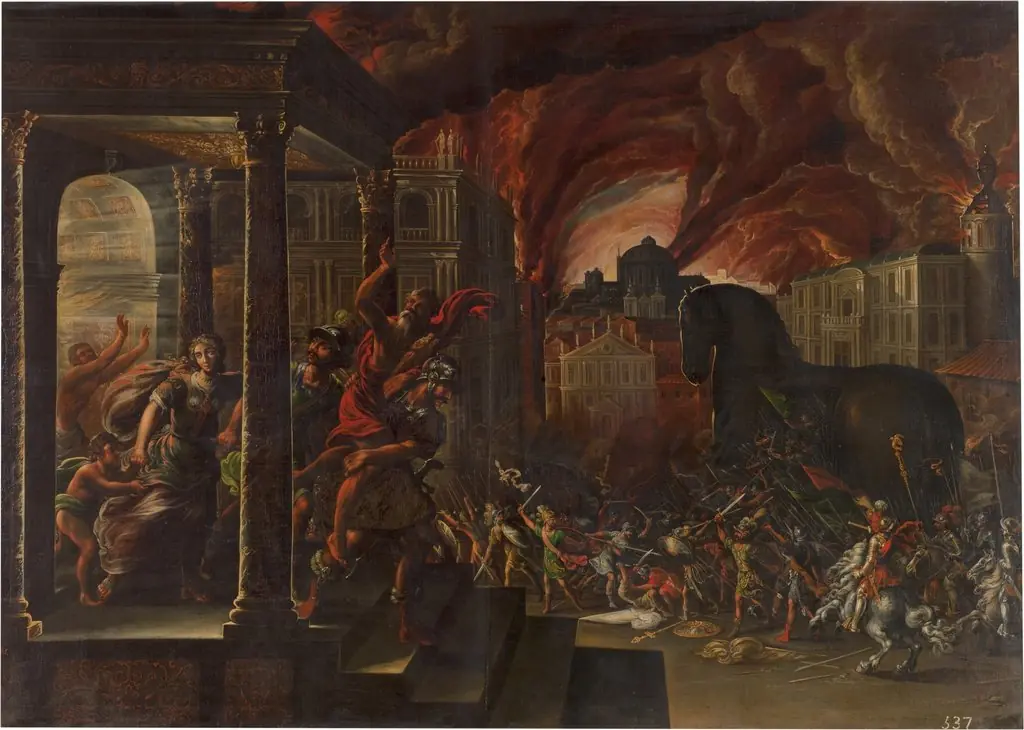 Aeneas and his family fleeing the burning city of Troy, with the Trojan horse in the background
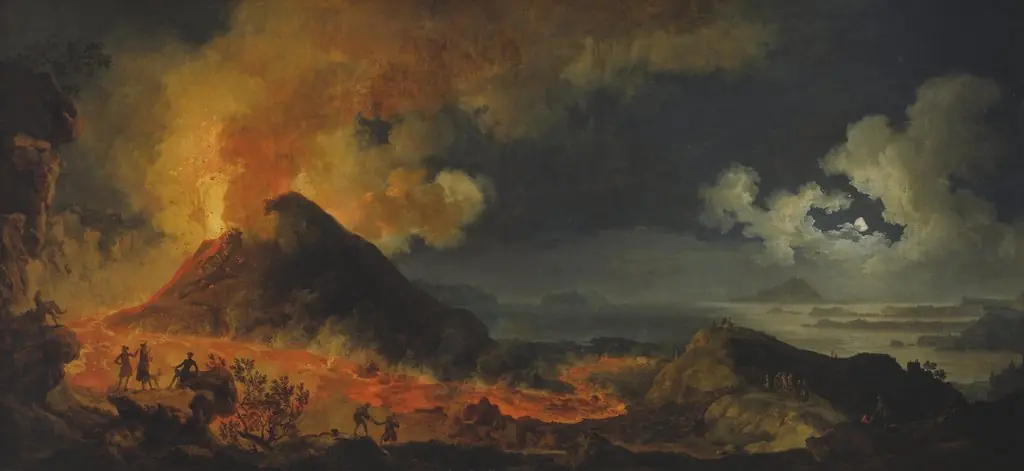 The Eruption of Vesuvius
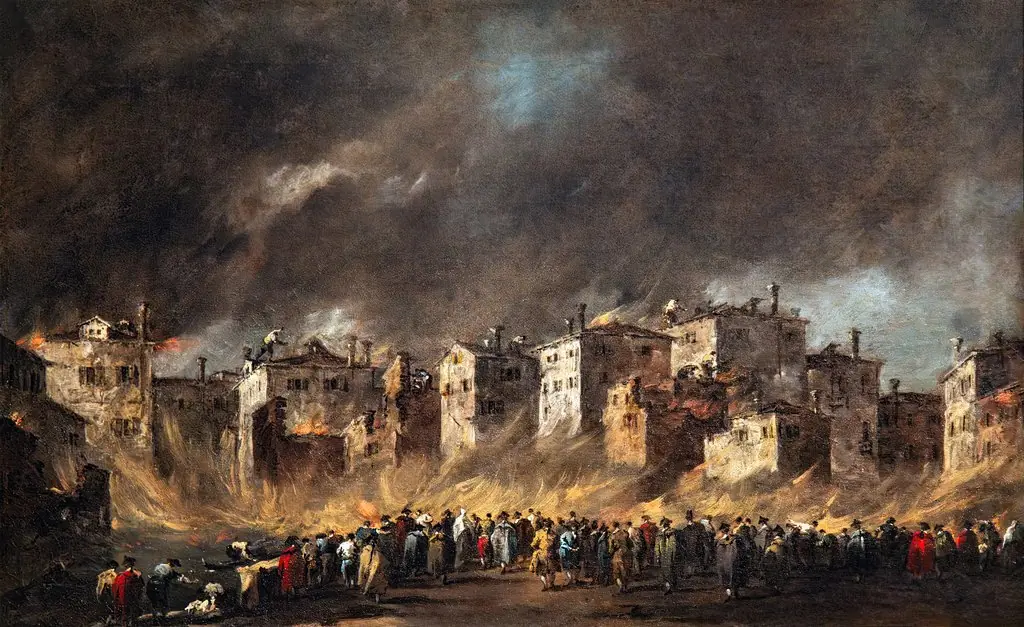 Fire in the oil warehouses at San Marcuola
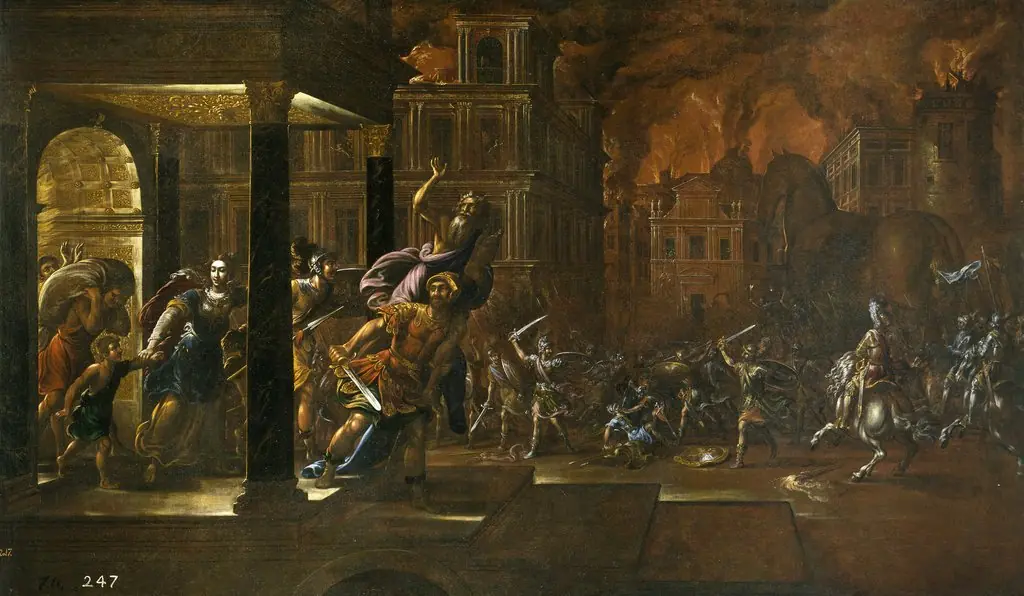 Aeneas flees the burning Troy with his family