Artwork
Anna Kjöllerfeldt, os. Sinebrychoff (1854–1943)
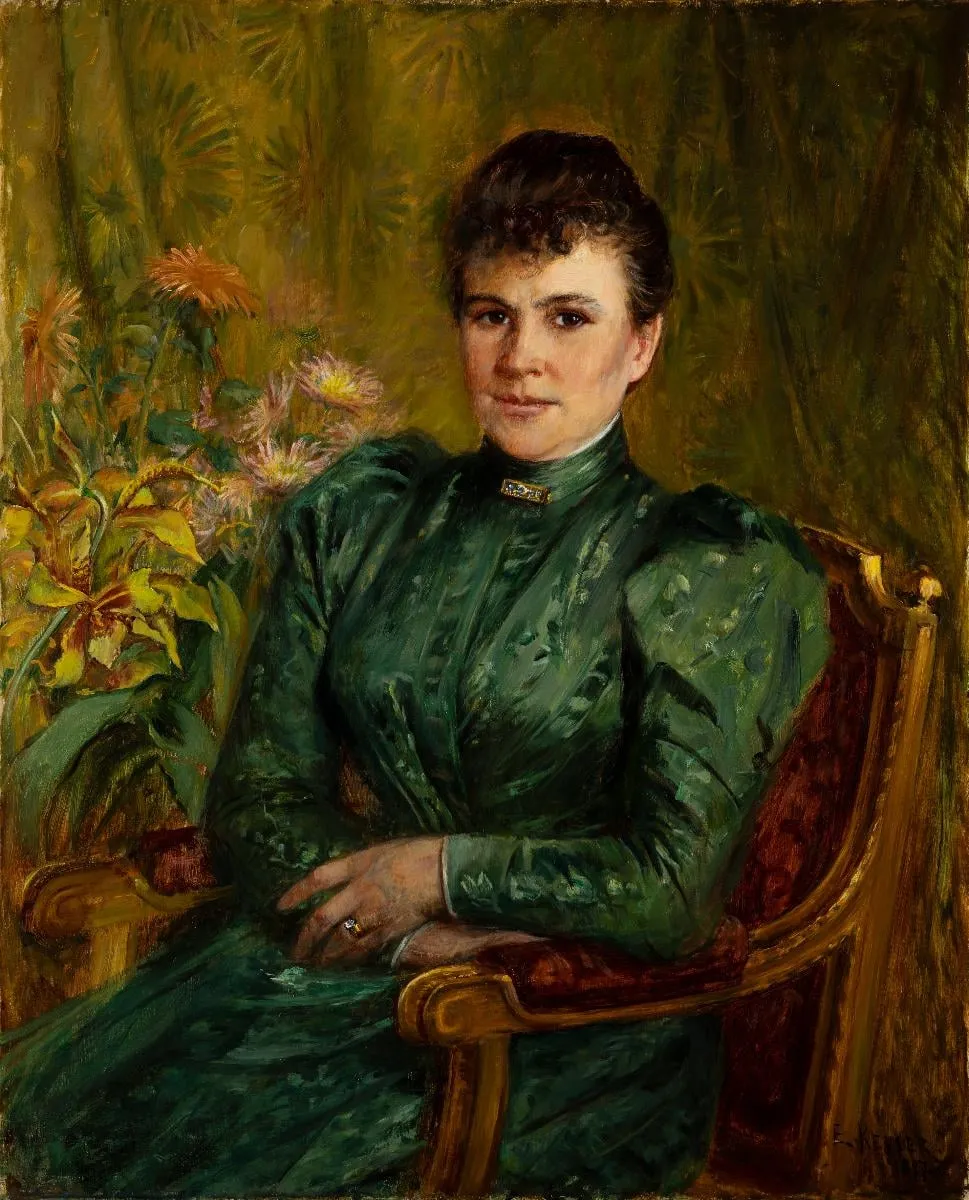
Anna Kjöllerfeldt, os. Sinebrychoff (1854–1943) is an unspecified painting by Elisabeth Keyser. It is held in the collection of the Finnish National Gallery. This portrait depicts Anna Kjöllerfeldt, later known as Sinebrychoff, seated in a wooden chair.
About this work
Overview
This portrait depicts Anna Kjöllerfeldt, later known as Sinebrychoff, seated in a wooden chair. Painted in the late 19th century, the work captures her in a quiet, composed posture with hands resting on the armrests. The composition is restrained, focusing on her figure against a muted background, with only a potted plant introducing a subtle contrast in hue and texture.
Subject & Meaning
Anna Kjöllerfeldt was a Finnish woman of means, connected to the influential Sinebrychoff family through marriage. The portrait conveys dignity and composure rather than grandeur. Her plain attire and stillness suggest an emphasis on personal character over social display, aligning with the modest aesthetic of her social circle during a period of national cultural awakening in Finland.
Technique & Style
Brushwork is deliberate and tactile, particularly around the sleeves and folds.
The artist employed impasto to render the dark green dress, building up thick layers of paint that catch the light and suggest the weight and weave of the fabric. Brushwork is deliberate and tactile, particularly around the sleeves and folds. The background remains subdued, allowing the textured surface of the clothing to dominate visually, while the yellow flowers provide a quiet focal point without disrupting the overall tonal harmony.
History & Provenance
The painting was created during a time when Finnish artists were increasingly turning to portraiture as a means of documenting personal and familial identity. It remained within the Sinebrychoff family for generations before entering a public collection. Its preservation reflects the family’s role in supporting Finnish cultural heritage during the late 19th and early 20th centuries.
Context
In late 19th-century Finland, portraiture served both private and emerging national purposes. As the country developed its cultural institutions, images like this one helped define a Finnish identity distinct from Russian and Swedish influences. The restrained style and domestic setting reflect a broader trend among middle- and upper-class Finns to express refinement through understated elegance rather than ostentation.
Legacy
The portrait endures as an example of intimate, materially grounded portraiture from Finland’s national awakening period. Its use of impasto, while not avant-garde, demonstrates a sensitivity to texture and surface that aligns with broader European realist traditions. It contributes to the visual record of Finnish women’s lives during a time of social and political transition.
Artist & collection

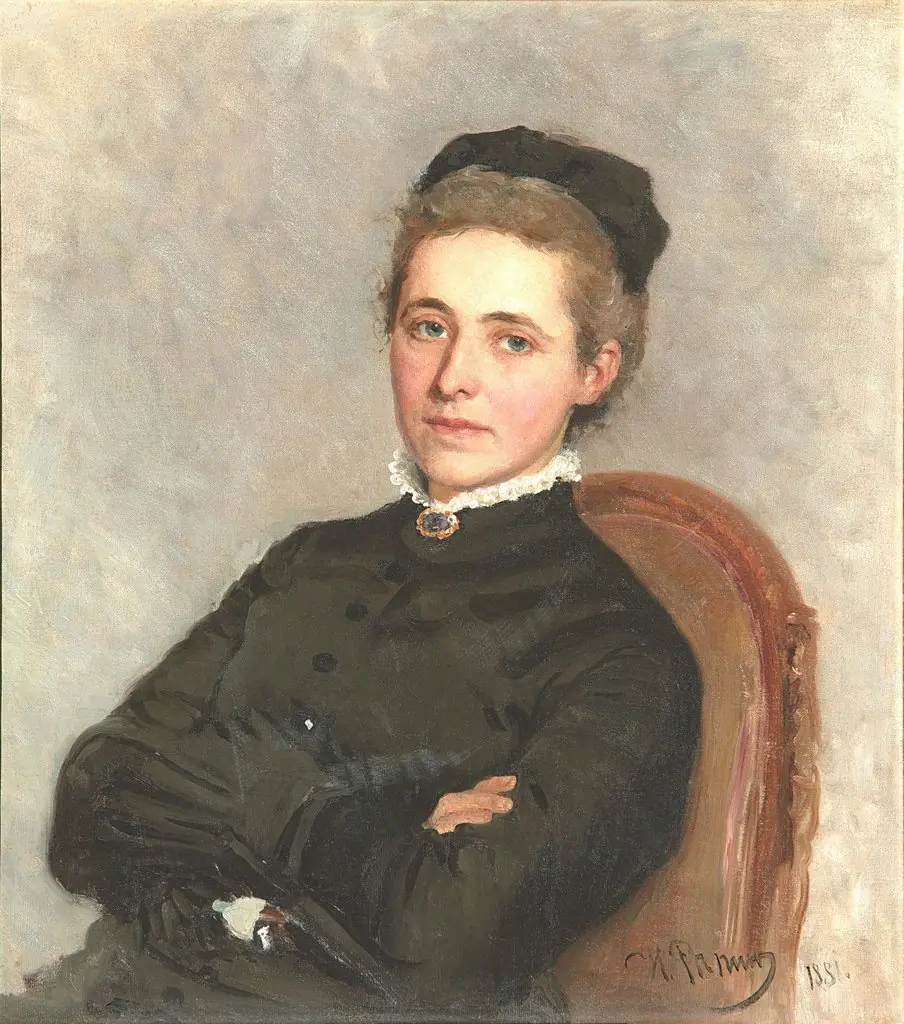 Delt va Yulia Bogdanovna Repman
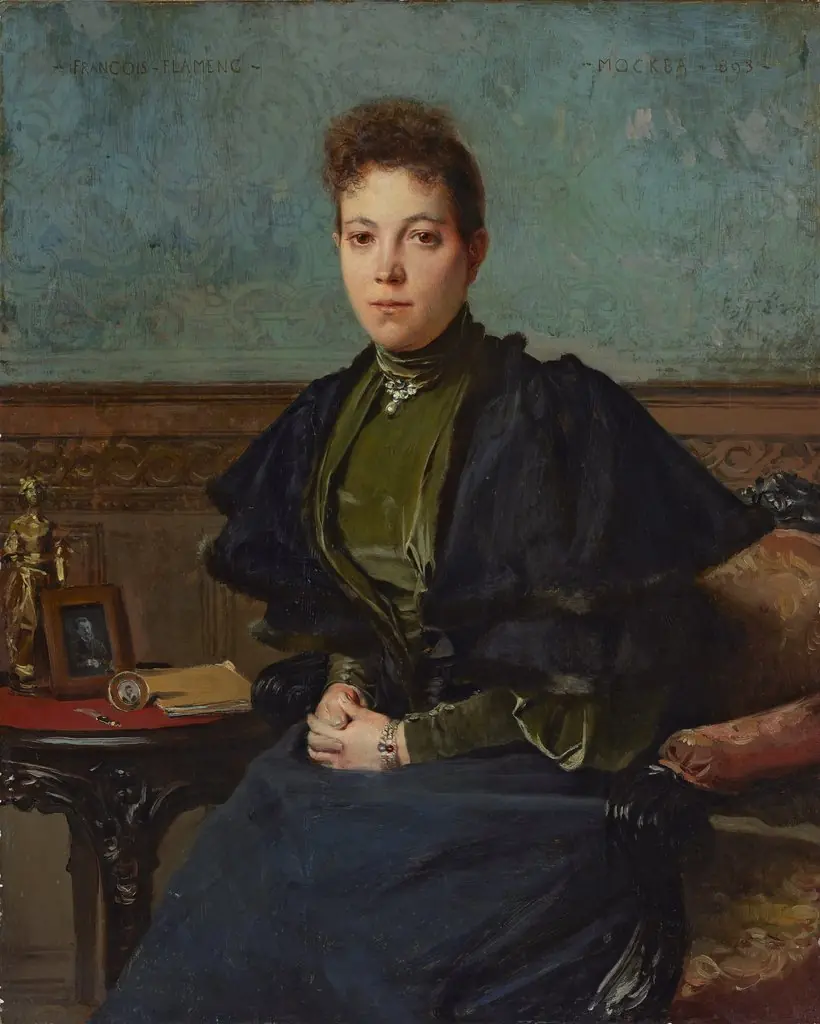 Portrait of Vera Kharitonenko
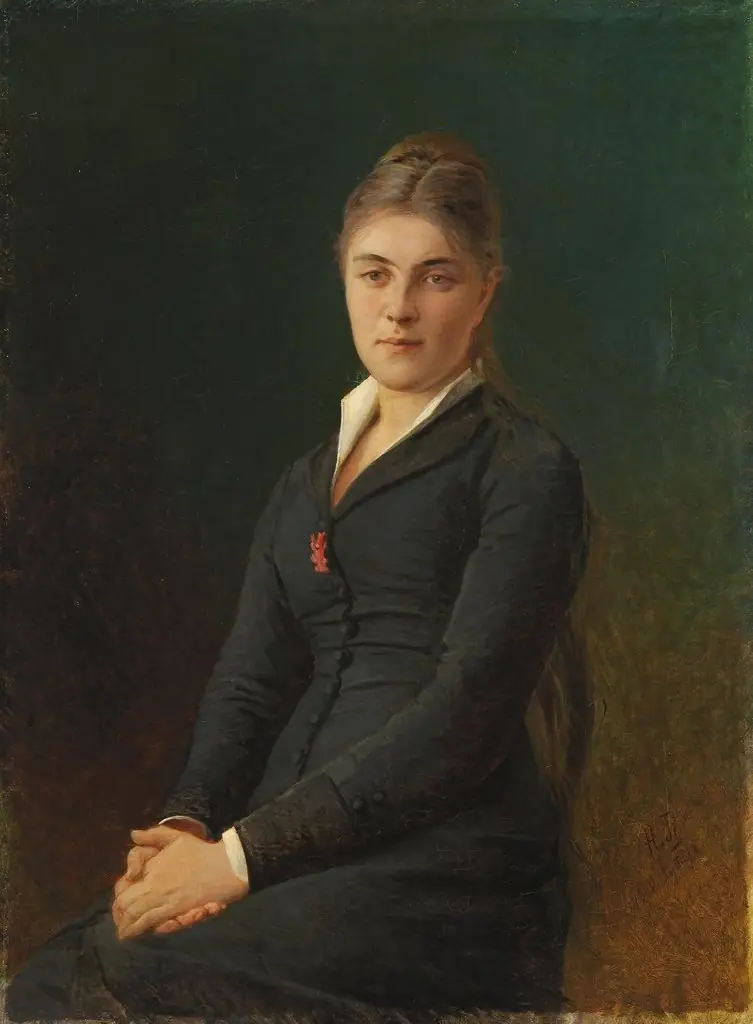 Portrait of Yekaterina Ge, the Artist's Daughter-in-Law
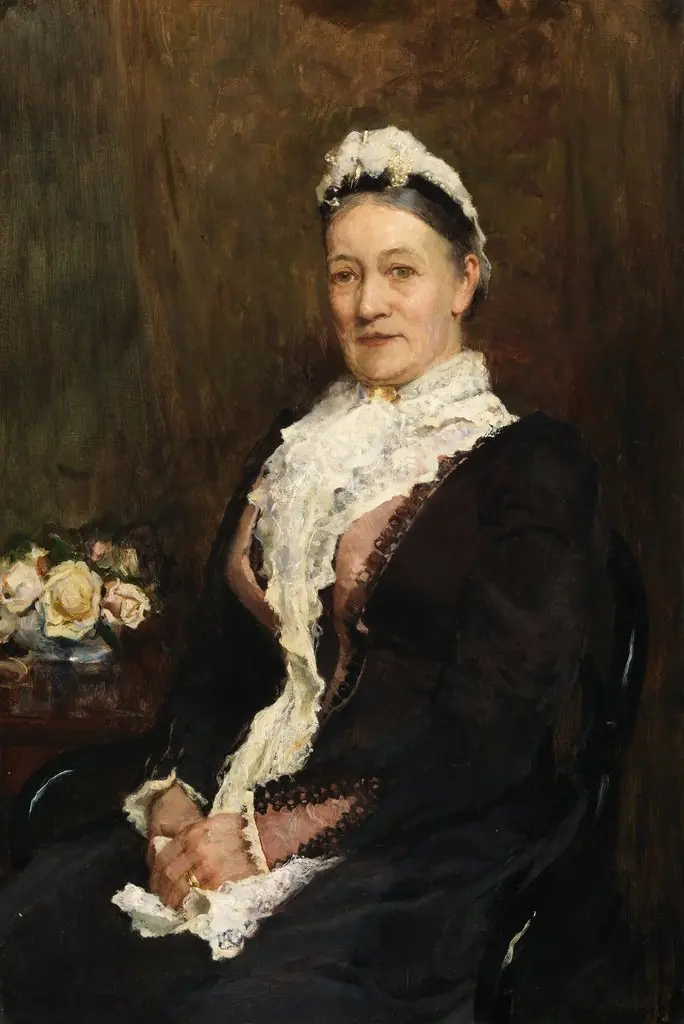 Portrait of Mrs Geale-Wybrants
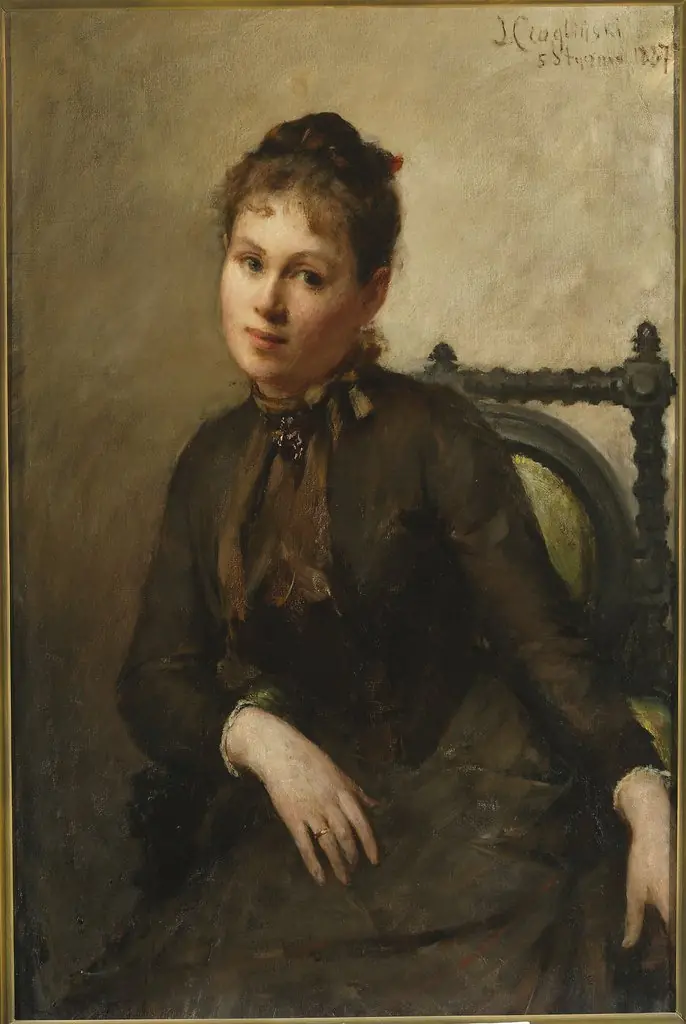 Portrait of Helena Piltz née Rymowicz
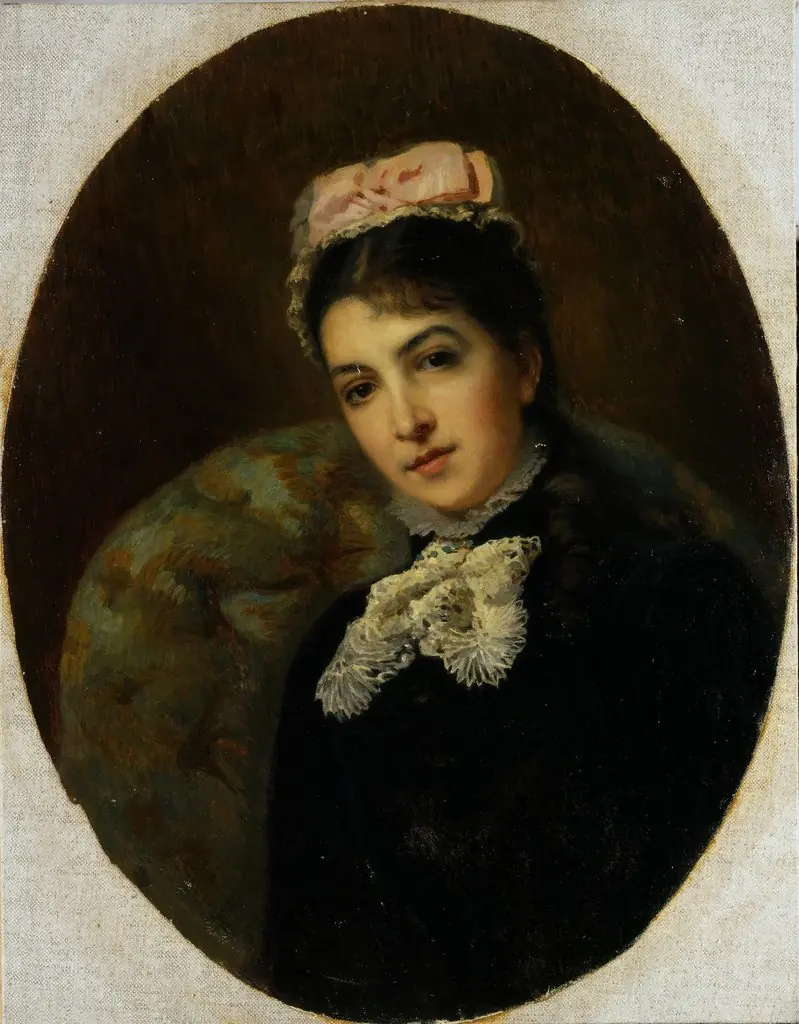 Portrait of M.G. Savina
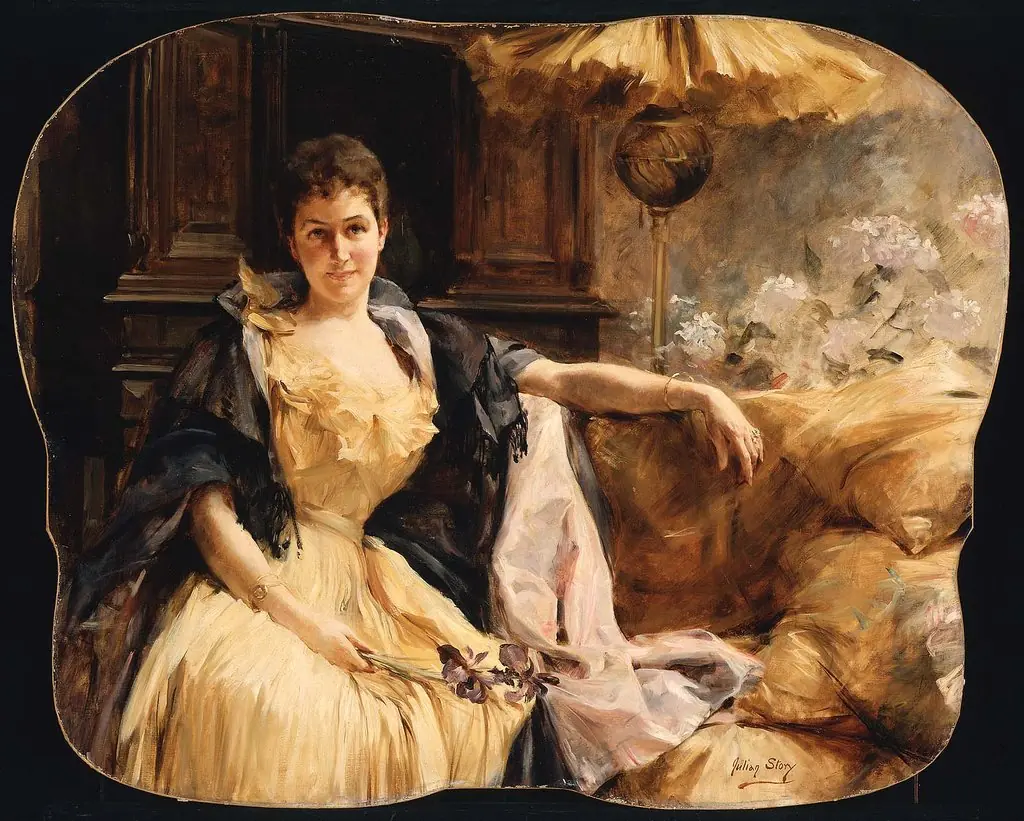 Emma Eames
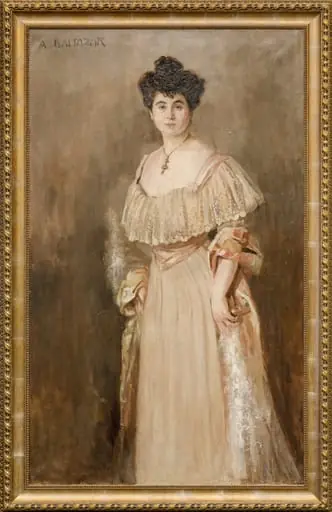 Portret de femeie
 Zettina V.A. Urechia
 Portrait of Lady Armstrong (née Ferrard)
 Portrait of Young Princess M.P. Abamelek-Lazareva
 Retrato de la esposa del autor