Artwork
Guy Little Theatrical Photograph
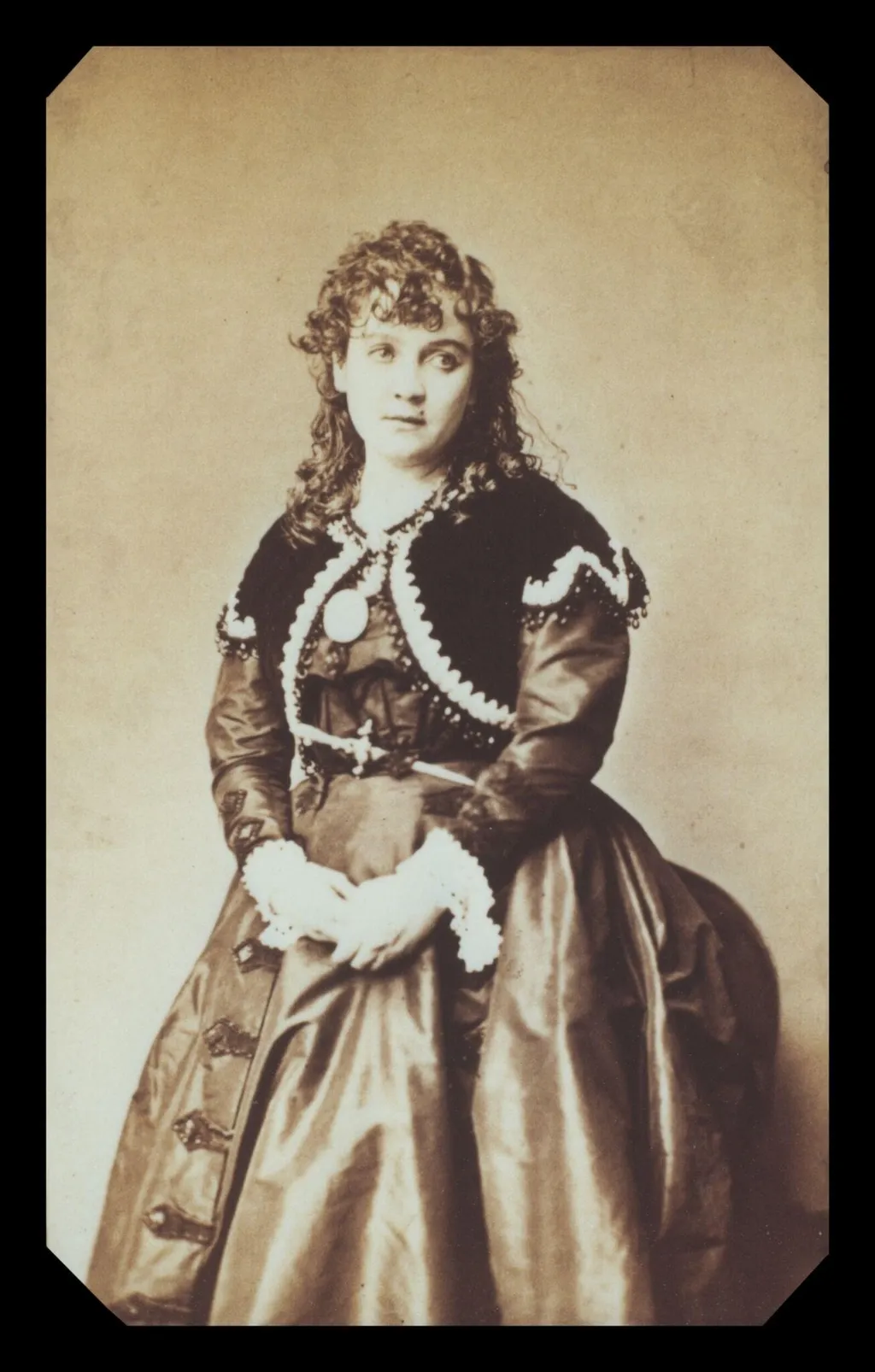
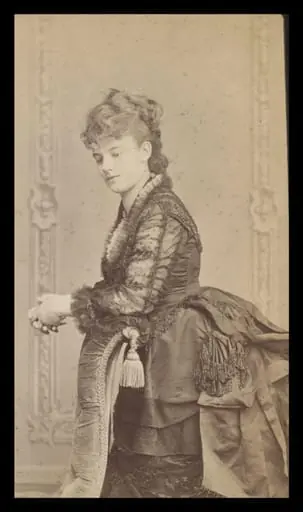
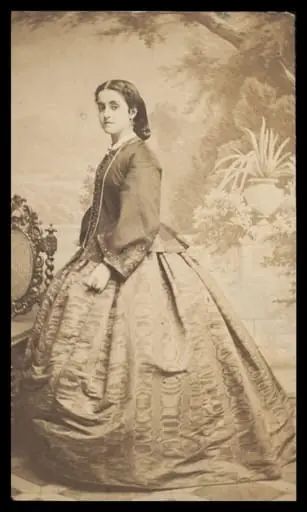
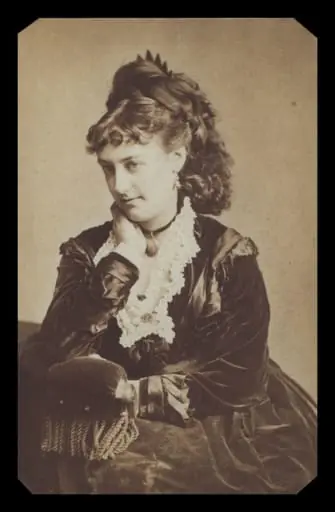
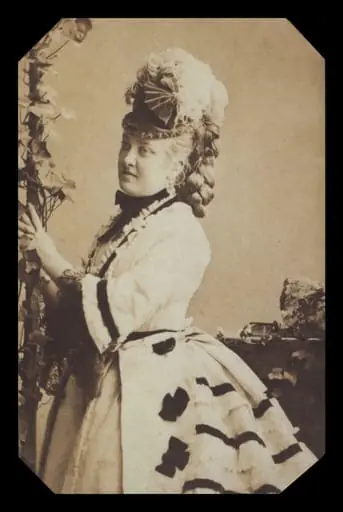
Guy Little Theatrical Photograph is a photographic photography by the Impressionist artist Horatio Nelson King. It dates from 1864 and is held in the collection of the Victoria and Albert Museum.
About this work
Overview
Little, a solicitor and avid collector, later bequeathed his assembled albums to the V&A, preserving a significant archive of theatrical imagery from the era.
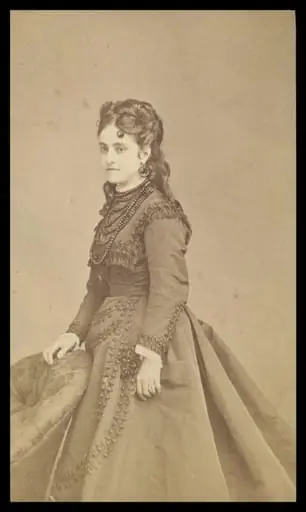
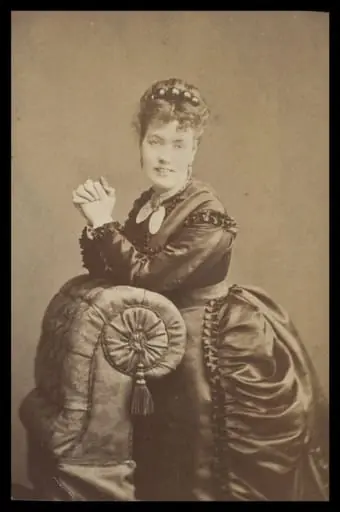
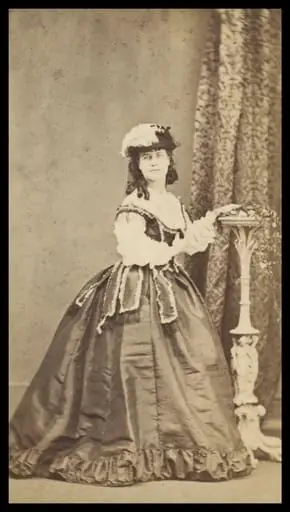
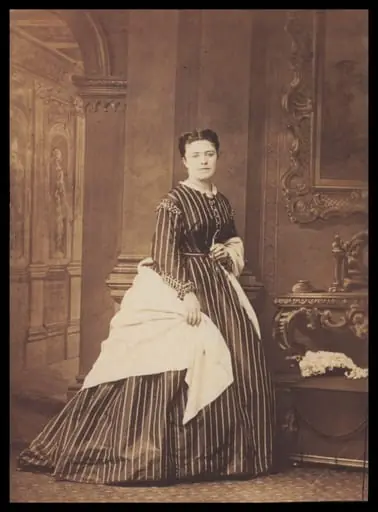
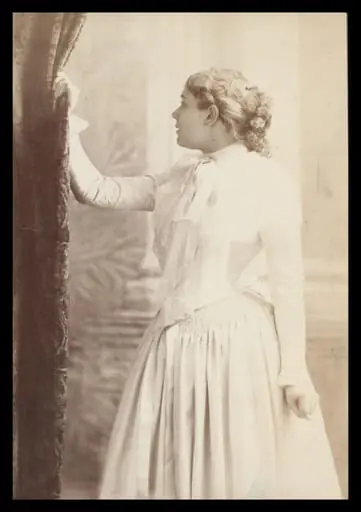
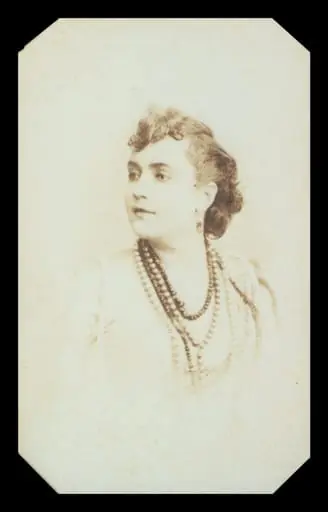
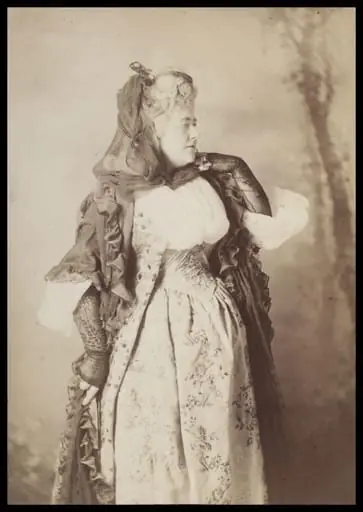
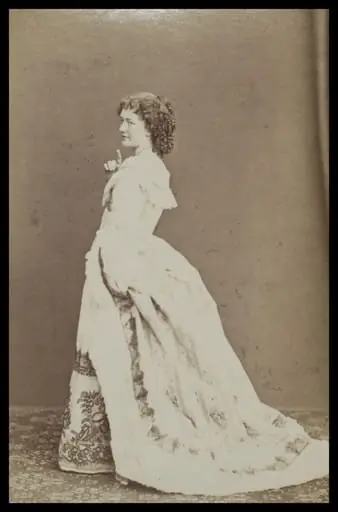
This photograph, part of a private collection assembled by Guy Tristram Little, captures the actress Adah Isaacs Menken in a studio setting from the 1860s. It was produced as a carte de visite—a small albumen print mounted on card—commonly distributed among Victorian audiences as personal mementos. Little, a solicitor and avid collector, later bequeathed his assembled albums to the V&A, preserving a significant archive of theatrical imagery from the era.
Subject & Meaning
Adah Isaacs Menken was a celebrated stage performer known for her dramatic roles and unconventional public persona. This portrait presents her in theatrical attire, reinforcing her public identity as a performer rather than a private individual. The image served not only as a keepsake for admirers but also as a tool for cultivating her fame, aligning her with the growing culture of celebrity enabled by mass-produced photography.
Technique & Style
The photograph is an albumen print made from a glass negative, the standard process for cartes de visite during the 1860s. The image is sharply focused, with careful lighting to highlight Menken’s features and costume. The small format, roughly the size of a visiting card, was designed for easy handling and collection. The backing, though now detached, would have originally bore the photographer’s imprint, a mark of commercial authenticity.
History & Provenance
The photograph was once part of a larger assemblage of theatrical portraits collected by Guy Tristram Little, who meticulously mounted and preserved these images in albums. After his death in 1953, the collection was donated to the Victoria and Albert Museum. Little’s role as executor for Gabrielle Enthoven’s theatrical holdings further ties this image to the institutional foundation of Britain’s national theatre archive.
Context
During the 1860s, cartes de visite became a cultural phenomenon, blending commerce, celebrity, and domestic leisure. Actors and actresses were among the most popular subjects, their images circulating widely as tokens of fandom. This practice reflected broader societal shifts toward visual culture and the democratization of portraiture, made possible by advances in photographic technology and printing.
Legacy
Little’s collection, now housed at the V&A, offers a tangible record of how theatrical fame was constructed and consumed in the 19th century. These photographs, once personal tokens, now serve as historical documents, revealing the intersection of performance, media, and public identity. Their preservation underscores the importance of amateur collecting in shaping institutional archives of performing arts history.
Artist & collection
Artist
Horatio Nelson King spent his days running a photography studio in mid-1800s London, turning actors’ faces into souvenirs.