Artwork
Hope and Destruction (Zerstörung und Hoffnung)
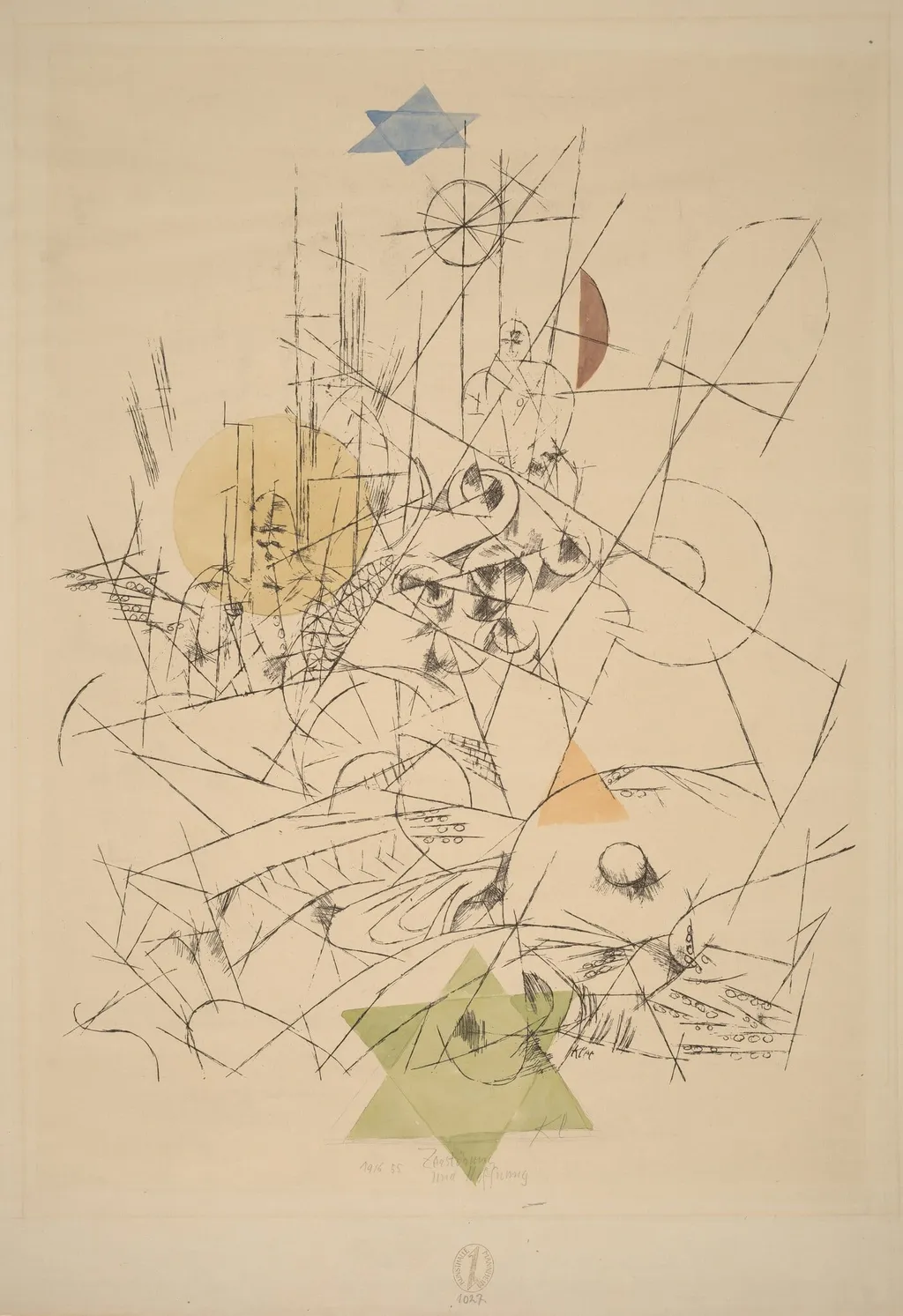
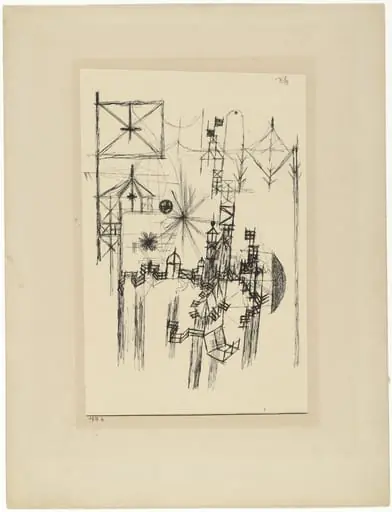
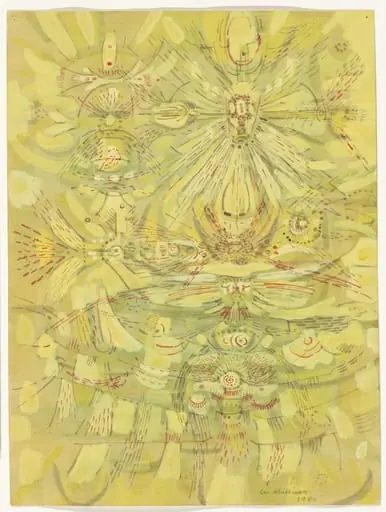
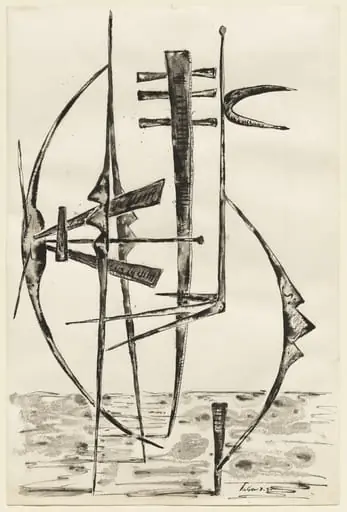
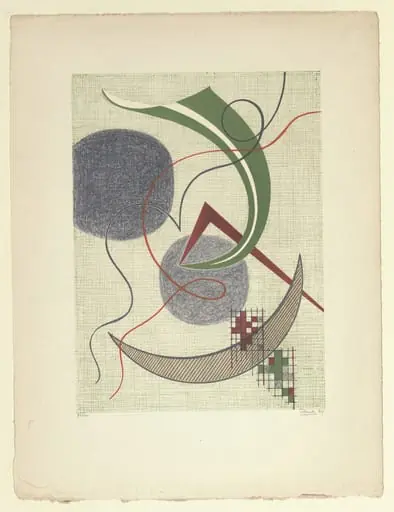
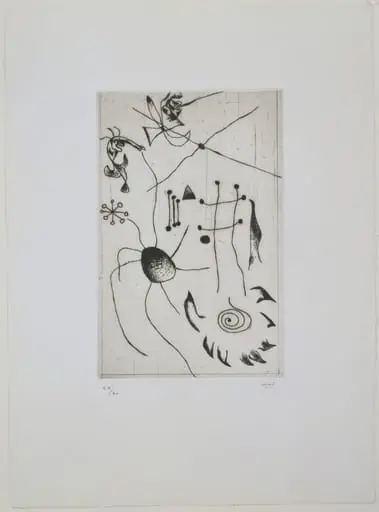
Hope and Destruction (Zerstörung und Hoffnung) is a watercolor print by Paul Klee. It dates from 1916 and is held in the collection of the National Gallery of Art.
About this work
Overview
It belongs to a period when he was actively synthesizing elements from Expressionism, Cubism, and emerging Surrealist tendencies.
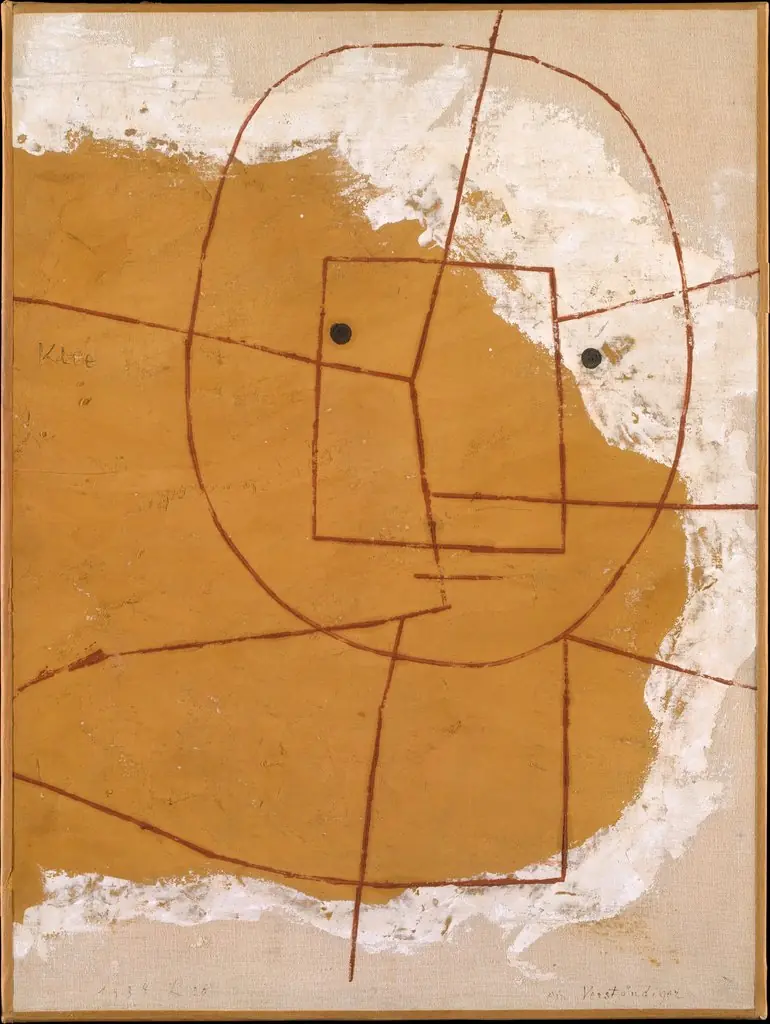
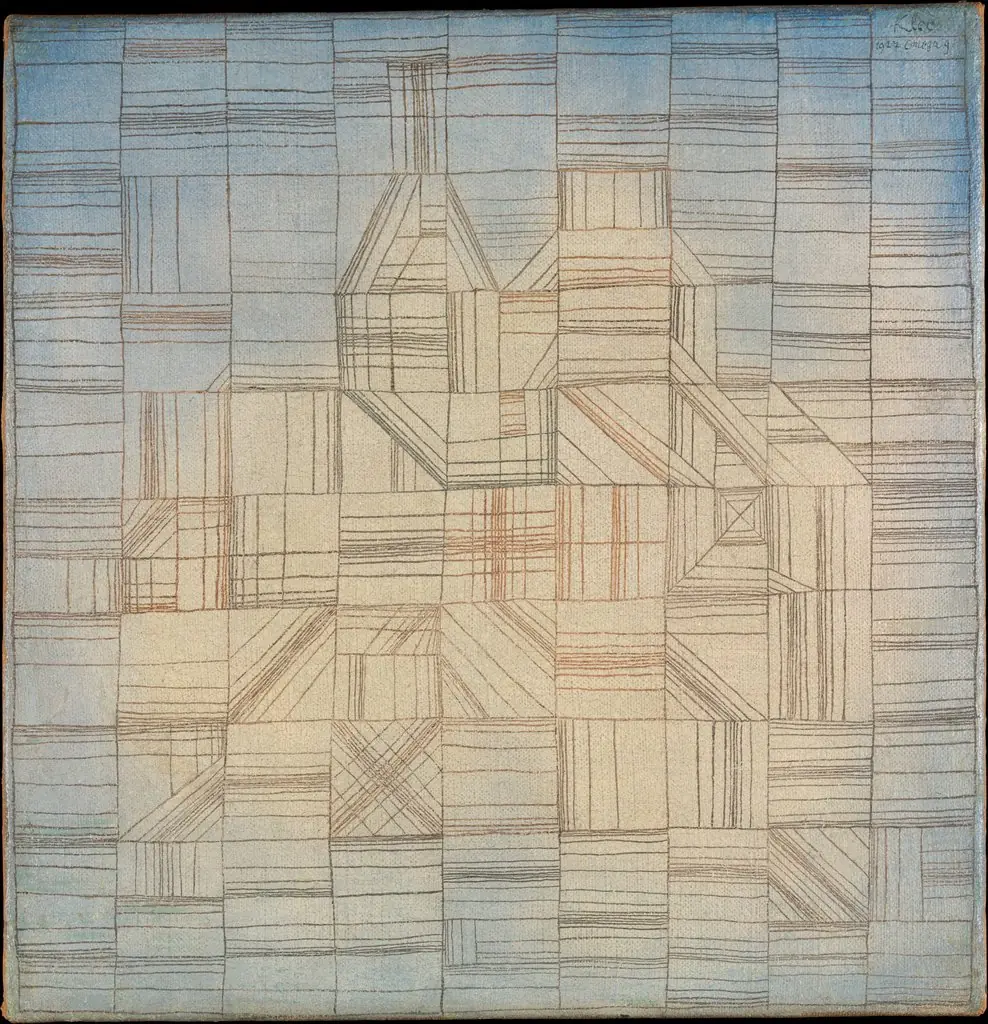
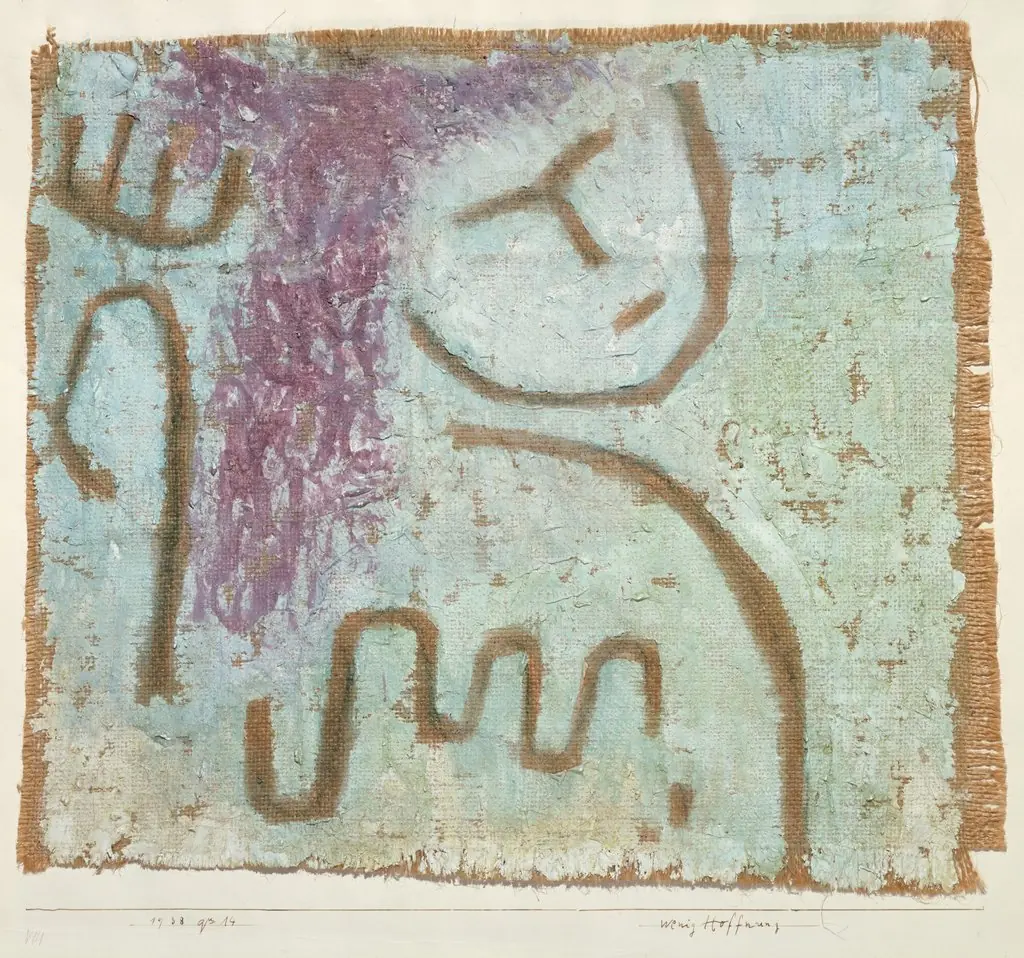
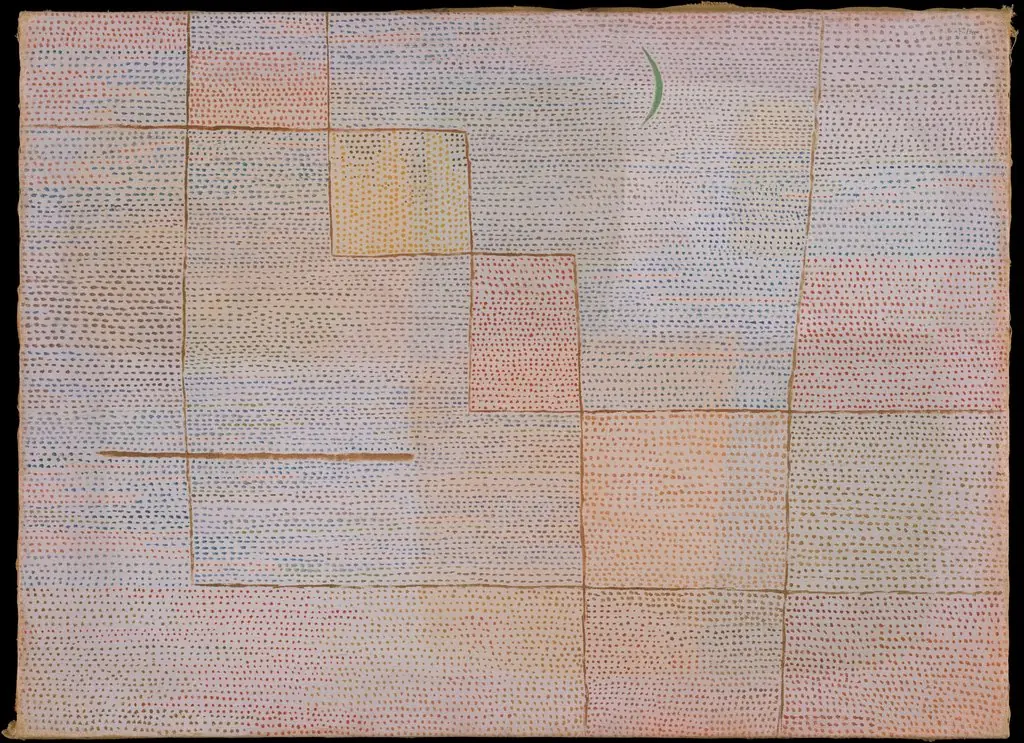
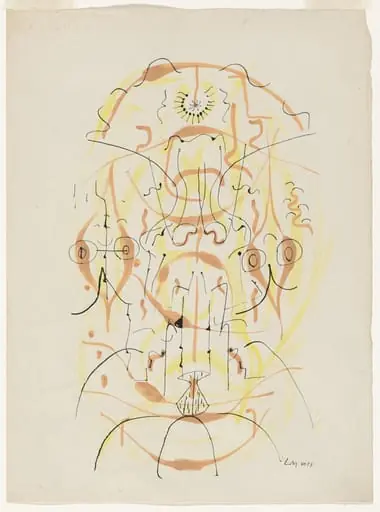
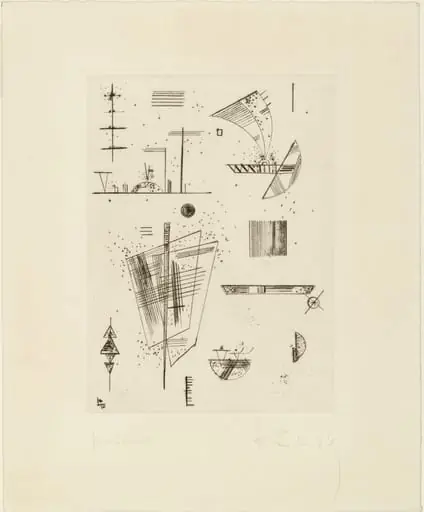
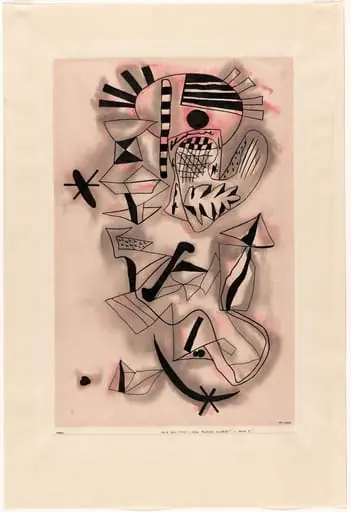
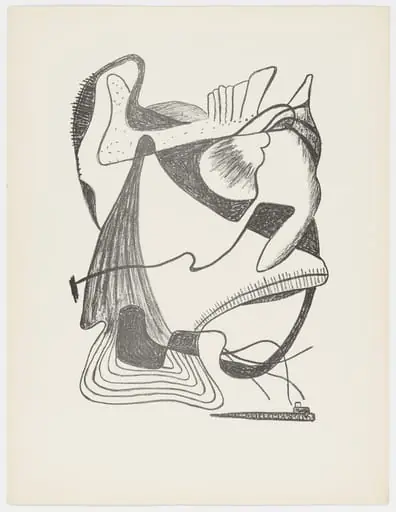
Paul Klee produced this lithograph with watercolor in 1916, titled *Hope and Destruction (Zerstörung und Hoffnung)*. It belongs to a period when he was actively synthesizing elements from Expressionism, Cubism, and emerging Surrealist tendencies. As a draftsman deeply invested in visual theory, Klee used printmaking to explore abstract relationships between form, color, and emotional resonance, avoiding literal representation in favor of symbolic suggestion.
Subject & Meaning
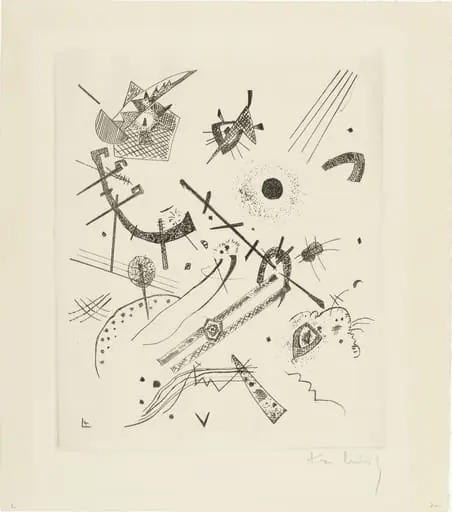
The composition contrasts delicate, fluid shapes with jagged, rigid structures, suggesting a fragile equilibrium between creation and collapse. Organic forms—resembling seeds, cells, or celestial bodies—float amid fractured lines and angular voids. The limited palette, punctuated by isolated hues, implies moments of resilience within chaos. The work does not narrate a specific event but evokes the psychological tension of its historical moment, shaped by war and existential uncertainty.
Technique & Style
Klee employed lithography to achieve fine, spontaneous lines, then added watercolor washes for subtle tonal shifts. His brushwork is rapid and layered, creating dense networks of intersecting strokes that resist clear definition. Shapes appear provisional, as if drawn in motion: circles, triangles, and ovals overlap ambiguously. The use of color is deliberate yet restrained, with isolated patches of blue, green, red, and yellow acting as visual anchors amid the chaos.
History & Provenance
Created during Klee’s time in Munich, the work emerged amid his involvement with the Blaue Reiter group and his growing reputation as a theorist of form. It was made shortly before his teaching appointment at the Bauhaus, reflecting his transitional phase between figurative experimentation and abstract synthesis. The print’s early provenance is tied to German avant-garde circles, though specific ownership records from this period remain sparse.
Context
In 1916, Europe was entrenched in World War I, and artists across Germany and Switzerland grappled with the collapse of pre-war certainties. Klee, serving briefly in the military, turned to art as a space for internal reckoning. His work during this period moved away from narrative toward symbolic abstraction, influenced by his study of children’s drawings, non-Western art, and theosophical ideas about hidden structures in nature.
Legacy
This print exemplifies Klee’s enduring contribution to modern art: the elevation of the sketch as a site of philosophical inquiry. His integration of line, color, and symbolic form influenced later generations of abstract and conceptual artists. Though not widely exhibited in his lifetime, *Hope and Destruction* remains a key example of how personal vision could articulate collective anxiety through non-representational means.
Artist & collection
Artist
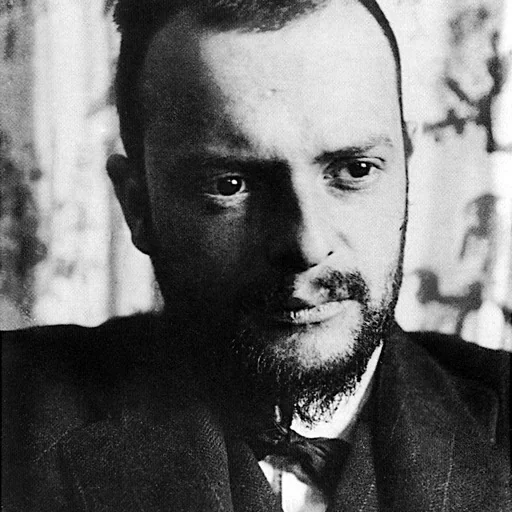
Paul Klee (German: ; 18 December 1879 – 29 June 1940) was a Swiss-born German artist.