Artwork
Untitled
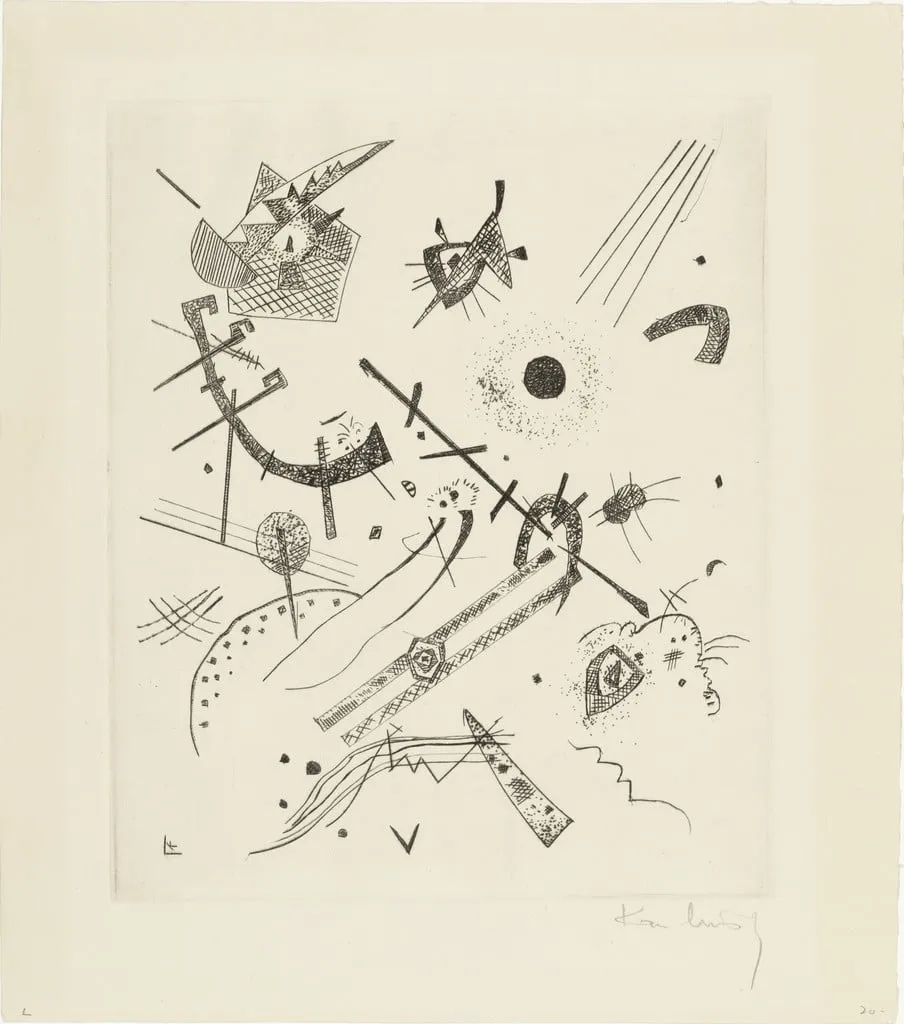
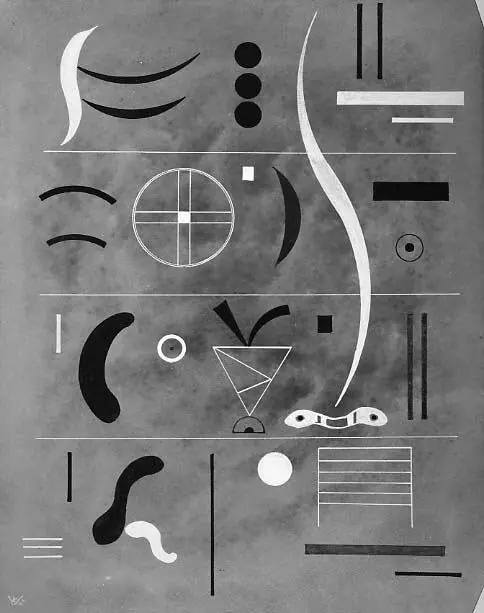
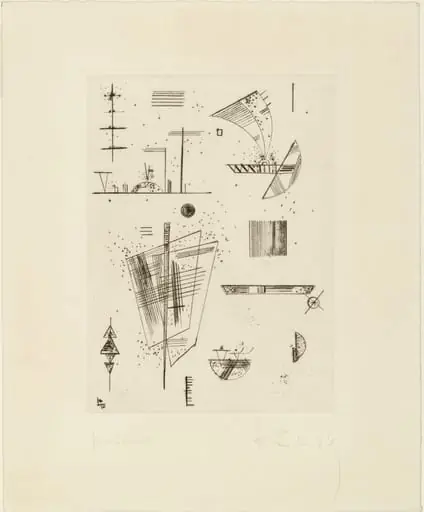
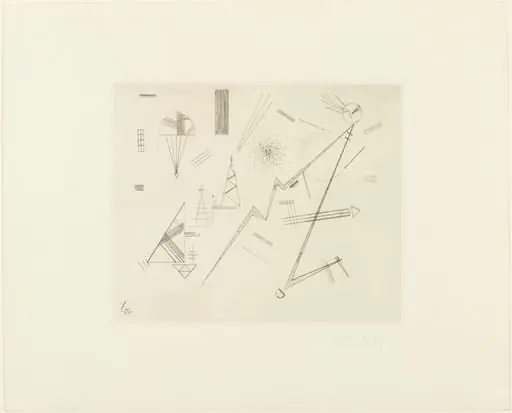
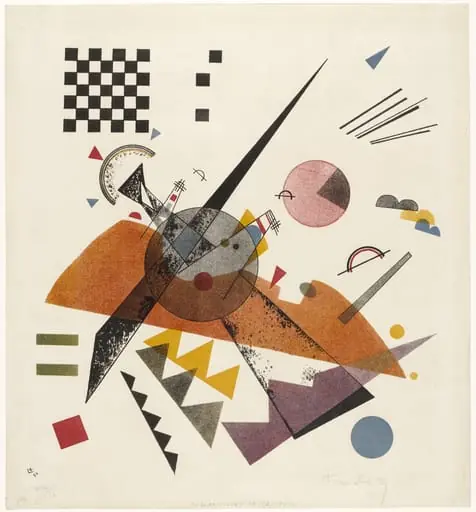
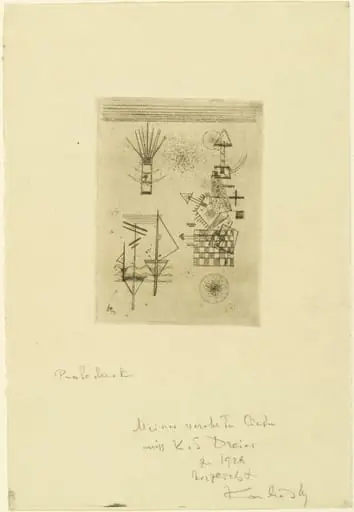
Untitled is an ink print by Wassily Kandinsky. It dates from 1922 and is held in the collection of the Museum of Modern Art.
About this work
Overview
The work belongs to a period when Kandinsky was refining his abstract visual language, moving away from representational forms toward non-objective composition.
Created in 1922, this drypoint is one of twelve prints in a portfolio by Vasily Kandinsky, combining multiple printmaking methods including lithography and woodcut. The work belongs to a period when Kandinsky was refining his abstract visual language, moving away from representational forms toward non-objective composition. Its texture and line quality reflect the tactile nature of drypoint, a technique that emphasizes direct, manual intervention on the plate.
Subject & Meaning
No recognizable subject emerges in the composition. Instead, the image consists of fragmented lines, irregular dots, and angular marks that suggest movement or structural tension without depicting specific objects. Kandinsky intended these forms to evoke emotional and spiritual resonance rather than narrative content, aligning with his belief that abstraction could communicate inner experience beyond the visible world.
Technique & Style
Drypoint was employed to scratch lines directly into a metal plate, creating a burr that holds ink and produces a soft, grainy edge when printed. The resulting texture is rough and intimate, contrasting with the smoother tones of lithography in the same portfolio. Kandinsky’s use of dense, overlapping strokes and abrupt shifts in line weight conveys a sense of rhythmic energy, characteristic of his early abstract phase.
History & Provenance
The portfolio was produced during Kandinsky’s tenure at the Bauhaus in Weimar, where he taught and experimented with print media alongside his painting. These works were likely made for limited distribution, intended to explore the possibilities of print as a medium for abstraction. The portfolio’s mixed techniques reflect his interest in cross-medium experimentation during this productive period.
Context
In the early 1920s, Kandinsky was deeply engaged with the theoretical foundations of abstraction, influenced by his writings on art’s spiritual dimension and the formal innovations of Russian Constructivism. His prints from this time respond to broader modernist inquiries into form, materiality, and the autonomy of visual elements, positioning him at the intersection of artistic practice and pedagogical reform in postwar Europe.
Legacy
This print contributes to a body of work that helped establish printmaking as a legitimate medium for abstract expression. Kandinsky’s integration of drypoint into his broader visual language demonstrated that non-representational art could be effectively realized in multiples, influencing later generations of printmakers who sought to break from traditional subject matter.
Artist & collection
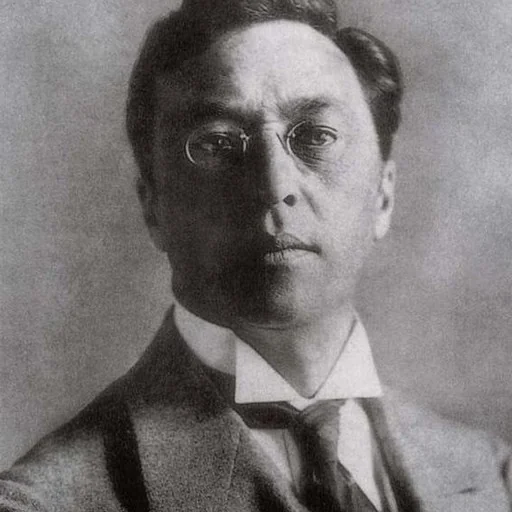
Artist
Wassily Wassilyevich Kandinsky (16 December 1866 – 13 December 1944) was a Russian painter and art theorist active in Germany during the late Belle Époque and Interwar eras.