Artwork
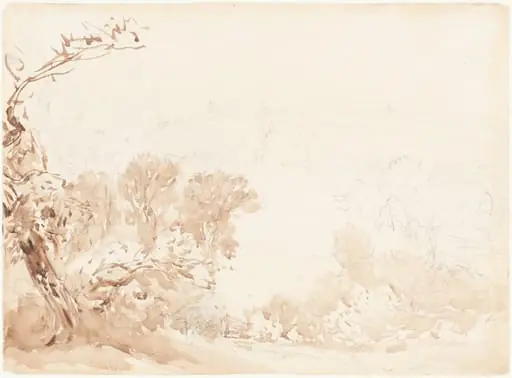
Forest Edge on a Brilliant Day
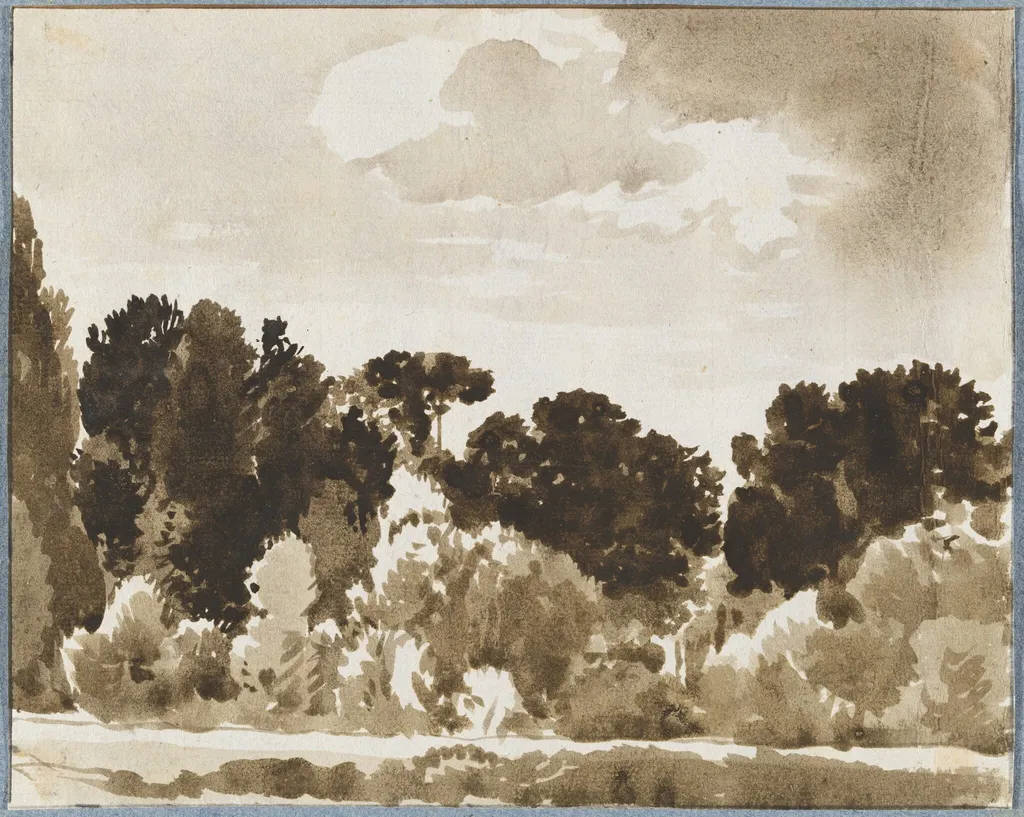
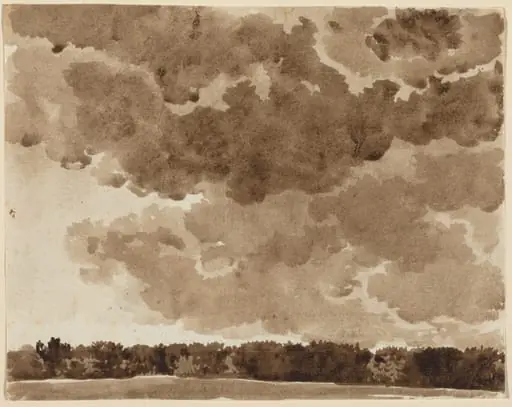
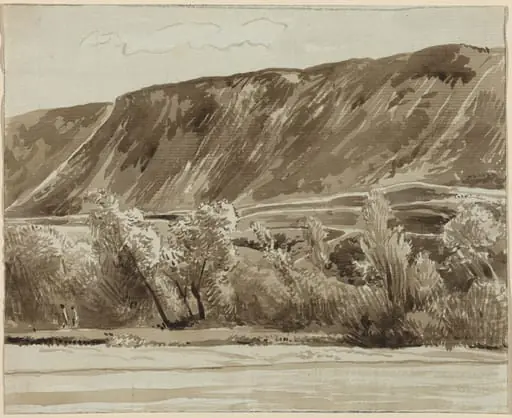
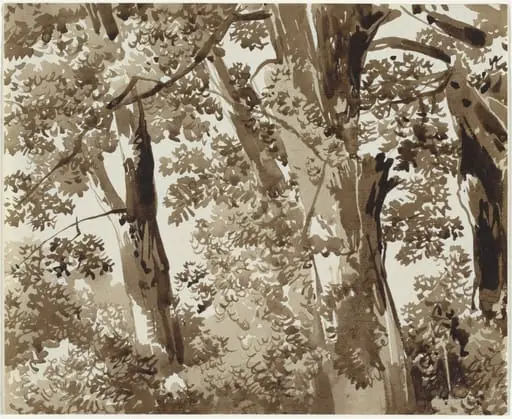
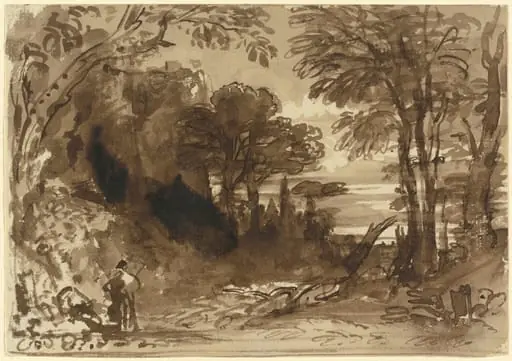
Forest Edge on a Brilliant Day is a paint drawing by the Baroque artist Franz Innocenz Josef Kobell. It dates from 1800 and is held in the collection of the National Gallery of Art.
About this work
The artist used a brush with brown and gray wash on laid paper to create this work, which is a landscape.
The painting is called Forest Edge on a Brilliant Day.
It was made by Franz Innocenz Josef Kobell around 1800.
The artist used a brush with brown and gray wash on laid paper to create this work, which is a landscape.
Kobell's use of brown and gray wash gives the painting a sense of depth and texture.
This technique is interesting because it allows for subtle variations in tone and value.
You can learn more about similar artwork at the movement: Baroque.
Overview
Forest Edge on a Brilliant Day is a landscape drawing executed around the turn of the 19th century by Finnish artist Franz Innocenz Josef Kobell. Rendered with a brush using brown and gray washes on laid paper, the image is affixed to an album sheet, presenting a quiet view of a forest margin under bright daylight.
Subject & Meaning
The composition captures the edge of a woodland bathed in clear, luminous sky. By focusing on the transition between dense trees and open space, Kobell emphasizes the interplay of light and shadow, inviting contemplation of nature’s tranquil expanses.
Technique & Style
Kobell applied diluted brown and gray pigments in layered washes, allowing subtle tonal shifts that convey depth and atmospheric perspective. The use of laid paper, with its ribbed texture, enhances the drawing’s tactile quality and supports the delicate gradations characteristic of early 19th‑century landscape studies.
History & Provenance
Created circa 1800, the work reflects Kobell’s practice of producing field sketches for later studio compositions. It is mounted on an album sheet, a common method for preserving drawings in personal collections of the period, though specific ownership records are not documented.
Context
During the early 1800s, Scandinavian artists increasingly turned to direct observation of local scenery, moving away from idealized classical motifs. Kobell’s focus on a realistic forest edge aligns with this shift toward naturalism in regional landscape art.
Own this work as a print
Artist & collection