Artwork
Chinaman
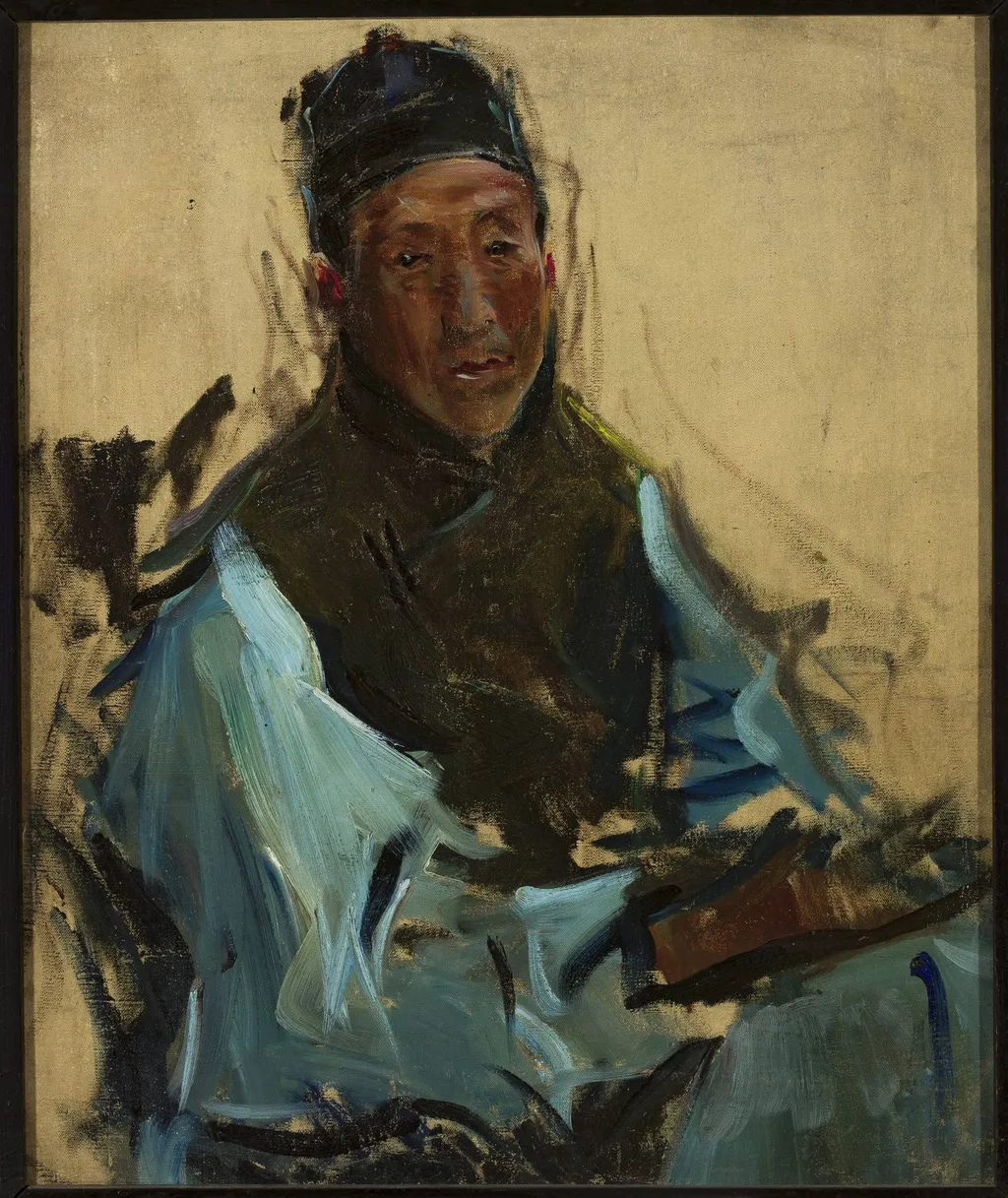
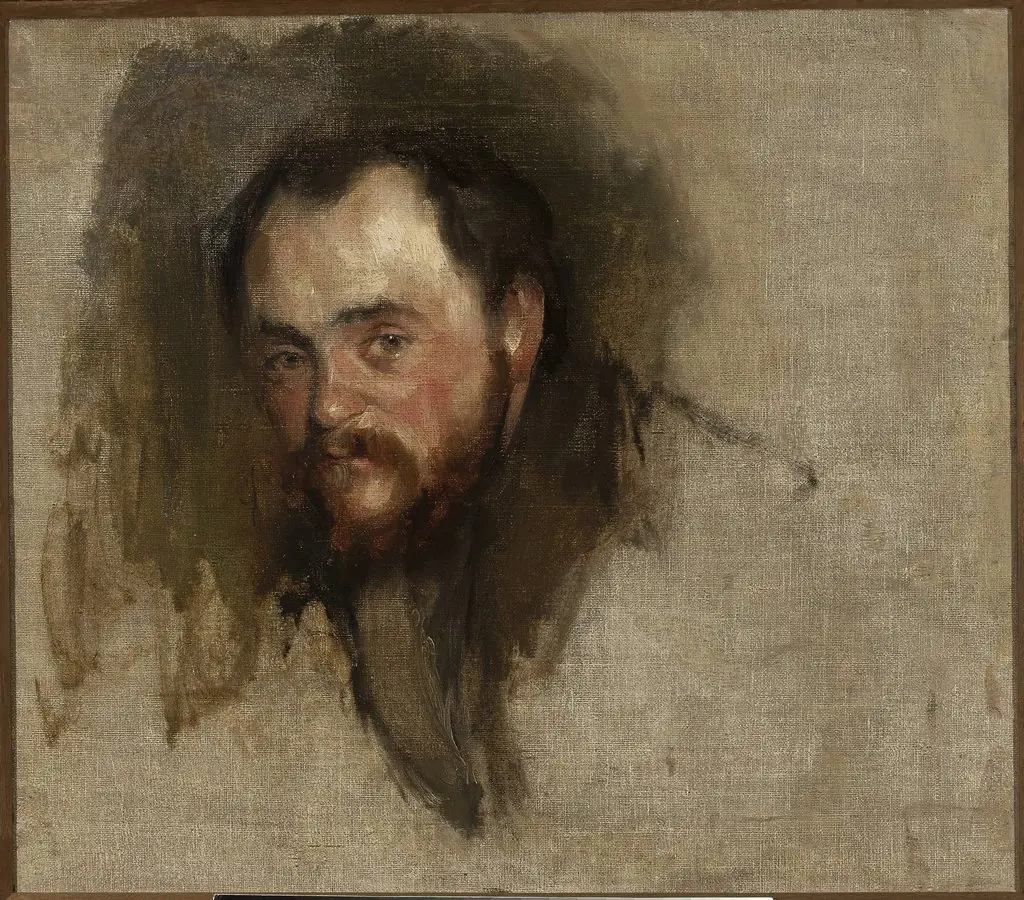
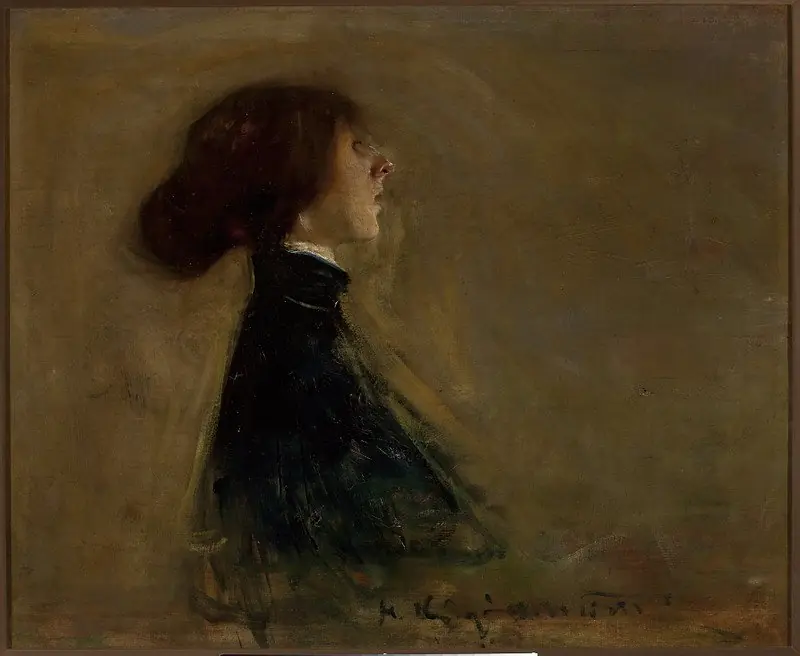
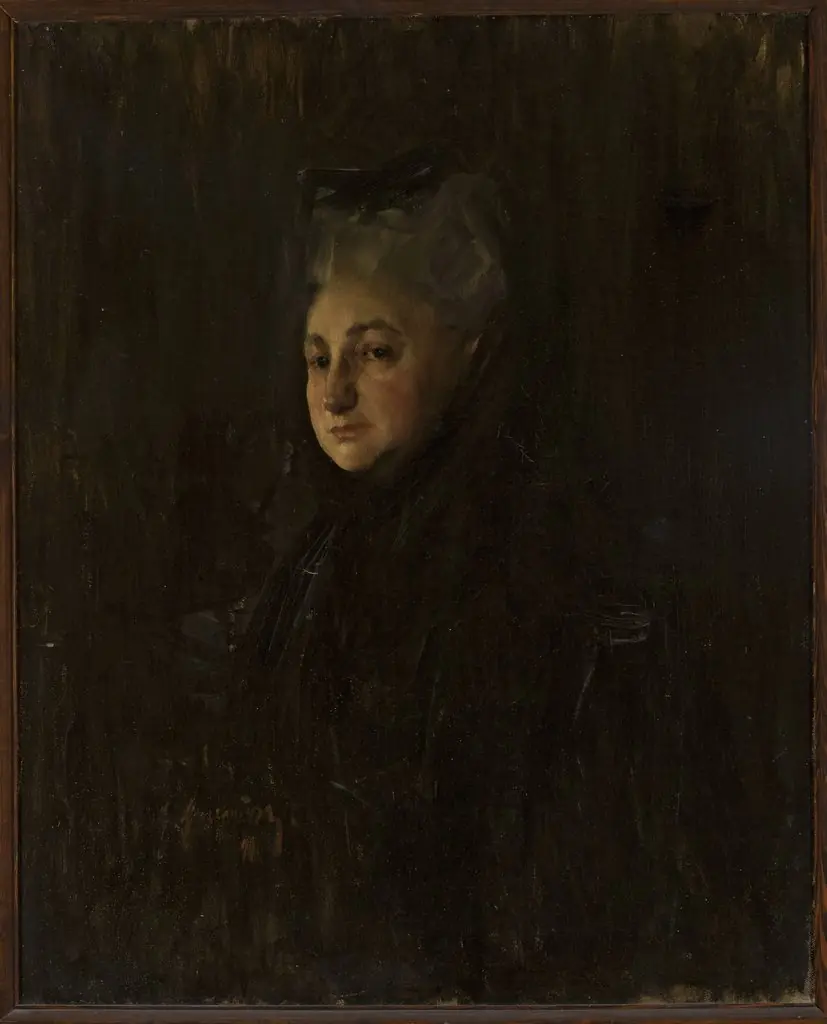
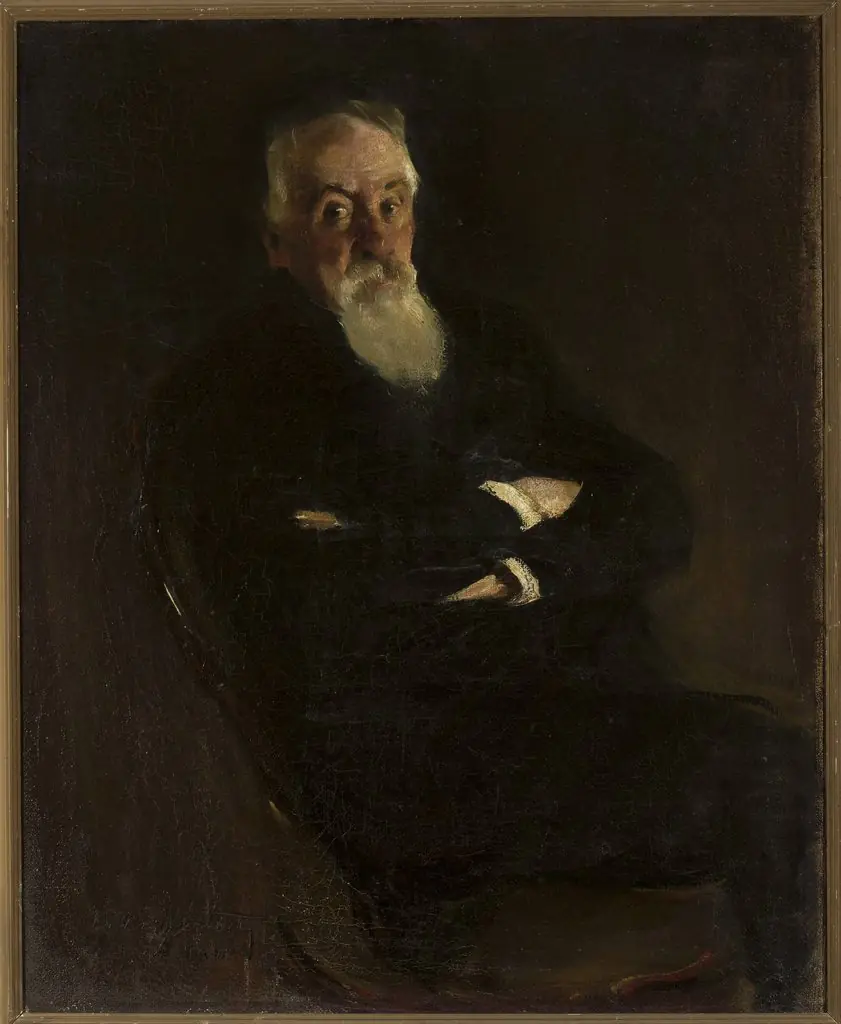
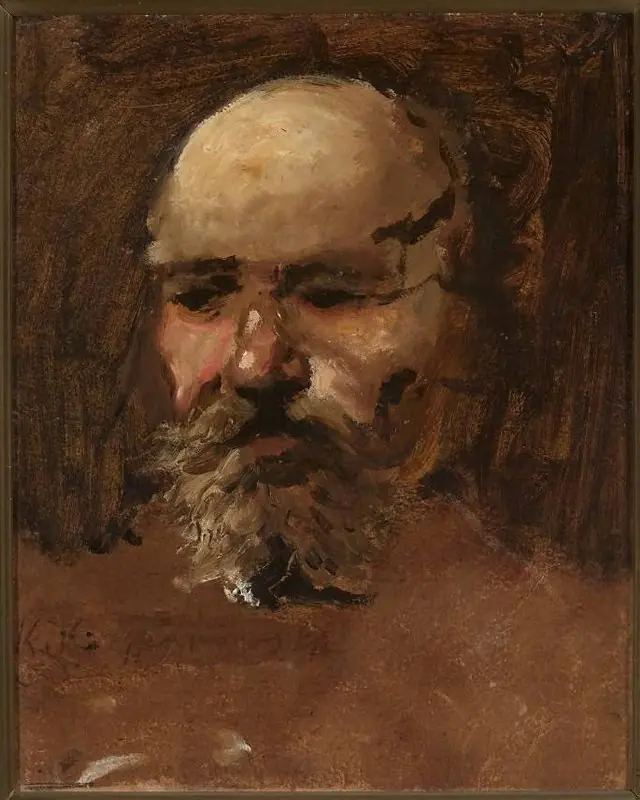
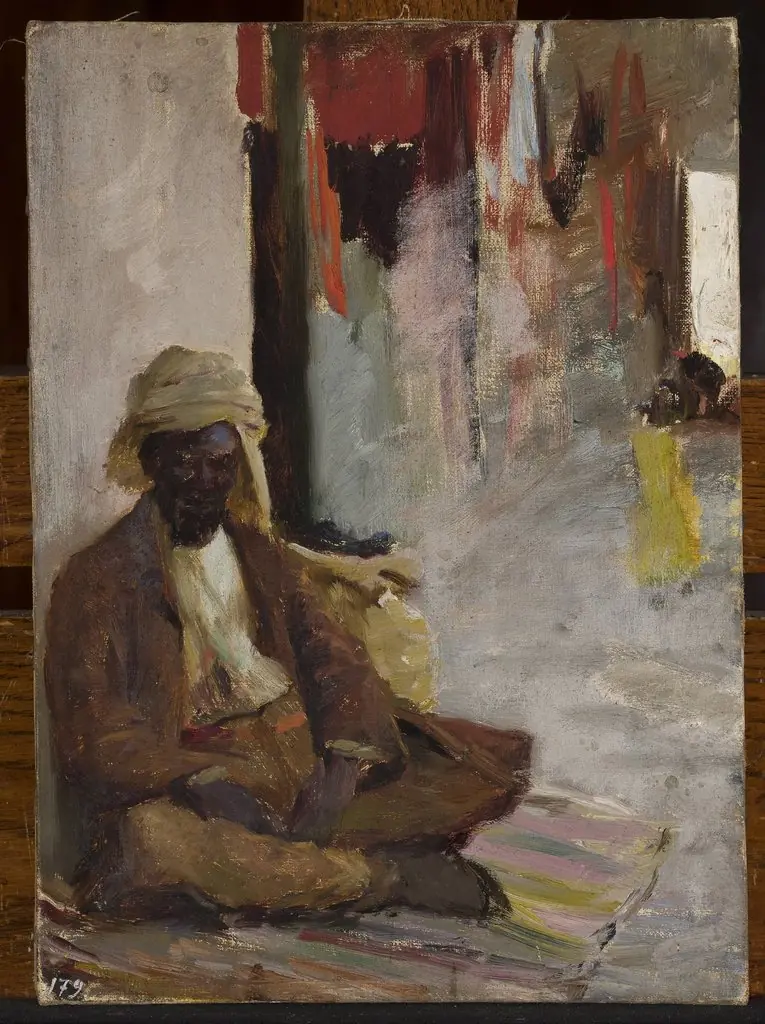
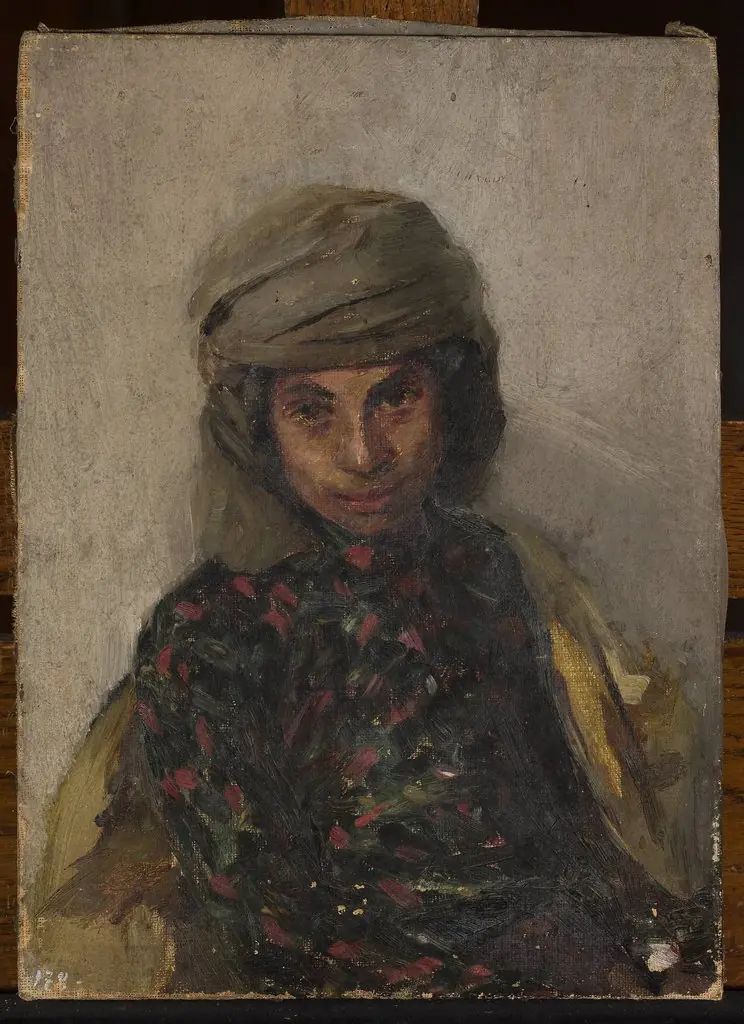
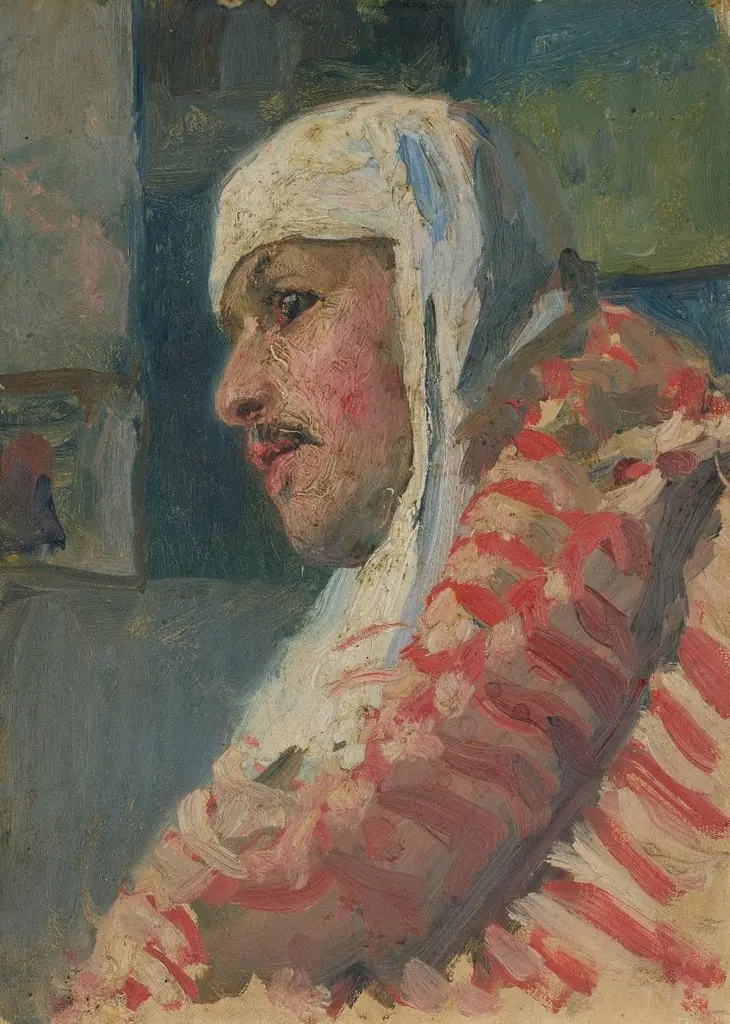
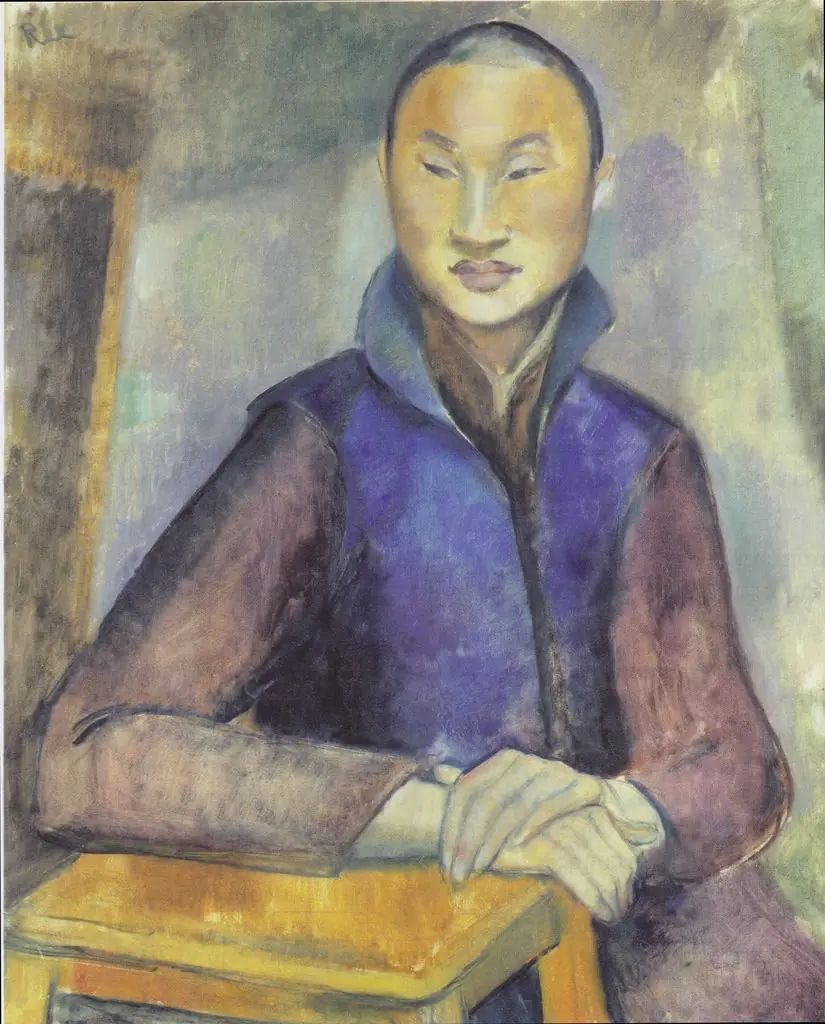
Chinaman is an oil painting by the Realist artist Konrad Krzyżanowski. It dates from 1903 and is held in the collection of the National Museum in Warsaw.
About this work
Overview
The painting resides in the National Museum in Warsaw, where it stands as one of his more restrained portraits, emphasizing presence over narrative.
Created in 1903 by Polish artist Konrad Krzyżanowski, *Chinaman* is an oil painting that captures a solitary male figure in quiet stillness. Though Krzyżanowski is associated with early Expressionism, this work leans toward realism in its direct representation. The painting resides in the National Museum in Warsaw, where it stands as one of his more restrained portraits, emphasizing presence over narrative.
Subject & Meaning
The subject is a man dressed in a dark robe and black hat, his light undergarment contrasting subtly against the warm beige background. His gaze meets the viewer with calm neutrality, inviting observation without emotional cue. The lack of contextual detail—no setting, no props—focuses attention on the individual’s demeanor, suggesting an interest in human presence rather than cultural stereotype.
Technique & Style
Krzyżanowski applied oil paint with loose, textured brushwork, particularly in the face, where strokes convey form without fine detail. The background remains flat and uniform, allowing the figure to emerge through tonal variation. Light and shadow are handled with subtle gradation, creating volume without dramatic chiaroscuro. The technique prioritizes tactile surface and quiet observation over theatrical effect.
History & Provenance
Painted in 1903, *Chinaman* entered the collection of the National Museum in Warsaw, where it has remained since. Krzyżanowski, active in the early 20th century, was known for portraits and illustrations, often exploring psychological depth. While the painting’s commission or original context is undocumented, its preservation in a national institution reflects its recognition as a significant example of his portraiture.
Context
In early 1900s Europe, depictions of non-European figures often carried exoticizing tendencies. Krzyżanowski’s approach avoids overt stereotyping, presenting the subject with dignity and ambiguity. His work coincided with broader artistic shifts toward individual expression, yet *Chinaman* resists the emotional intensity of Expressionism, instead aligning with a more contemplative, observational mode common in regional portraiture.
Legacy
Though not widely reproduced, *Chinaman* remains a quiet anchor in Krzyżanowski’s oeuvre, illustrating his ability to convey psychological presence through restrained technique. It contributes to discussions of early Polish modernism and the nuanced portrayal of difference in art of the period. Its endurance in a major national collection underscores its role as a thoughtful, unembellished study of the human figure.
Artist & collection
Artist
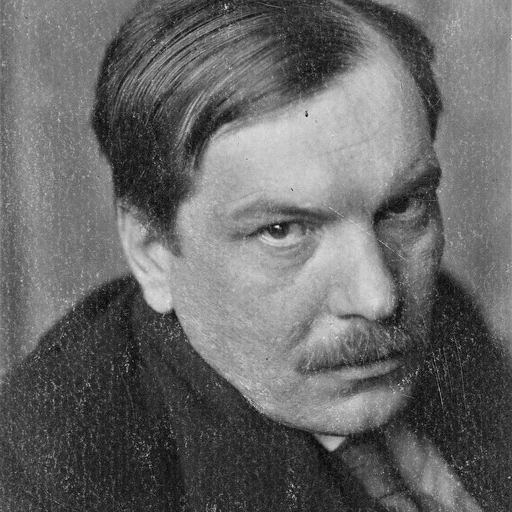
Konrad Krzyżanowski (15 February 1872 – 25 May 1922) was a Polish illustrator and painter, primarily of portraits, who was considered to be an early exponent of Expressionism.