Artwork
Untitled
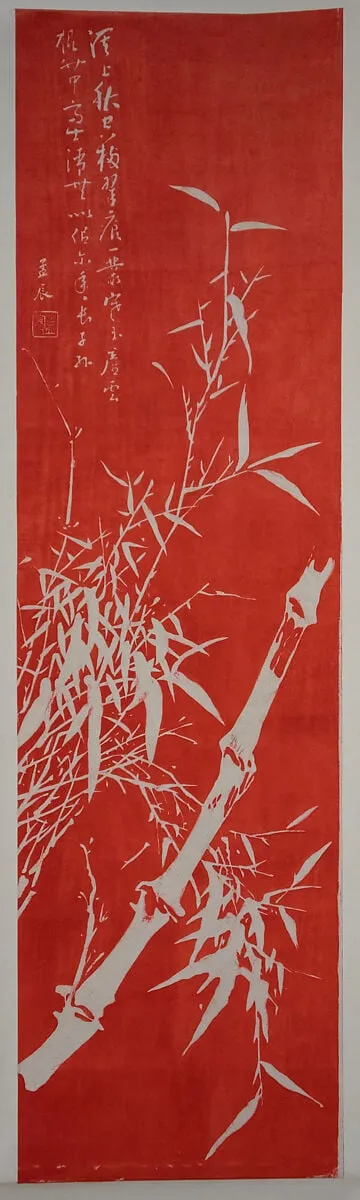
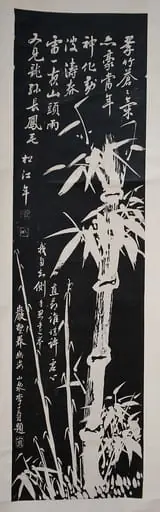
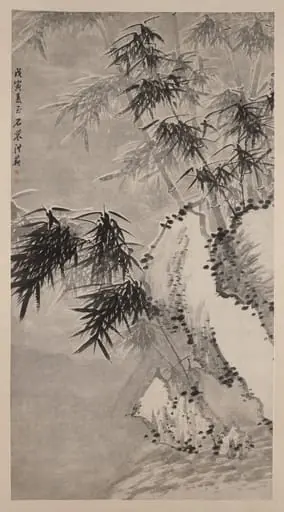
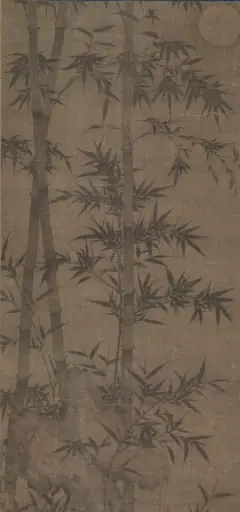
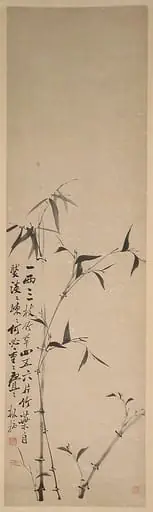
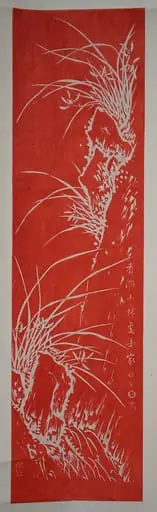
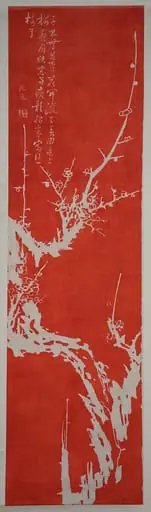
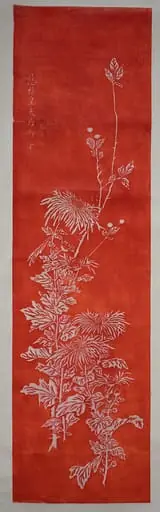
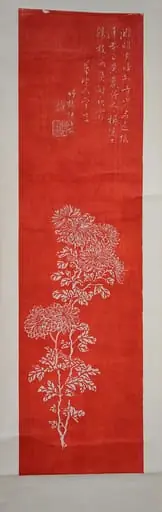
Untitled is an ink print by Kuang Xü|Meng Zhen. It dates from 1922 and is held in the collection of the Metropolitan Museum of Art. Created in 1922 by Kuang Xü, this hanging scroll is a polychrome woodblock print executed with ink and color on paper.
About this work
You see a tall, narrow scroll with bright colors: a woman in a long blue robe stands under a flowering tree, holding a fan.
You see a tall, narrow scroll with bright colors: a woman in a long blue robe stands under a flowering tree, holding a fan.
This print was made in 1922, when China was printing colorful pictures like this for everyday homes, not just palaces. The artist used a woodblock—carved like a stamp—to layer colors one by one, so each copy looks fresh.
To see more prints like this, look up the subject china.
Overview
Created in 1922 by Kuang Xü, this hanging scroll is a polychrome woodblock print executed with ink and color on paper. The work is part of the collection of the Metropolitan Museum of Art and is catalogued simply as Untitled.
Subject & Meaning
The narrow vertical composition depicts a solitary woman dressed in a flowing blue robe, positioned beneath a blossoming tree. She holds a fan, a gesture that suggests a moment of quiet contemplation or seasonal ritual, though no explicit narrative is provided.
Technique & Style
Kuang Xü employed traditional woodblock carving, carving separate blocks for each hue and applying them sequentially. The layered printing process yields vivid, saturated colors and a crisp delineation of forms, characteristic of early twentieth‑century Chinese popular prints.
History & Provenance
The print originates from a period when Chinese artisans produced colorful woodblock images for domestic interiors rather than exclusively for courtly patronage. It entered the Metropolitan Museum of Art’s collection through acquisition, though the precise path of ownership prior to the museum is not recorded.
Context
In the early 1920s, China experienced a revival of folk printing techniques, with artists like Kuang Xü adapting them for modern tastes. Such works were commonly displayed in homes, serving both decorative and didactic purposes, reflecting everyday aesthetic preferences of the era.
Artist & collection