Artwork
Untitled
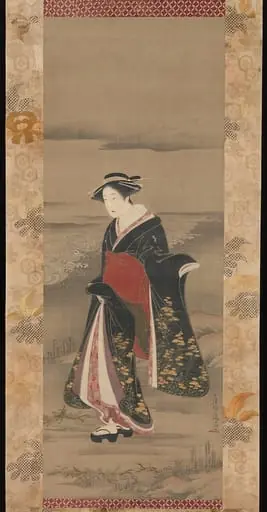
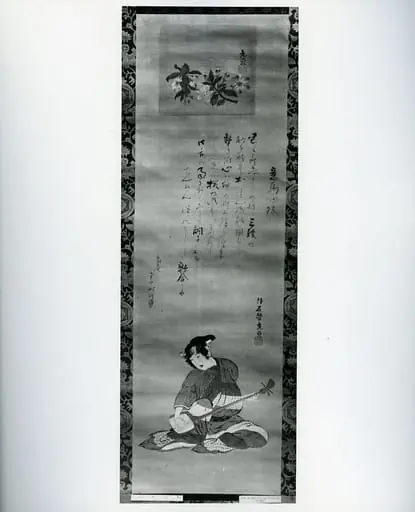
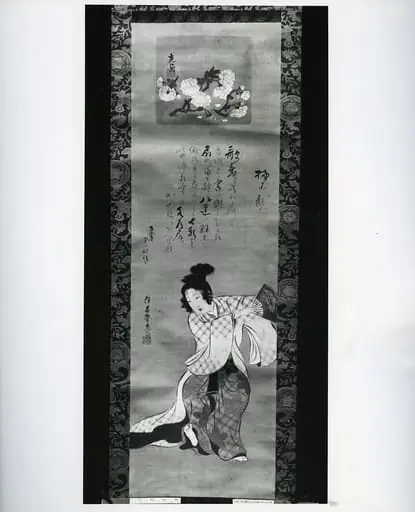
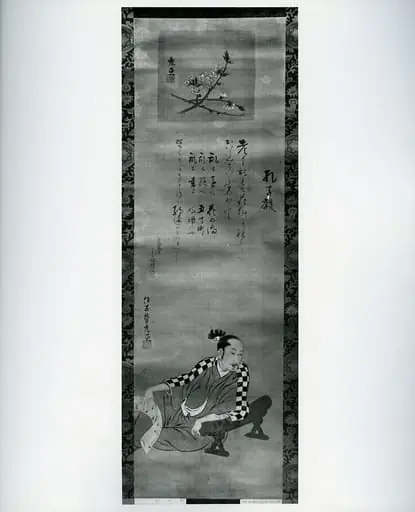
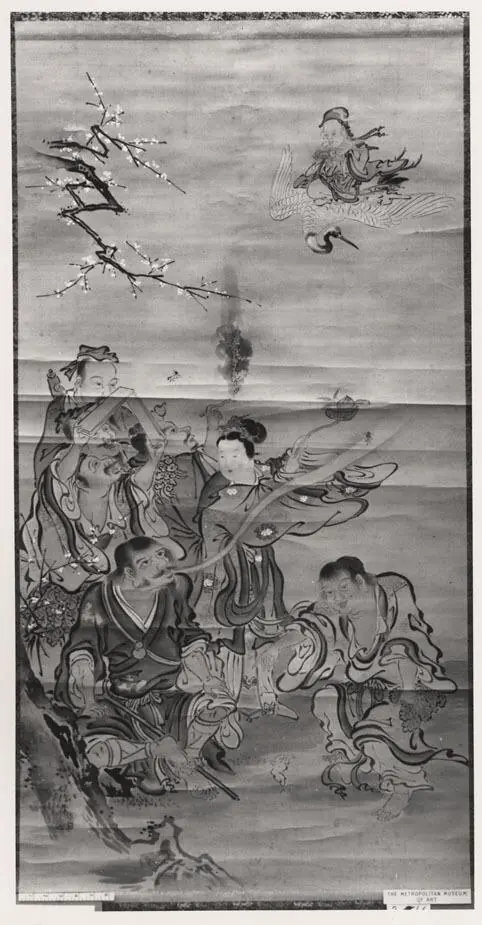
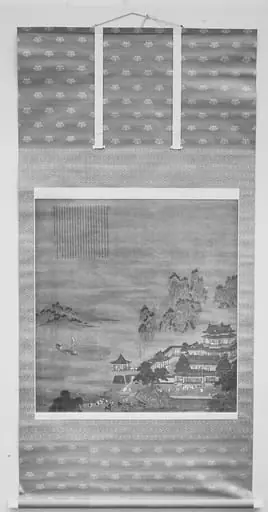
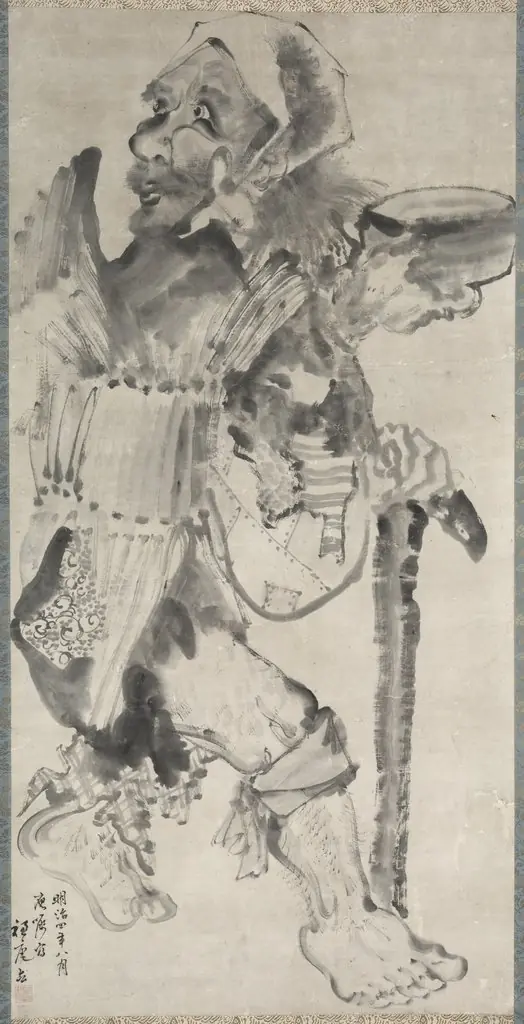
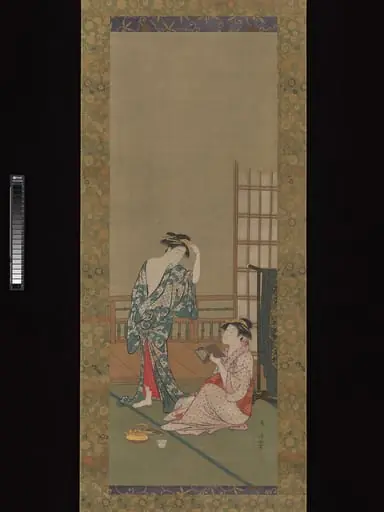
Untitled is an ink painting by the Baroque artist Kubo Shunman. It dates from 1780 and is held in the collection of the Metropolitan Museum of Art. Created in 1780, this ink and color work on silk presents an intimate portrait of a woman.
About this work
The ink lines are thin and sure, with small dabs of color that don’t cover the brushstrokes underneath.
A woman in a red robe sits on the floor, her back to us. She holds a fan and looks over her shoulder, as if someone just called her name. The room is empty except for a low table and a scroll on the wall.
Shunman painted this in 1780, when most artists showed women facing forward. The twist of her body feels quick, like a snapshot. The ink lines are thin and sure, with small dabs of color that don’t cover the brushstrokes underneath.
To see how other Japanese artists drew women in private moments, look up *women, japan, woman*.
Overview
Created in 1780, this ink and color work on silk presents an intimate portrait of a woman. She is seated on the floor, turned away from the viewer, her back draped in a vivid red robe. A fan rests in her hand as she glances over her shoulder, suggesting a moment of sudden attention. The setting is sparse, limited to a low table and a hanging scroll.
Subject & Meaning
The figure’s pose captures a private, fleeting instant, contrasting with the more formal, frontal depictions common in the period. Her sideways glance and the delicate handling of the fan imply a response to an unseen call, inviting contemplation of personal narrative and the subtle dynamics of presence and absence within domestic space.
Technique & Style
Shunman employs fine, confident ink lines that define the figure’s contours, while the applied color consists of small, translucent dabs that allow the underlying brushwork to remain visible. This restrained palette and the swift, snapshot-like composition reflect a departure from conventional, fully rendered portraiture, emphasizing immediacy and the suggestion of movement.
History & Provenance
The painting originates from the late Edo period, a time when Japanese artists began experimenting with more informal representations of women. Though specific ownership records are scarce, the work is attributed to Kubo Shunman, a noted ukiyo-e painter and illustrator active during the mid‑to‑late 18th century.
Context
During the 1780s, most Japanese portraiture presented women in direct, forward-facing poses, reinforcing idealized beauty standards. Shunman’s choice to depict a turned, momentary gesture aligns with a broader, albeit limited, trend toward capturing candid, everyday scenes, offering insight into evolving aesthetic interests of the period.
Artist & collection