Artwork
Hototogisu
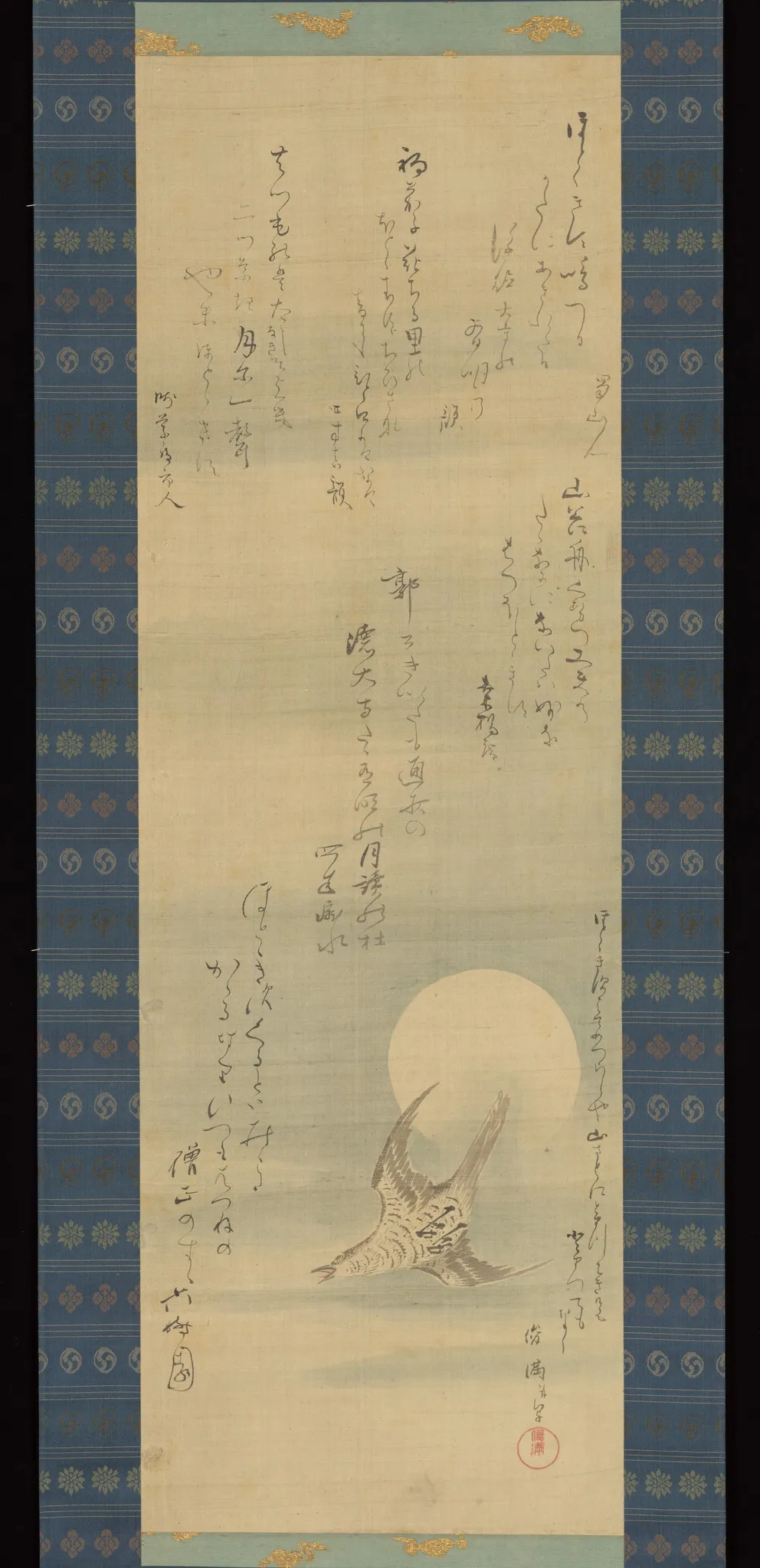
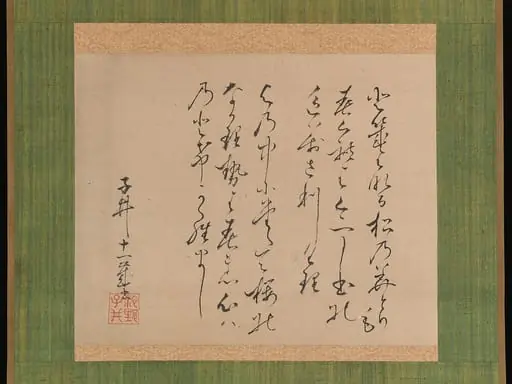
Hototogisu is an unspecified painting by the Ukiyo-e artist Kubo Shunman. It dates from 1810 and is held in the collection of the Metropolitan Museum of Art.
About this work
Overview
The composition features a solitary bird captured in the act of flight, set against a light, almost washed‑out background.
Hototogisu, a painted work dated to 1810, is part of the collection of the Metropolitan Museum of Art. The composition features a solitary bird captured in the act of flight, set against a light, almost washed‑out background. A luminous moon hovers above, casting a subtle glow that isolates the figure. The paper’s perimeter is framed by a dark border decorated with repeating motifs in gold, blue and white.
Subject & Meaning
The central figure is a night‑cuckoo, a bird traditionally associated with the arrival of spring and the fleeting nature of time in Japanese symbolism. Its outstretched wings and fanned tail convey a moment of swift movement, while the moon’s presence suggests nocturnal activity and perhaps a contemplative mood, inviting viewers to consider transience and the quiet drama of night.
Technique & Style
Kubo Shunman employs restrained line work and delicate gradations of tone to suggest motion without heavy detailing. The bird’s form is rendered through thin, confident strokes, while soft shading imparts a sense of volume. The luminous moon is treated almost as a spotlight, its brightness achieved through minimal pigment and careful use of negative space, characteristic of Edo‑period ukiyo‑e aesthetics.
History & Provenance
Created in the early nineteenth century, the painting reflects Shunman’s mature period when he was active as a painter and printmaker in Edo. It entered the Metropolitan Museum of Art’s holdings through a later acquisition, though the precise chain of ownership prior to its museum entry is not extensively documented in public records.
Context
The work belongs to a broader tradition of Japanese bird-and-flower paintings that celebrated natural subjects with poetic nuance. During the Edo era, such images often appeared in books, scrolls, and decorative objects, serving both as artistic expression and as carriers of cultural symbolism related to seasons and literary allusion.
Artist & collection


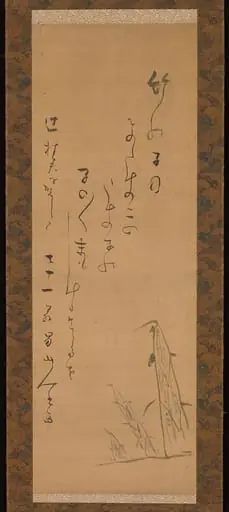 蜀山人(大田南畝)筆 筍図|Bamboo Shoots
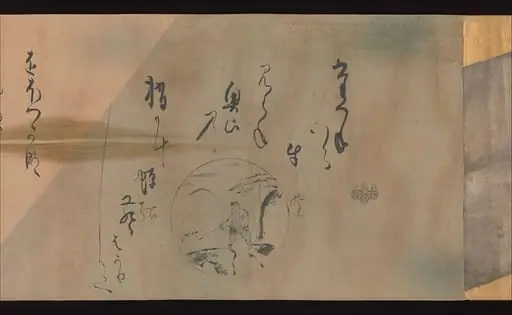 烏丸光広筆 十牛図歌賛図巻|Ten Oxherding Songs
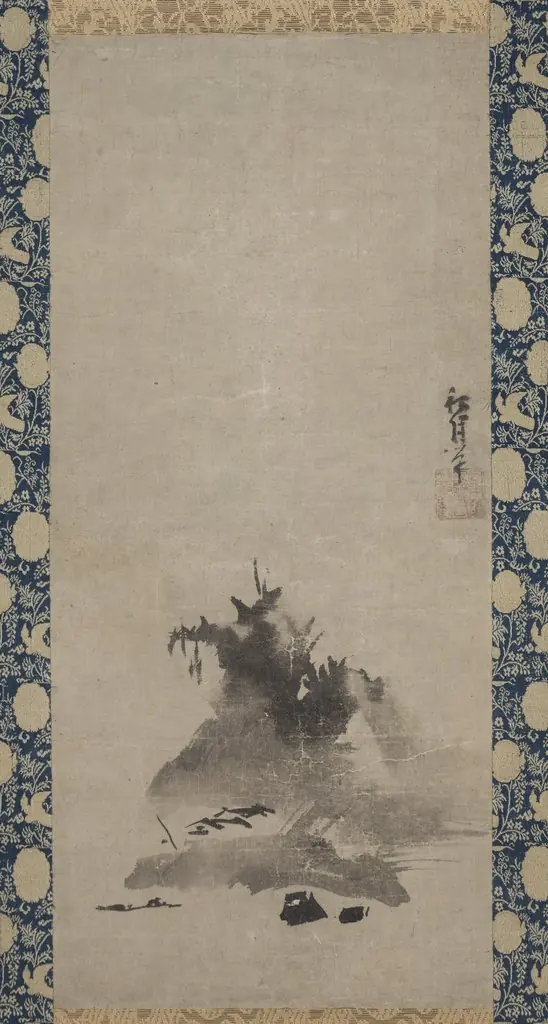 Haboku (Flung-ink) Landscape
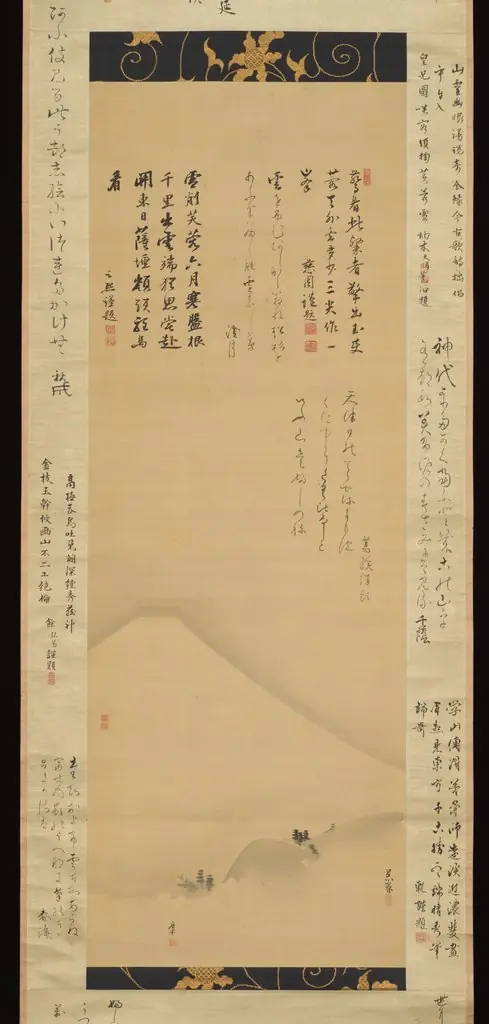 Gassaku: Mount Fuji 合作・富士山図 (Gassaku Fujisan zu)
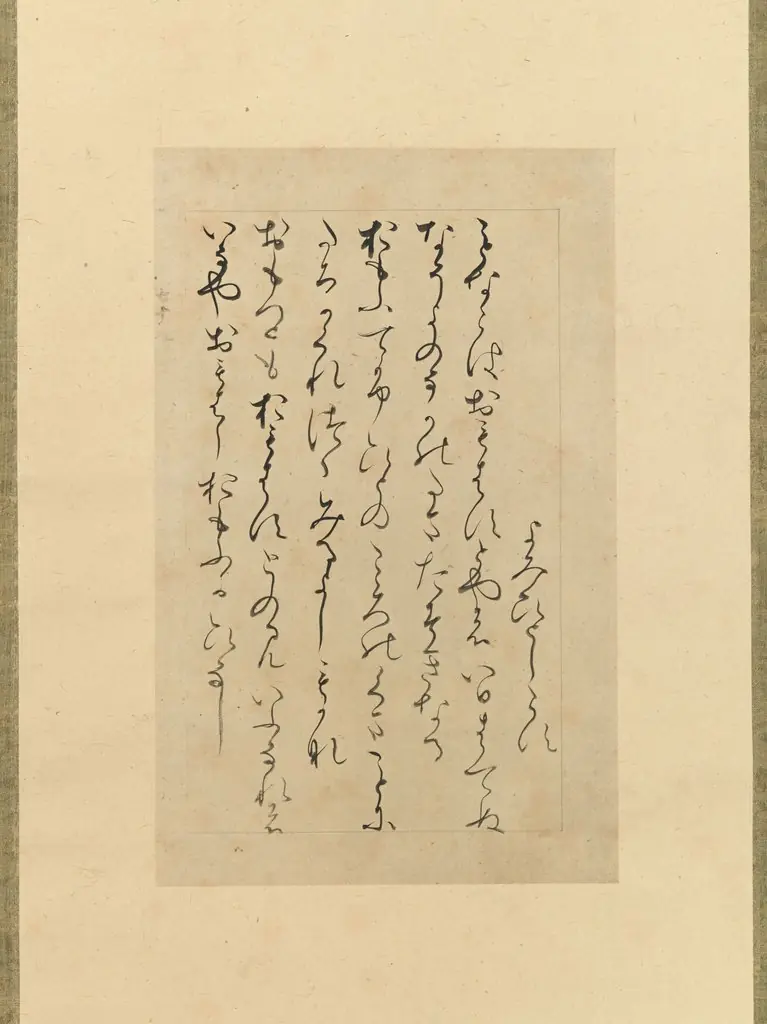 Three poems from the “Collection of Poems Ancient and Modern” (Kokin wakashū), known as the “Imaki Fragment” (Imaki-gire)
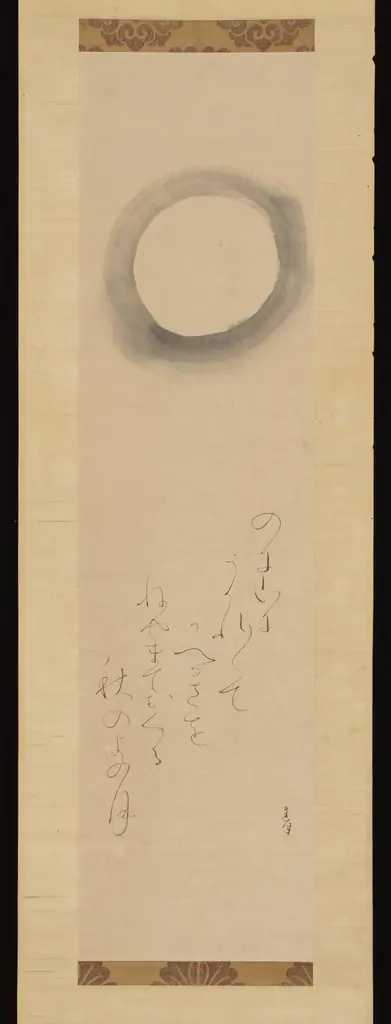 Waka Poem: “Across the fields and hills…”
 Untitled