Artwork
Nainen 1700-luvun puvussa (La Rêverie)
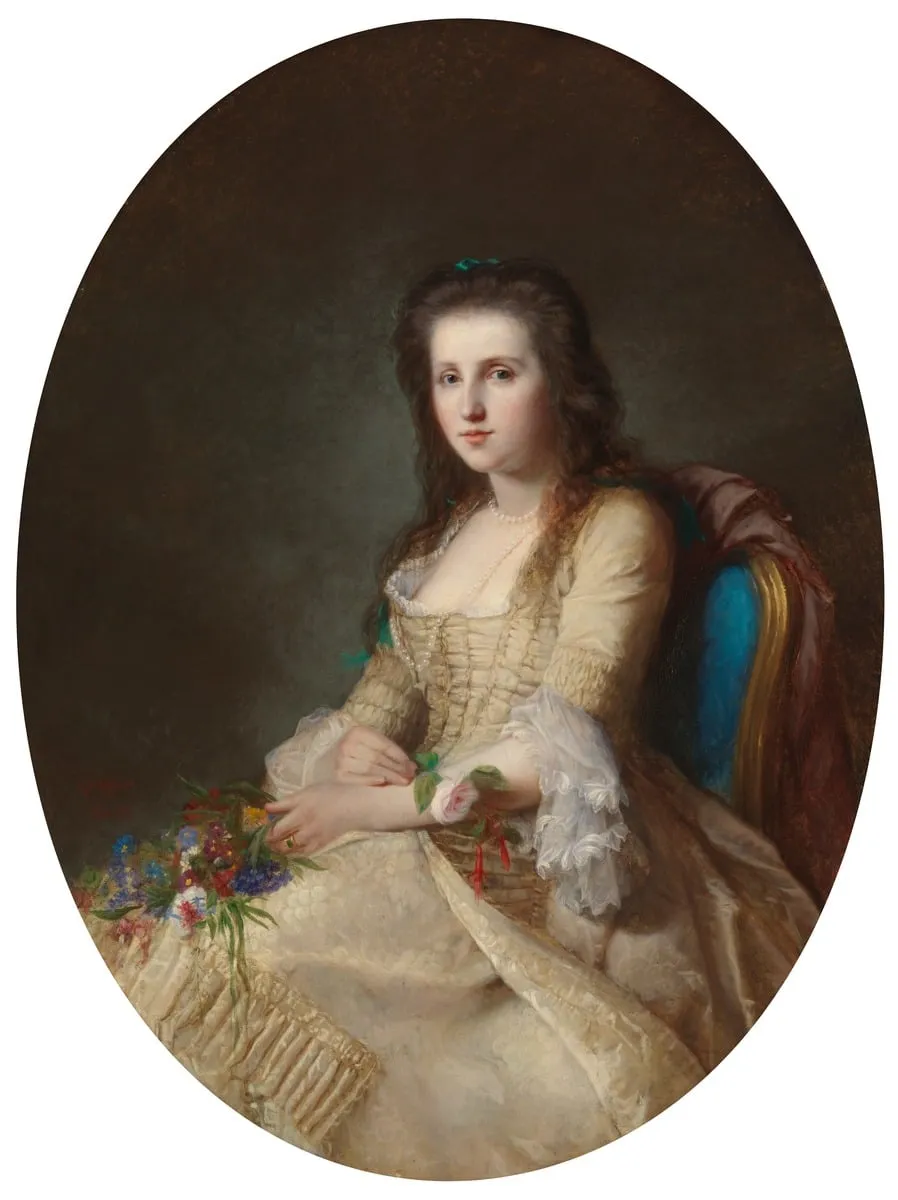
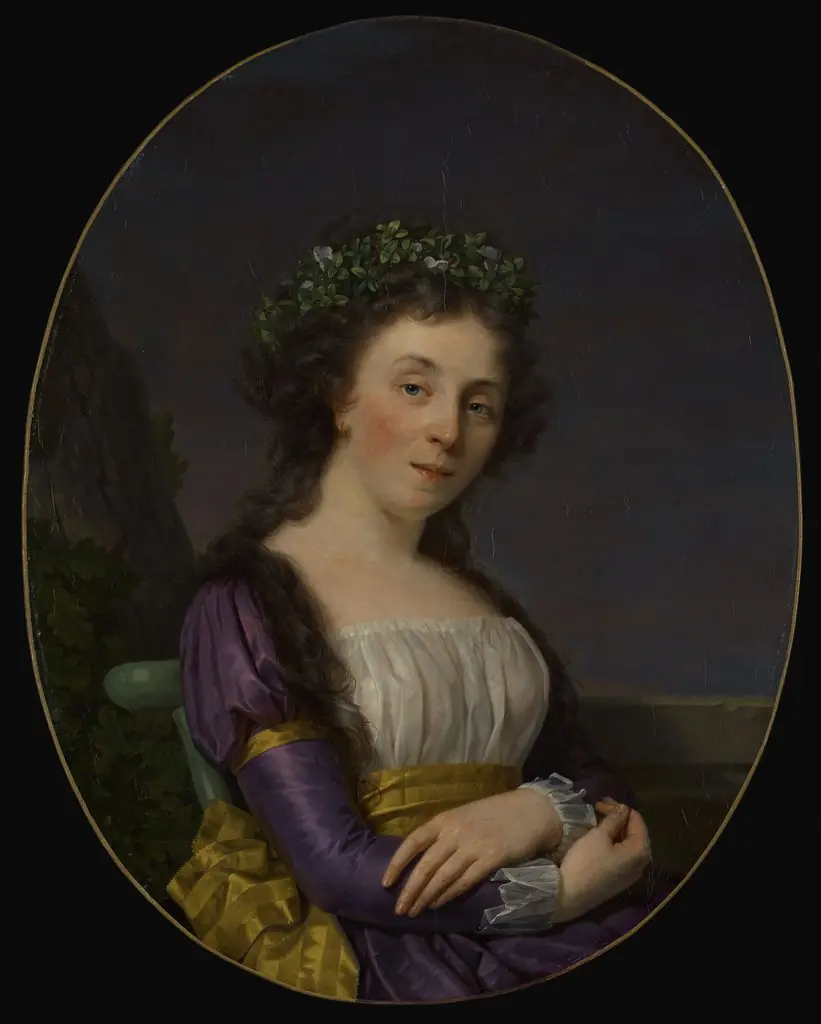
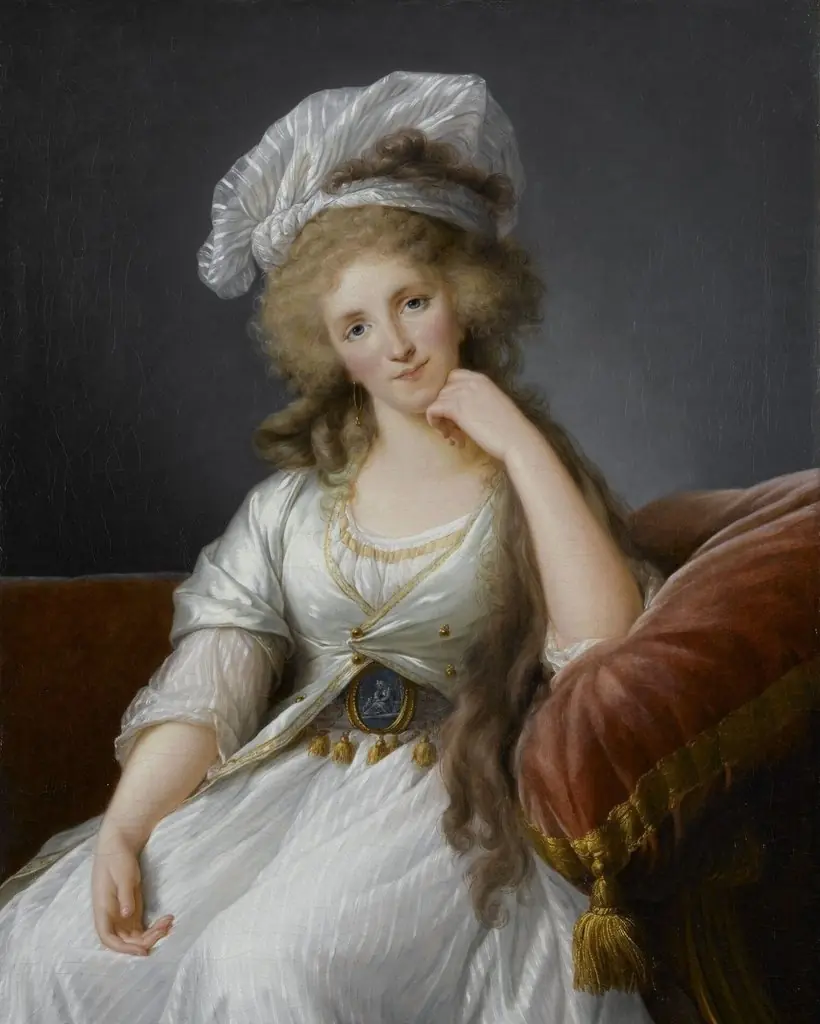
Nainen 1700-luvun puvussa (La Rêverie) is an unspecified painting by Erik Johan Löfgren. It is held in the collection of the Finnish National Gallery. This portrait portrays a woman seated in a quiet, introspective pose, dressed in an 18th-century gown.
About this work
The painting's use of chiaroscuro, a technique that uses strong contrasts between light and dark, adds depth and dimension to the scene.
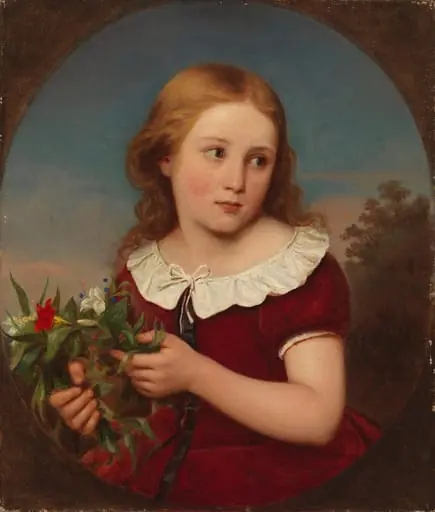
The painting depicts a woman seated in a chair, dressed in a 1700s-style dress. She has long brown hair and is adorned with a necklace and a bow in her hair. Her hands are clasped together, holding a bouquet of flowers. The background of the painting is dark, with the woman positioned in the center.
The woman's attire and hairstyle suggest that the painting is from the 18th century. The dark background and the woman's pose create a sense of intimacy and contemplation.
The painting's use of chiaroscuro, a technique that uses strong contrasts between light and dark, adds depth and dimension to the scene. If you're interested in learning more about this technique, you can explore the work of artists who have mastered chiaroscuro.
Overview
This portrait portrays a woman seated in a quiet, introspective pose, dressed in an 18th-century gown. The dark, unbroken background isolates her figure, drawing focus to her posture and attire. Her clasped hands hold a bouquet of flowers, and her hair is styled with a decorative bow. The lighting, sharply contrasted and directional, enhances the three-dimensionality of her form, suggesting a deliberate use of chiaroscuro to evoke mood rather than narrative.
Subject & Meaning
The woman’s stillness and the presence of flowers suggest a moment of private reflection, possibly mourning or reverie. The absence of identifiable objects or settings removes contextual clues, emphasizing emotional tone over identity. Her dignified posture and refined dress imply social standing, yet the intimacy of the scene invites interpretation as an inner state rather than a formal portrait.
Technique & Style
The artist employs chiaroscuro to model the figure with subtle gradations of light and shadow, lending volume to the fabric of the dress and the contours of the face. The dark background recedes completely, heightening the sense of solitude. Brushwork is restrained, favoring smooth transitions over texture, aligning with the refined aesthetic of late Baroque portraiture that prioritizes atmosphere over detail.
History & Provenance
The painting’s origin and early ownership remain undocumented. It is cataloged under the Finnish title 'Nainen 1700-luvun puvussa' and the French subtitle 'La Rêverie,' suggesting later attribution or reinterpretation. No record of the artist or commission has been verified, and its current location is not publicly confirmed in major institutional collections.
Context
Created during a period when portraiture increasingly favored emotional nuance over status display, this work reflects a broader shift toward intimate, psychologically suggestive imagery. Though not tied to a known school or artist, its style echoes contemporaneous French and Nordic portraits that used lighting and pose to convey inner life, diverging from rigid aristocratic conventions.
Legacy
The painting has not been widely exhibited or studied in academic circles. Its enduring appeal lies in its quiet resonance with themes of solitude and contemplation, resonating with modern viewers drawn to understated emotional expression. It remains a quiet example of 18th-century portraiture’s capacity to evoke mood without narrative exposition.
Artist & collection
Artist
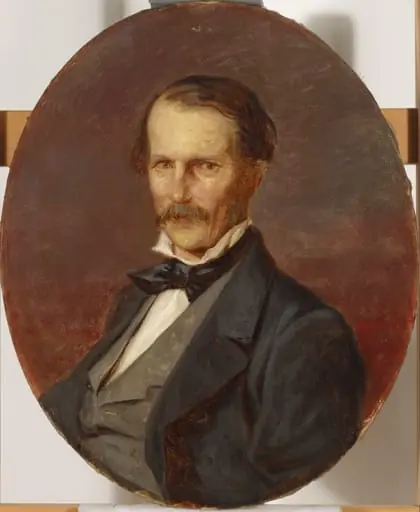
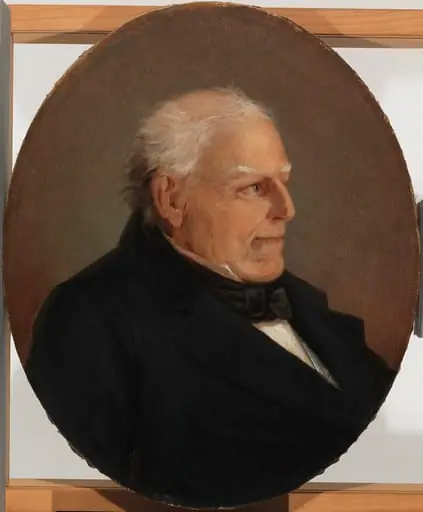
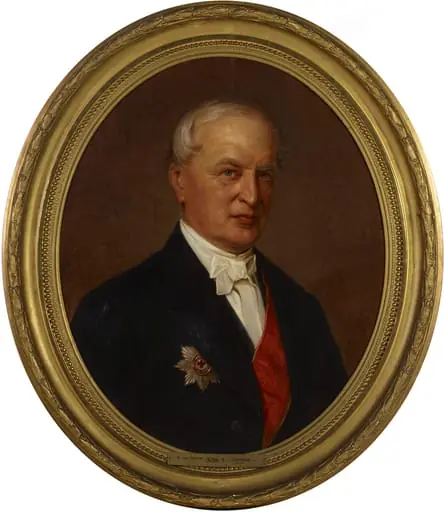
Erik Johan Löfgren painted quiet portraits of mid-1800s Finland. His brush captured Magnus von Wright, a Finnish naturalist, H. Rosenberg in his admiral’s coat, and Robert von Trapp in sober official dress. Another…

 Portrait of Marie-Louise Joubert, née Poulletier de Perigny
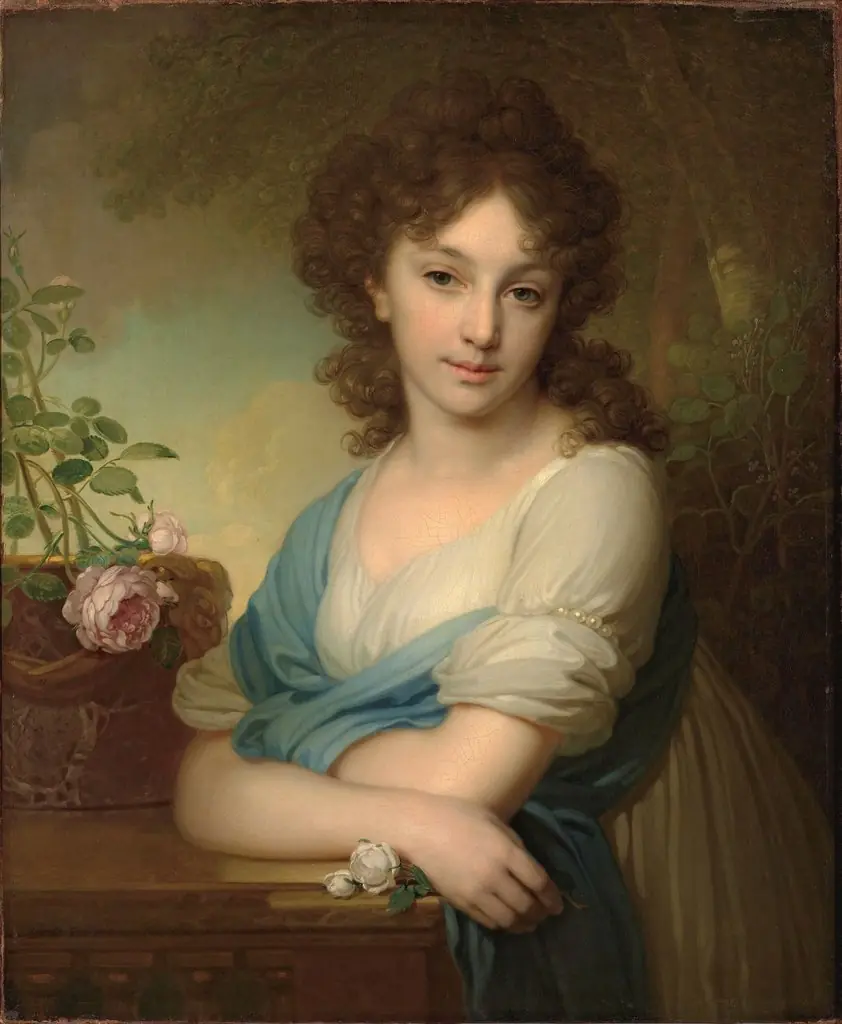 Portrait of Elena Aleksandrovna Naryshkina (1785-1855)
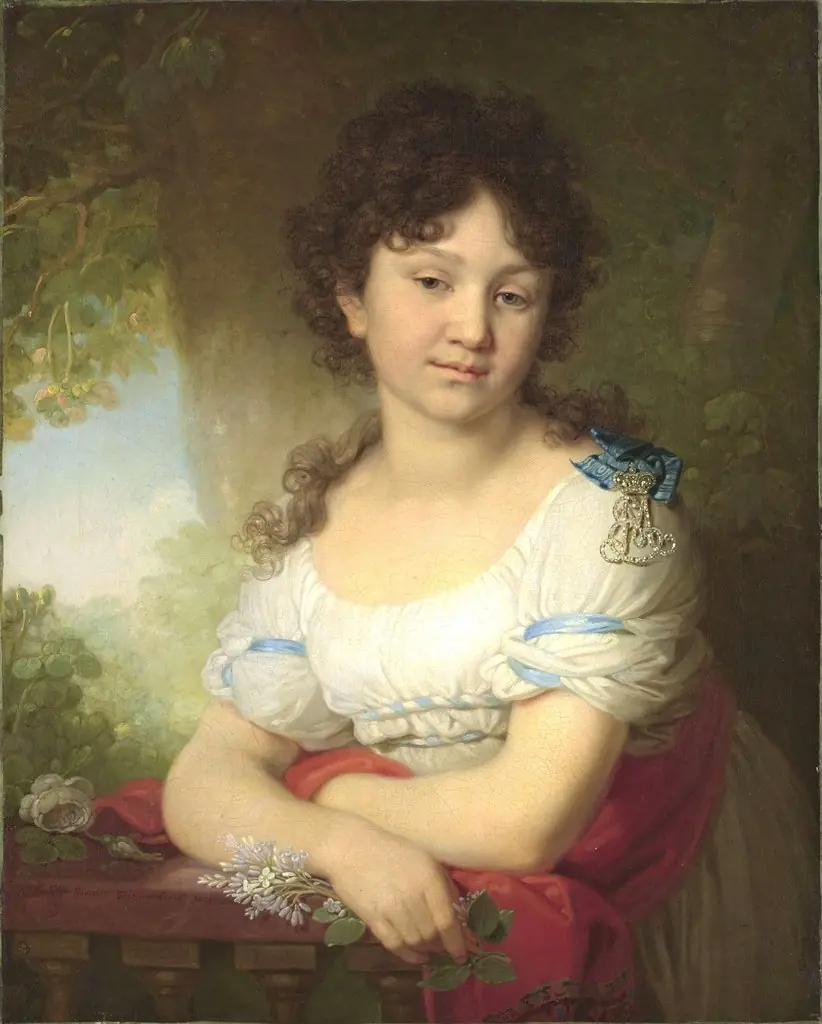 Портрет графини М.А. Орловой-Денисовой
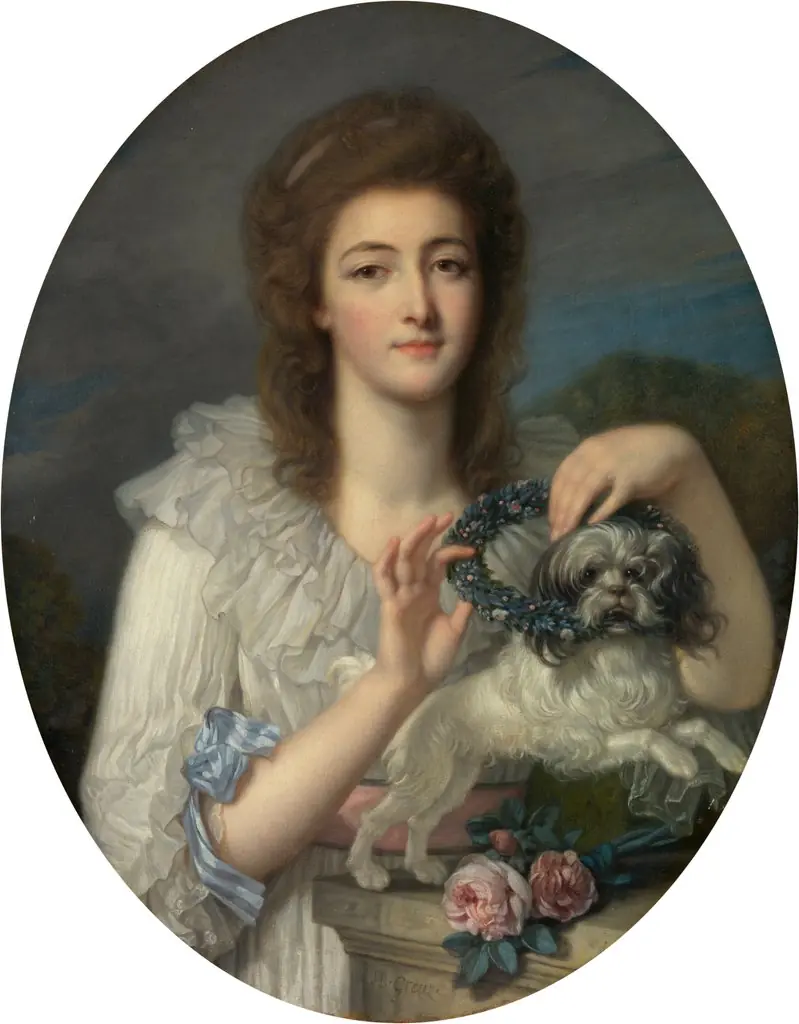 Princess Varvara Nikolaevna Gagarina (1762–1802)
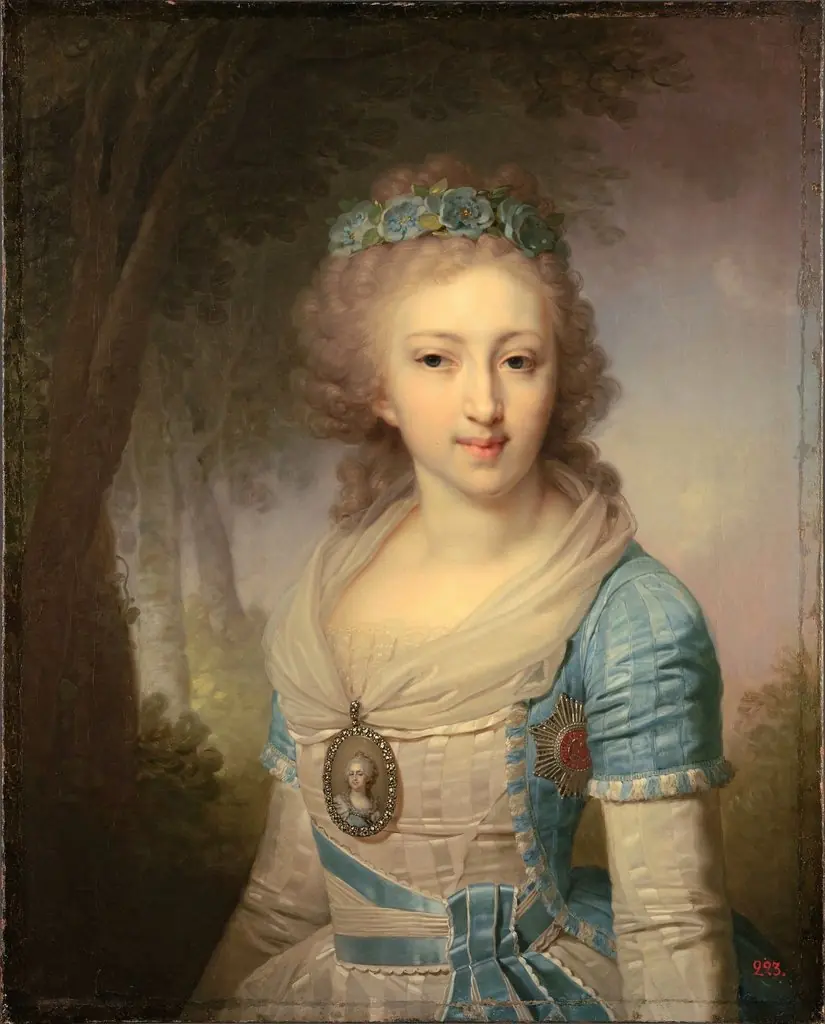 Grand Duchess Elena Pavlovna of Russia (1784-1803), later duchess of Mecklenburg-Schwerin
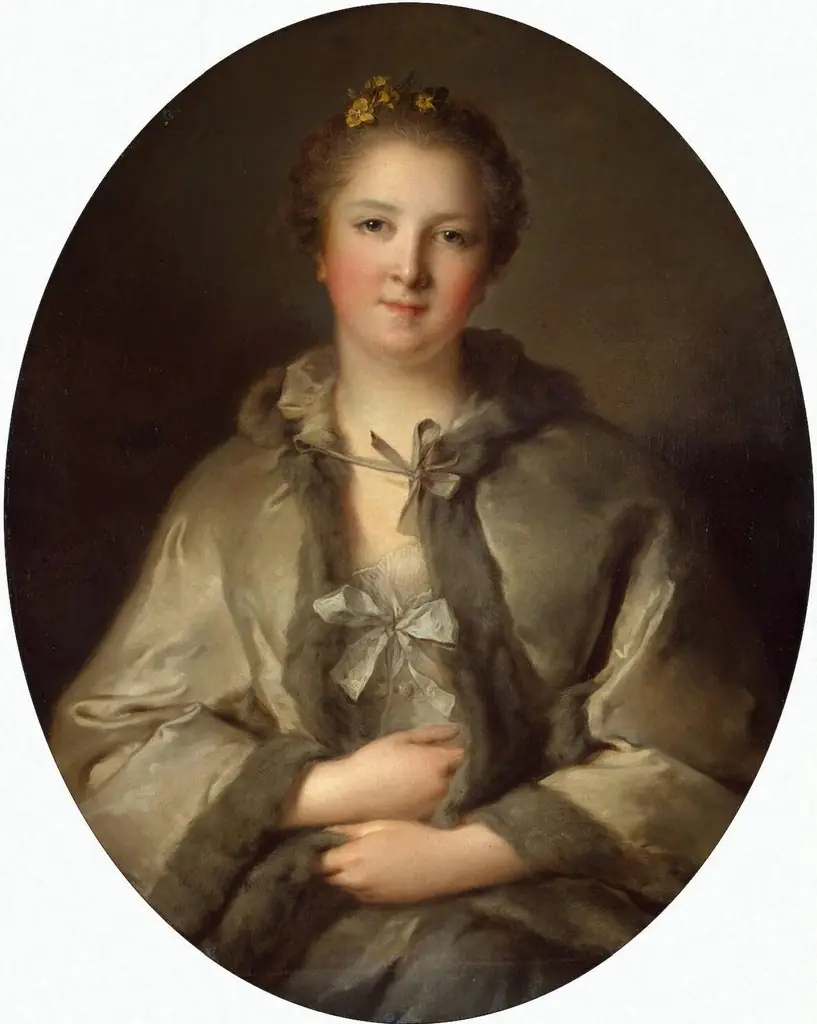 Portrait of a Woman in Grey
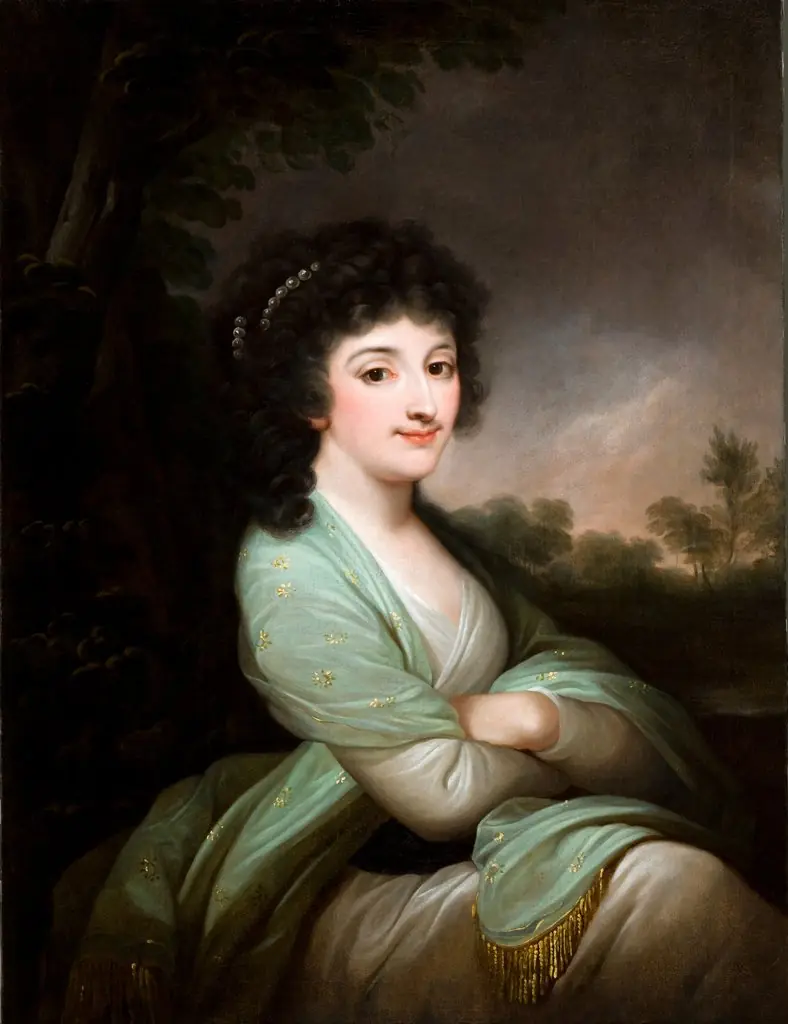 Portrait of Izabela Ogińska née Lasocka
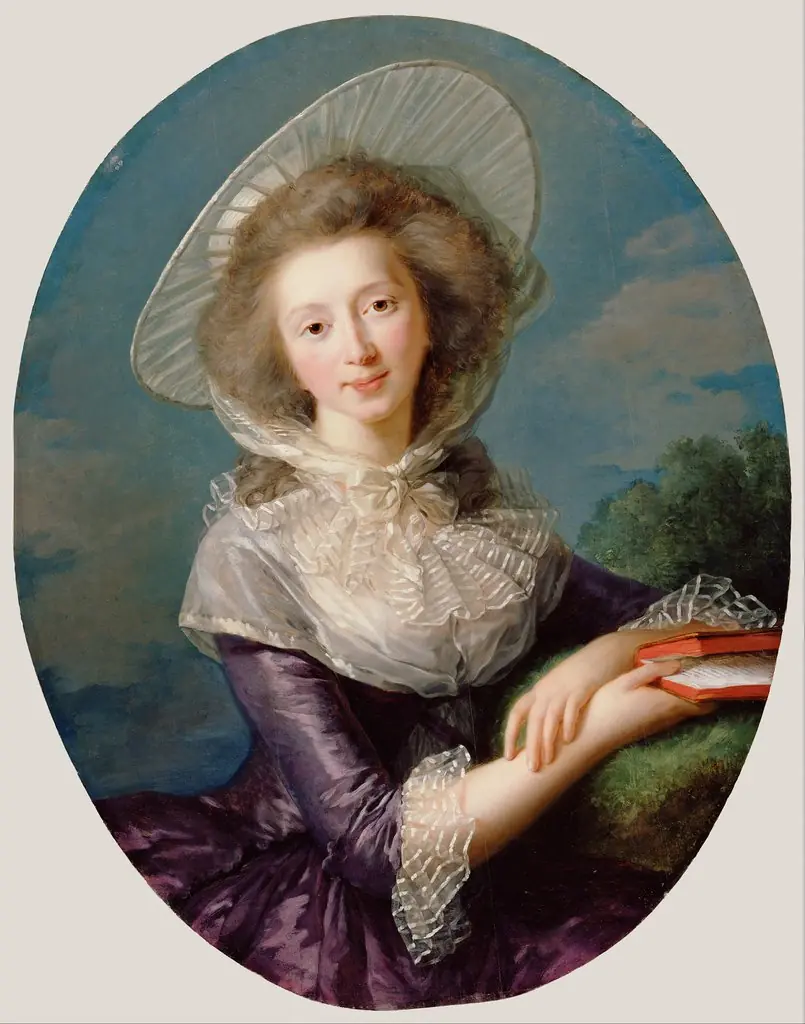 The Vicomtesse de Vaudreuil
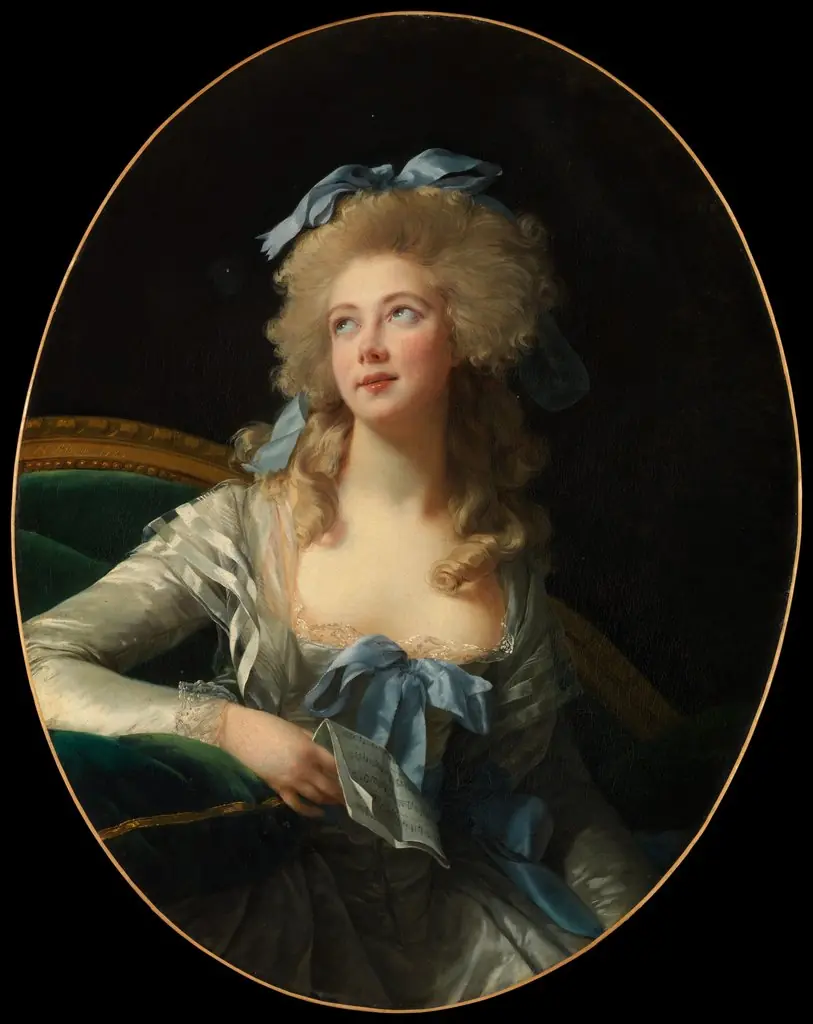 Madame Grand (Noël Catherine Verlée, 1761–1835)
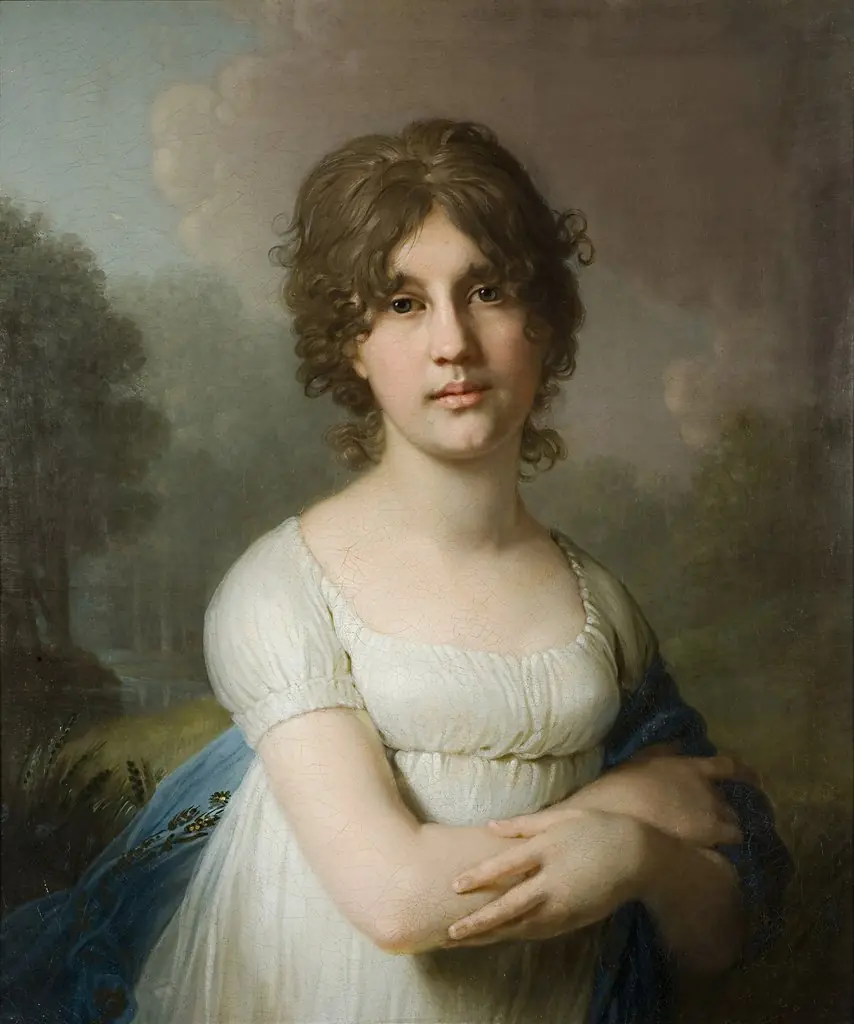 La Princesse Catherine Gavrilowna Gagarine
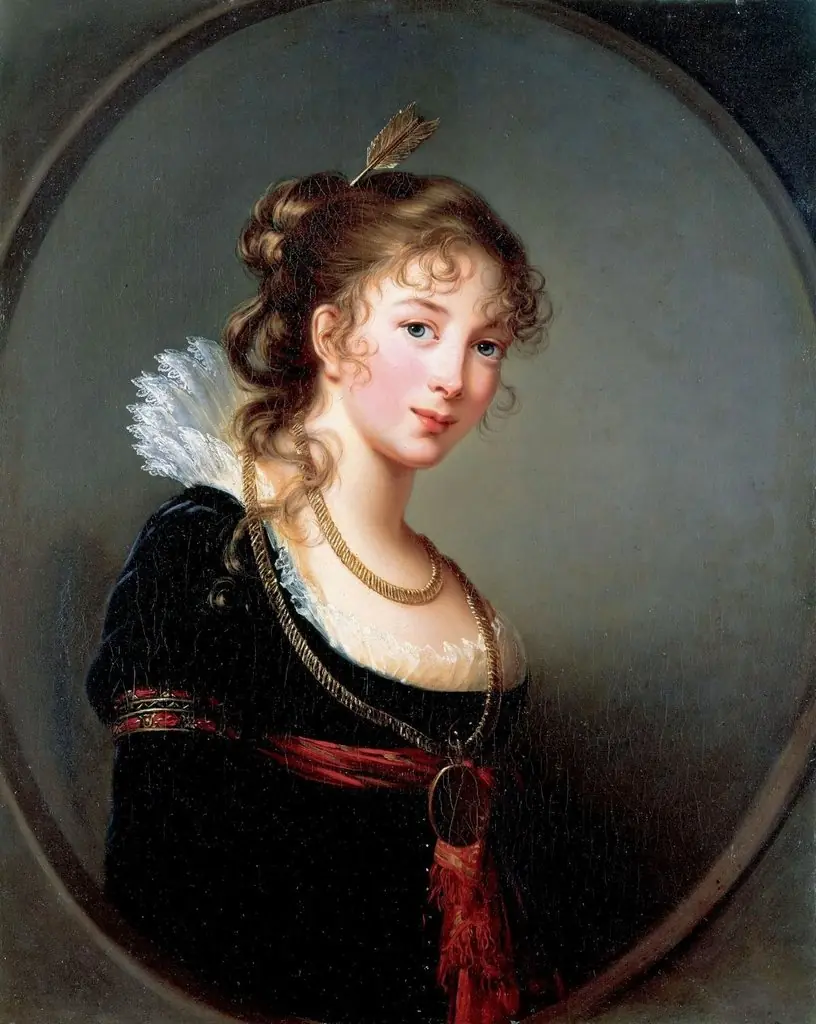 Porträt der Luise von Preußen (1770-1836), Ehefrau von Anton Radziwiłł (1775-1833)
 Louise-Marie-Adélaïde de Bourbon-Penthièvre, Duchess of Orléans