Artwork
Salaneuvos Robert von Trappin muotokuva
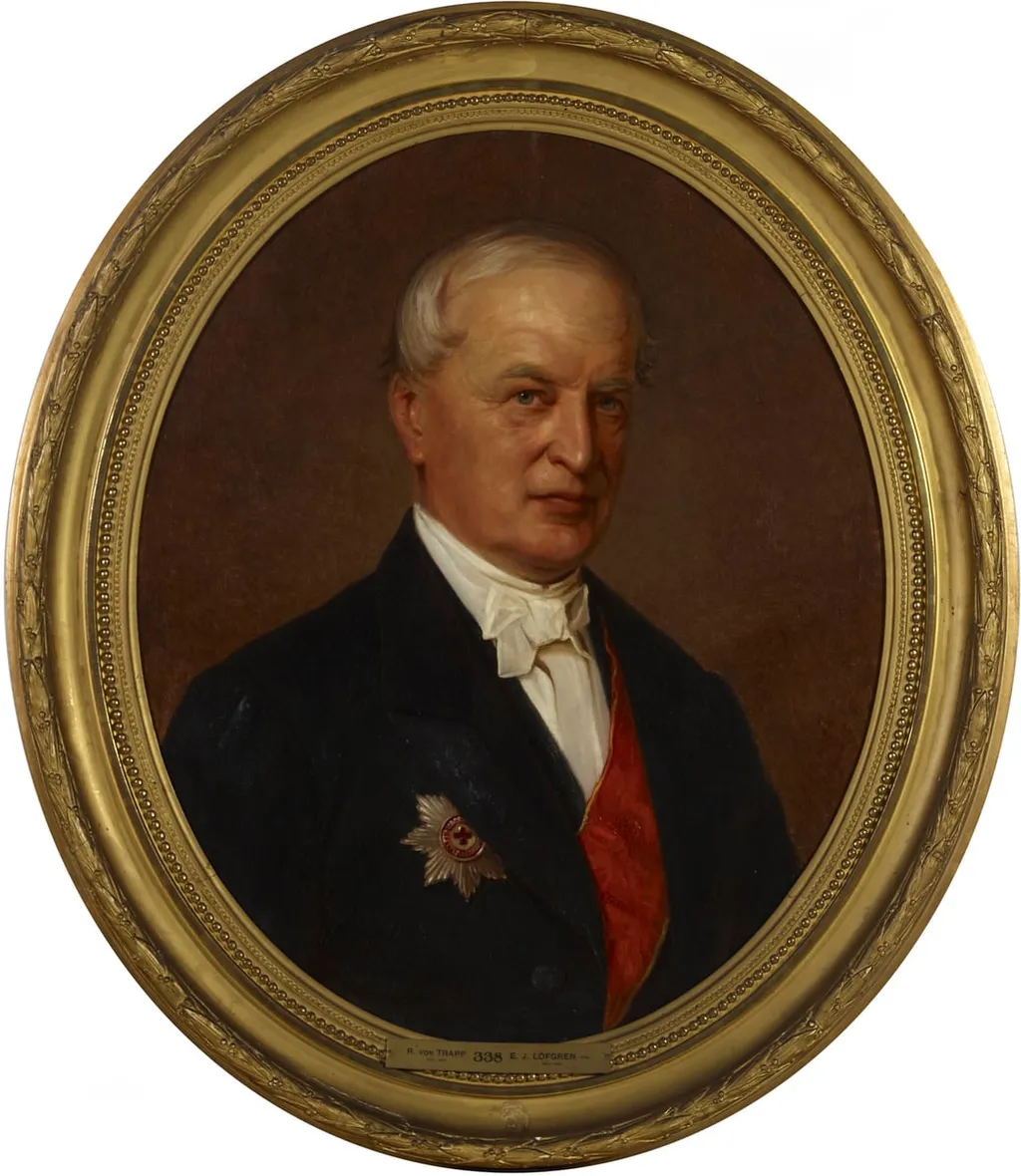
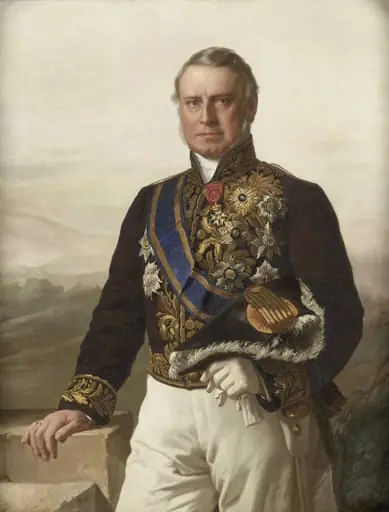
Salaneuvos Robert von Trappin muotokuva is an unspecified painting by Erik Johan Löfgren. It is held in the collection of the Finnish National Gallery. This portrait presents a distinguished older man in formal attire, rendered with careful attention to detail.
About this work
The painting depicts an older man with white hair, dressed in a dark suit adorned with a red sash and a gold brooch on his left side.
The painting depicts an older man with white hair, dressed in a dark suit adorned with a red sash and a gold brooch on his left side. He is set against a brown background, which is framed by an ornate gold frame.
The man's attire suggests a formal or official setting, possibly from the 19th century. The painting's style and attention to detail imply a level of craftsmanship and realism.
To learn more about the techniques used in this portrait, explore the world of sfumato.
Overview
This portrait presents a distinguished older man in formal attire, rendered with careful attention to detail. Set against a muted brown background and enclosed in an ornate gold frame, the composition emphasizes the subject’s dignity and social standing. The lighting and texture suggest a realistic approach, typical of 19th-century portraiture, though no known artist is recorded for this work.
Subject & Meaning
The man is depicted wearing a dark suit with a red sash and a gold brooch, indicators of formal or ceremonial status, possibly military or civic. His white hair and composed expression convey age and authority. The absence of contextual elements focuses attention on his presence, suggesting the portrait served as a record of rank or personal distinction rather than narrative storytelling.
Technique & Style
The painting employs a restrained palette and precise brushwork to render fabric, skin, and metallic details. Shadows are softly modeled, enhancing three-dimensionality without dramatic contrast. While not using sfumato in the Leonardo da Vinci sense, the subtle transitions between tones reflect a commitment to naturalistic representation common in academic portraiture of the period.
History & Provenance
The painting’s origins are undocumented, with no known artist, commissioning party, or early ownership record. It has been preserved as a standalone image, likely held in private or institutional collections. The ornate frame may be original, but its provenance remains unverified. No exhibition history or archival references have been established.
Context
In 19th-century Europe, formal portraits like this were common among officials, military officers, and the upper class. The red sash and gold brooch align with insignia used in various national orders of merit. Such portraits often functioned as symbols of status, displayed in homes or public buildings to affirm social identity within a rigidly hierarchical society.
Legacy
The portrait survives as a quiet example of 19th-century civilian portraiture, valued for its craftsmanship rather than its historical prominence. It contributes to the broader visual record of elite dress and demeanor during a period when personal representation was closely tied to social role. Its anonymity underscores how many such works, though carefully made, faded from public memory.
Artist & collection
Artist
Erik Johan Löfgren painted quiet portraits of mid-1800s Finland. His brush captured Magnus von Wright, a Finnish naturalist, H. Rosenberg in his admiral’s coat, and Robert von Trapp in sober official dress. Another…

 Portrait of Nikolai Stoyanovsky
 Portrait of M.N. Ostrovsky, Minister of the State Properties
 Erster Obersthofmeister Fürst Rudolf Colloredo-Mannsfeld (1772-1843)
 Προσωπογραφία του Σπυρίδωνος Τρικούπη
 Portrait of the Minister of Justice Count Viktor Panin
 The Architect Lodewijk Jozef Adriaan Roelandt
 Portrait of Senator Ivan Aprelev
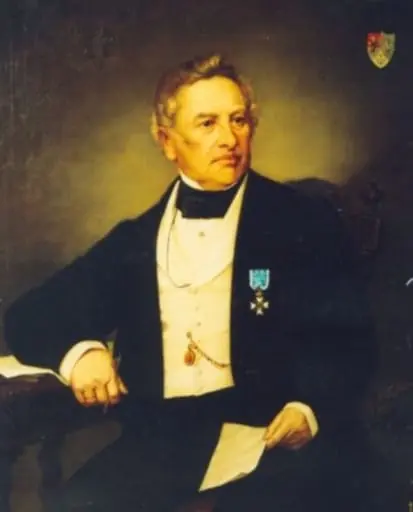 Scarlat Petrovici Armis
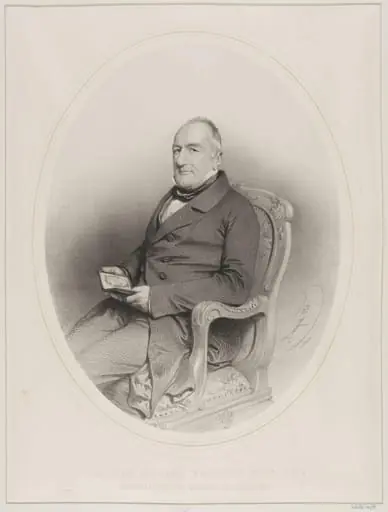 William Richard Hamilton (1777-1859)
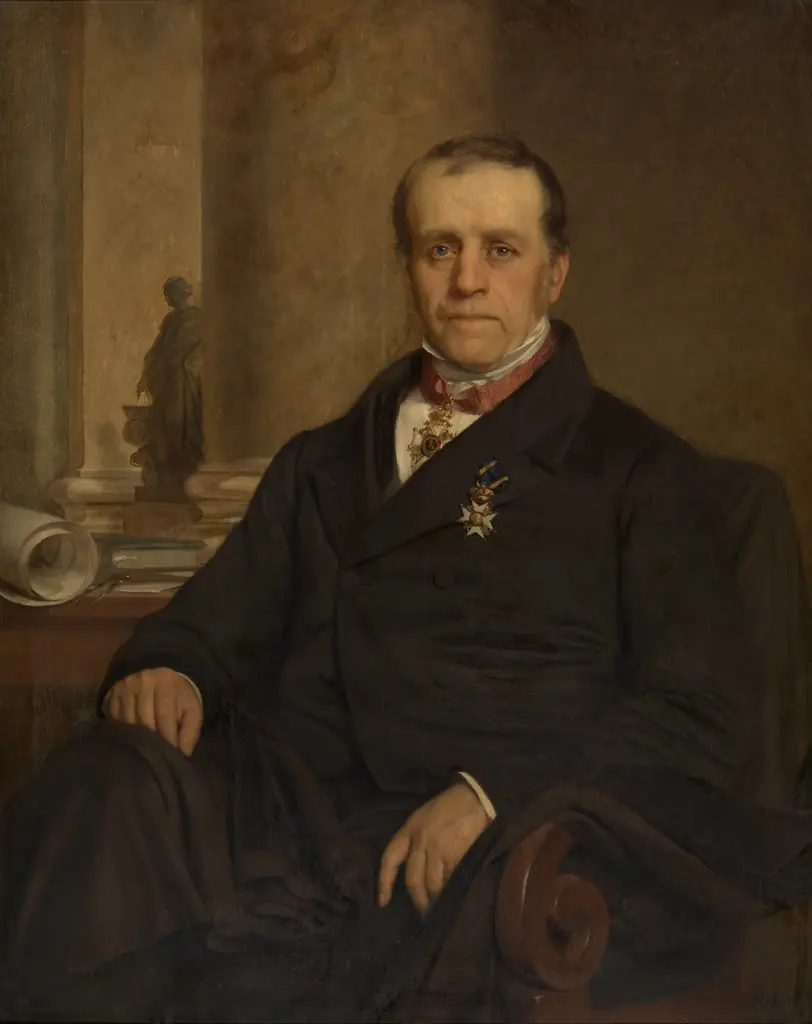 The Architect Tieleman Franciscus Suys
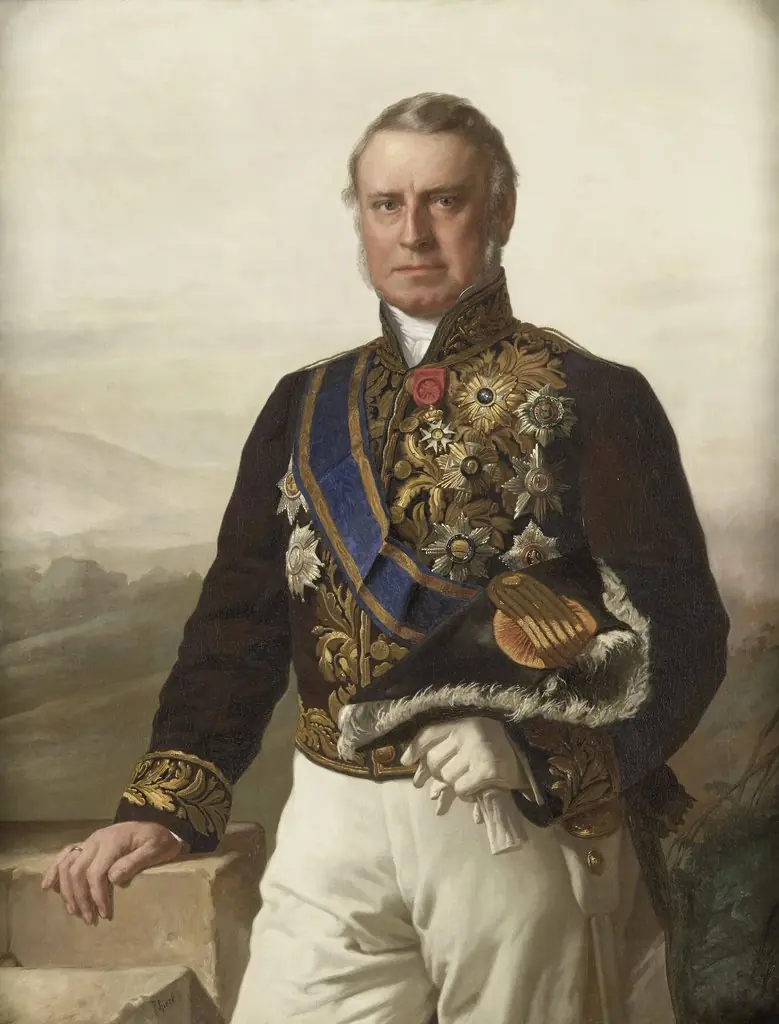 Charles Ferdinand Pahud (1803-73). Gouverneur-generaal (1855-61)
 Untitled