Artwork
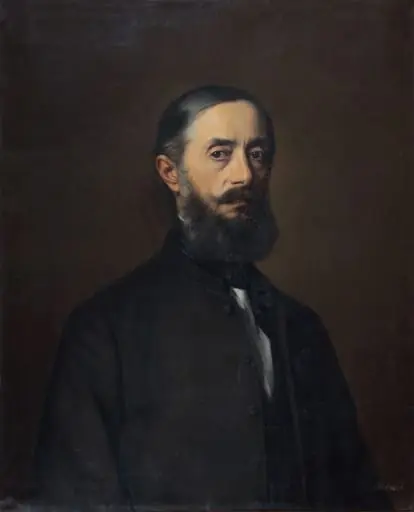
Portrait of Massimo d’Azeglio
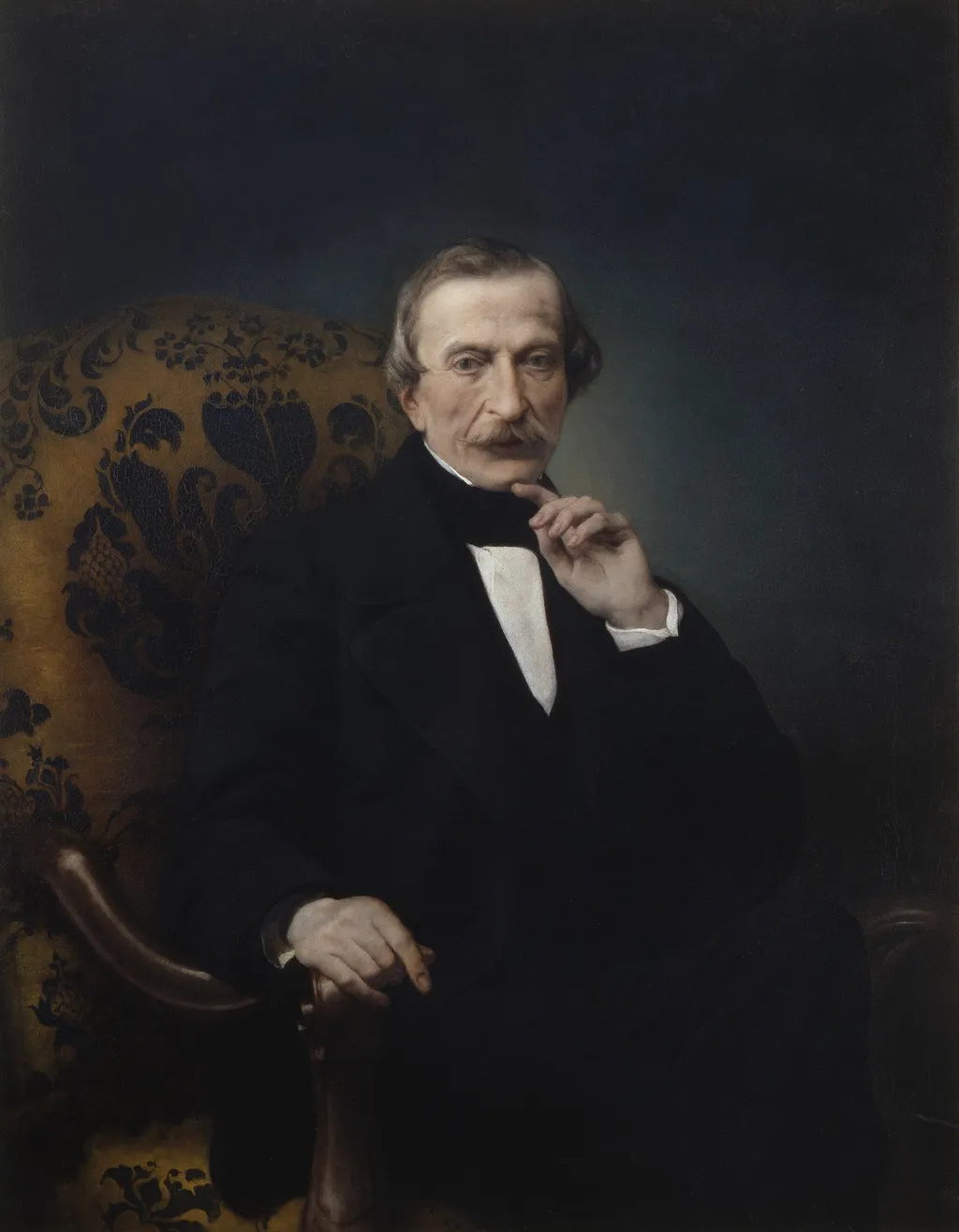
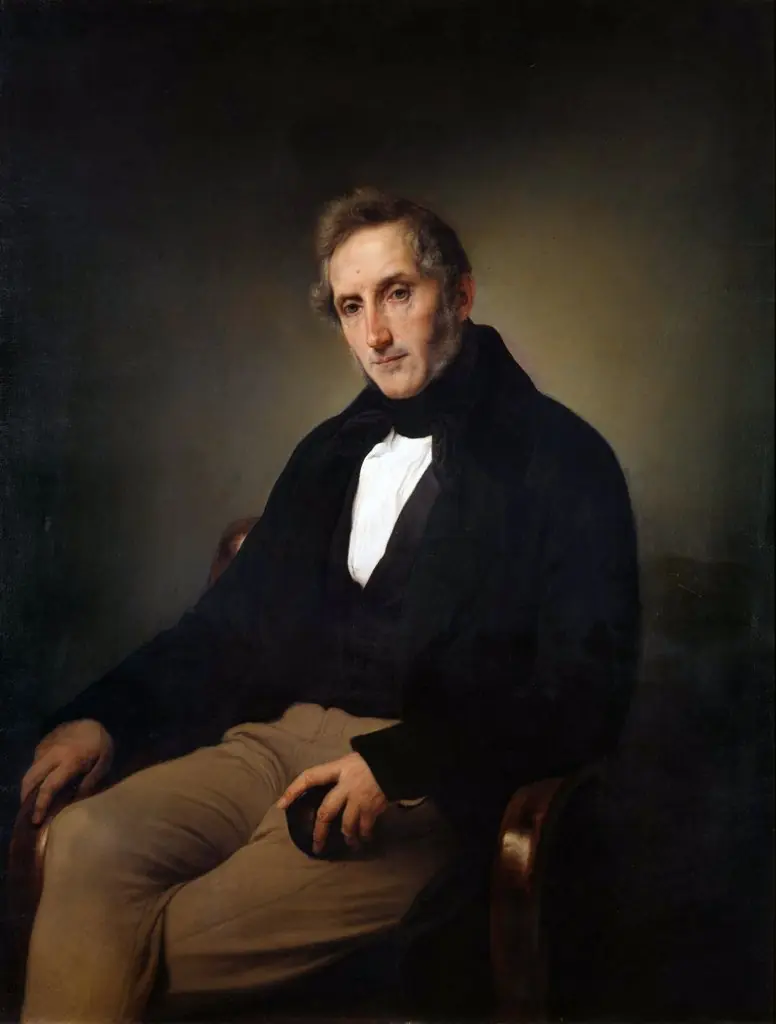
Portrait of Massimo d’Azeglio is an oil painting by Francesco Hayez. It dates from 1860 and is held in the collection of the Pinacoteca di Brera.
About this work
Overview
D’Azeglio had served as Prime Minister of Piedmont-Sardinia and was known for his literary and artistic contributions alongside his political career.
Painted in 1864, this oil portrait by Francesco Hayez captures Massimo d’Azeglio, an influential figure in the Italian unification movement. D’Azeglio had served as Prime Minister of Piedmont-Sardinia and was known for his literary and artistic contributions alongside his political career. The work reflects Hayez’s skill in portraying intellectual presence through restrained composition and psychological depth.
Subject & Meaning
Massimo d’Azeglio was a key advocate for Italian independence from Austrian rule, blending cultural expression with political action. As a novelist and painter, he helped shape Romantic nationalism in Northern Italy. His inclusion in Hayez’s portrait underscores his symbolic role as a bridge between artistic idealism and statecraft during a period of national transformation.
Technique & Style
Hayez employs a muted palette and precise brushwork to convey d’Azeglio’s contemplative demeanor. The figure is rendered with subtle modeling, avoiding theatricality in favor of quiet authority. The background remains indistinct, focusing attention on the subject’s face and posture, characteristic of Hayez’s mature portraiture style that prioritizes psychological realism over ornamental detail.
History & Provenance
Commissioned during d’Azeglio’s later years, the portrait was likely intended to honor his contributions to the Risorgimento. It remained in private hands for much of the 19th century before entering a public collection. Its preservation reflects enduring recognition of d’Azeglio’s role in Italy’s political and cultural development during the mid-1800s.
Context
Painted just after Italian unification was largely achieved, the portrait emerges in a climate where national identity was being visually and politically consolidated. D’Azeglio’s position as both a statesman and a man of letters made him a fitting subject for an artist like Hayez, whose work often intertwined personal and national narratives during the Risorgimento.
Legacy
The portrait endures as a visual record of a transitional figure in Italian history—neither a revolutionary nor a conservative, but a reformer grounded in culture. Hayez’s depiction contributed to the iconography of the Risorgimento, reinforcing the image of the intellectual statesman as a pillar of the new nation.
Own this work as a print
Artist & collection
Artist
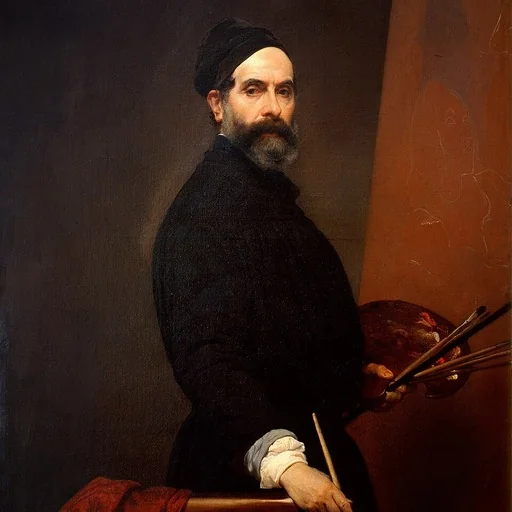
Francesco Hayez (Italian: ; 10 February 1791 – 12 February 1882) was an Italian painter.

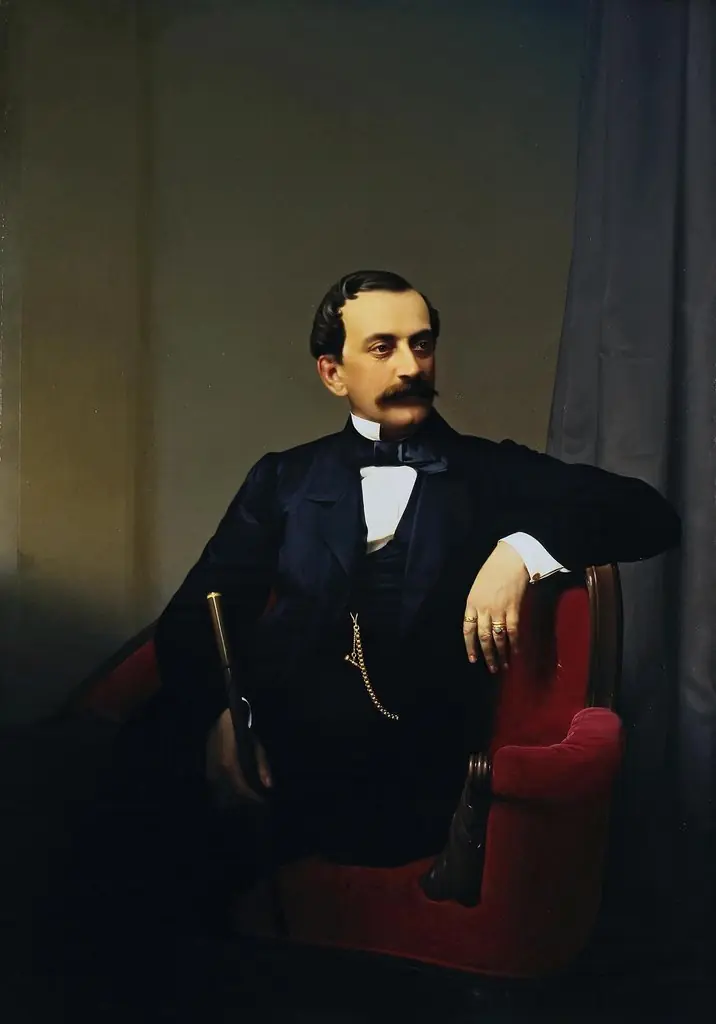 Portrait of Prince Nikolai Yusupov
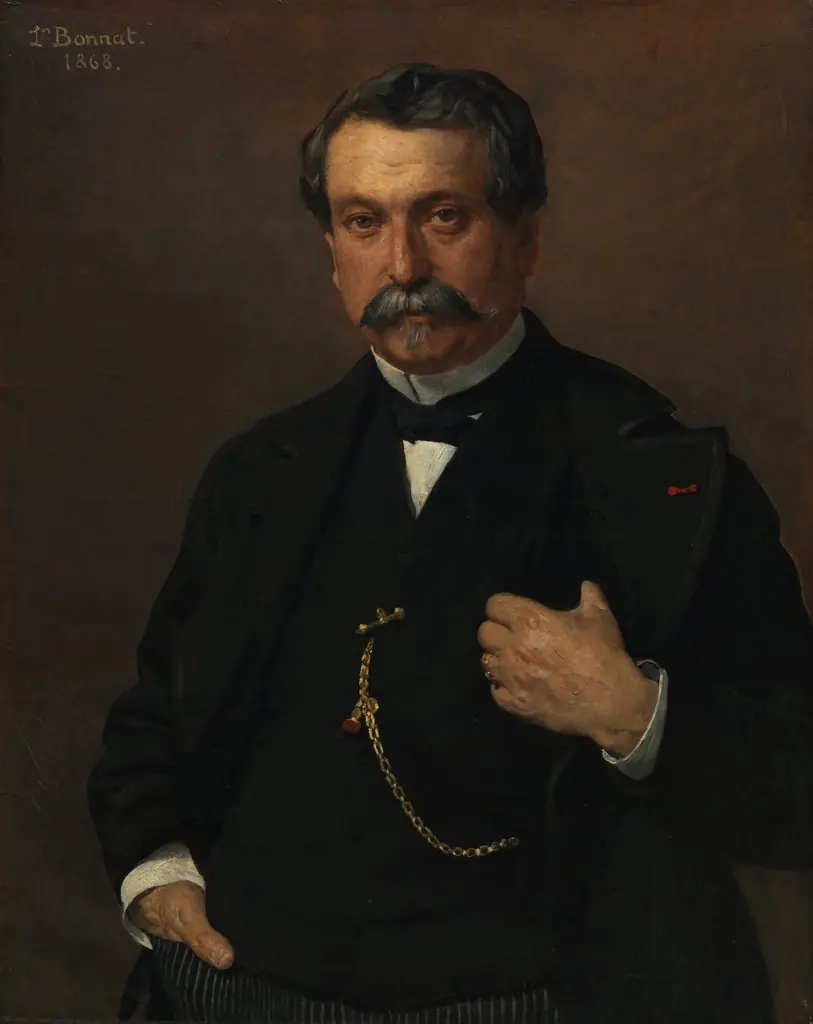 Portrait of Jean Léglise, Merchant, Mayor of Saint-Martin-de-Seignanx
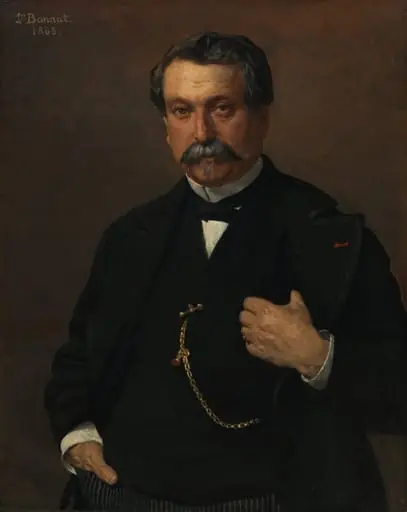 Portrait of Jean Léglise, Merchant, Mayor of Saint-Martin-de-Seignanx
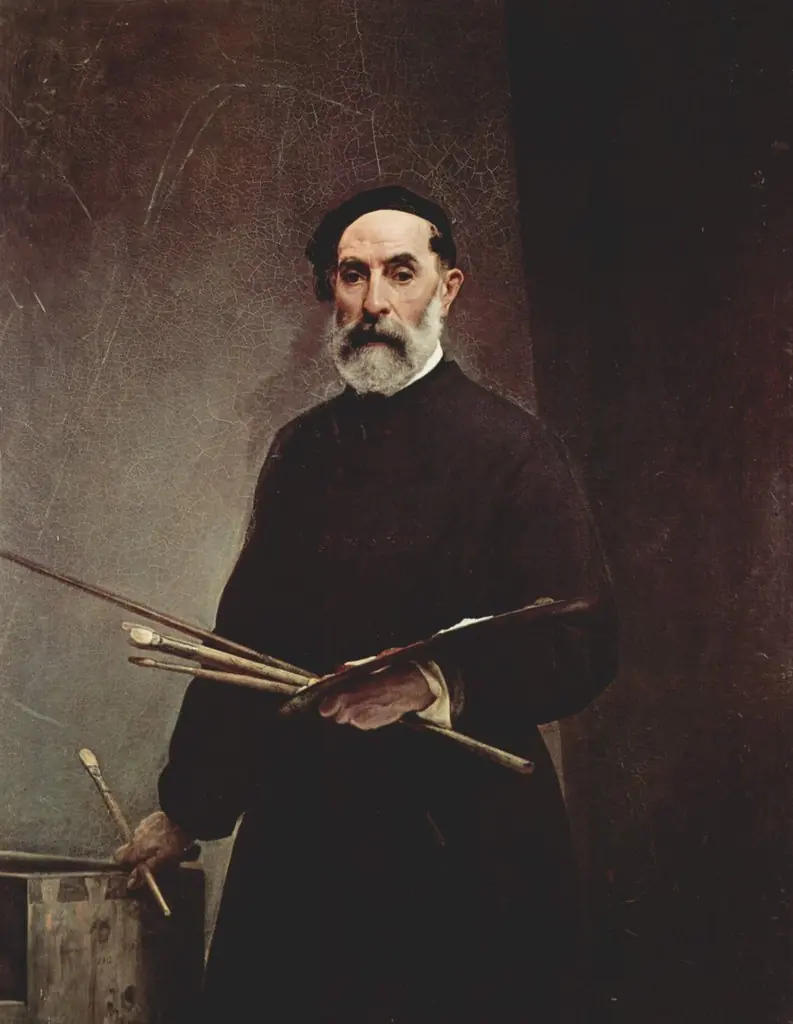
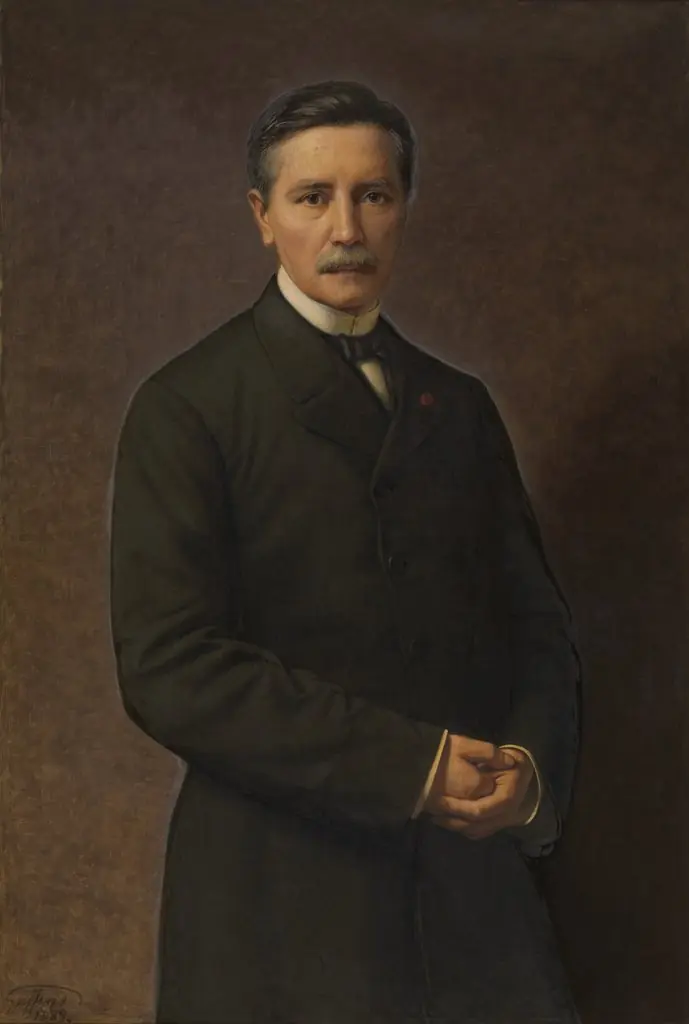 Self Portrait
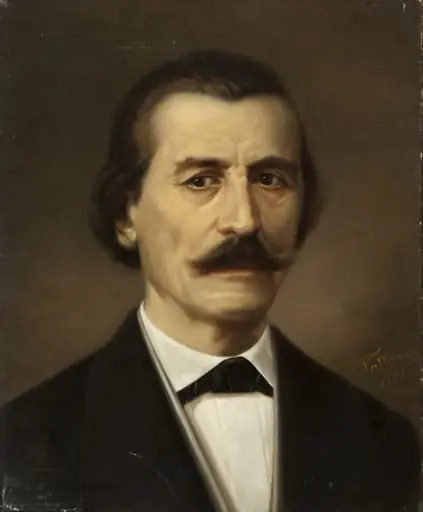 Portretul Generalului Magheru
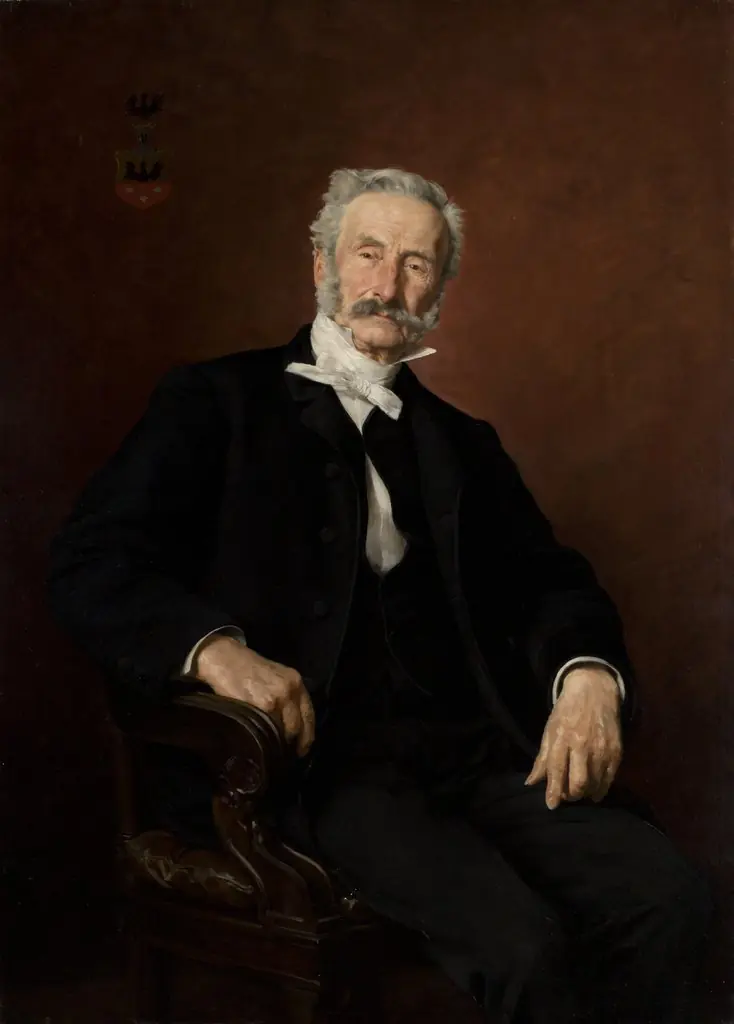 Portrait of Paweł Popiel
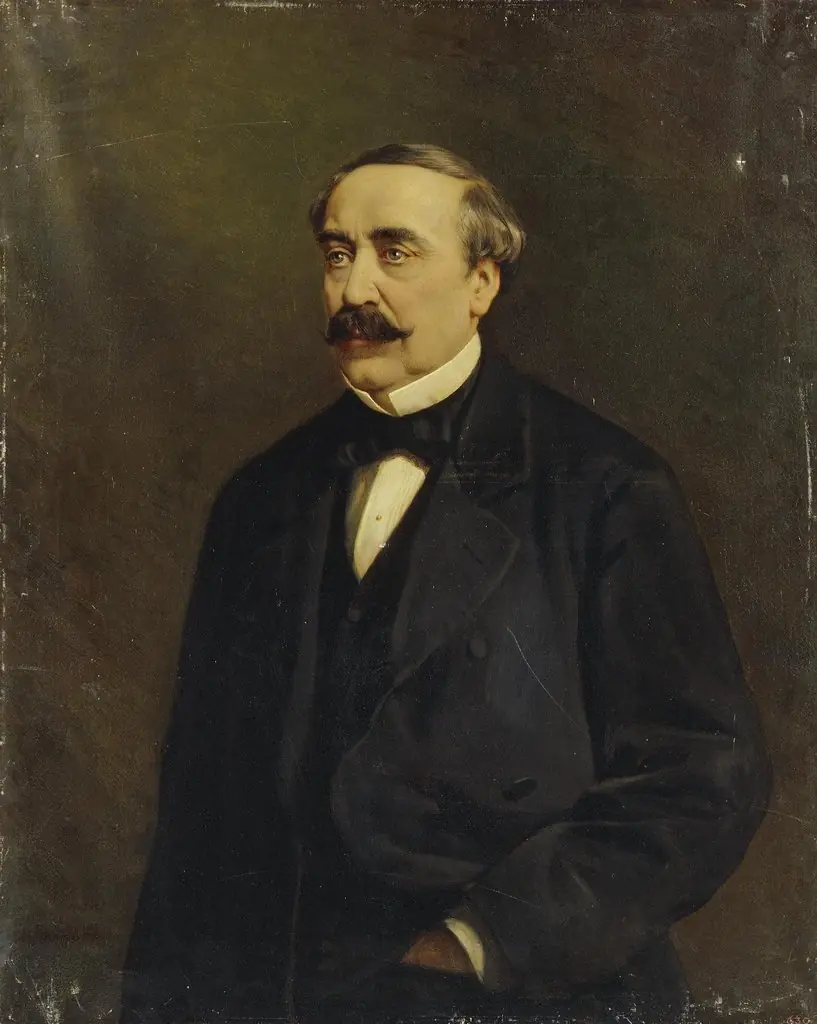 Portrait of the Mining Engineer Nikolay Teplov
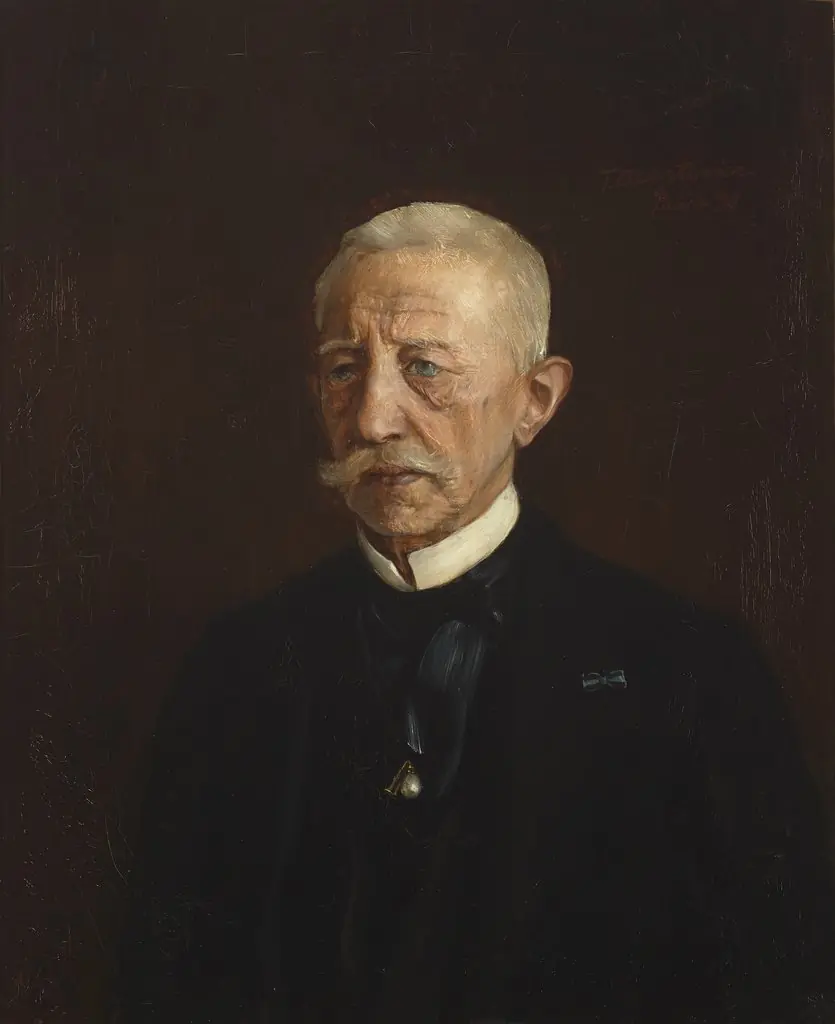 Portrait of Wiktor Osławski
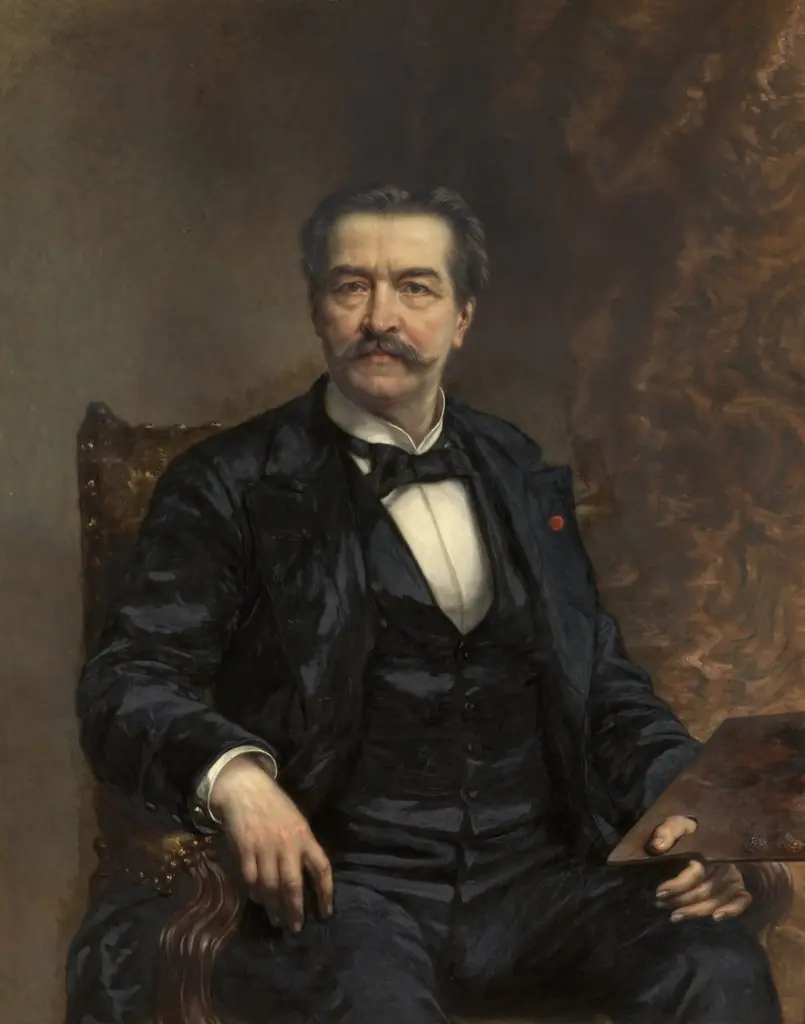 Self Portrait
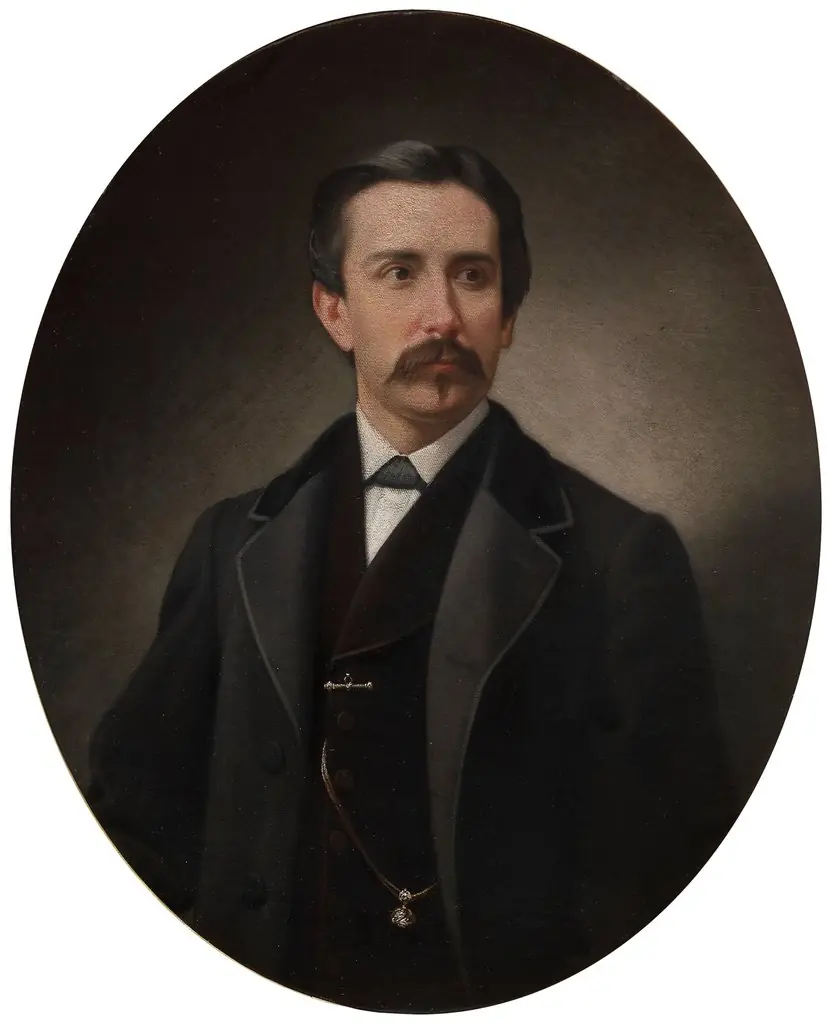 Self-portrait
 Autoportret
 Portrait of H. Lazarev