Artwork
The Critic
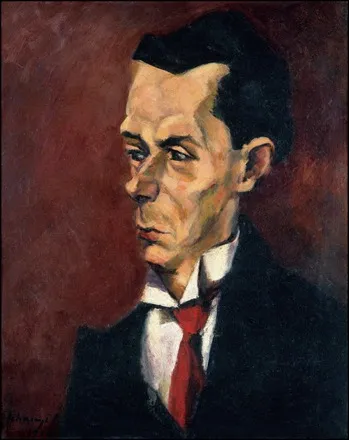
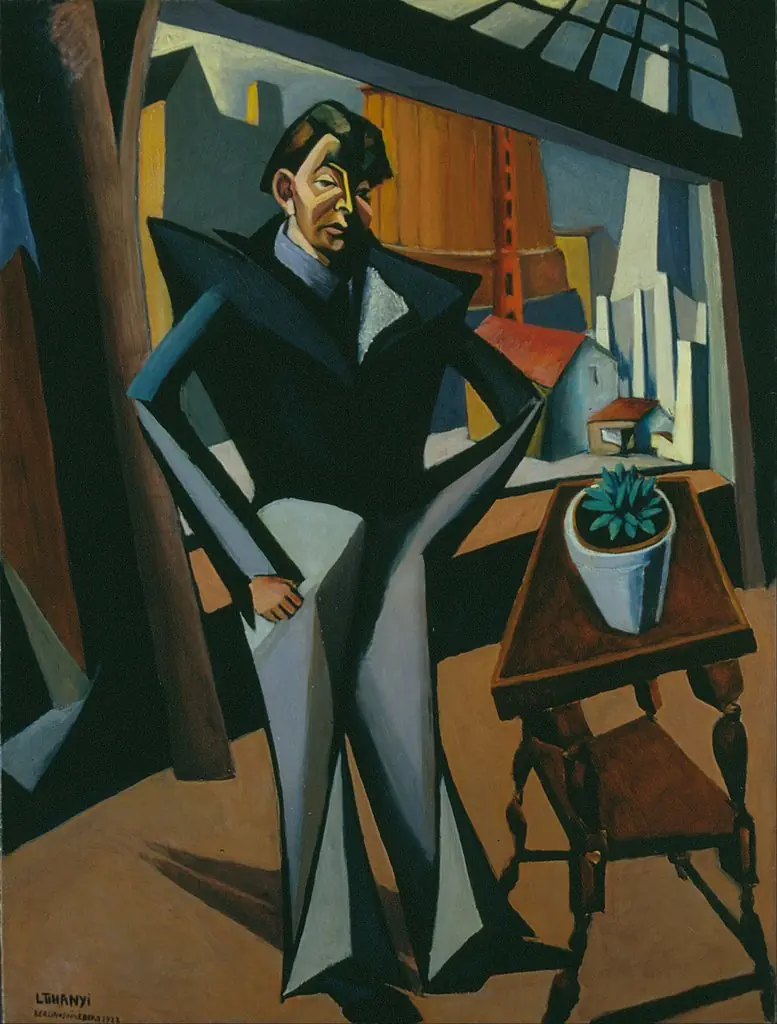
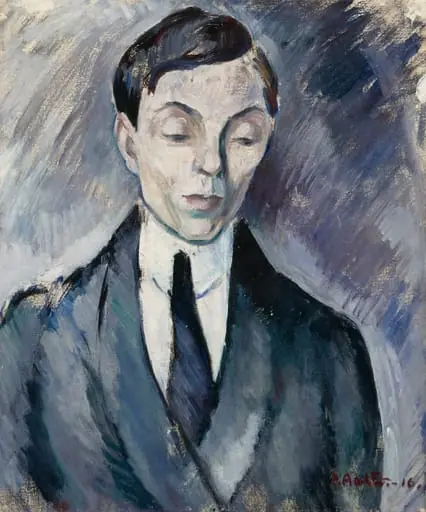
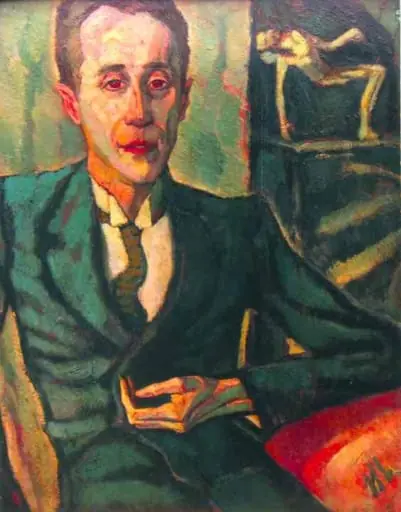
The Critic is an oil painting by Lajos Tihanyi. It dates from 1916 and is held in the collection of the Brooklyn Museum.
About this work
Overview
The Critic is an oil painting created by Hungarian artist Lajos Tihanyi in 1916. It is part of the Brooklyn Museum's collection.
Subject & Meaning
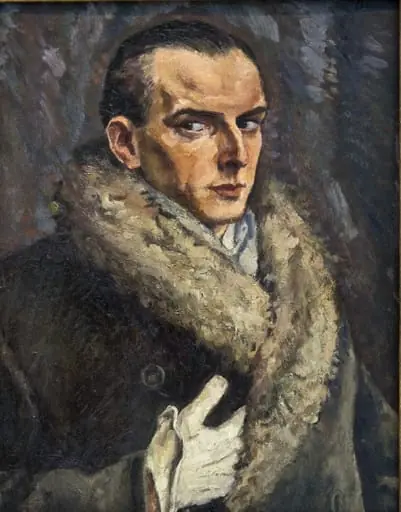
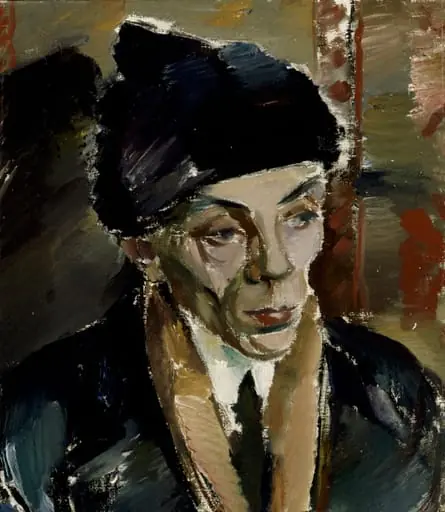
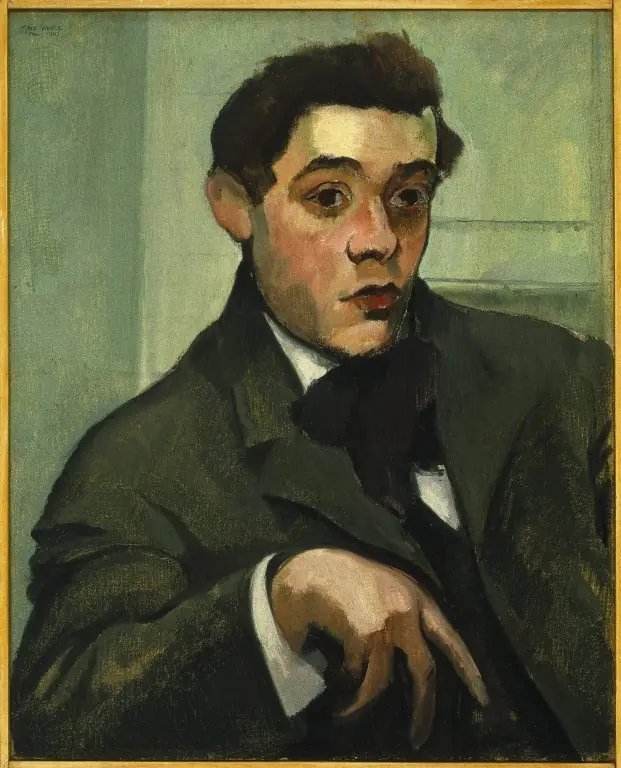
The painting portrays a man dressed in a dark suit, red tie, and white shirt, captured with a serious expression, looking intently to the left. His focused gaze and slightly furrowed eyebrows suggest deep contemplation or critique, aligning with the title's implication of a discerning observer.
Technique & Style
Executed with bold brushstrokes, the portrait emphasizes dynamic energy. Tihanyi employs chiaroscuro, a technique leveraging strong contrasts between light and dark to sculpt the subject's face and attire, characteristic of Post-Impressionist influences evident in his work.
History & Provenance
Created in 1916, before Tihanyi's 1919 emigration to Paris, The Critic reflects his early alignment with Neoimpressionism and later association with Hungary's avant-garde group, The Eight. It is now held in the Brooklyn Museum's collection.
Context
The Critic situates itself within early 20th-century European art movements, bridging Neoimpressionist and Post-Impressionist styles. Tihanyi's rejection of naturalism is palpable in the painting's expressive, rather than realistic, treatment of the subject.
Legacy
As part of Tihanyi's oeuvre, The Critic contributes to the broader legacy of Hungarian modernism and the international Post-Impressionist movement, though its specific impact or influence on subsequent art movements is not widely highlighted in available sources.
Artist & collection
Artist
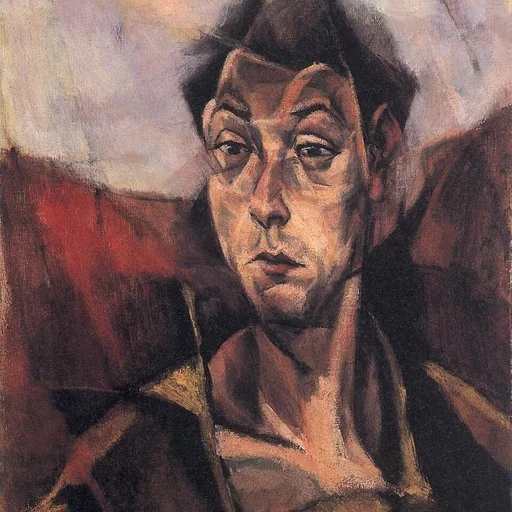
Lajos Tihanyi (29 October 1885 – 11 June 1938) was a Hungarian painter and lithographer who achieved international renown working outside his country, primarily in Paris, France.